Best Supplements for Vegetarians Who Want to Start Working Out
So you’ve decided to start working out, but if you’re following a vegetarian diet, you might be wondering: do I need supplements? And if so, which ones are actually worth it?
The honest answer is that a well-planned vegetarian diet can absolutely fuel a great workout routine. But there are a few key nutrients that are harder to get in sufficient amounts from plant-based foods alone, especially once you start training regularly and your body’s demands increase.
In this article, we’ll walk you through the best supplements for vegetarians to consider, what they do, and why they’re especially relevant for those of you with plant=based diets who are hitting the gym.
Why Vegetarians May Need to Think About Supplementing
Plant-based diets are rich in fiber, antioxidants, and many micronutrients. However, some performance-critical compounds are either absent from, or poorly absorbed from, plant foods. These include:
- Creatine — found almost exclusively in meat and fish
- Vitamin B12 — only reliably available in animal products
- Omega-3 fatty acids (EPA/DHA) — primarily found in fatty fish
- Iron — plant iron (non-heme) has lower bioavailability
- Zinc — absorption is inhibited by phytates in grains and legumes
- Protein — total intake and amino acid profile may need attention
That said, not everyone needs every supplement. It depends on your diet, training intensity, health goals, and individual biology. Always consider talking to a healthcare provider or registered dietitian before adding new supplements to your routine.
1. Creatine Monohydrate — The Most Overlooked Supplement for Vegetarians
If there’s one supplement that vegetarians are almost universally low in, it’s creatine. Since creatine is found almost entirely in animal muscle tissue, most vegetarians have significantly lower muscle creatine stores compared to meat-eaters, which means they often have the most to gain from supplementing it.
What does creatine do?
Creatine is a naturally occurring compound stored in your muscles and used during high-intensity, short-burst activities like weightlifting, sprinting, and HIIT. It works by helping replenish ATP (your muscles’ primary energy currency), allowing you to train harder and recover faster between sets.
Benefits of creatine supplementation:
- Increased strength and power output during resistance training
- Better performance during high-intensity interval training
- Improved muscle recovery between sessions
- Potential cognitive benefits (the brain also uses creatine)
- Especially noticeable gains for vegetarians who start from a low baseline
What to look for in a creatine supplement
Not all creatine supplements are created equal. You want a product with a short, clean ingredient list — ideally just pure creatine monohydrate, without unnecessary fillers, artificial sweeteners, or additives. The standard research-backed dose is 3–5 grams per day.
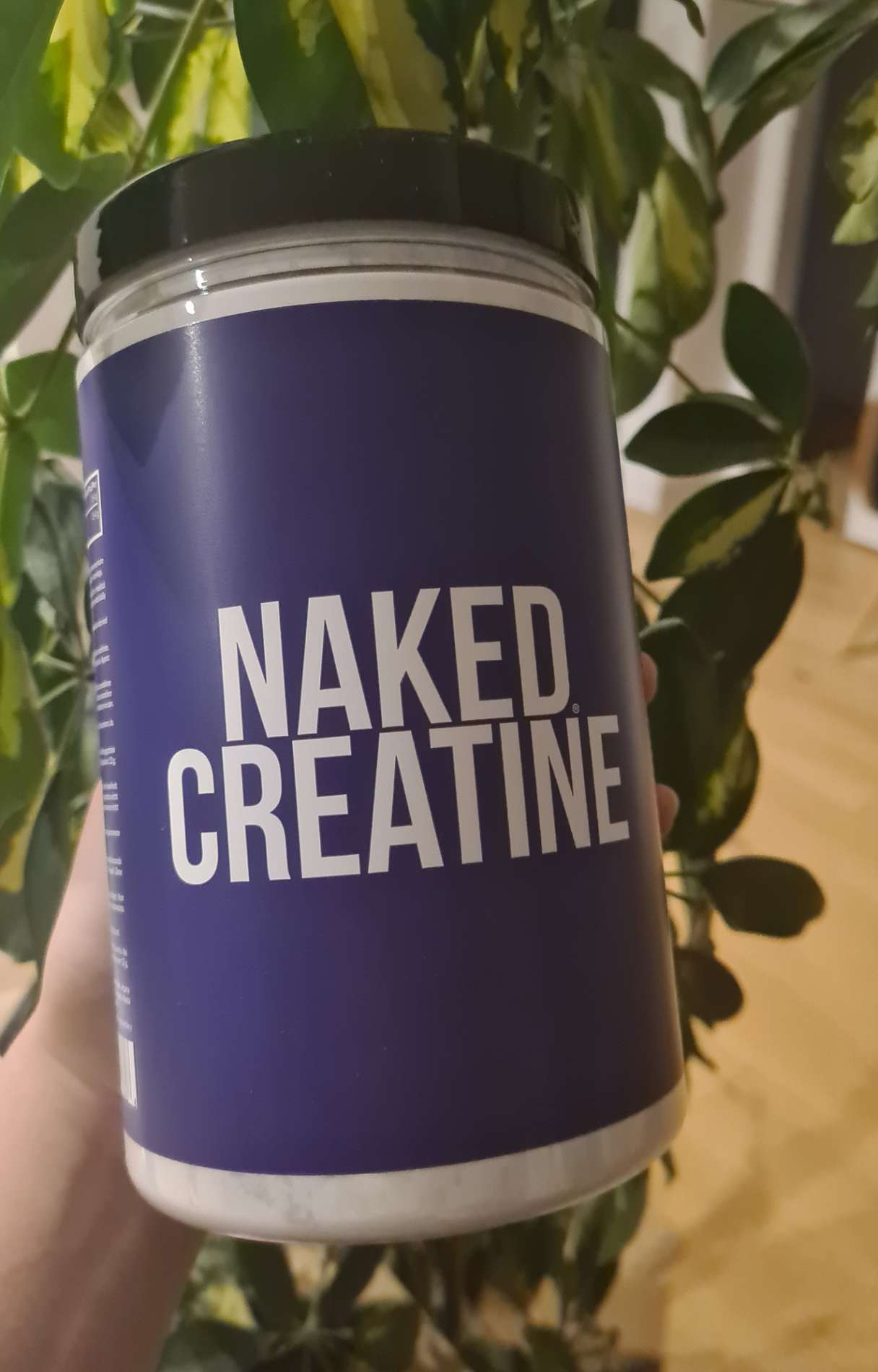
One option worth checking out is Creatine Monohydrate from Naked Nutrition, which contains only one ingredient: pure creatine monohydrate. No artificial flavors, no additives, just the supplement in its simplest form. This kind of transparency in ingredients is exactly what you want when you’re building a clean supplement stack.
Note: Creatine causes temporary water retention in muscles (this is normal and actually part of how it works). Some people also experience mild digestive discomfort at higher doses, starting with 3g/day is a good approach for most beginners.
2. Plant-Based Protein Powder — Hitting Your Daily Targets
Protein is essential for muscle repair and growth, and while vegetarians can absolutely get enough protein from food, it takes deliberate planning, especially once you’re training regularly. The general recommendation for people doing resistance training is around 1.6–2.2g of protein per kilogram of bodyweight per day, which can be challenging to hit from whole foods alone.
What to look for:
- A complete amino acid profile: look for blends that combine pea + rice protein, or options that include leucine
- Low sugar and minimal additives
- A protein content of at least 20g per serving
Pea protein and brown rice protein are among the most popular plant-based protein options. Soy protein is also a complete protein source, though some people prefer to limit soy intake. Hemp protein is less concentrated but comes with added fiber and healthy fats.
3. Vitamin B12 — Non-Negotiable for Vegetarians
Vitamin B12 is produced by bacteria and is found almost exclusively in animal products. While some vegetarians get it through dairy and eggs, many still fall short. B12 deficiency can develop slowly over months to years, and symptoms include fatigue, weakness, nerve damage, and cognitive issues.
If you’re vegetarian and not eating dairy or eggs regularly, B12 supplementation is generally considered essential rather than optional. Cyanocobalamin and methylcobalamin are the two most common forms, both are effective, with some debate about which is better absorbed.
Recommended approach:
- Get your B12 levels tested before supplementing if possible
- A daily supplement of 25–100 mcg or a weekly high-dose supplement (1000+ mcg) are both common approaches
- Sublingual (under-the-tongue) forms may improve absorption
4. Algae-Based Omega-3 (EPA/DHA) — The Vegetarian Alternative to Fish Oil
Omega-3 fatty acids, specifically EPA and DHA, play important roles in reducing inflammation, supporting joint health, and aiding muscle recovery. Fish get their omega-3s from algae, so going straight to the source is both logical and vegetarian-friendly.
ALA (found in flaxseeds, chia seeds, walnuts) is a plant-based omega-3, but your body converts it to EPA/DHA very inefficiently. Algae oil is the direct, effective vegetarian solution.
Why it matters for training:
- Helps manage exercise-induced inflammation
- Supports joint health during high-impact training
- May aid in muscle protein synthesis
5. Iron and Zinc — Watch These Carefully
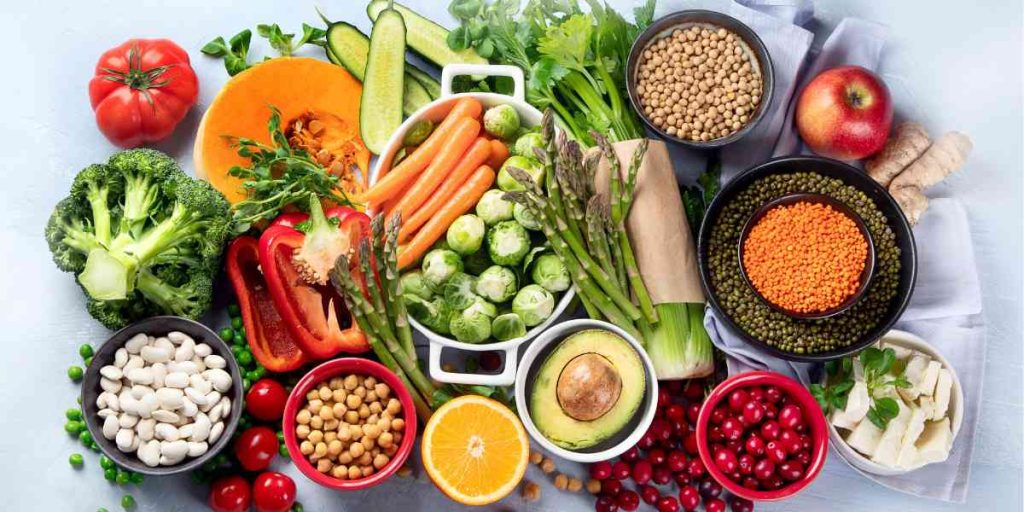
Both iron and zinc are found in plant foods, but in forms that are less bioavailable than their animal-based counterparts. This is especially relevant for:
- Iron: Women of childbearing age, anyone who trains intensely. Symptoms of deficiency include fatigue and poor endurance. Get levels tested before supplementing: too much iron is harmful.
- Zinc: Athletes have higher zinc needs due to losses through sweat. Zinc supports immune function, hormone regulation, and muscle repair.
Rather than supplementing blindly, it’s worth getting a blood panel to see where you actually stand with these minerals before adding them to your stack.
6. Vitamin D — Important for Everyone, Often Overlooked
Vitamin D is technically a hormone precursor rather than a vitamin, and most people, regardless of diet, are deficient, especially in regions with limited sunlight. For athletes, vitamin D plays a role in muscle function, bone health, immune support, and testosterone regulation.
Vitamin D3 (cholecalciferol) is the preferred form, though traditional D3 is derived from lanolin (sheep’s wool). Vegetarian-friendly D3 derived from lichen is available and equally effective.
Quick Reference: Supplements for Vegetarian Beginners
Priority 1 (Most likely to be deficient):
- Creatine Monohydrate — especially beneficial for vegetarians due to naturally low muscle stores
- Vitamin B12 — essential if you don’t eat animal products daily
- Vitamin D3 — widely deficient regardless of diet
Priority 2 (Worth considering based on your diet and training):
- Algae-based Omega-3 — EPA/DHA for inflammation and recovery
- Plant-based Protein Powder — if struggling to hit protein targets from food
- Iron / Zinc — only after testing, not speculatively
Supplementation isn’t magic, and no supplement replaces a solid, nutrient-dense diet. But for vegetarians who are starting to train, a few targeted supplements can make a real, measurable difference — particularly creatine, B12, and vitamin D.
Start simple, focus on quality ingredients, and prioritize products with transparent labeling and clean formulas.As always, consult with a healthcare professional or registered dietitian before making significant changes to your supplement routine, especially if you have existing health conditions.
References & Studies:
- Creatine & vegetarians — Vegetarians show greater performance gains from creatine supplementation due to lower baseline muscle stores: https://pubmed.ncbi.nlm.nih.gov/12945830/
- Creatine monohydrate efficacy — International Society of Sports Nutrition position stand on creatine: https://jissn.biomedcentral.com/articles/10.1186/s12970-017-0173-z
- Plant protein & muscle synthesis — Pea + rice protein combinations vs whey for resistance training outcomes: https://pubmed.ncbi.nlm.nih.gov/31399869/
- Vitamin B12 in vegetarians — Prevalence of B12 deficiency in vegetarian and vegan populations: https://pubmed.ncbi.nlm.nih.gov/23356638/
- Algae-derived omega-3 (DHA/EPA) — Bioavailability of algae oil vs fish oil: https://pubmed.ncbi.nlm.nih.gov/24261532/
- Vitamin D & athletic performance — Role of vitamin D in muscle function and sport: https://pubmed.ncbi.nlm.nih.gov/20300013/
- Iron bioavailability in plant-based diets: https://pubmed.ncbi.nlm.nih.gov/10479200/