Why Balsamic Vinegar Is the Secret Weapon in Vegan Cooking
Anyone who has spent time in a plant-based kitchen knows the challenge: how do you build deep, layered flavor without the richness of butter, cheese, or meat? The answer often comes down to one humble bottle hiding in your pantry.
A few drops of authentic balsamic vinegar of Modena by Giusti can completely transform a dish, turning everyday ingredients into something memorable.
This Italian staple isn’t just for drizzling over caprese. In vegan cooking, it acts as a flavor amplifier, adding sweetness, acidity, depth, and that elusive umami quality plant-based food sometimes lacks.
This Italian staple isn’t just for drizzling over caprese. In vegan cooking, it acts as a flavor amplifier, adding sweetness, acidity, depth, and that elusive umami quality plant-based food sometimes lacks.
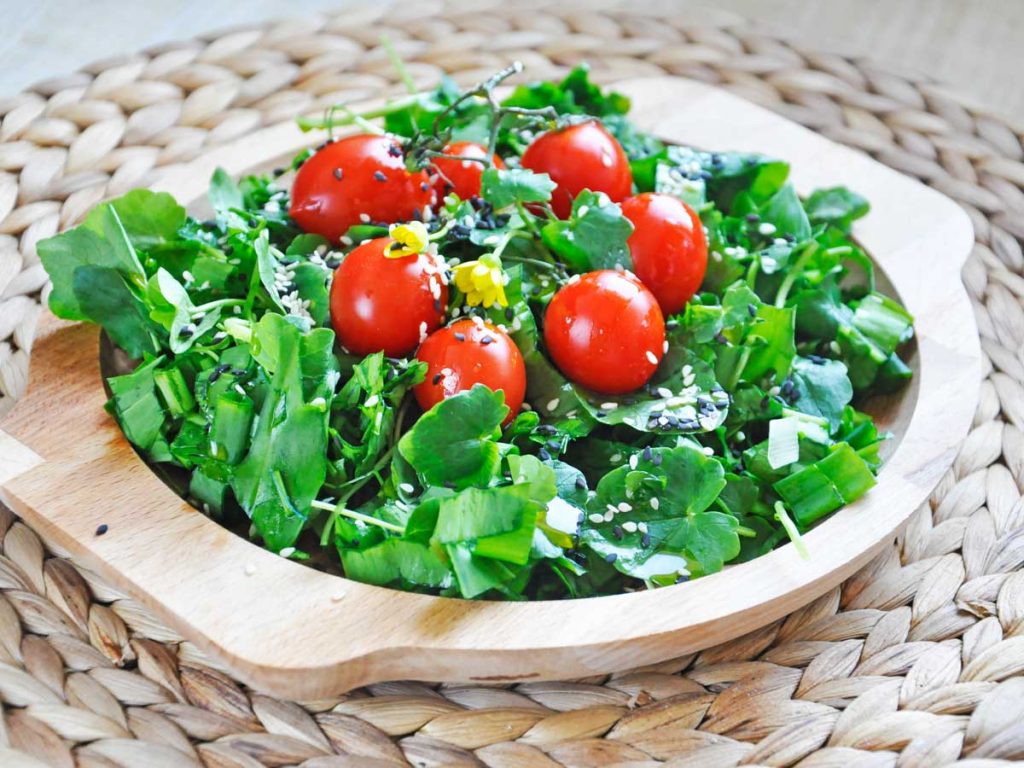
The Umami Factor Plants Need
Umami, the so-called fifth taste, is what makes food feel satisfying and complete. While meat and aged cheeses deliver it naturally, plant-based cooks have to get creative. Aged balsamic vinegar, with its slow fermentation and concentrated grape must, develops complex compounds that mimic that savory richness.
A teaspoon stirred into a tomato sauce, a lentil stew, or a mushroom ragout instantly rounds out the flavors. It’s the kind of trick professional chefs use without telling you and once you start, you’ll never look back.
How Balsamic Transforms Everyday Vegan Dishes
The beauty of balsamic is its versatility. Here are a few simple ways to put it to work in your kitchen:
- Roasted vegetables: Toss carrots, Brussels sprouts, or beets with olive oil and a splash of balsamic before roasting. The sugars caramelize into a glossy, golden crust.
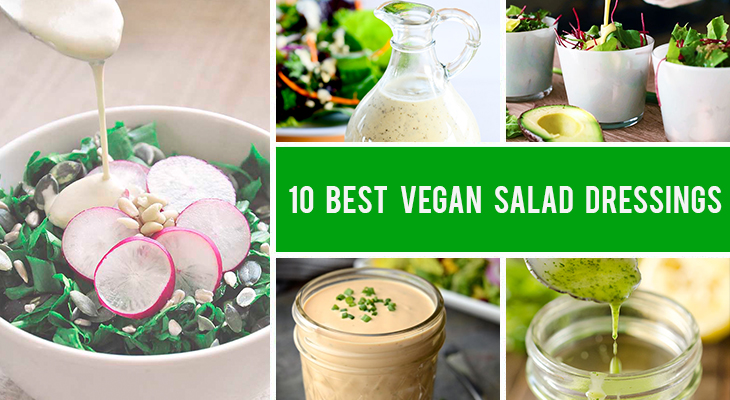
- Grain bowls and salads: Whisk it into a quick vinaigrette with Dijon, maple syrup, and good olive oil for a dressing that elevates the simplest greens.
- Tofu and tempeh marinades: Balsamic tenderizes and seasons at once, giving plant proteins a rich, slightly sweet glaze when cooked.
- Soups and stews: A small splash at the end brightens heavy, earthy flavors, especially in lentil or mushroom-based dishes.
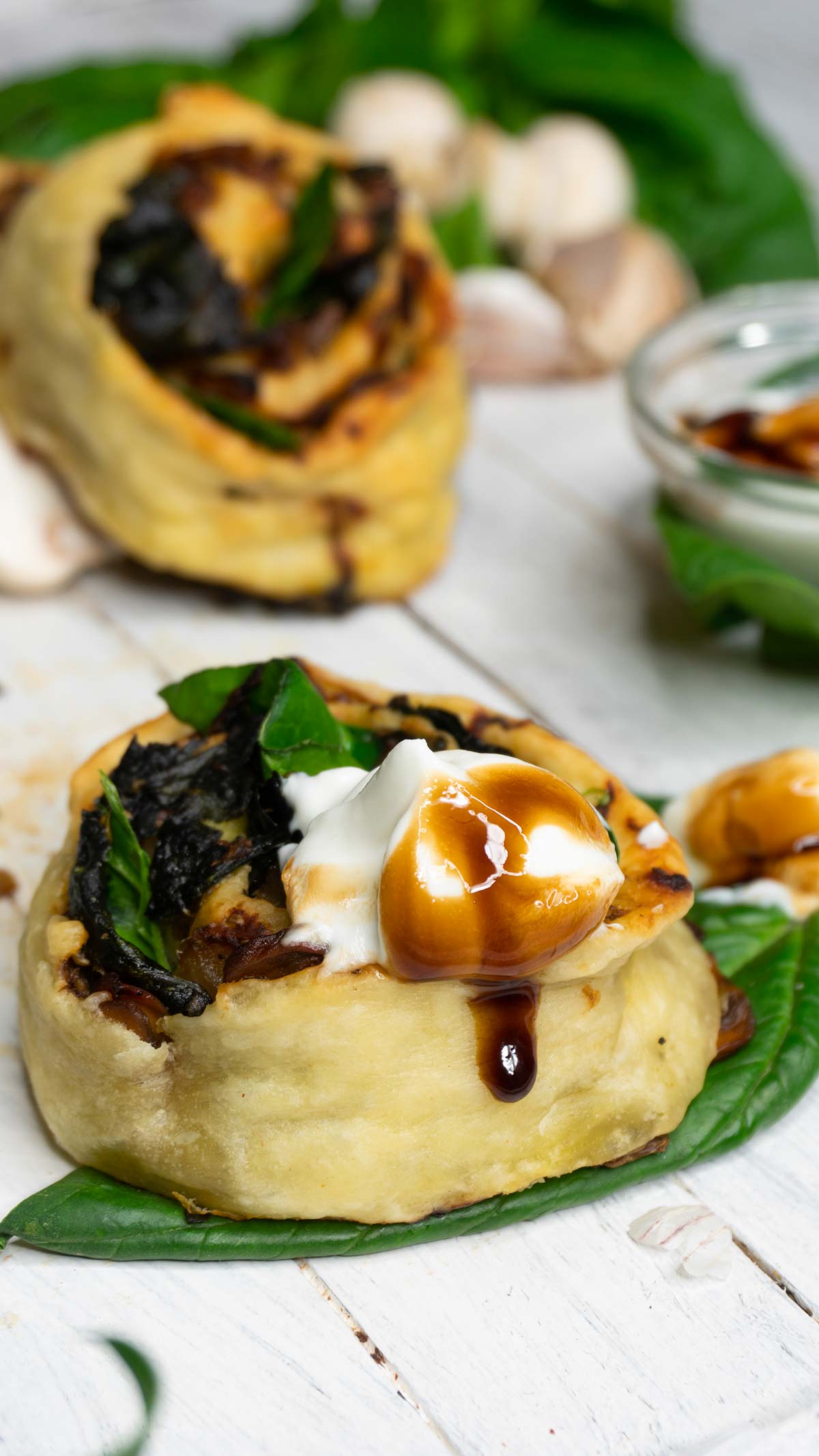
The Finishing Touch That Changes Everything
The most overlooked use is also the simplest: a final drizzle just before serving. Over creamy hummus, roasted squash soup, or a slice of avocado toast, a thin ribbon of aged balsamic adds visual drama and a complexity that store-bought sauces simply can’t match.
Sweet Meets Savory: Balsamic in Plant-Based Desserts
Yes, desserts. One of the most underrated tricks in modern vegan cooking is pairing balsamic vinegar with fruit. Try it drizzled over:
- Fresh strawberries with a crack of black pepper
- Grilled peaches or ripe figs
- Dark chocolate sorbet or coconut ice cream
The acidity cuts through sweetness while adding a sophisticated, almost wine-like finish. It’s a simple, elegant way to end a meal that feels far more special than the effort suggests.
Quality Makes All the Difference
Not all balsamic vinegars are created equal. Many supermarket bottles are little more than wine vinegar with caramel coloring and added sugar. Authentic Italian balsamic, made in Modena from cooked grape must and aged patiently in wooden barrels, has a syrupy texture, a deep mahogany color, and a flavor that is both sweet and tart.
When choosing a bottle, look for:
- A protected designation of origin (IGP or DOP)
- Density and viscosity — it should gently coat a spoon
- A short ingredient list, ideally just grape must and wine vinegar
Investing in a quality bottle pays off. A little goes a long way, and the difference in flavor is immediate and unmistakable.
A Pantry Essential for Every Plant-Based Cook
Once you start cooking with real balsamic vinegar, you’ll wonder how you ever managed without it. It’s the kind of ingredient that quietly does the heavy lifting — building flavor, balancing sweetness and acidity, and turning simple, seasonal produce into dishes worth sharing.
Keep a bottle within arm’s reach of your stove. Your vegan cooking will never taste the same again.
Not all balsamic vinegars are created equal. Many supermarket bottles are little more than wine vinegar with caramel coloring and added sugar. Authentic Italian balsamic, made in Modena from cooked grape must and aged patiently in wooden barrels, has a syrupy texture, a deep mahogany color, and a flavor that is both sweet and tart.
When choosing a bottle, look for:
- A protected designation of origin (IGP or DOP)
- Density and viscosity — it should gently coat a spoon
- A short ingredient list, ideally just grape must and wine vinegar
Investing in a quality bottle pays off. A little goes a long way, and the difference in flavor is immediate and unmistakable.
Once you start cooking with real balsamic vinegar, you’ll wonder how you ever managed without it. It’s the kind of ingredient that quietly does the heavy lifting, building flavor, balancing sweetness and acidity, and turning simple, seasonal produce into dishes worth sharing. Keep a bottle within arm’s reach of your stove. Your vegan cooking will never taste the same again.