French cuisine is defined by fresh, local ingredients and simple techniques like braising, sautéing and slow baking that layer flavor rather than mask it. This guide breaks down what makes French cooking special by region and by course, then hands you 22 of the most popular French recipes to cook yourself. From Burgundy’s beef bourguignon to Provence’s ratatouille and a glossy crème brûlée, the classics are all here. Pick your course and start cooking.
What Defines French Cuisine and How to Choose a Recipe
French cuisine is defined by fresh, local produce, plus butter, cheese, cream, good bread and wine, layered through techniques like braising, sautéing, poaching and flambéing rather than heavy spicing. The country cooks by region: delicate crepes and cider in Brittany, cabbage-and-sausage choucroute in Alsace, ratatouille and Niçoise flavors in Provence, and silky gratins in Dauphiné. To choose a recipe, start with the course you need. For a starter, reach for onion soup or a baguette apéritif; for a main, try bourguignon, cassoulet or a gratin; to finish, bake a tarte Tatin, a soufflé or crème brûlée.
Jump to a category
Mains and Regional Classics
These are the slow-cooked, region-defining dishes that made French cuisine famous, from Burgundy to Provence.
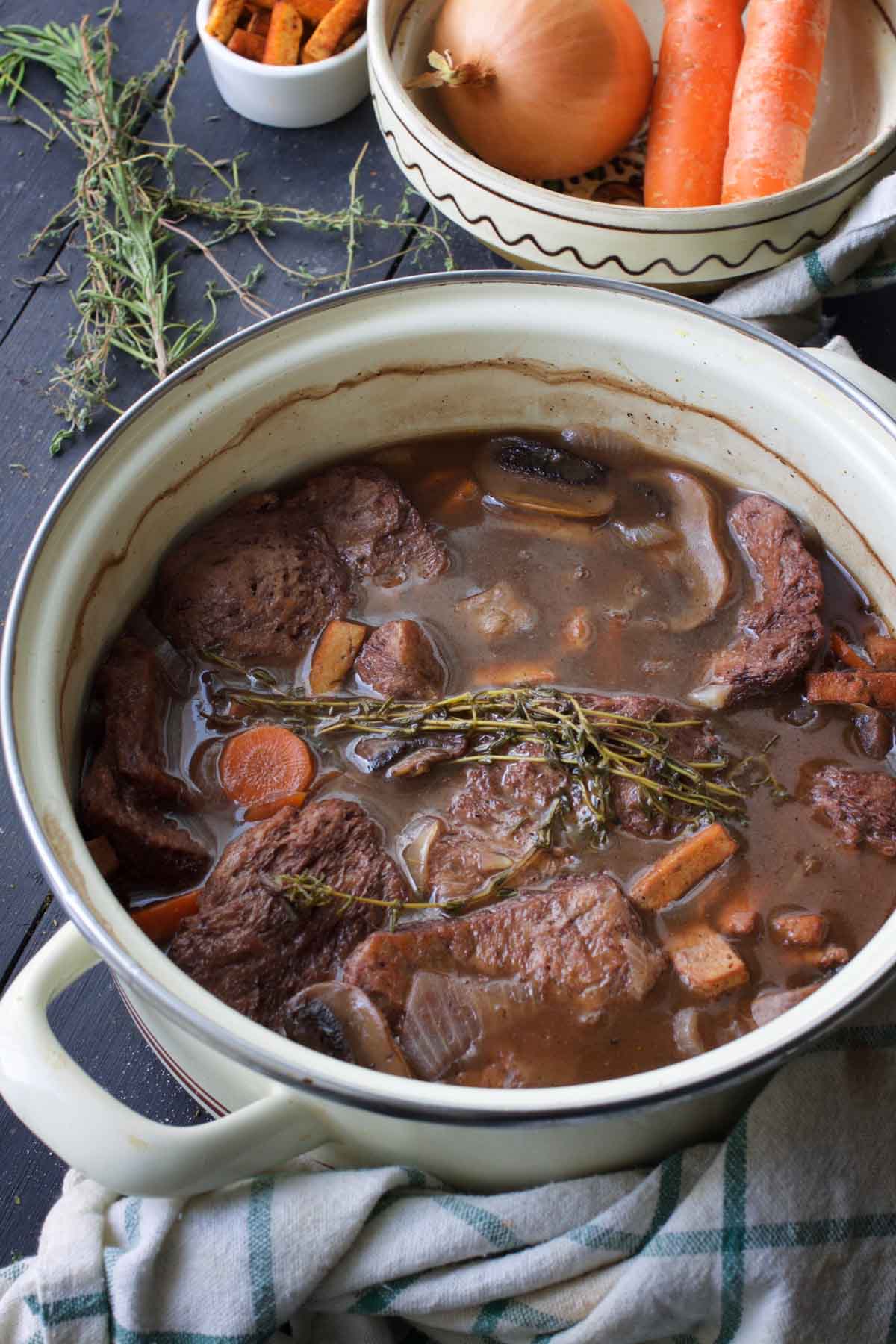
Beef Bourguignon
This Burgundy classic slow-simmers hearty mushrooms and vegetables in red wine until everything turns deep, glossy and rich. It is the plant-based answer to France’s most famous stew, built on the same wine-and-herb base that makes the original so beloved. Make it a day ahead: the flavor deepens overnight and reheats beautifully for guests.
Get the recipe
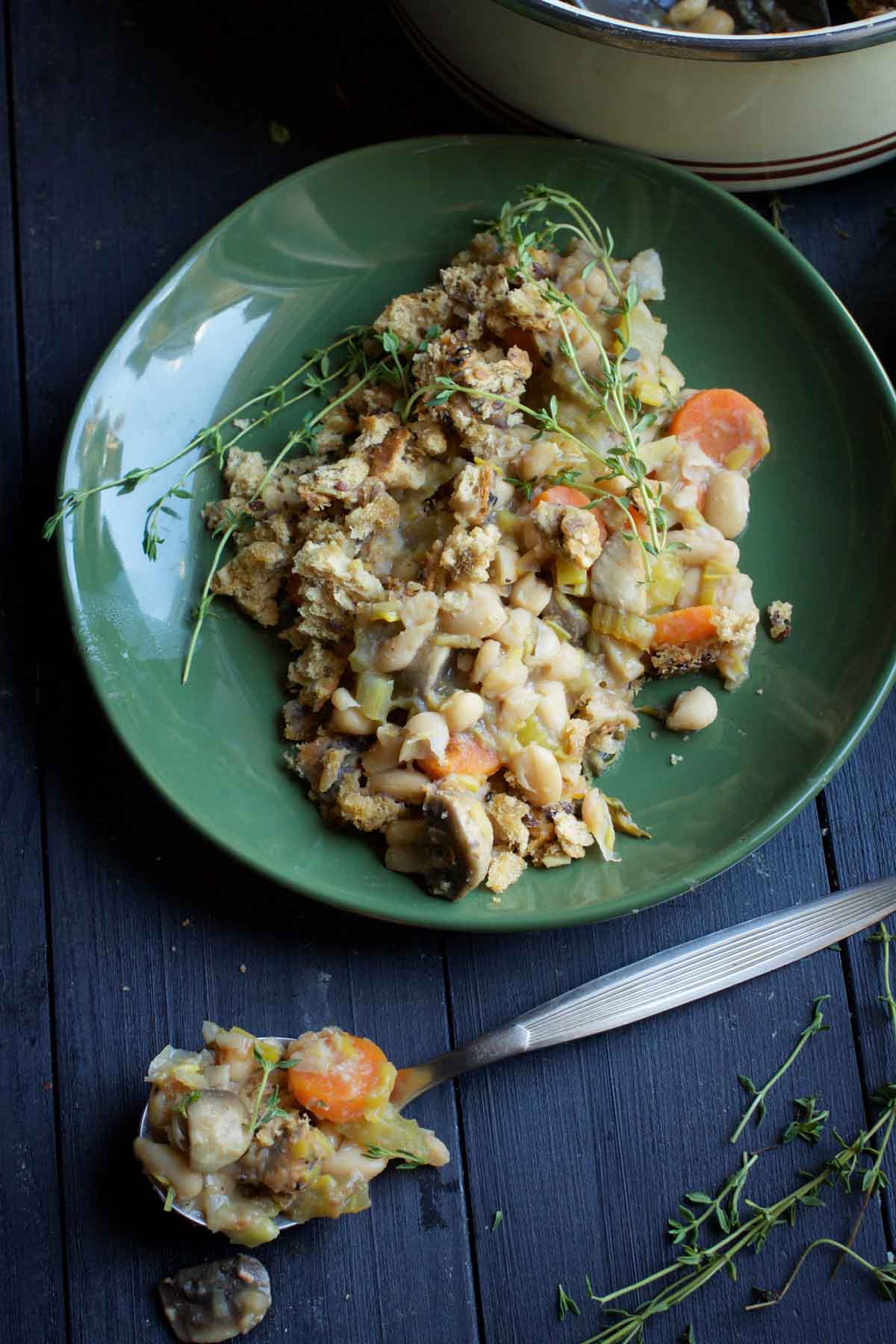
Vegetarian Cassoulet
Cassoulet is the soul food of southwest France, and this white bean casserole keeps all the slow-baked comfort without the meat. Creamy beans, aromatic vegetables and herbs bake under a golden crust that you break and stir back in for extra texture. For the best crust, uncover the dish for the last few minutes so the top crisps.
Get the recipe
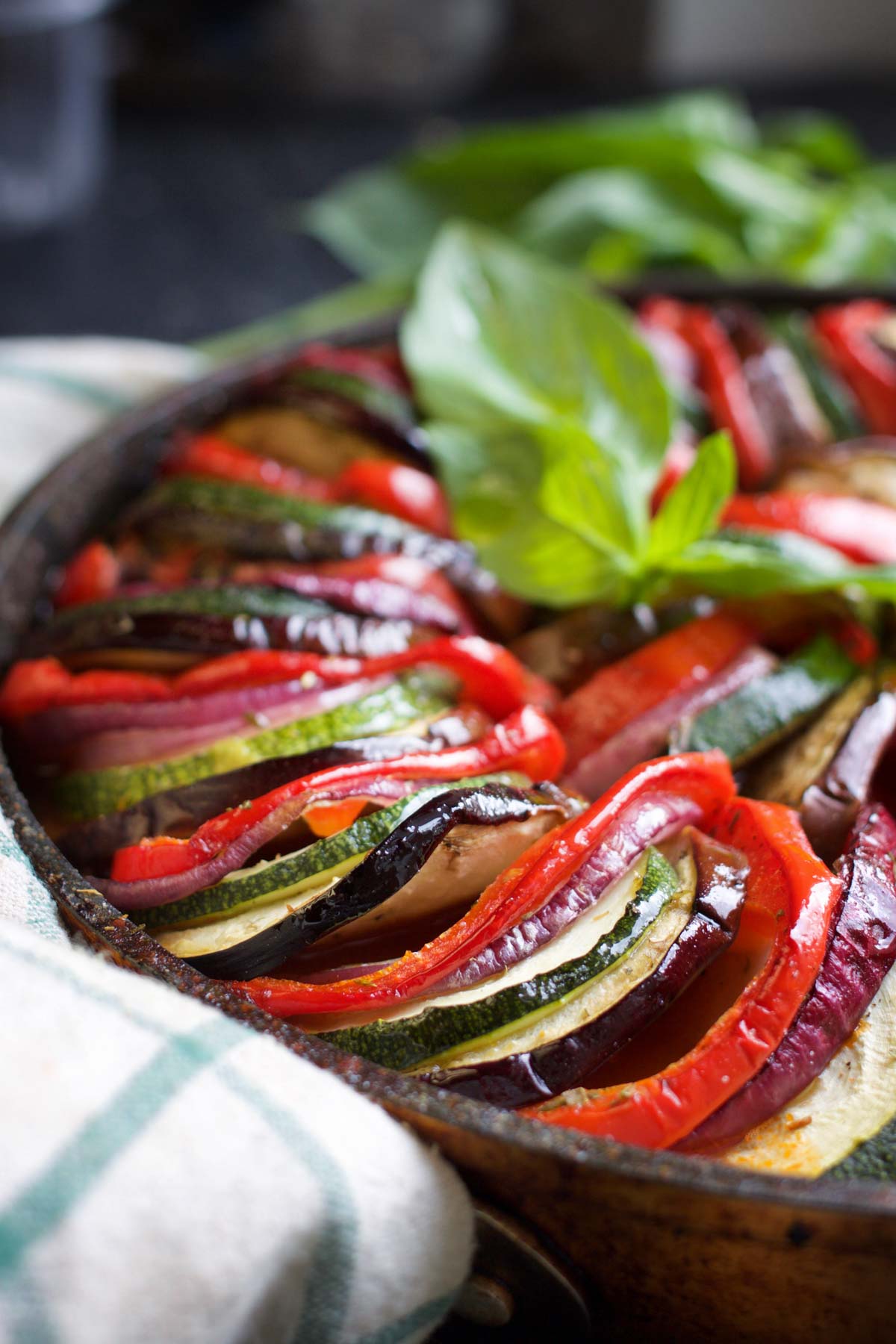
Ratatouille
Provence’s most iconic vegetable stew layers zucchini, eggplant, bell peppers and tomatoes into something far greater than its humble parts. Slow cooking coaxes out natural sweetness while the herbs perfume the whole pot. Serve it warm as a main over rice, or chilled the next day as a rustic side. Salt the eggplant first to draw out any bitterness before cooking.
Get the recipe
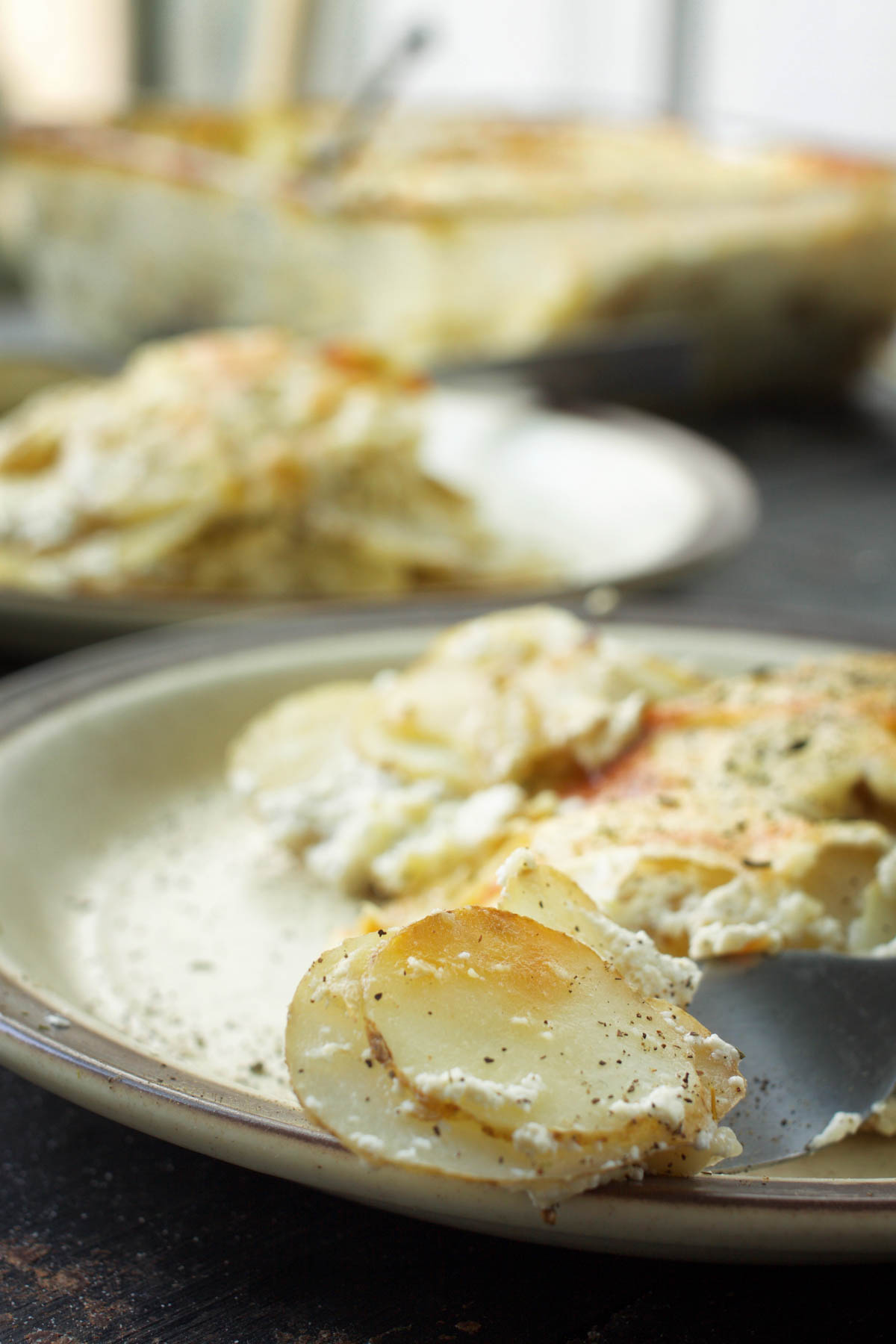
Scalloped Potatoes (Pommes Dauphinoise)
Pommes Dauphinoise is the ultimate French comfort side: thin potato slices baked in a silky, garlicky cream until meltingly tender and golden on top. This dairy-free version keeps every bit of that richness. Slice the potatoes as thinly and evenly as you can, a mandoline helps, so they cook through at the same rate.
Get the recipe
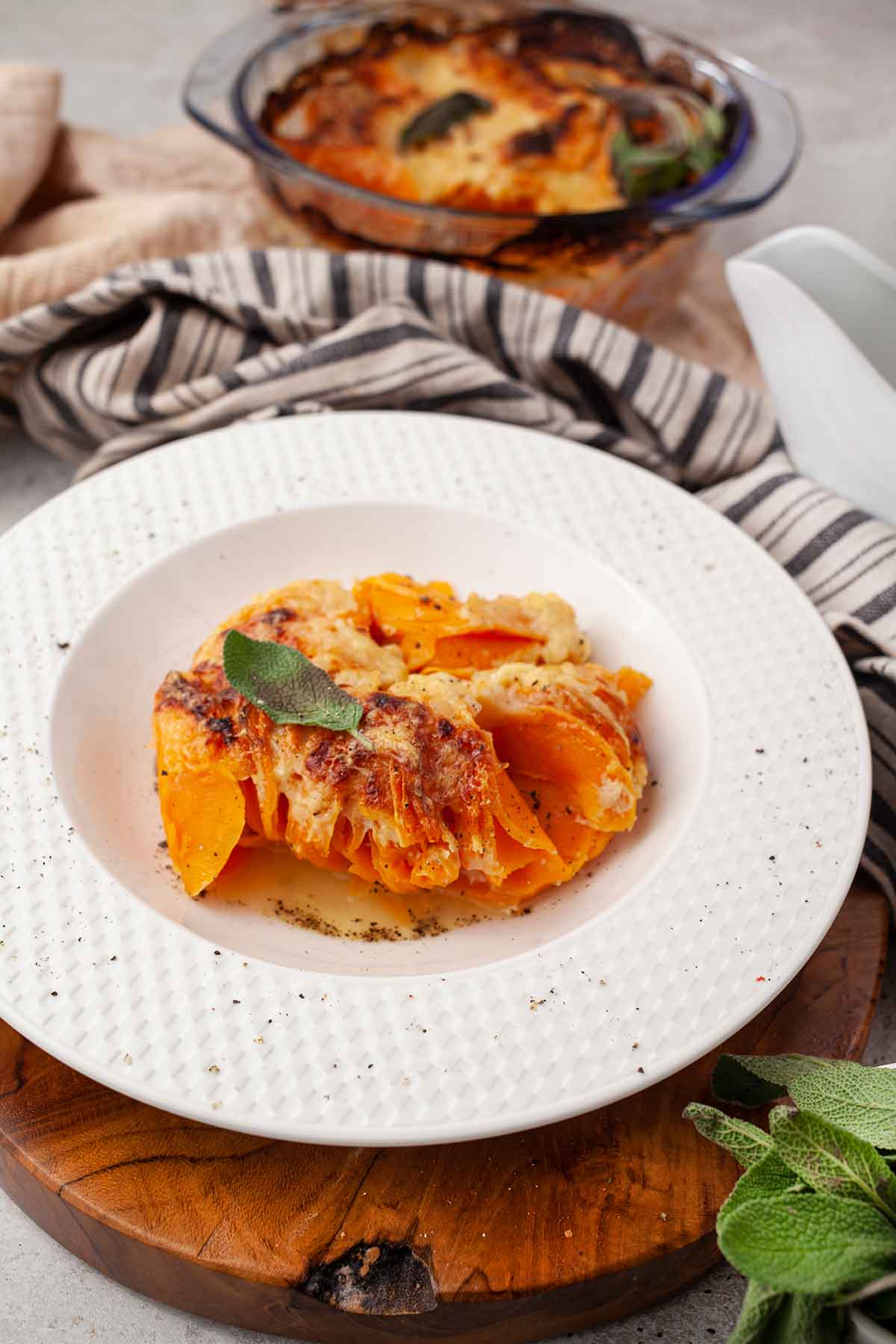
Sweet Potato Gratin with Gruyère
A French gratin gets a sweet, autumnal twist here, with tender sweet potato layered under nutty melted Gruyère. The cheese forms that irresistible bronzed crust while the cream keeps everything luscious underneath. Let the gratin rest for a few minutes after baking so the layers set and slice cleanly instead of sliding apart.
Get the recipe
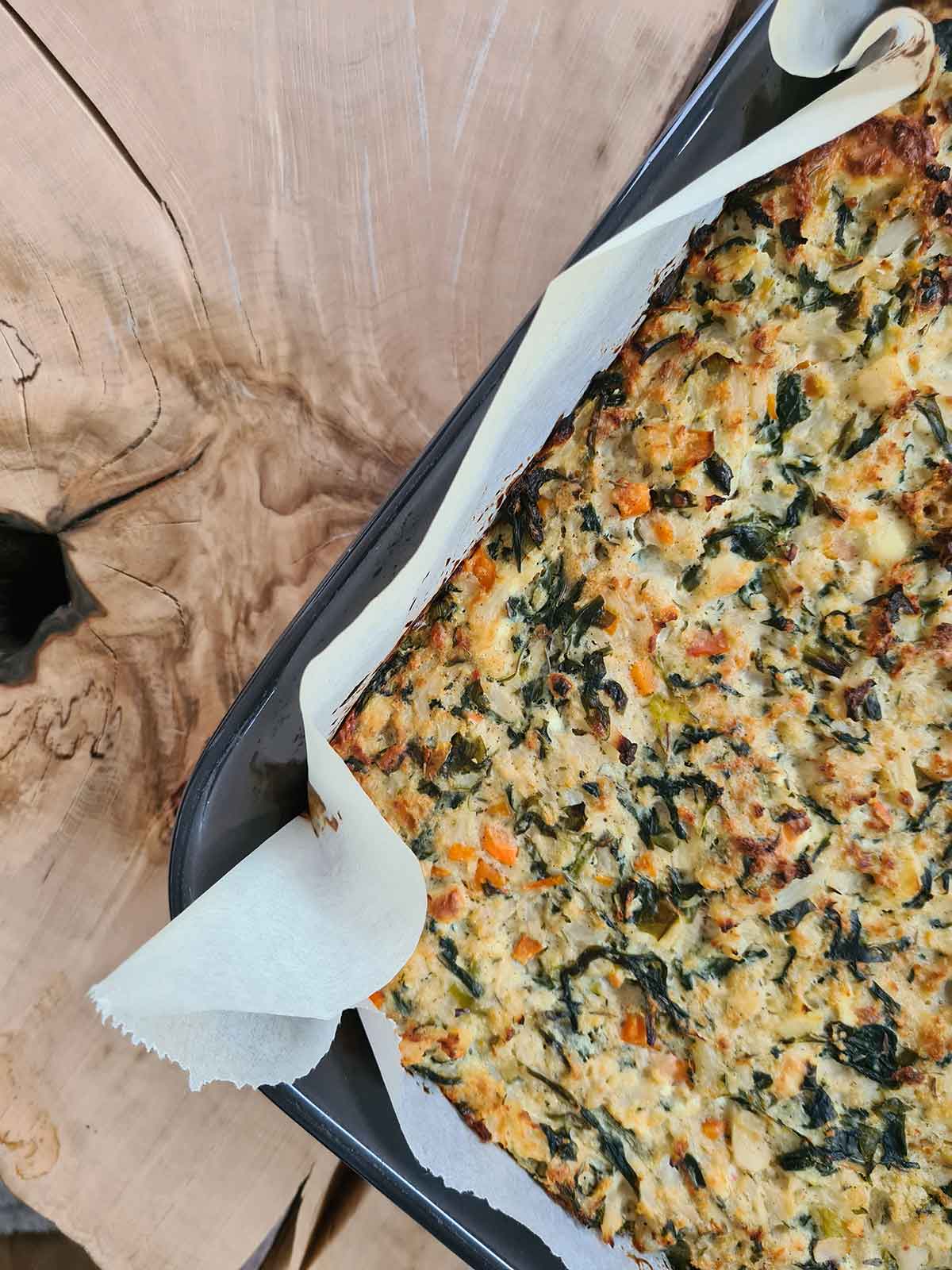
Spinach and Cauliflower Gratin
Cauliflower gratin is a French bistro staple, and folding in spinach adds color and extra greens to the creamy, cheesy bake. Tender florets sit under a blanket of white sauce that bubbles and browns in the oven. Blanch the cauliflower briefly before assembling so it finishes perfectly tender rather than firm in the center.
Get the recipe
Starters, Soups and Apéritifs
Begin the French way with a warming soup, a shareable dip and golden baguette bites.
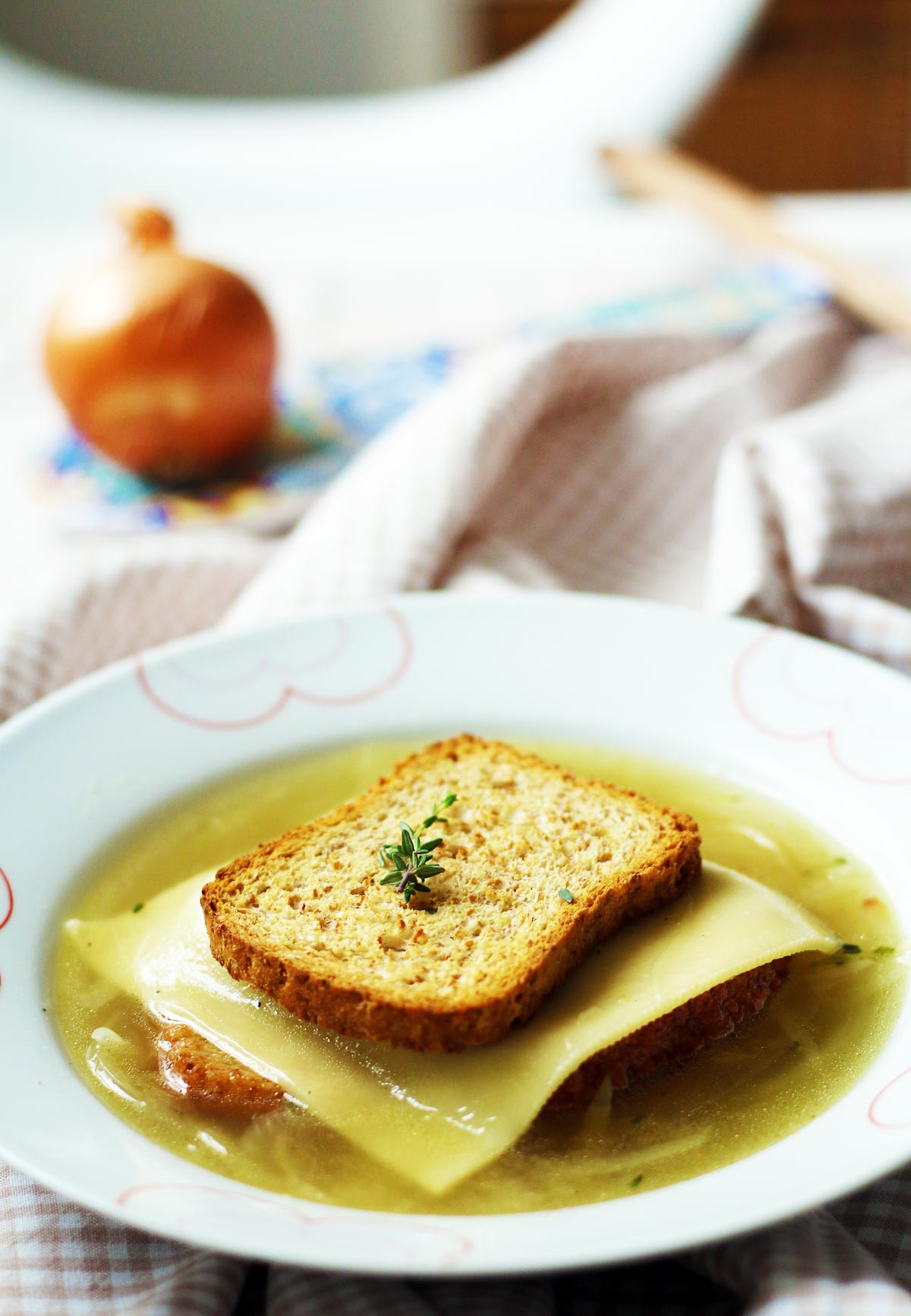
French Onion Soup
L’Oignon Gratinée is arguably France’s most beloved soup, and this version nails the deeply caramelized onions and savory broth that define it. Crowned with toasted bread and melted cheese, it delivers pure comfort in a bowl. Caramelize the onions low and slow, giving them plenty of time to turn jammy and sweet before you add the stock.
Get the recipe
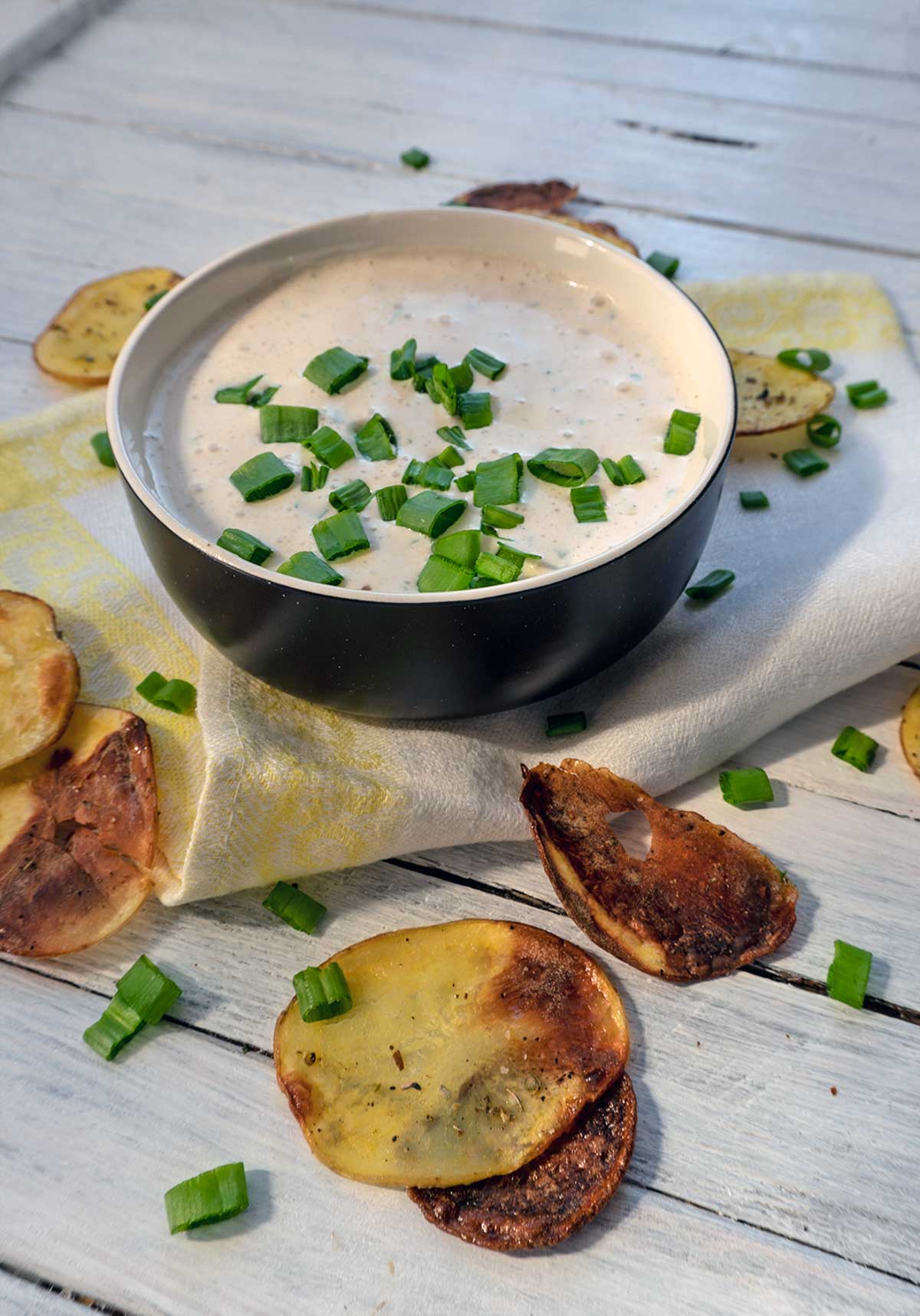
French Onion Dip
All the deep, caramelized onion flavor of the famous soup, reimagined as a creamy party dip. It comes together with sweet golden onions folded into a cool, tangy base that begs for crackers or crudités. Make it several hours ahead and chill, the resting time lets the onion flavor bloom throughout the dip.
Get the recipe
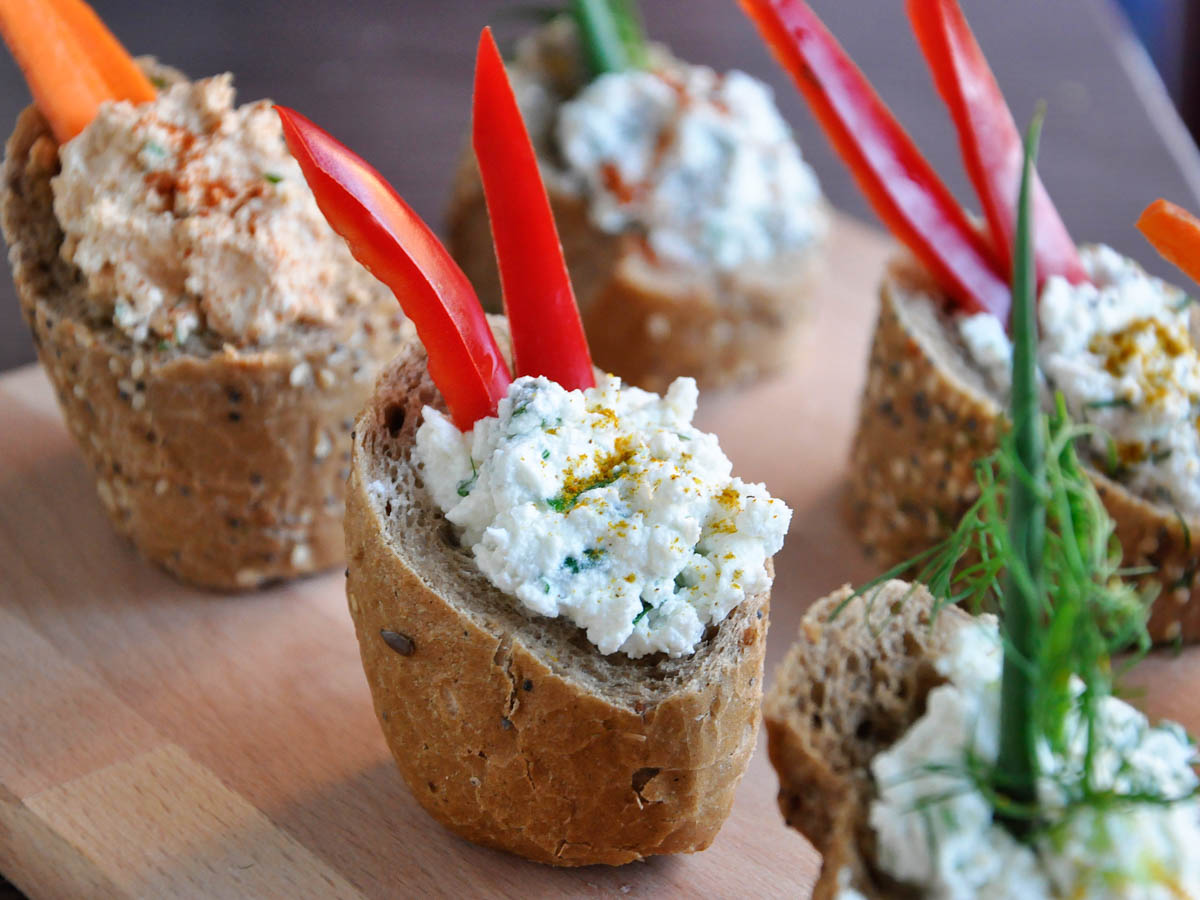
Cream Cheese Dip Baguette Cups
Crisp baguette cups cradle a smooth, herby cream cheese filling for an elegant French-style apéritif. The bread turns golden and crunchy while the center stays cool and creamy, a lovely one-bite contrast. Bake the baguette cups until fully crisp before filling so they hold their shape and never turn soggy under the dip.
Get the recipe
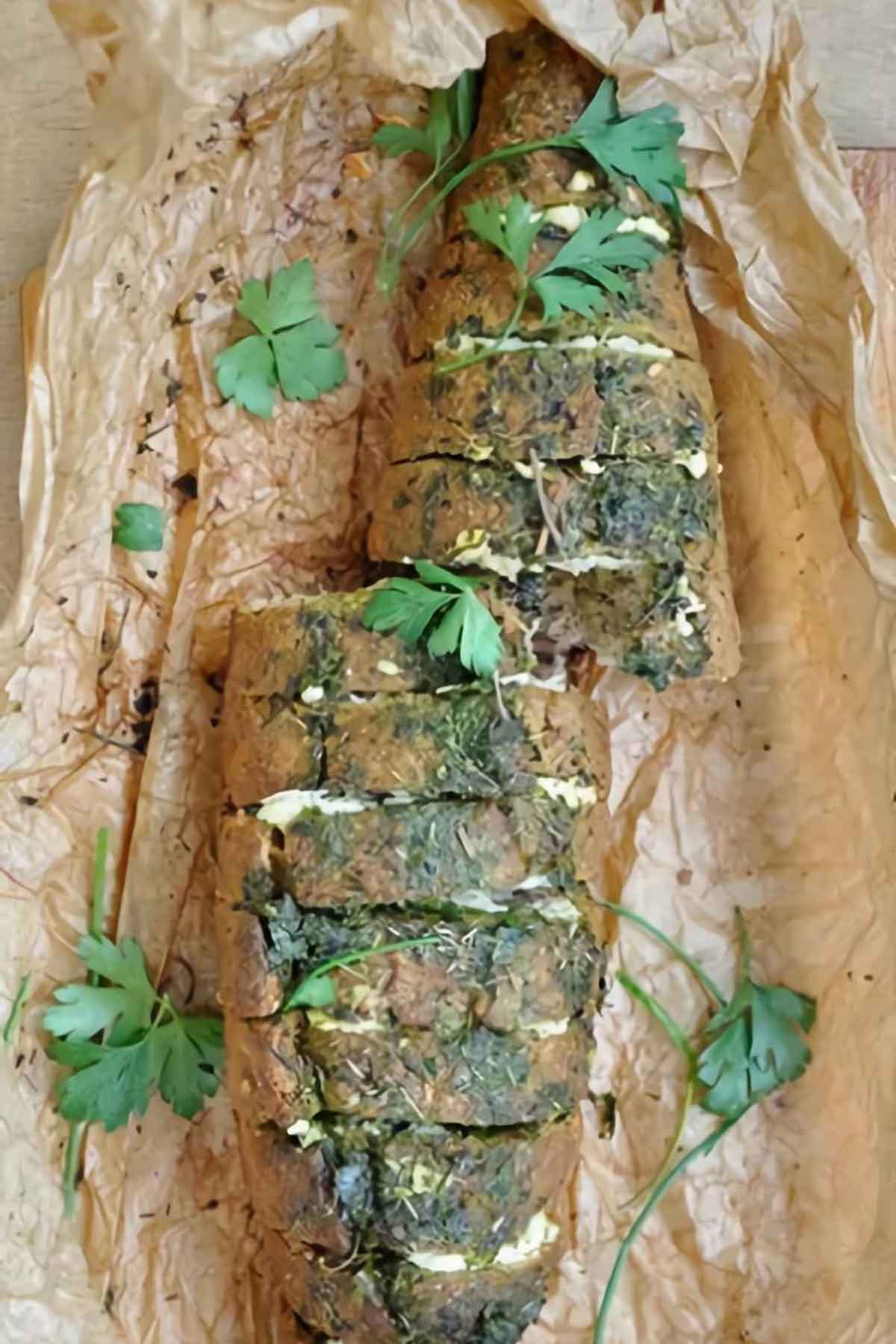
Cheesy Garlic Stuffed Baguette
The baguette is the heart of every French table, and here it is hollowed and stuffed with melty cheese, garlic and fresh herbs. Each slice pulls apart warm and gooey, perfect for sharing alongside soup or a glass of wine. Use a day-old baguette, the slightly firmer crumb holds the filling better than a fresh, soft loaf.
Get the recipe
Crepes, Quiches and Savory Tarts
Brunch and light meals shine in France through delicate crepes, custardy quiches and rustic tarts.
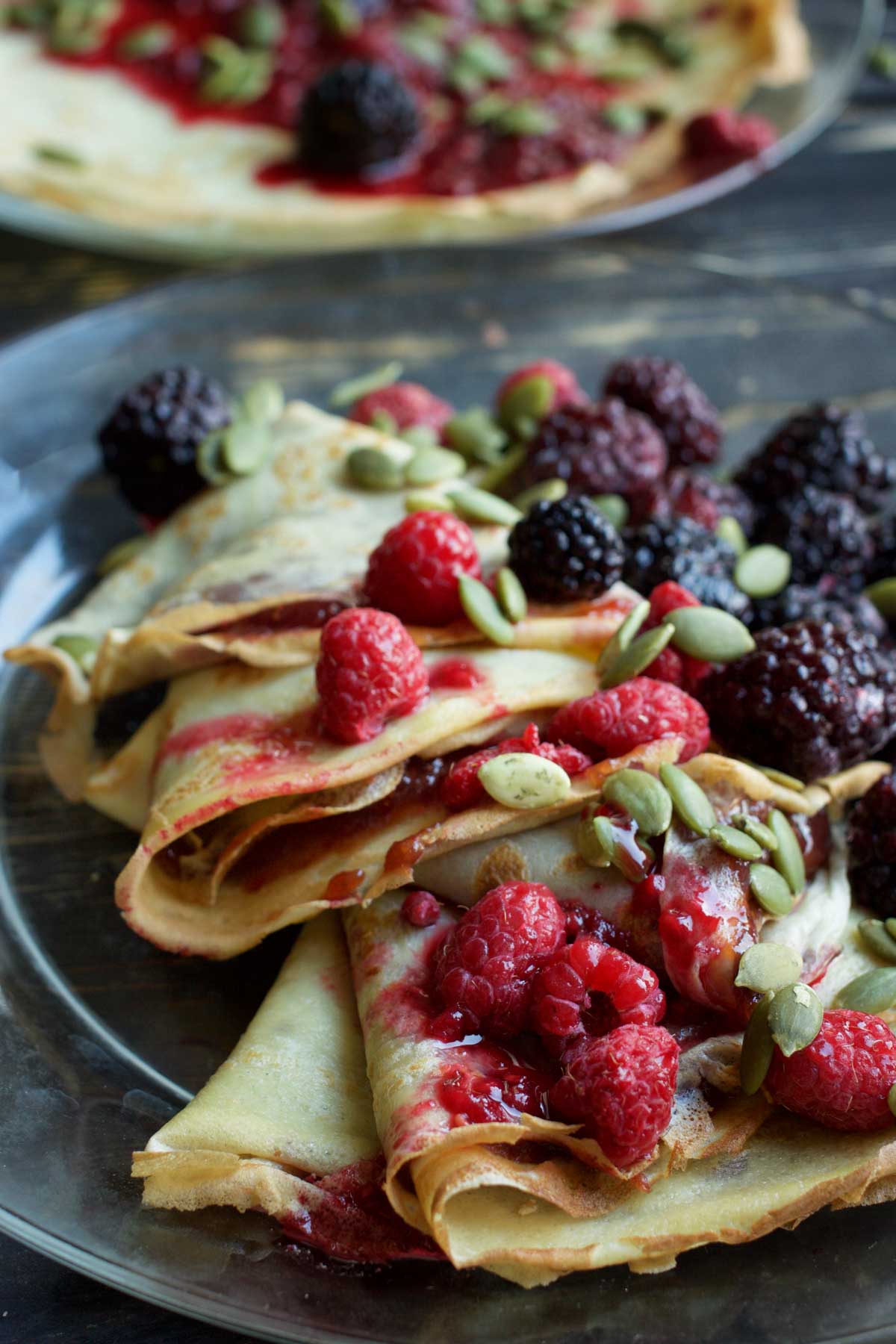
Crepes with Berries
Thin, lacy crepes are a French northwest specialty, and this sweet version wraps them around juicy fresh berries. The batter cooks up delicate and foldable, ready for jam, fruit or a simple dusting of sugar. Let the batter rest before cooking so the flour hydrates fully and your crepes turn out tender, not rubbery.
Get the recipe
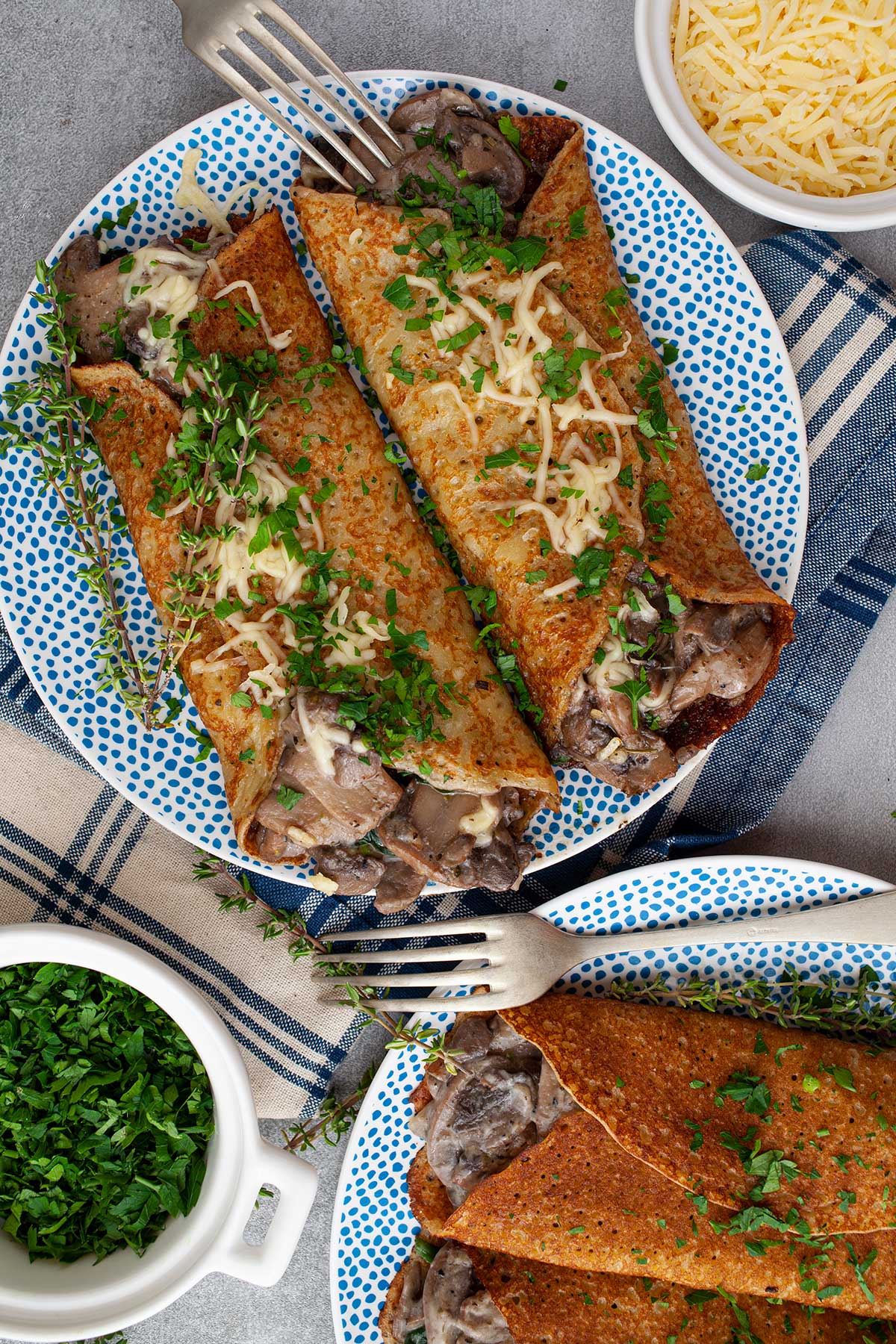
Mushroom Crepes
Savory crepes echo the Breton galette tradition, and these are filled with earthy, golden-sautéed mushrooms. Rolled or folded around the warm filling, they work equally well for a leisurely brunch or a light supper. Cook the mushrooms in a hot, dry pan first to drive off moisture before seasoning, which keeps the filling rich rather than watery.
Get the recipe
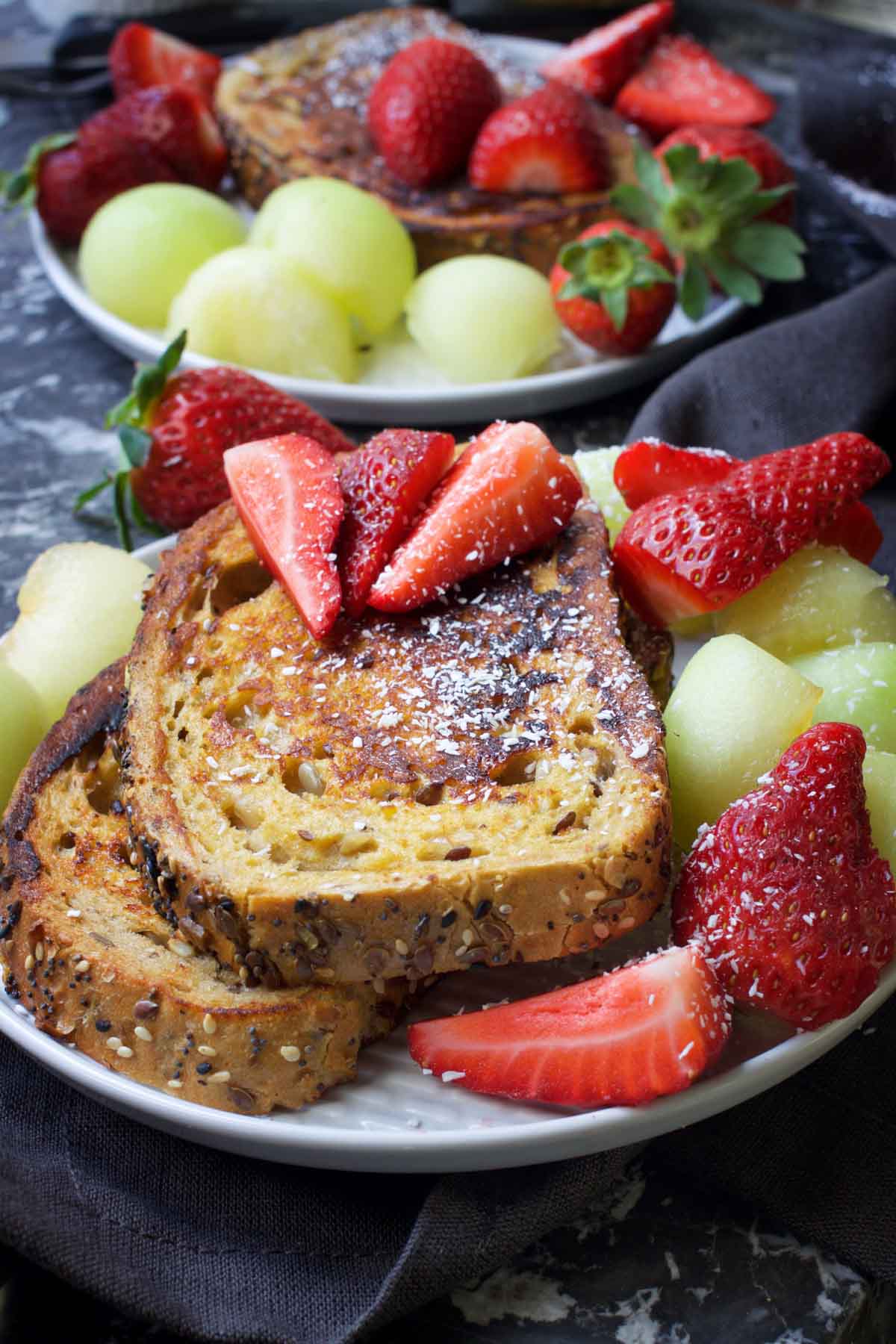
French Toast
Pain perdu, or French toast, rescues yesterday’s bread by soaking it in a sweet, custardy batter and pan-frying until golden. This eggless version is just as rich and caramelized at the edges. Choose thick, slightly stale slices, they soak up the custard without falling apart and crisp beautifully in the pan.
Get the recipe
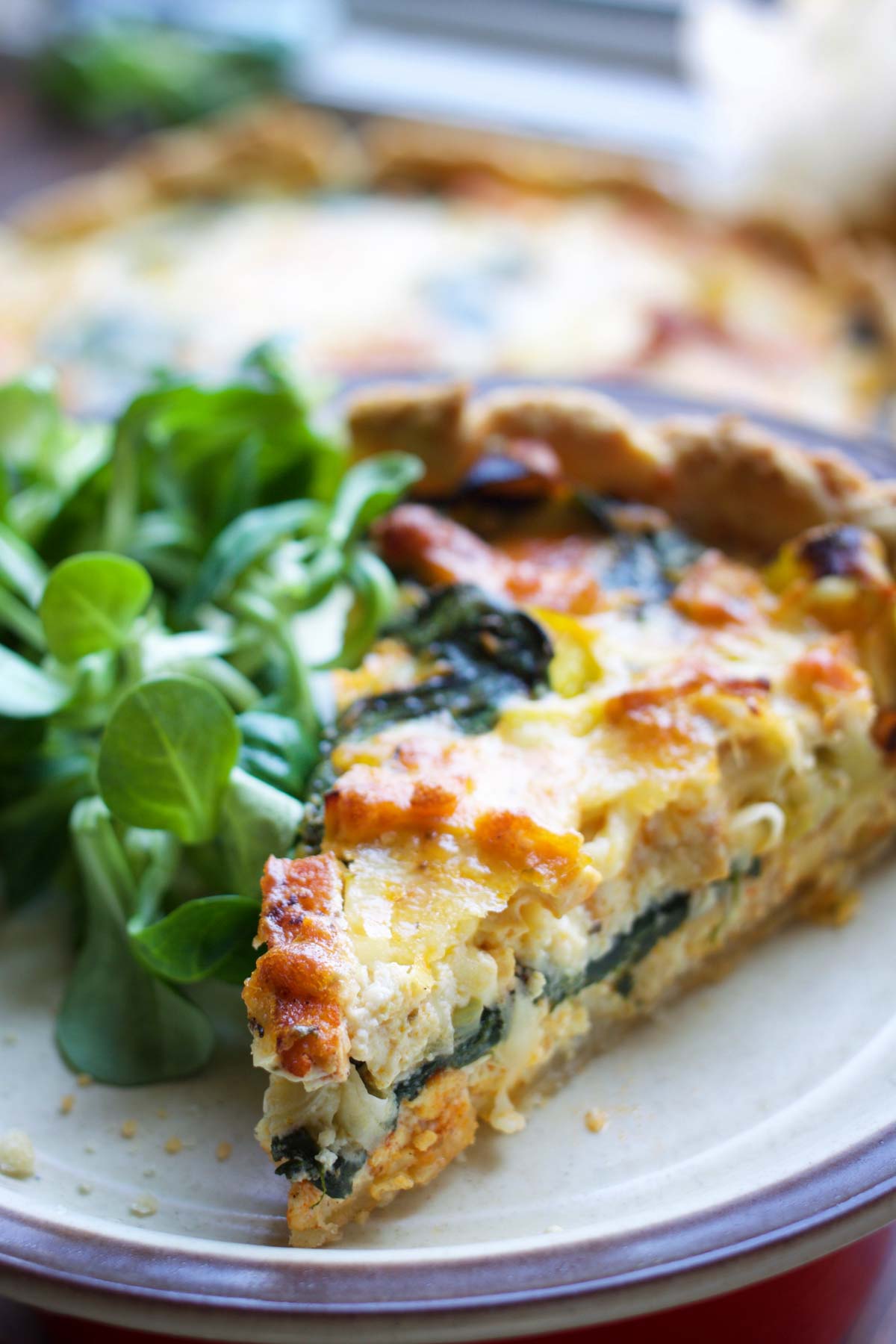
Quiche Lorraine
Quiche Lorraine hails from the Lorraine region and is perhaps France’s most famous savory tart. This plant-based take keeps the silky, smoky custard set inside a buttery crust for a true bistro feel. Blind-bake the crust before adding the filling so the base stays crisp and never turns soggy underneath.
Get the recipe
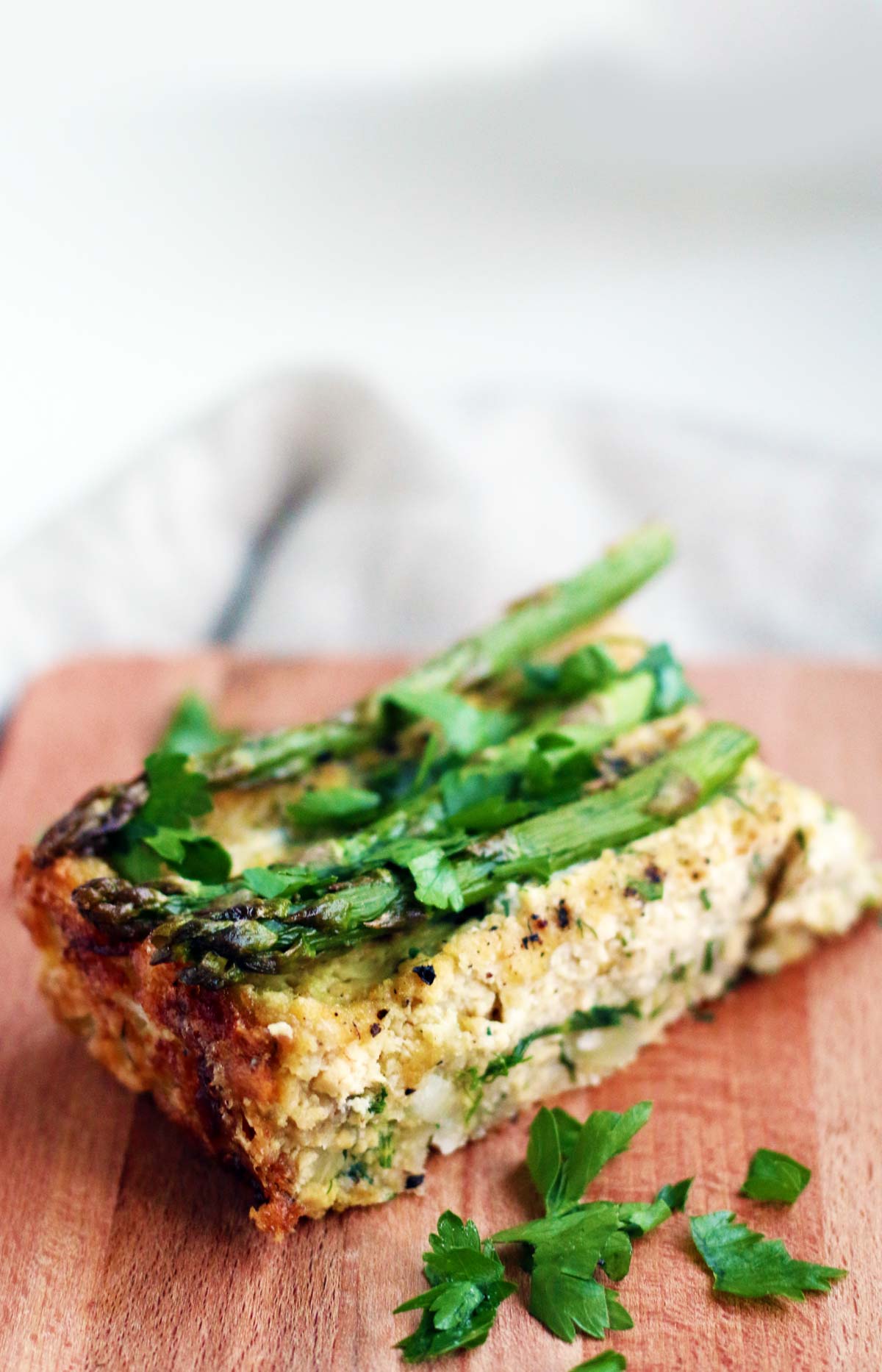
Crustless Asparagus Quiche
Skip the pastry entirely with this easy crustless quiche that spotlights tender spring asparagus. It is a lighter, mix-and-bake take on the French classic, ready with far less fuss and a soft, savory set. Trim the woody asparagus ends and cut the spears short so every forkful holds a piece of the vegetable.
Get the recipe
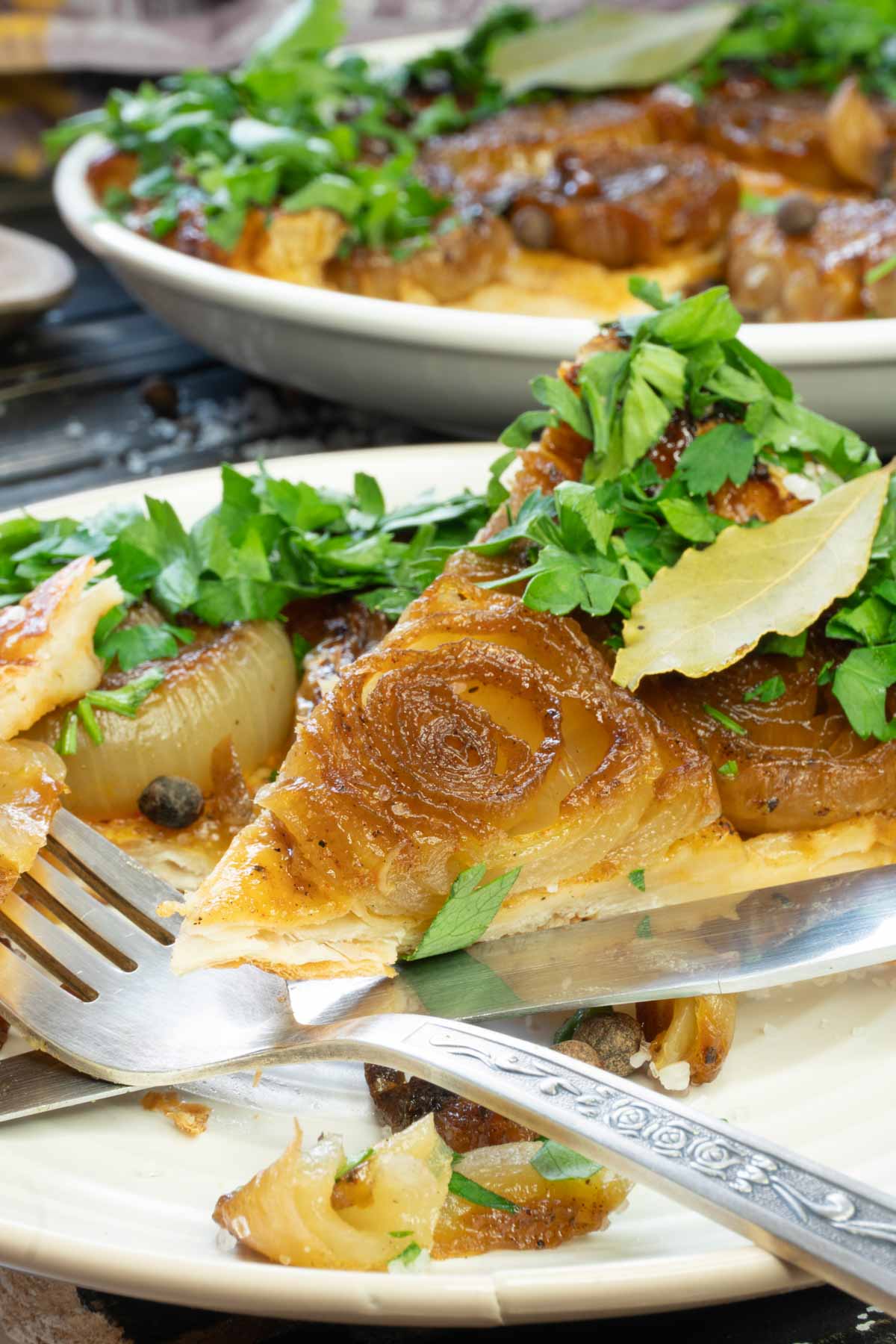
Onion Tart
Sweet, slow-cooked onions pile into a savory tart much like an Alsatian tarte à l’oignon. The onions turn jammy and golden against a crisp pastry base, rich enough for a light main or a generous starter. Cook the onions down patiently until deeply soft, rushing this step leaves them sharp instead of sweet.
Get the recipe
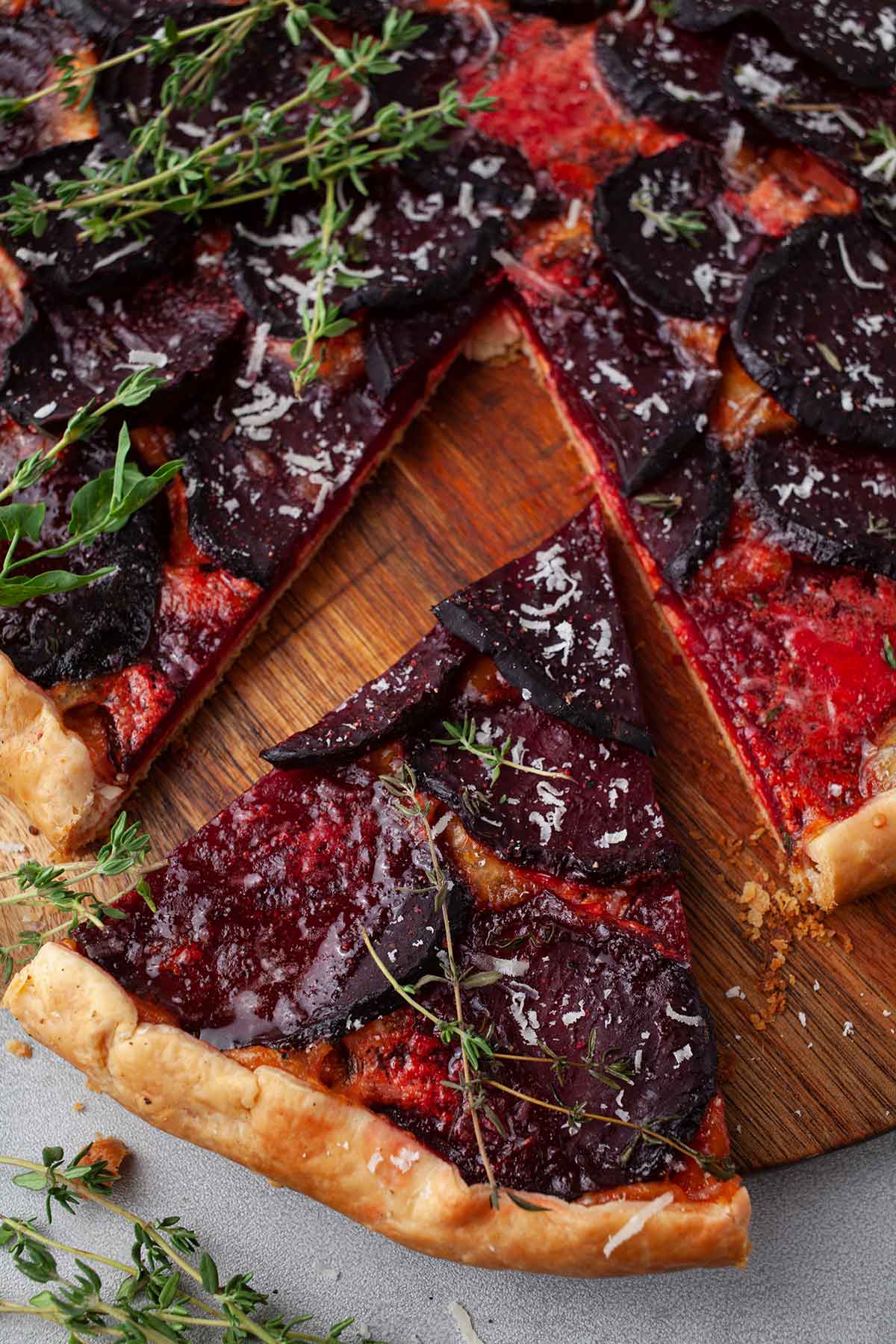
Beetroot Galette
The rustic French galette needs no tart tin, just pastry folded loosely around a filling. Here jewel-toned beetroot roasts into earthy sweetness inside a free-form, golden crust. Roll the pastry out on parchment and slide the whole galette onto the baking sheet with it, so the folded edges keep their shape.
Get the recipe
French Desserts and Pâtisserie
End on a sweet note with the caramel, custard and chocolate classics of the French dessert table.
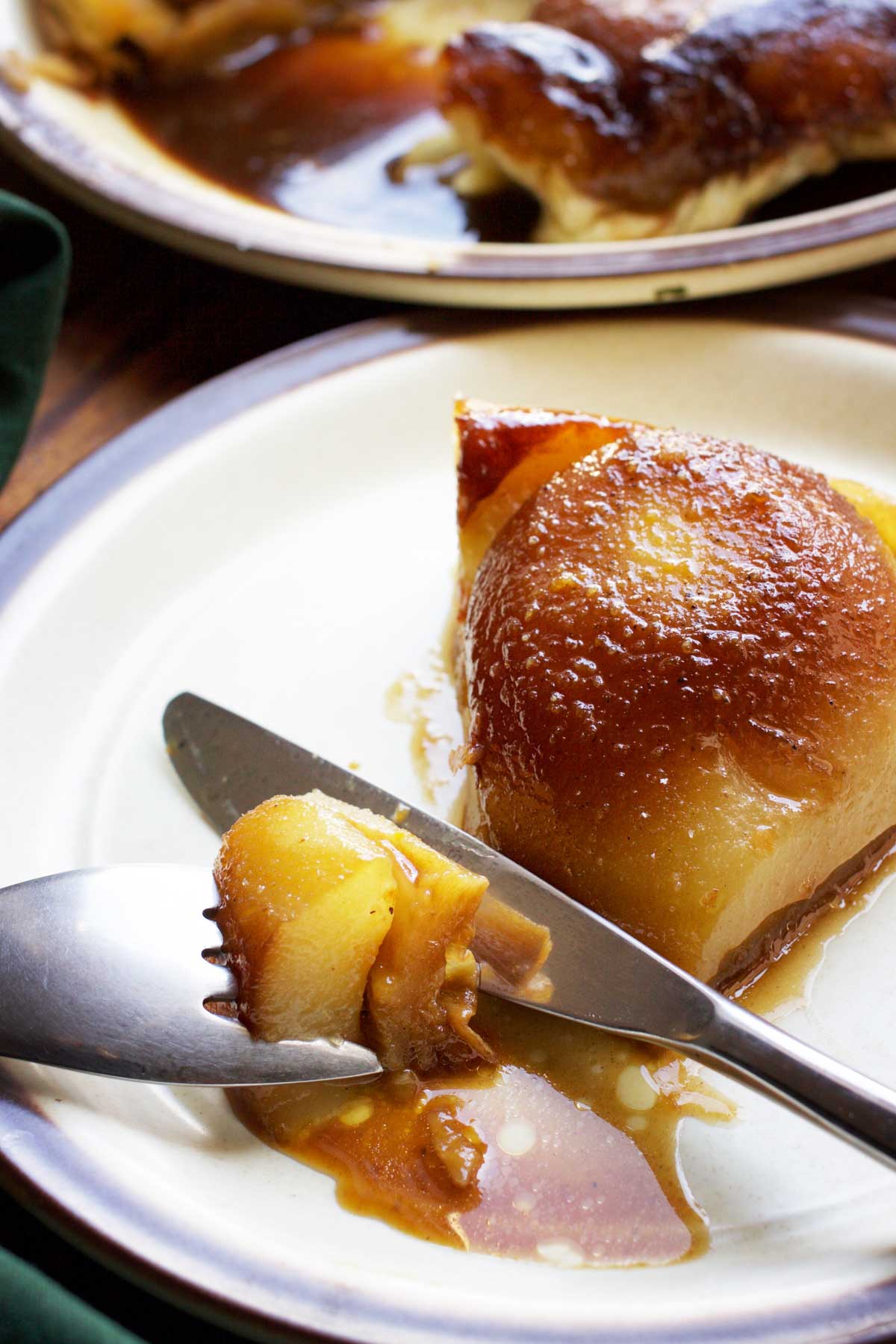
Pear Tarte Tatin
Tarte Tatin is the celebrated upside-down French caramel tart, and pears make an elegant swap for the traditional apples. The fruit caramelizes beneath the pastry, then flips to reveal a glossy, burnished top. Let the tart cool just briefly before inverting, long enough to settle but still warm so the caramel releases cleanly.
Get the recipe
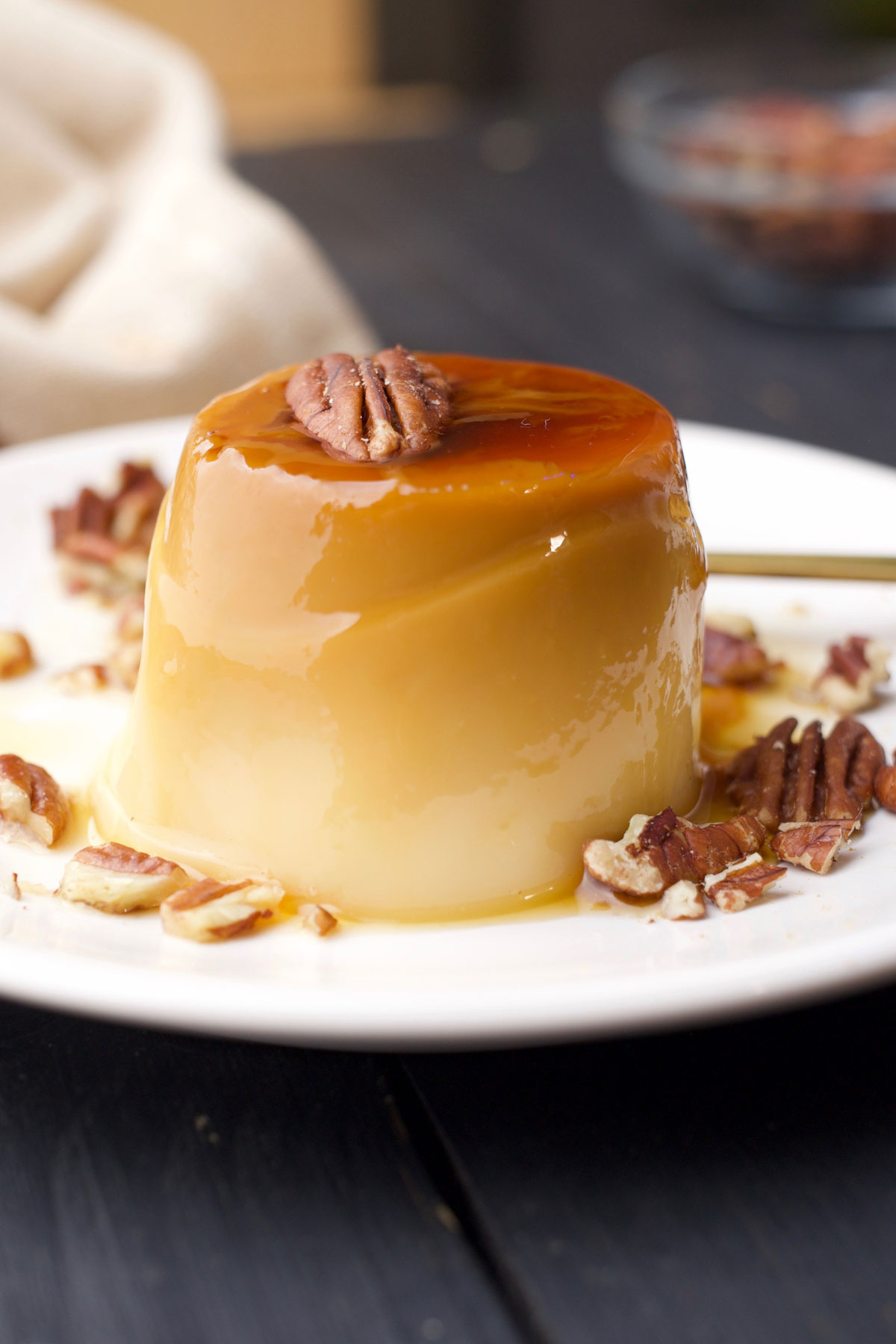
Crème Brûlée
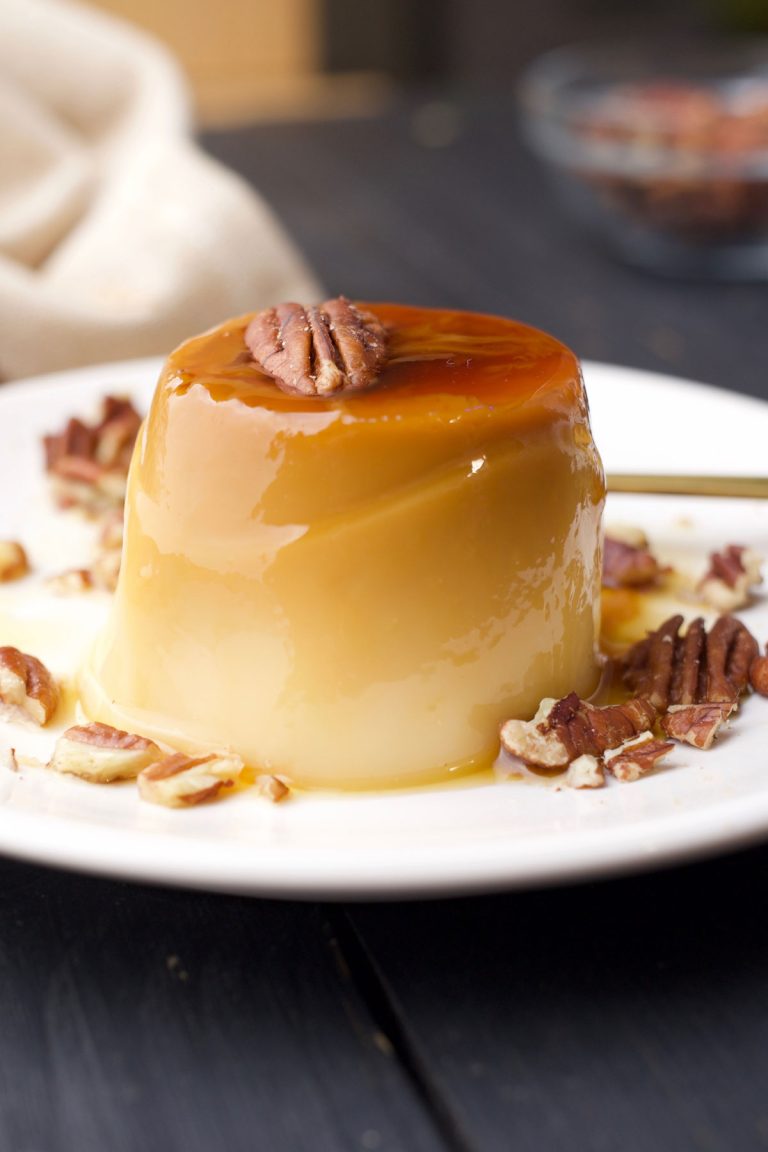
Crème Brûlée is the quintessential French dessert, all silky custard beneath a shattering caramelized sugar crust. This dairy-free version keeps the luxurious texture and the theatrical crack of the top. Chill the custards fully before torching the sugar, a cold base keeps the crust crisp against the cool cream below.
Get the recipe
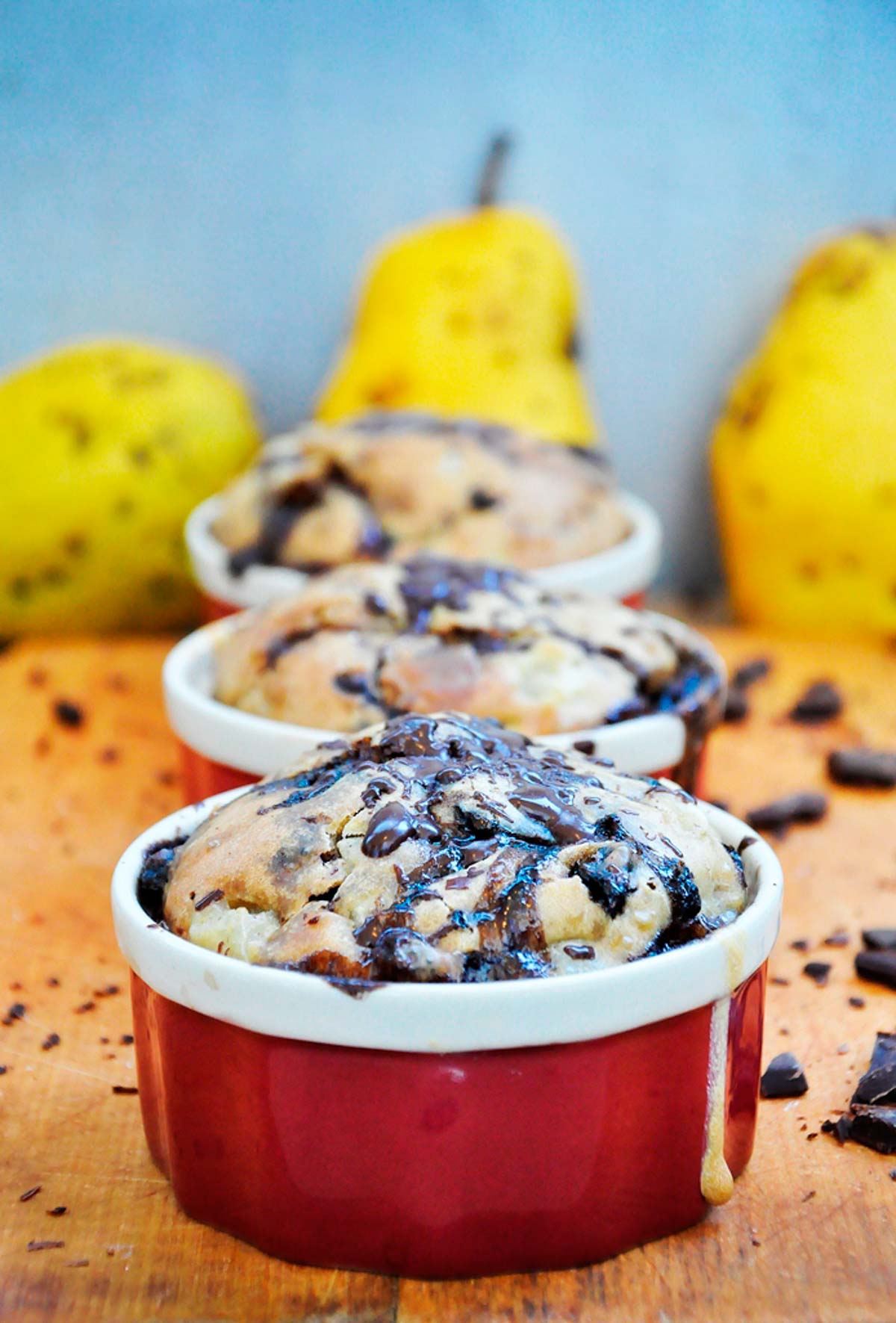
Dark Chocolate and Pear Soufflé
The soufflé, named for the French word for breath, is the ultimate showstopper, and this one pairs airy dark chocolate with soft pear. It rises tall and cloud-light straight from the oven. Serve it the moment it comes out, soufflés begin to deflate quickly, so have everyone seated and waiting at the table.
Get the recipe
French Silk Pie
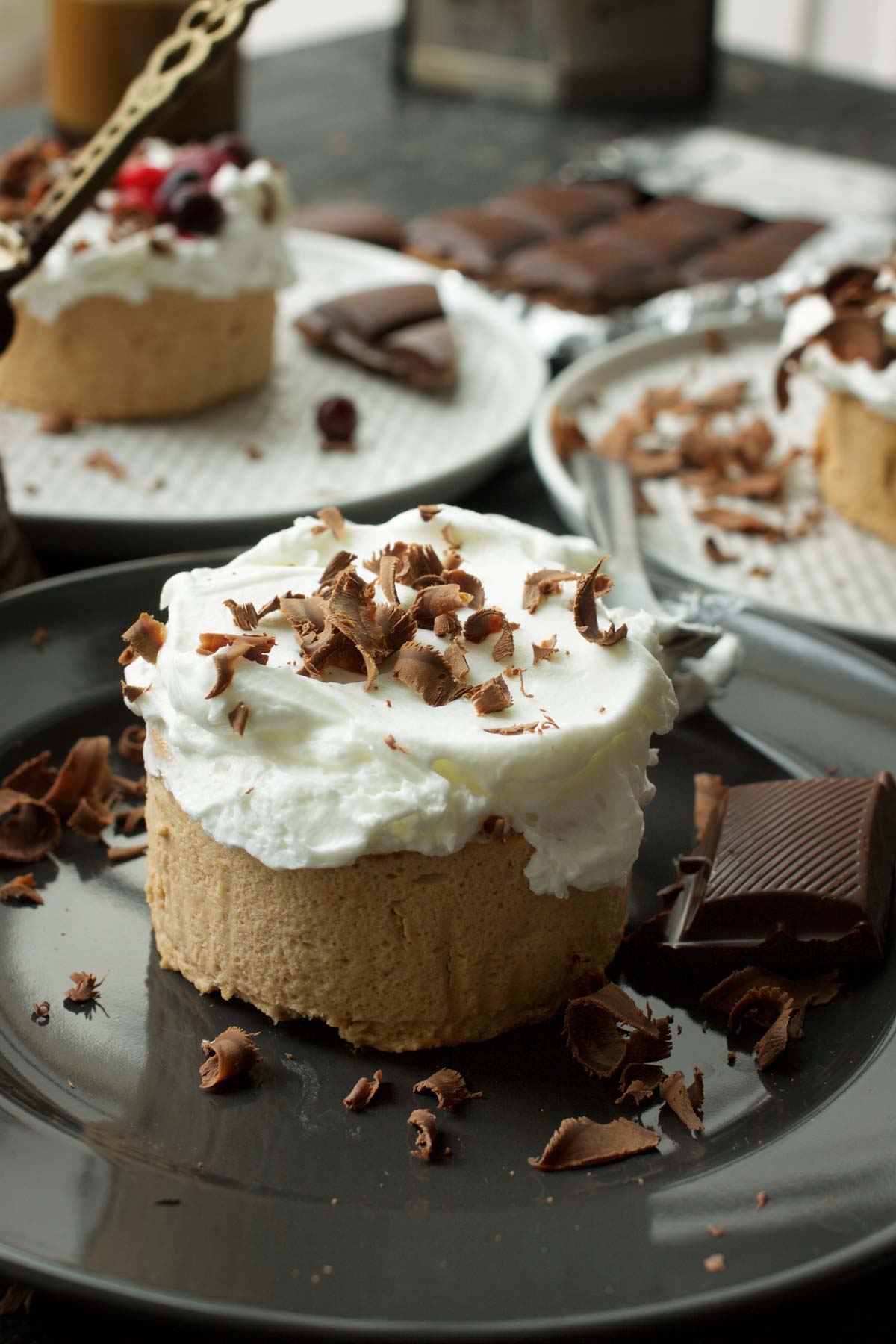
French Silk Pie delivers an impossibly smooth, mousse-like chocolate filling piled into a crisp crust. Cool, rich and airy, it is the kind of make-ahead dessert that quietly steals the show. Prepare it a day early and keep it chilled, the filling firms up perfectly and slices into clean wedges.
Get the recipe
Fruit Tart
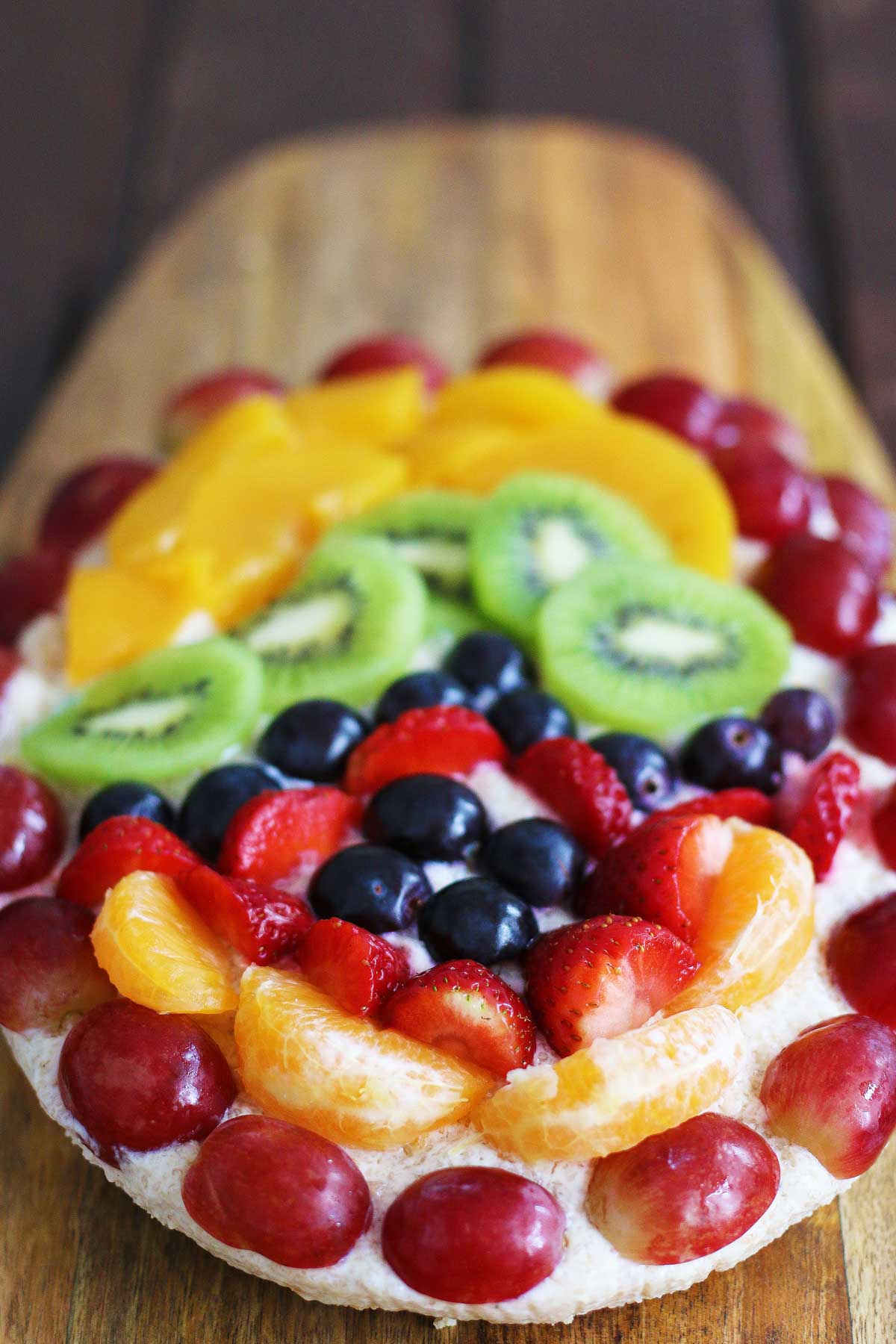
The classic French fruit tart layers a crisp shell, smooth cream and glossy fresh fruit into a pâtissier’s centerpiece. This no-bake version keeps things simple while still looking bakery-worthy. Add the fresh fruit just before serving so it stays bright and the crust underneath stays crisp rather than damp.
Get the recipe
Frequently Asked Questions
What are the most popular French dishes? Some of the most iconic French dishes include French onion soup, beef bourguignon, ratatouille, cassoulet, quiche Lorraine, crepes, tarte Tatin and crème brûlée. They span every course, from starters and mains through bread and dessert, and many adapt beautifully to vegetarian or vegan cooking.
What are the main ingredients in French cooking? French cooking leans on fresh, local produce, plus butter, cheese, cream, good bread and wine. Herbs and aromatics like tarragon, leeks, shallots and mustard add depth, while a finishing salt such as fleur de sel lifts the taste. Dishes rely on combining complementary flavors rather than heavy spicing.
What are the classic French cooking techniques? Signature French techniques include braising tough ingredients slowly in liquid, sautéing over high heat, poaching gently in water, and flambéing with alcohol to build flavor. Grilling, broiling and slow gratin baking are common too. These methods layer flavor while preserving the natural taste and texture of each ingredient.
What does a typical French meal look like? A classic French meal is served in three courses: a starter, often a soup or salad, a main dish that varies by region, and dessert, frequently cheese, fruit or a pastry. Meals are eaten slowly and treated as an occasion to savor with good company.
Can French recipes be made vegetarian or vegan? Yes. Many French classics adapt well to plant-based cooking. Ratatouille and gratins are naturally vegetable-forward, while dishes like bourguignon, quiche Lorraine and crème brûlée can be recreated without meat, eggs or dairy using mushrooms, plant creams and dairy-free cheeses.
What is the difference between a quiche and a tart? A quiche is a savory tart filled with a set custard, classically eggs and cream, baked in a pastry crust, as in quiche Lorraine. A tart is broader and can be sweet or savory, holding fillings from fruit and cream to caramelized onions, with or without a custard base.