The Best Tea for Sleep? 7 Herbal Teas, What the Studies Say and How I Brew Them
The best tea for sleep is the one you’ll actually make every evening: a caffeine-free herbal tea, brewed with boiling water and sipped 30-60 minutes before bed. Below are the 7 I’d consider (lemon balm, lavender, chamomile, linden, valerian, passionflower and hops), with what the research really shows for each one, how much to put in a cup and who should skip them.
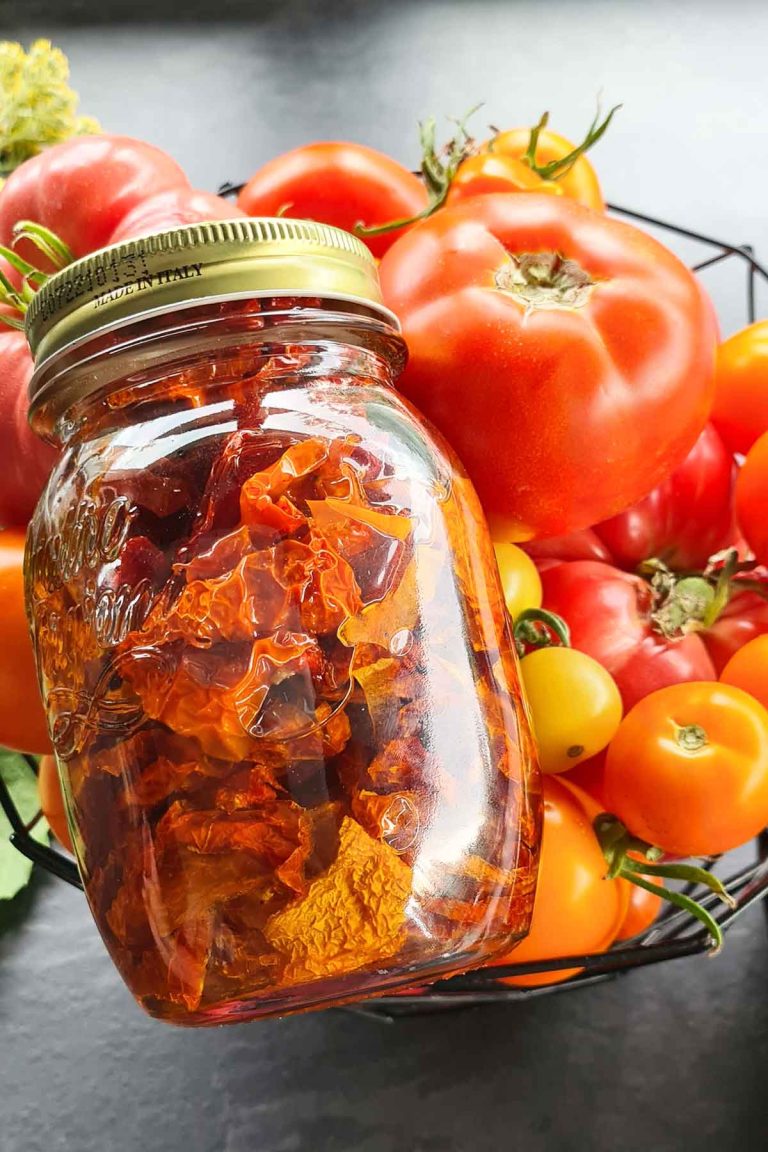
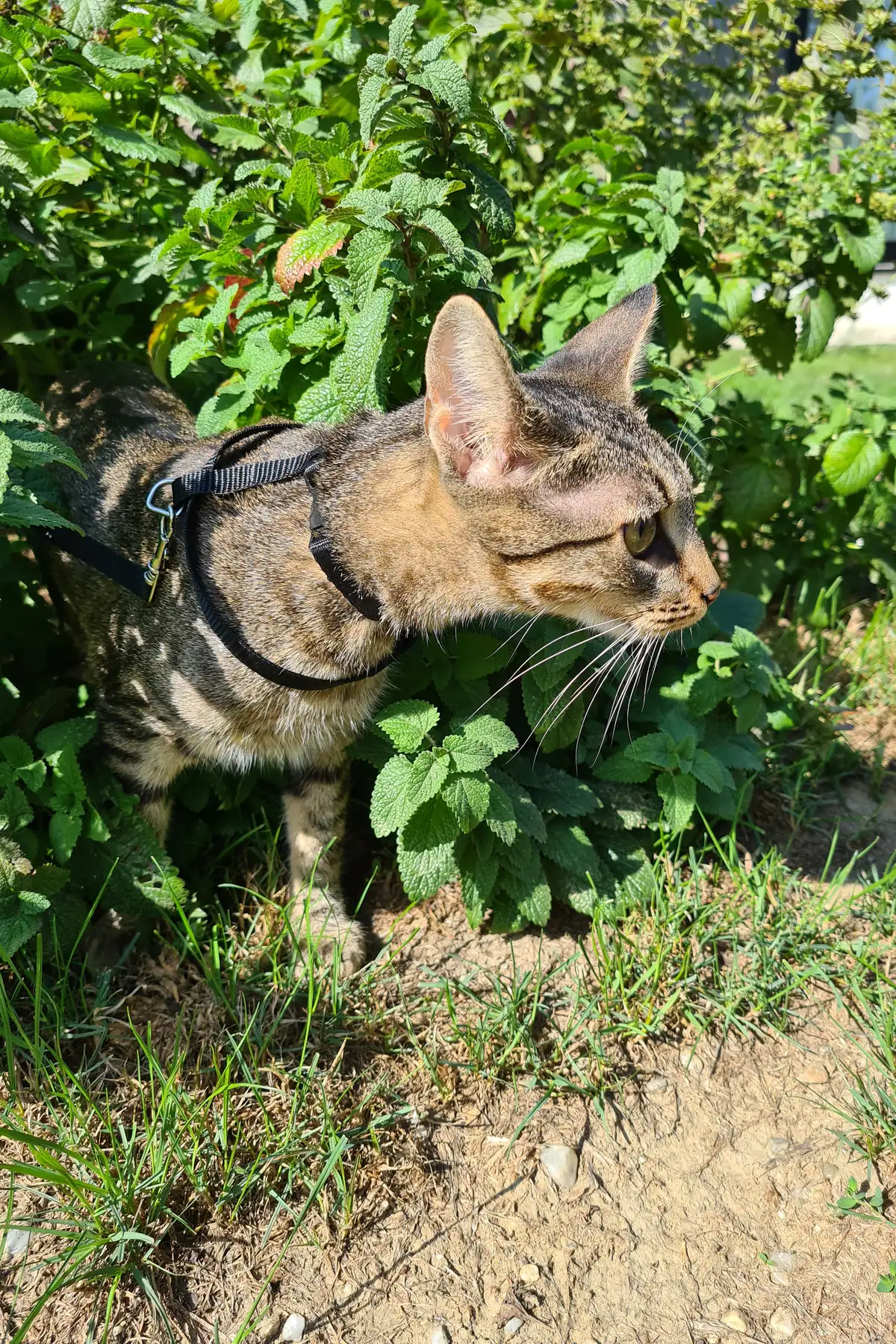
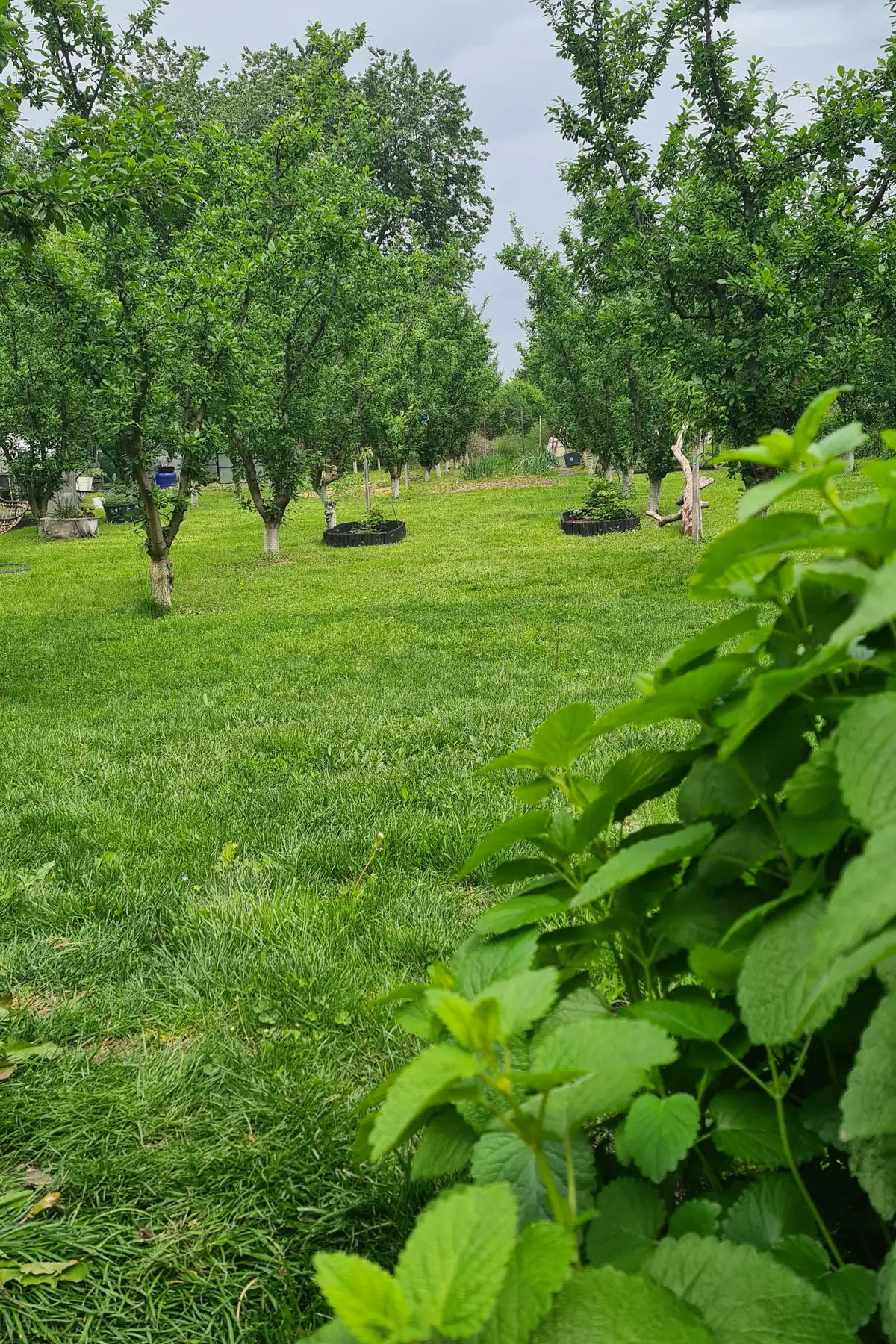
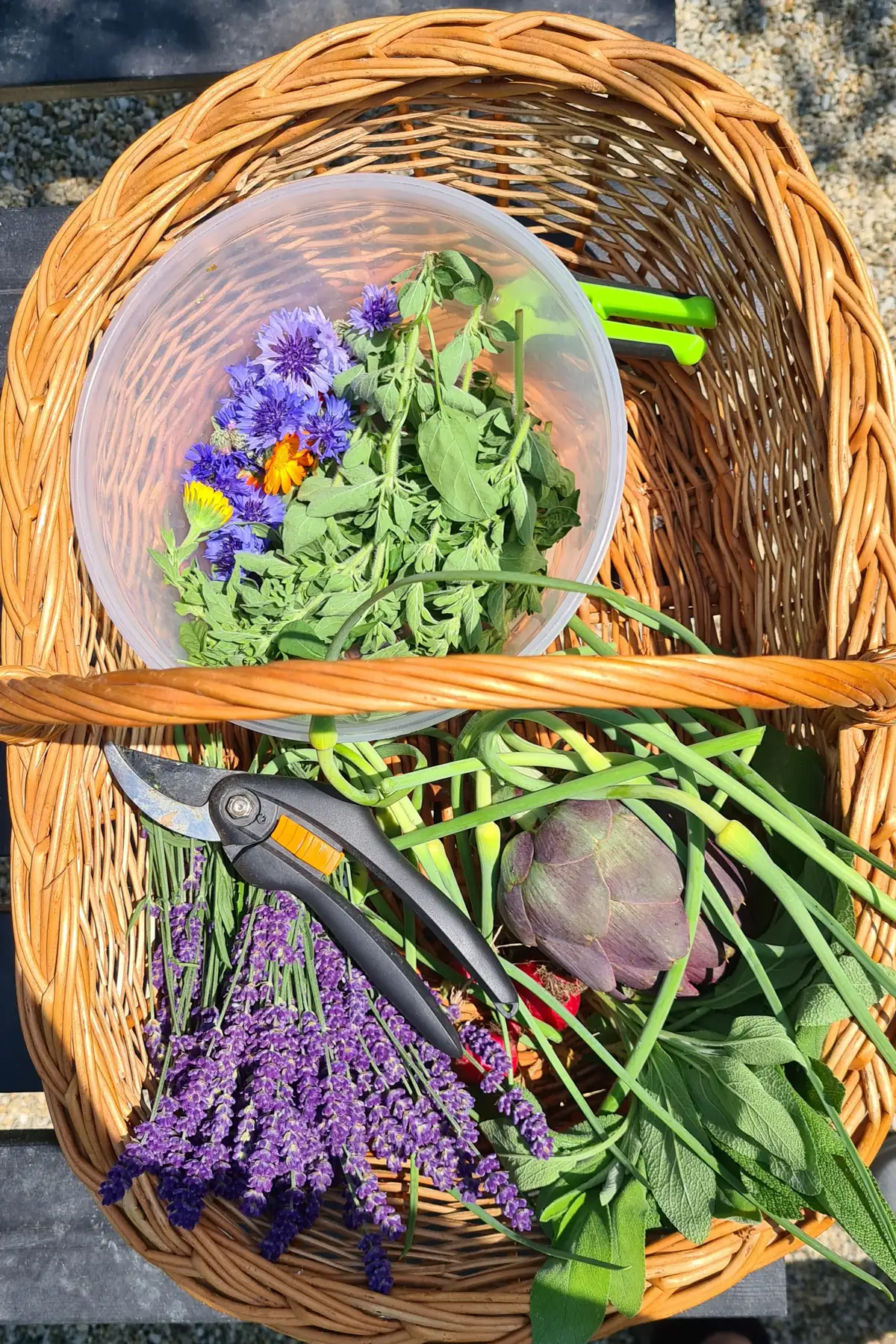
Four of these are always in my kitchen: lemon balm, lavender, chamomile and linden. Lemon balm and lavender I grow myself, and lemon balm is the easiest plant in my garden. It grows with no effort at all, smells of lemon the moment you brush past it, and would happily take over every bed if I let it, so I cut it just before it flowers, or right as the first flowers open, before it can drop its seeds. Then it goes into my dehydrator on a low setting, around 35-40°C, or onto a hanging mesh drying rack, and that’s my tea for the whole winter.
A note before we start: OMMA is our family brand, built by the two of us, a husband-and-wife team. The nasal strips and mouth tape at the end of this article are ours, so this recommendation isn’t neutral, and we want you to know that up front. Nobody paid for this article, and everything about sleep and snoring comes from the studies listed at the end.
Tea for sleep, at a glance
- A gentle helper, not a cure: small studies with chamomile, lavender and passionflower tea are encouraging, and a warm, caffeine-free cup is a lovely way to wind down.
- Traditional use for sleep: the European Medicines Agency (EMA) recognises lemon balm, lavender, valerian, passionflower and hops as traditional herbal remedies for mild stress and to aid sleep. Traditional means long use, not proven in trials.
- Chamomile and linden: traditional evening teas, but EMA lists them for digestion and for colds or mild stress, not for sleep.
- How to brew: boiling water, a covered cup, at least 5 minutes, about 30-60 minutes before bed.
- Skip them in pregnancy (except chamomile), for children under 12, before driving and with sleeping pills or alcohol.
Table of Contents
- Can a cup of tea really help you sleep?
- 1. Lemon balm tea (my favourite)
- 2. Lavender tea
- 3. Chamomile tea for sleep
- 4. Linden tea
- 5. Valerian tea
- 6. Passionflower tea
- 7. Hops tea
- How to brew a bedtime tea
- Who should skip these teas
- The rest of our evening routine
- Frequently Asked Questions
- Sources
Can a cup of tea really help you sleep?
The research is still young, but it leans in an encouraging direction. In small studies with real tea, new mothers who drank chamomile tea for two weeks slept a little better, those who drank lavender tea felt less tired, and healthy adults who drank passionflower tea for a week felt they slept better. Larger reviews, mostly of extracts in capsules, are more mixed, so no tea works like a sleeping pill, but that isn’t the whole picture either.
EMA also recognises the traditional use of lemon balm, lavender, valerian, passionflower and hops “to aid sleep” and for mild stress: these herbs have been used this way for generations, and many people find that a warm cup helps them unwind at the end of the day.
So I think of a bedtime tea as a gentle helper and part of the ritual: a warm cup, no caffeine, the phone put away, the lights a little lower. If you’ve been sleeping badly for weeks, a tea won’t fix that, and it’s worth talking to your doctor.
1. Lemon balm tea (my favourite)
Lemon balm (Melissa officinalis) is the one I drink most. It tastes soft and lemony, thanks to citral and citronellal in its essential oil, and it’s lovely on its own or with a pinch of lavender.
- What EMA says: traditional use for mild symptoms of stress, to aid sleep and for mild digestive complaints like bloating.
- How much: 1.5-4.5 g of dried leaves in 150 ml of boiling water, 1-3 times a day.
- The studies: small studies with lemon balm extracts point to a calmer mood and better sleep; nobody has tested the tea on its own yet.
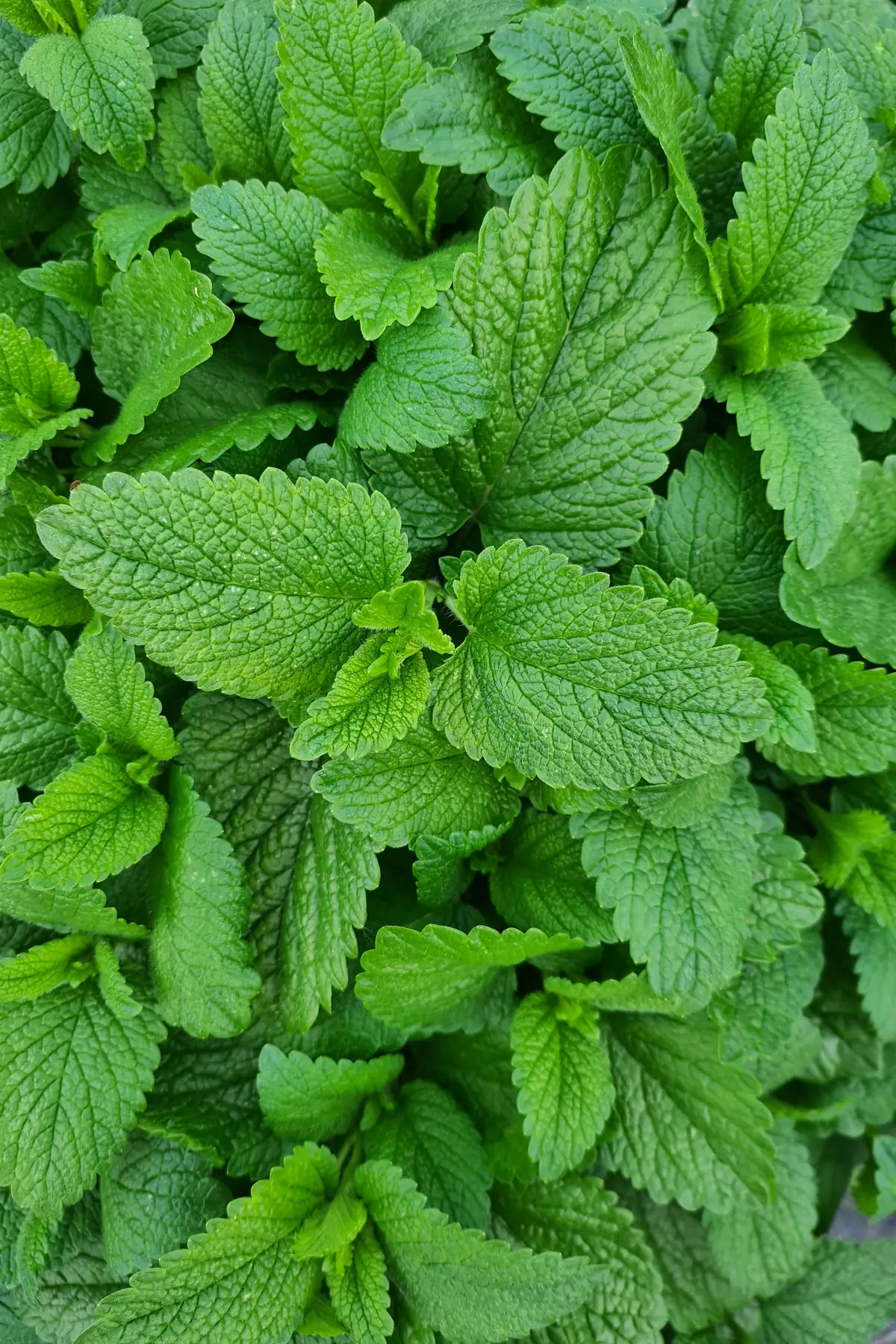
Growing and drying it: cut the stems before the plant flowers, when the leaves are most aromatic (leaves from the first June cut had more essential oil than later ones in one study). Dry it below 40°C: in lab tests, higher temperatures lost more of the colour and aroma. Store the dried leaves in a closed jar, away from light. I wrote everything I do with it, from the garden to the cup, in my guide to lemon balm tea.
2. Lavender tea
Lavender (Lavandula angustifolia) is strong, floral and a little soapy if you overdo it, so a small pinch goes a long way.
- What EMA says: traditional use for mild stress and exhaustion and to aid sleep.
- How much: 1-2 g of dried flowers in 150 ml of boiling water, up to 3 times a day.
- The studies: in a two-week trial with 80 new mothers who slept badly, a cup of lavender tea a day meant less fatigue and fewer symptoms of depression, but the difference was gone two weeks later, and sleep quality itself wasn’t clearly better. In 60 older adults, 2 g of lavender tea twice a day for two weeks lowered anxiety and depression scores. Both studies were small and not blinded.
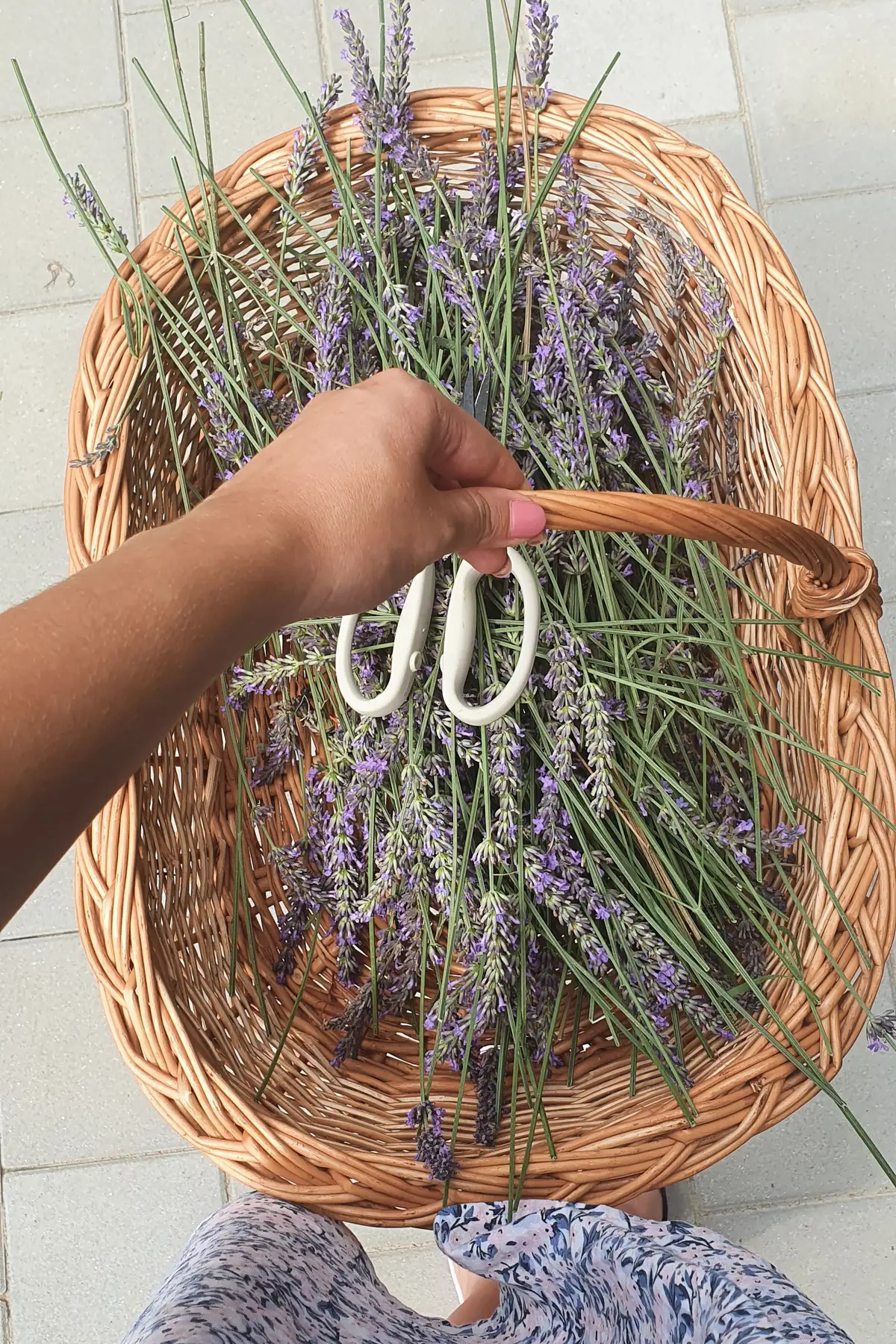
I grow lavender too and cut it in early summer, a basketful at a time, for tea and for the kitchen.

Use culinary lavender meant for food, not dried flowers from a gift shop.
3. Chamomile tea for sleep
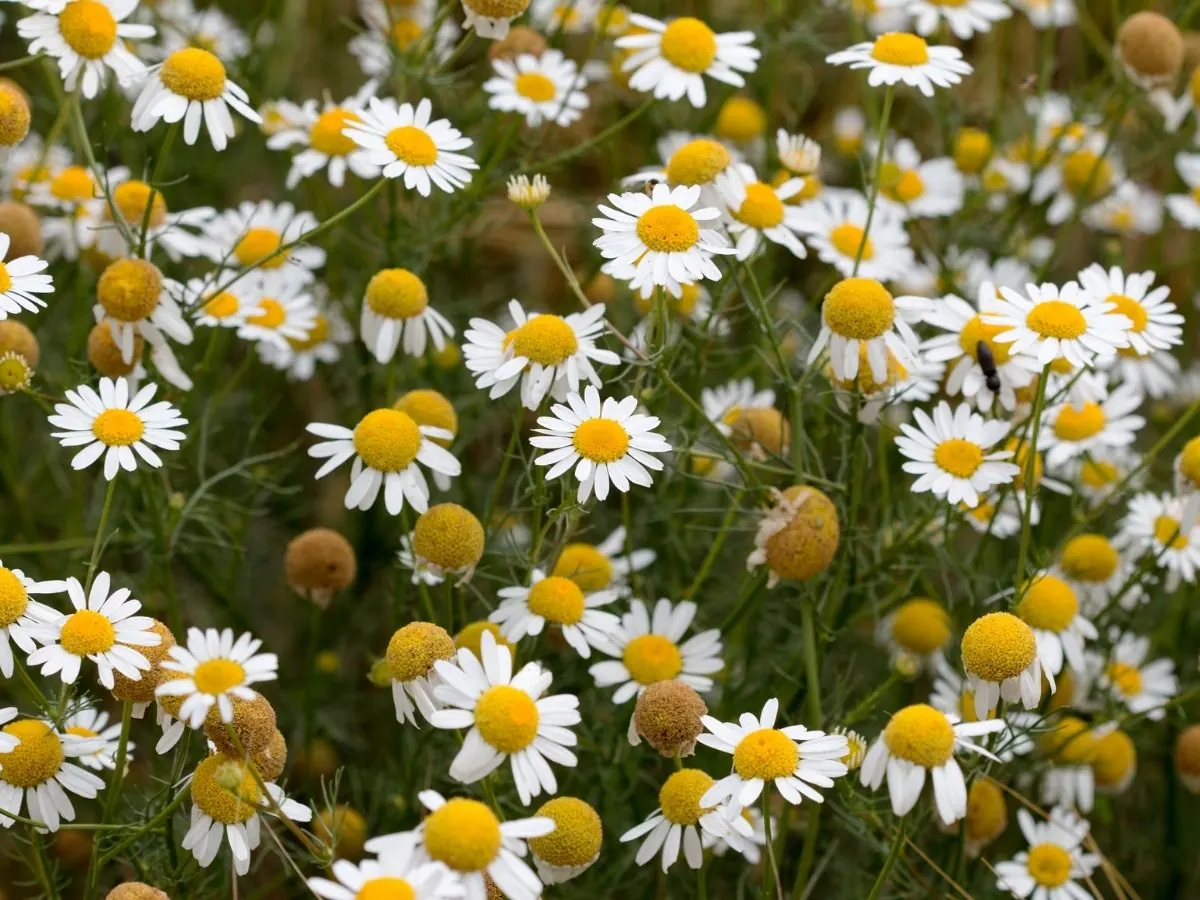
Chamomile is the classic bedtime tea, but here’s the surprise: EMA lists chamomile for digestion, colds and skin, not for sleep. It’s a calming evening tradition rather than a recognised sleep remedy.
- How much: 1.5-4 g of dried flowers in 150 ml of boiling water, 3-4 times a day.
- The studies: in a trial with 80 new mothers who slept badly, two weeks of chamomile tea meant slightly better sleep and fewer symptoms of depression, but the effect was gone four weeks later. Reviews of mostly extract studies found better sleep quality, but no effect on insomnia.
- Be careful if: you’re allergic to ragweed, chrysanthemums, marigolds or daisies (the same plant family), because chamomile can cause allergic reactions, sometimes severe. If you take warfarin, ask your doctor first.
Chamomile is also the only tea on this list that EMA considers safe in pregnancy and breastfeeding.
4. Linden tea
Linden (Tilia) is the smell of June in Romanian towns, and linden tea is what many of us grew up drinking in the evening or with a cold. It’s mild, honeyed and very gentle.
- What EMA says: traditional use for colds and mild symptoms of stress, not for sleep.
- How much: 1.5 g of dried flowers in 150 ml of boiling water, 2-4 times a day.
- The studies: there are no clinical studies yet; its reputation comes from generations of evening cups.
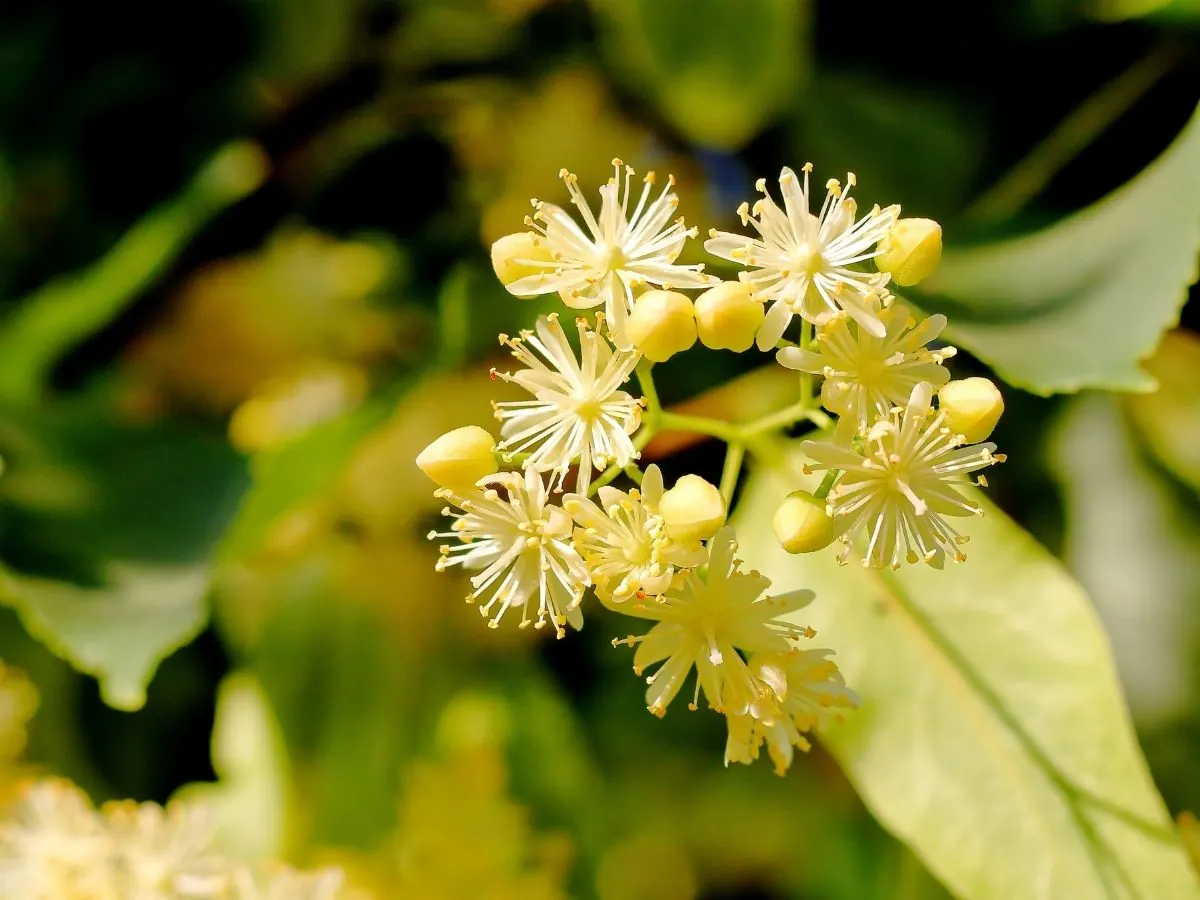
Don’t give loose linden flowers to babies: in one study, 3% of loose linden flower samples carried botulism spores, which are a risk for infants, while packaged tea bags had none.
5. Valerian tea
Valerian root has the strongest reputation and the strongest smell, earthy and pungent, so most people blend it with something nicer, like lemon balm.
- What EMA says: a specific alcohol extract has well-established use for mild nervous tension and sleep problems; the tea has traditional use to aid sleep.
- How much: 0.3-3 g of dried root in 150 ml of boiling water, 30-60 minutes before bed. EMA notes that the effect comes gradually, over 2-4 weeks, so it’s not for an occasional bad night.
- The studies: one large analysis of 16 studies found that people slept better with valerian, although some studies may have gone unpublished; others are more mixed. Give it a few weeks rather than judging it after one night.
- Be careful: not with alcohol or sleeping pills. Very rare cases of liver problems have been reported, mostly with combination products.
6. Passionflower tea
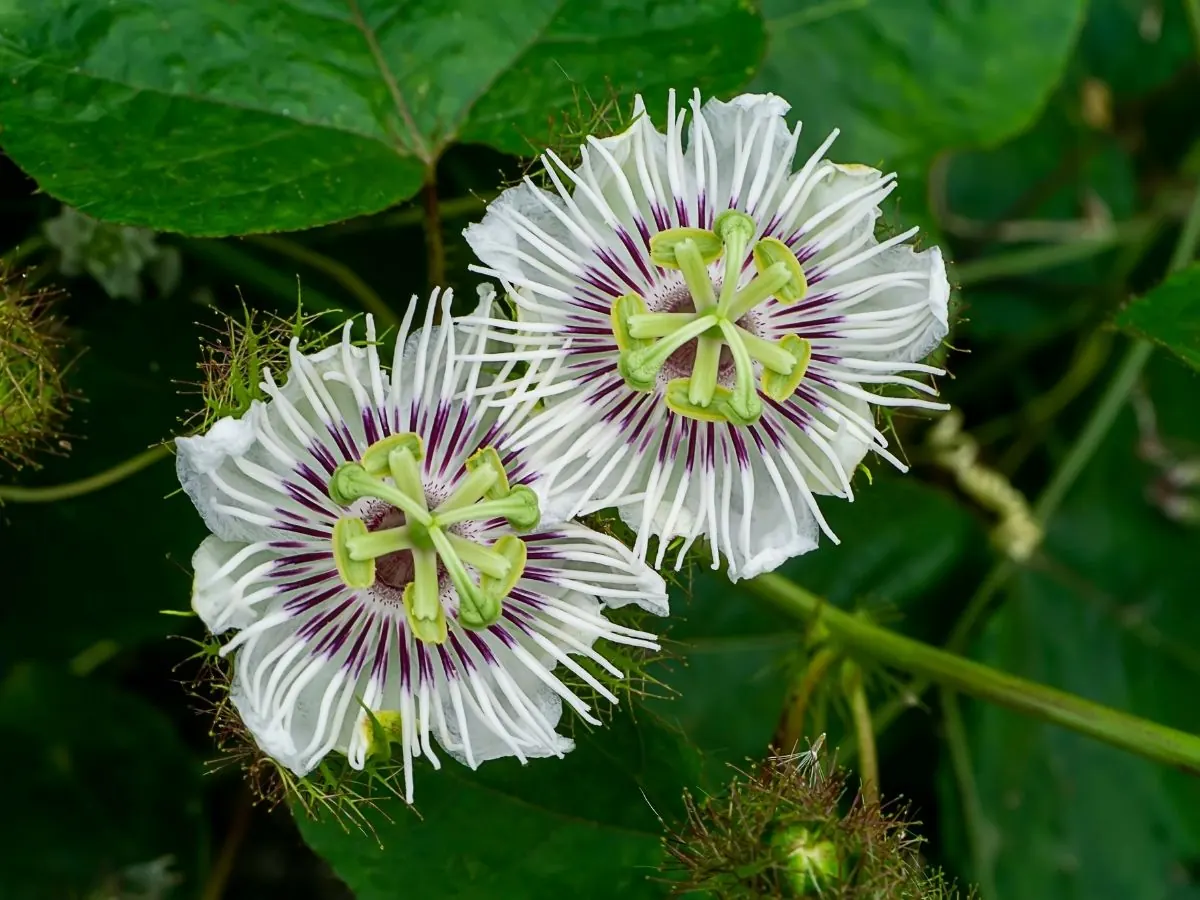
Passionflower (Passiflora incarnata) has a mild, grassy taste and works well in blends.
- What EMA says: traditional use for mild stress and to aid sleep.
- How much: 1-2 g of the dried herb in 150 ml of boiling water, 1-4 times a day.
- The studies: in a double-blind trial with 41 healthy adults, one cup of passionflower tea a day for a week improved how well people felt they slept, though other sleep measures didn’t change.
- Be careful: not in pregnancy, because it may cause uterine contractions. It can make you drowsy.
7. Hops tea
Yes, the same hops that go into beer. As a tea it’s quite bitter, so a little goes in with milder herbs.
- What EMA says: traditional use for mild stress and to aid sleep.
- How much: 0.5-1 g of dried hops in 150-200 ml of boiling water, 30-60 minutes before bed.
- The studies: there are no clinical studies with hops alone, only extracts combined with valerian.
- Be careful: hops contain a strong plant estrogen, and it’s best avoided if you have depression or take other sedatives.

How to brew a bedtime tea
| Herb | Dried herb per cup (150 ml) | How often (EMA) | Taste |
|---|---|---|---|
| Lemon balm | 1.5-4.5 g | 1-3 times a day | soft, lemony |
| Lavender | 1-2 g | up to 3 times a day | floral, strong |
| Chamomile | 1.5-4 g | 3-4 times a day | sweet, apple-like |
| Linden | 1.5 g | 2-4 times a day | mild, honeyed |
| Valerian | 0.3-3 g | 30-60 min before bed | earthy, pungent |
| Passionflower | 1-2 g | 1-4 times a day | mild, grassy |
| Hops | 0.5-1 g | 30-60 min before bed | bitter |
- Use water at a rolling boil. Germany’s food safety agency (BfR) recommends boiling water and at least 5 minutes of steeping for herbal teas, for safety. The hot-water tap of a dispenser (80-85°C) isn’t hot enough.
- Cover the cup while it steeps, so the aroma stays in the cup and not in the kitchen.
- For a bigger mug (250 ml), use the same amount of herb; the tea is just milder. Don’t double it.
- Don’t leave herbal tea standing for hours; make it fresh.
- Weigh it once. Dried lemon balm and linden are light and bulky, lavender and chamomile are denser, so a spoonful weighs very different amounts. The first time, weigh the herb on a kitchen scale, and then you’ll know what your spoon holds.
If you dry your own flowers, the same low-heat method works for my rose petal tea.
Who should skip these teas
- Pregnancy and breastfeeding: EMA doesn’t recommend lemon balm, lavender, linden, valerian, passionflower or hops, because there isn’t enough data. Chamomile tea is the exception.
- Children under 12: none of these is recommended for stress or sleep. Talk to your pediatrician, and never give loose linden or chamomile flowers to babies.
- Before driving: lemon balm, lavender, valerian, passionflower and hops can make you drowsy.
- With alcohol, sleeping pills or sedatives: don’t combine them without asking your doctor.
- Allergies: chamomile if you react to ragweed, daisies or marigolds.
- Medicines: ask your doctor about chamomile if you take warfarin.
- Sleep problems that last: if you’ve slept badly for more than a couple of weeks, see your doctor rather than trying stronger teas.
The rest of our evening routine
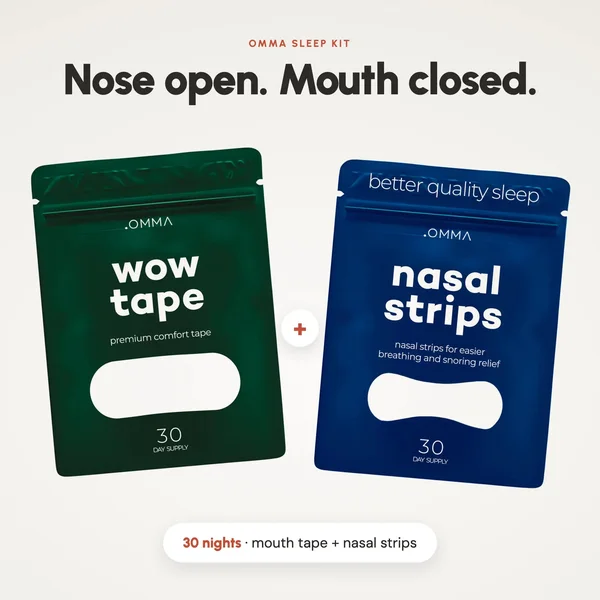
A cup of tea is one part of a calm evening. The other part we think about a lot at home is breathing at night: a blocked nose, a mouth that falls open, someone snoring in the next pillow. That’s why my husband and I made the OMMA Sleep Kit, with a nasal strip that helps open the nose and a mouth tape that helps keep your mouth closed, so you keep breathing through your nose until morning. I wrote more about it in my guide on how to stop snoring naturally.
Don’t use the mouth tape if you can’t breathe comfortably through your nose, if you have or suspect sleep apnea, after alcohol or sleeping pills, if you feel sick, or on children. And if you’d like something other than tea in your glass, try my homemade tart cherry juice.
OMMA Sleep Kit: Mouth Tape + Nasal Strips
One nasal strip and one mouth tape for every night: nose open, mouth closed. 30 nights.
Shop at OMMA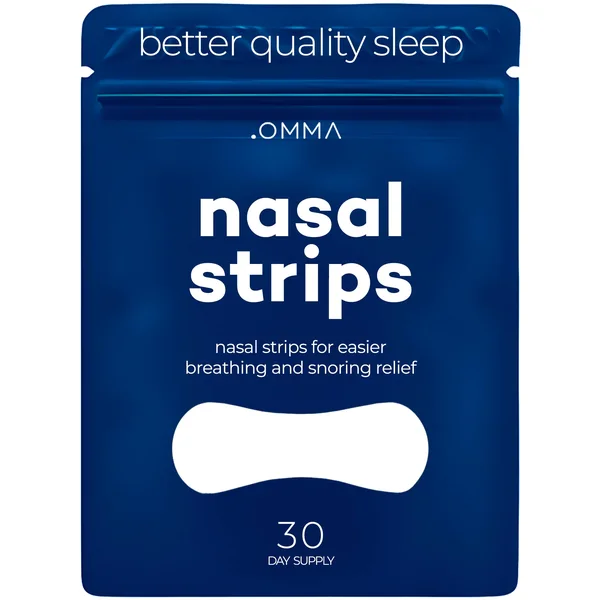
OMMA Nasal Strips
A flexible band gently lifts the sides of your nose, so air moves more easily at night.
Shop at OMMA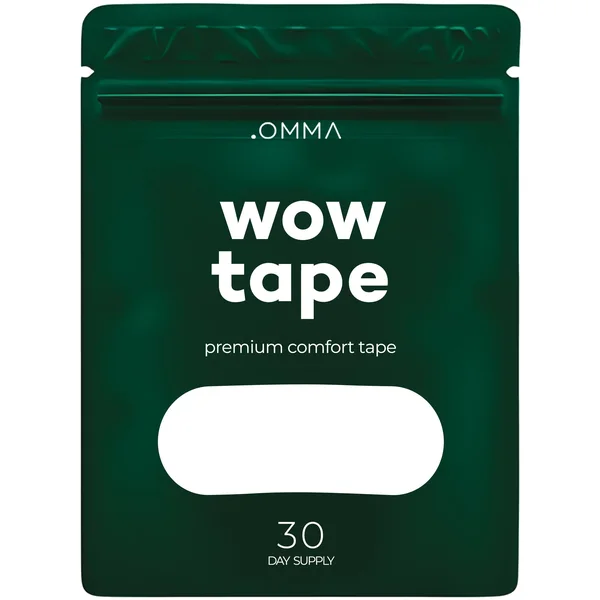
OMMA Mouth Tape for Sleeping
Pre-cut cotton strips that keep your lips closed, so you keep breathing through your nose.
Shop at OMMA
Frequently Asked Questions
Lemon balm, lavender, valerian, passionflower and hops are recognised by EMA for traditional use to aid sleep, and small studies with chamomile, lavender and passionflower tea are encouraging. The best one is a caffeine-free tea you enjoy enough to make every evening.
Chamomile is a traditional evening tea, but EMA lists it for digestion, not sleep. In one small study, new mothers slept slightly better after two weeks of chamomile tea, and the effect faded afterwards.
About 30 to 60 minutes before bed. That is what EMA gives for valerian and hops, and it also leaves time to go to the bathroom before you sleep.
EMA gives 1.5 to 4.5 g of dried lemon balm per cup, 1 to 3 times a day, and advises seeing a doctor if symptoms last more than two weeks. It is not recommended in pregnancy, while breastfeeding or for children under 12.
Of the teas in this guide, only chamomile tea is considered safe in pregnancy and breastfeeding by EMA. Ask your doctor before drinking the others.
Yes. Germany’s food safety agency recommends pouring boiling water over herbal teas and letting them steep for at least 5 minutes, because hot water from a dispenser is not hot enough.
Sources
- European Medicines Agency (EMA), herbal monographs: Melissae folium (lemon balm), Lavandulae flos (lavender), Matricariae flos (chamomile), Tiliae flos (linden), Valerianae radix (valerian), Passiflorae herba (passionflower), Lupuli flos (hops).
- Leach MJ, Page AT. Herbal medicine for insomnia: a systematic review and meta-analysis. Sleep Med Rev, 2015. PubMed 25644982
- Chang SM, Chen CH. Effects of an intervention with drinking chamomile tea on sleep quality and depression in sleep disturbed postnatal women: a randomized controlled trial. J Adv Nurs, 2016. PubMed 26483209
- Chen SL, Chen CH. Effects of lavender tea on fatigue, depression, and maternal-infant attachment in sleep-disturbed postnatal women. Worldviews Evid Based Nurs, 2015. PubMed 26523950
- Bazrafshan MR et al. The effect of lavender herbal tea on the anxiety and depression of the elderly: a randomized clinical trial. Complement Ther Med, 2020. PubMed 32444033
- Ngan A, Conduit R. A double-blind, placebo-controlled investigation of the effects of Passiflora incarnata (passionflower) herbal tea on subjective sleep quality. Phytother Res, 2011. PubMed 21294203
- Bent S et al. Valerian for sleep: a systematic review and meta-analysis. Am J Med, 2006. PubMed 17145239
- Hieu TH et al. Therapeutic efficacy and safety of chamomile for state anxiety, generalized anxiety disorder, insomnia, and sleep quality: a systematic review and meta-analysis. Phytother Res, 2019. PubMed 31006899
- Chizzola R et al. Biodiversity within Melissa officinalis: variability of bioactive compounds in a cultivated collection. Molecules, 2018. PubMed 29385035
- Bianco MI et al. Linden flower (Tilia spp.) as potential vehicle of Clostridium botulinum spores in the transmission of infant botulism. Rev Argent Microbiol, 2009. PubMed 20085187
- Argyropoulos D, Müller J. Effect of convective drying on quality of lemon balm (Melissa officinalis L.). Procedia Food Sci, 2011. University of Hohenheim
- NCCIH: Chamomile, Valerian, Passionflower.
- BfR: Kräutertees unbedingt mit kochendem Wasser aufgießen, 2005.
- University of Illinois Extension: Lemon Balm.