
Autumn Quince Pudding
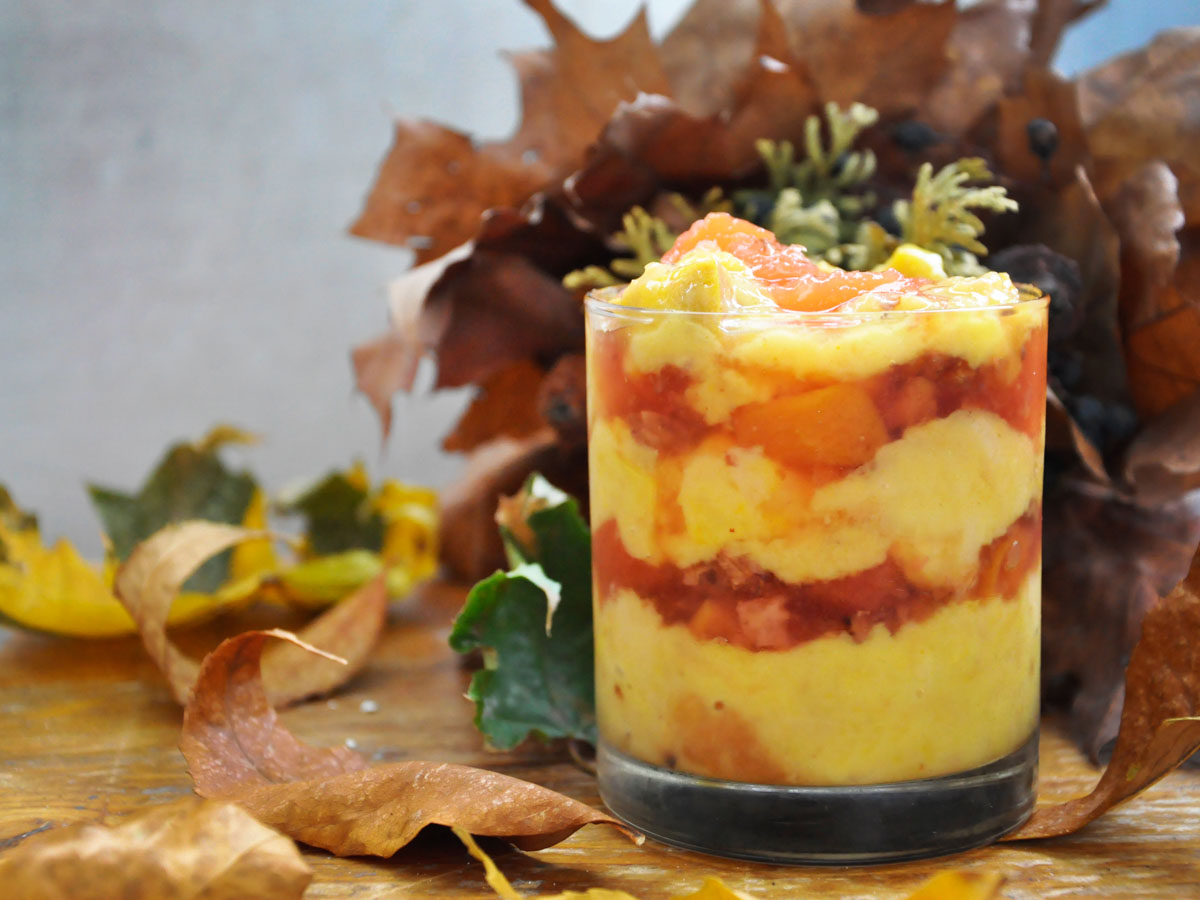
This autumn quince pudding is a creamy stovetop dessert made by simmering bite-size quinces with brown sugar, cinnamon, cloves and a secret pinch of turmeric, then blending them smooth and folding in raisins and chopped walnuts. It is naturally vegan, takes about 20 minutes of cooking, and you can serve it warm or chilled.
I had this autumn quince pudding recipe prepared for you for a very long time. It started when I received lots of fresh and delicious quinces from my boyfriend’s parents’ garden and had no idea what to do with them, other than making my stewed quince dessert. I almost ate that one on a daily basis for the last two months, so I decided to try something else and made this quince pudding with raisins instead.
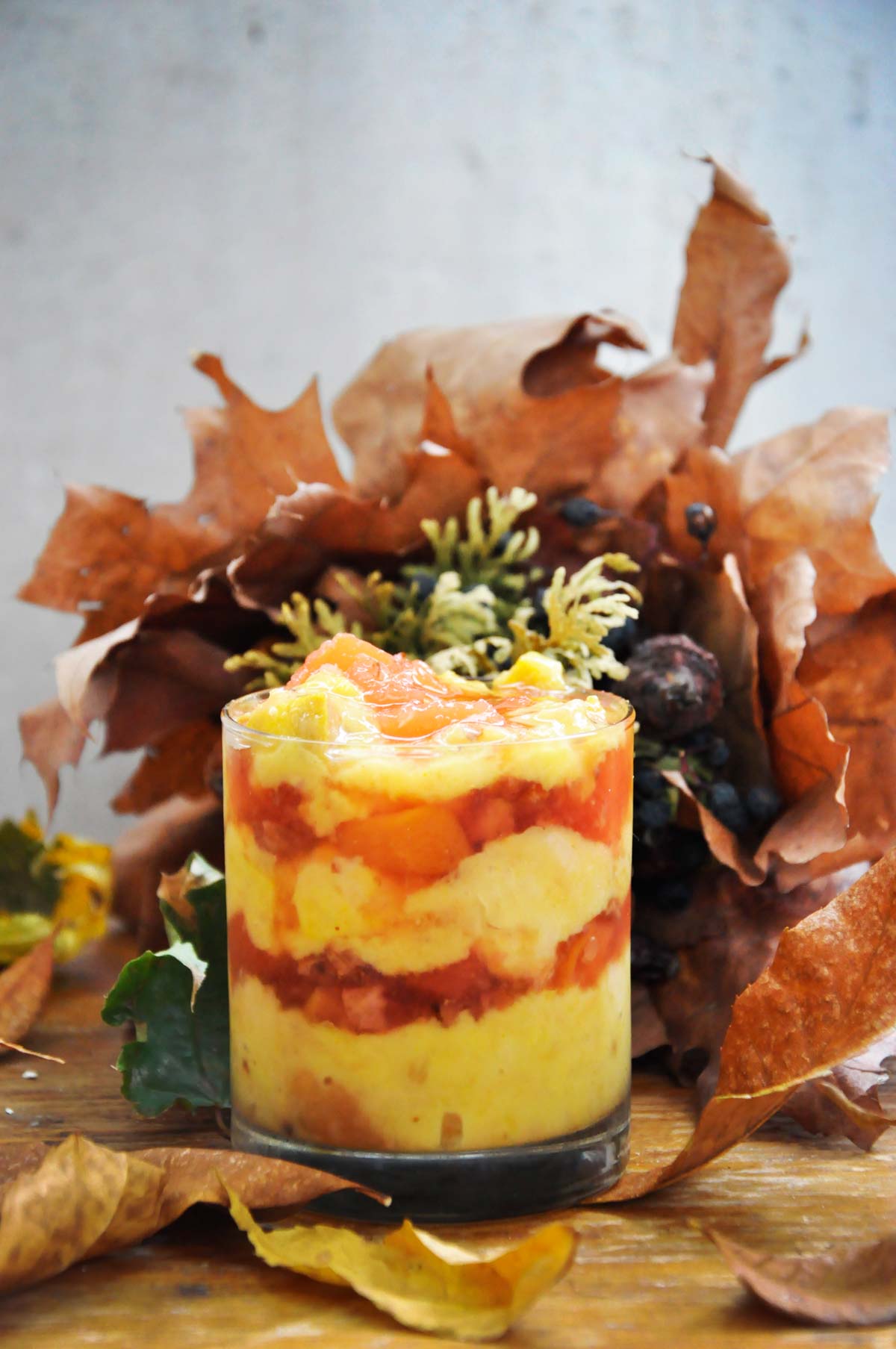
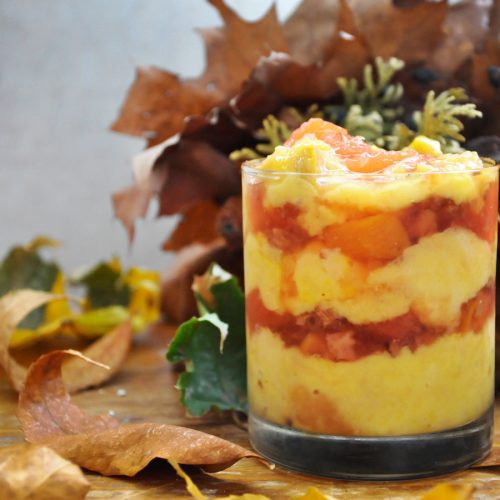
I combined it with a light quince jam with walnuts and the result was AAAHMAZING. I do not have the recipe for the quince jam with walnuts yet, but I will ask my boyfriend’s mom and share it when I do. After this one, I really have to try more quince recipes. Hope you will like this quince pudding, with its secret ingredient.
This Recipe Works If You Need
- A cozy autumn dessert that uses up a glut of fresh quinces from the garden or market.
- A naturally vegan, dairy-free and egg-free pudding that does not rely on any special substitutes.
- A make-ahead sweet you can cook in one pan, blend smooth, and serve warm or cold.
- A spiced, comforting finish to a fall meal when apples and pears feel too familiar.
- A way to turn hard, astringent raw quinces into something soft, creamy and spoonable.
Why You’ll Love This Recipe
- It tames a difficult fruit. Raw quince is rock-hard and astringent, but slow simmering transforms it into a soft, fragrant, custard-like pudding.
- One pan, one blender. You simmer everything in a single pan, then mash it smooth with a stick blender, so cleanup stays minimal.
- That secret turmeric color. A teaspoon or two of turmeric gives the pudding a warm golden hue without changing the flavor.
- Naturally vegan. No dairy, eggs or honey, so it works for almost any table at autumn gatherings.
- Texture in every spoonful. Plump raisins and chopped walnuts add chew and crunch against the smooth quince base.
- Flexible serving. Eat it warm straight from the pan on a cold evening, or chill it for a firmer, set dessert.
Ingredient Notes
Quinces are the heart of this pudding, and you need three of them. Look for fruit that is firm, mostly yellow and very fragrant, since a ripe quince perfumes the whole kitchen. Avoid any with large bruised or green patches. They are too hard and astringent to eat raw, which is exactly why they need to be simmered. Chop them into bite-size pieces and be sure to cut away the hard, gritty inner core completely, as it never softens.
Grapeseed oil gives the quinces something to cook in without adding a strong taste. I use three tablespoons. Its neutral flavor and high smoke point let the spices and fruit lead, so reach for a clean, light oil rather than anything bold like olive or coconut.
Whole wheat flour or gluten-free flour, just one tablespoon mixed with 50 ml of water, is what thickens the pudding. Always whisk it with the water into a smooth slurry before it goes in. If you tip dry flour straight into hot liquid it will clump, and you cannot blend lumps back out cleanly.
Brown sugar, about 50 g, sweetens the quinces, which are tart on their own. You can swap in another sweetener of your choice. I dissolve the sugar in water first so it disperses evenly through the fruit rather than sitting in pockets.
Cinnamon and ground cloves are the warming backbone of this dessert: half a tablespoon of cinnamon and a teaspoon of cloves. Cloves are potent, so measure them rather than eyeballing. Ground spices fade with age, so if yours have been in the cupboard for a year or more, they will taste flat.
Raisins, four tablespoons, add little pockets of concentrated sweetness. They plump as they sit in the warm pudding. Stir them in at the end rather than blending them, so they stay whole and chewy.
Walnuts, five tablespoons chopped, bring crunch and a slightly bitter contrast to the sweet fruit. For the best flavor, taste them first to make sure they are fresh, since walnuts turn rancid faster than most nuts. Fold them in at the end so they keep their bite.
Vanilla and rum extracts, half a teaspoon of vanilla and a teaspoon of rum, round out the spices and give the pudding a grown-up depth. Add them off the most aggressive boil so their aroma is not entirely cooked away.
Turmeric is the secret ingredient, one to two teaspoons. It gives the pudding such a lovely golden color. Use it for the color rather than the taste, and stay near the lower end if you are unsure, since too much can read slightly earthy.
Tips
- Cut the cores out completely. The quince core stays hard and gritty no matter how long it cooks, so any piece you miss will show up as a stony bite in the finished pudding.
- Stir continuously in the final minutes. Once the flour slurry and sugar are in, the bottom of the pan scorches easily. Keep the spoon moving so the sauce does not catch and turn bitter.
- Add water as needed while it simmers. Quinces drink up liquid as they soften. If the pan looks dry before the fruit is tender, splash in a little more water so nothing sticks.
- You know it is ready when a piece of quince crushes easily against the side of the pan with no resistance. That is your cue to blend.
- Blend while it is still hot. Soft, warm quince purees into a smoother pudding than fruit that has cooled and started to firm up.
Substitutions and Variations
- Swap the sweetener. The card sweetens with brown sugar, but you can use another sweetener of your choice if you prefer. Adjust the amount to taste, since quinces vary in tartness.
- Make it gluten-free. Use a gluten-free flour blend in place of the whole wheat flour for the slurry. It thickens the same way.
- Change the nuts. If walnuts are not your thing, chopped pecans or almonds give a similar crunch folded in at the end.
- Go for the duo-color effect. As in the original, swirl the quince pudding together with a quince jam with walnuts for a two-tone dessert that looks as good as it tastes.
Storage and Make Ahead
This pudding keeps well in the fridge for three to four days in an airtight container, and it actually firms up as it chills, so making it a day ahead is a good move for entertaining. Serve it warm straight from the pan, or spoon it cold into bowls for a more set, custard-like texture. Give it a gentle stir before serving if any liquid has separated. To reheat, warm it slowly in a small pan over low heat with a splash of water, stirring so it loosens back to a creamy consistency.
If you love spoonable autumn desserts like this one, you will probably enjoy my stewed quince dessert, which is what got me started on the whole quince obsession. For more cozy comfort puddings, try my coconut rice pudding or browse the full collection of vegan pudding recipes for your next sweet craving.
Autumn Quince Pudding with Raisins and Walnuts
Ingredients
- 3 quinces
- 3 tbsp grapeseed oil
- 1 tbsp whole wheat flour or GF flour – mixed with 50 ml of water
- 50 g brown sugar or another type of sweetener
- ½ tbsp cinnamon
- 1 tsp ground cloves
- 4 tbsp raisins
- 5 tbsp walnuts chopped
- ½ tsp vanilla extract
- 1 tsp rum extract
- 1-2 tsp turmeric powder the secret ingredient – it gives the pudding a lovely color
- pinch salt to taste
Instructions
- Put 100 ml of water in a small bowl. Add the brown sugar and stir until dissolved.
- Chop the quinces into bite-size pieces, removing the hard inner core.
- Add the oil to a pan. Pour in the brown sugar sauce and add the chopped quinces.
- Boil for 10 minutes over medium heat, adding more water if needed.
- Add a pinch of salt, the dissolved flour, cinnamon, ground cloves, turmeric, and the vanilla and rum extracts.
- Boil for another 5 minutes, stirring continuously to avoid burning the sauce.
- Use an immersion blender to mash the quinces until smooth.
- Stir in the raisins and chopped walnuts.
- Serve either warm or cold.
Notes
Frequently Asked Questions
Raw quince is generally too hard, sour and astringent to enjoy eating out of hand. The fruit needs cooking to soften and sweeten, which is why it is simmered with sugar and spices in this pudding. Slow cooking turns the firm, gritty raw flesh into something soft, fragrant and spoonable.
Turmeric is the secret ingredient here, and it is added mainly for color rather than flavor. One to two teaspoons give the pudding a warm golden hue without making it taste of turmeric. Stay near the lower amount if you are unsure, since too much can read slightly earthy.
Yes. This quince pudding contains no dairy, eggs or honey. It is sweetened with brown sugar or another sweetener of your choice, thickened with a flour-and-water slurry, and enriched with grapeseed oil, so it is naturally vegan as written.
Chop the quinces into bite-size pieces and remove the hard inner core completely, since it stays gritty and never softens. There is no need to peel them for this recipe. Once chopped, they go straight into the pan to simmer with the brown sugar sauce until tender.
Yes, and it is well suited to it. The pudding keeps in the fridge for three to four days in an airtight container and firms up as it chills, which makes it a good make-ahead dessert. Serve it cold for a set texture, or reheat it gently with a splash of water to bring it back to a creamy consistency.
In this recipe it is paired with a light quince jam with walnuts, which also creates a pretty duo-color effect when the two are swirled together. You can serve it on its own warm or chilled, or alongside a spoonful of jam for extra fruit flavor and a two-tone look.



I love this recipe! And I really love your blog – great recipes, pictures and stories. Keep up the good work! <3
Happy to hear you liked the recipe! 😀 Thanks!
Thank you so much for this amazing looking recipe! I love healthy recipes and I will look forward to trying it out and sharing it with my followers at TianaGustafson.com. As Arnold says “I’ll be back” 🙂 Thanks again!
So glad to hear this! Thank you! 😀
Ruxandra, se poate inlocui zaharul cu pasta de curmale? Daca se poate, sti cumva cate curmale? Multumesc!
Nu am incercat si nu vreau sa spun prostii si sa nu iasa bine. Trebuie testat 🙂 Dulce o sa iasa si de la pasta de curmale. Cred ca daca fierbi gutuile separat si adaugi pasta de curmale la final ar trebui sa iasa ok. Daca testezi reteta cu pasta de curmale sa imi zici si mie cum ti-a iesit 😀
What beautiful photos, so autumnal! I am sad to say I don’t think I have ever eaten a quince before – but it seems like the time must be to change that. This looks delicious!
Thank you Lauren! You have to try them! They’re delicious cooked in pies or puddings.