Polenta recipes split into two families: soft and creamy, spooned straight from the pot, or cooled until firm, then sliced and crisped into fries, cakes and crusts. Both start from the same cheap pantry staple, cornmeal and water, which is why polenta is one of the least expensive ways to put a genuinely satisfying dinner on the table. Below are 20 meatless recipes, from a traditional Romanian mamaliga to polenta pizza bites, plus the corn dishes worth serving alongside them.
How to Choose the Right Polenta Recipe
Choose your polenta recipe by texture first, because the ratio of liquid to cornmeal decides everything else. Creamy, spoonable polenta wants roughly four parts liquid to one part cornmeal and regular whisking, and it works as a bed for mushrooms, beans or roasted vegetables. Firm polenta uses less liquid, then chills in a tray until sliceable, which is what fries, wedges, cakes and lasagna layers are built from. Coarse cornmeal gives more bite and needs longer cooking; instant polenta is ready in minutes but stays softer. Pick the texture first, then pick the topping.
Soft, spoonable polenta straight from the pot, built into full dinners with a topping doing the heavy lifting.
1
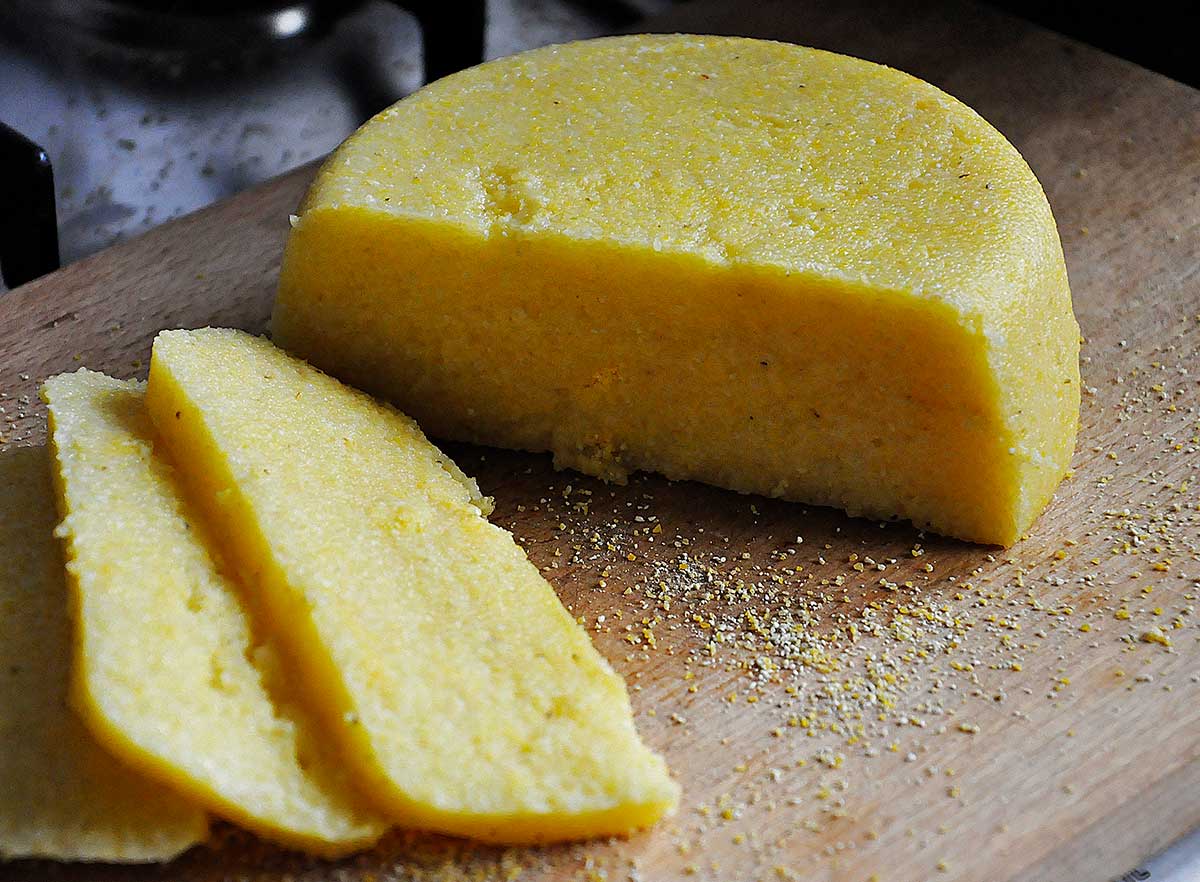
Traditional Romanian Polenta (Mamaliga)
Polenta in its oldest, plainest form: cornmeal, water and salt, stirred until it pulls away from the sides of the pot. Romanian mamaliga is built to be a base, not a showpiece, so it sits happily under sauteed mushrooms, beans or a thick sauce. Pour any leftovers into a loaf tin while hot and chill overnight for sliceable polenta.
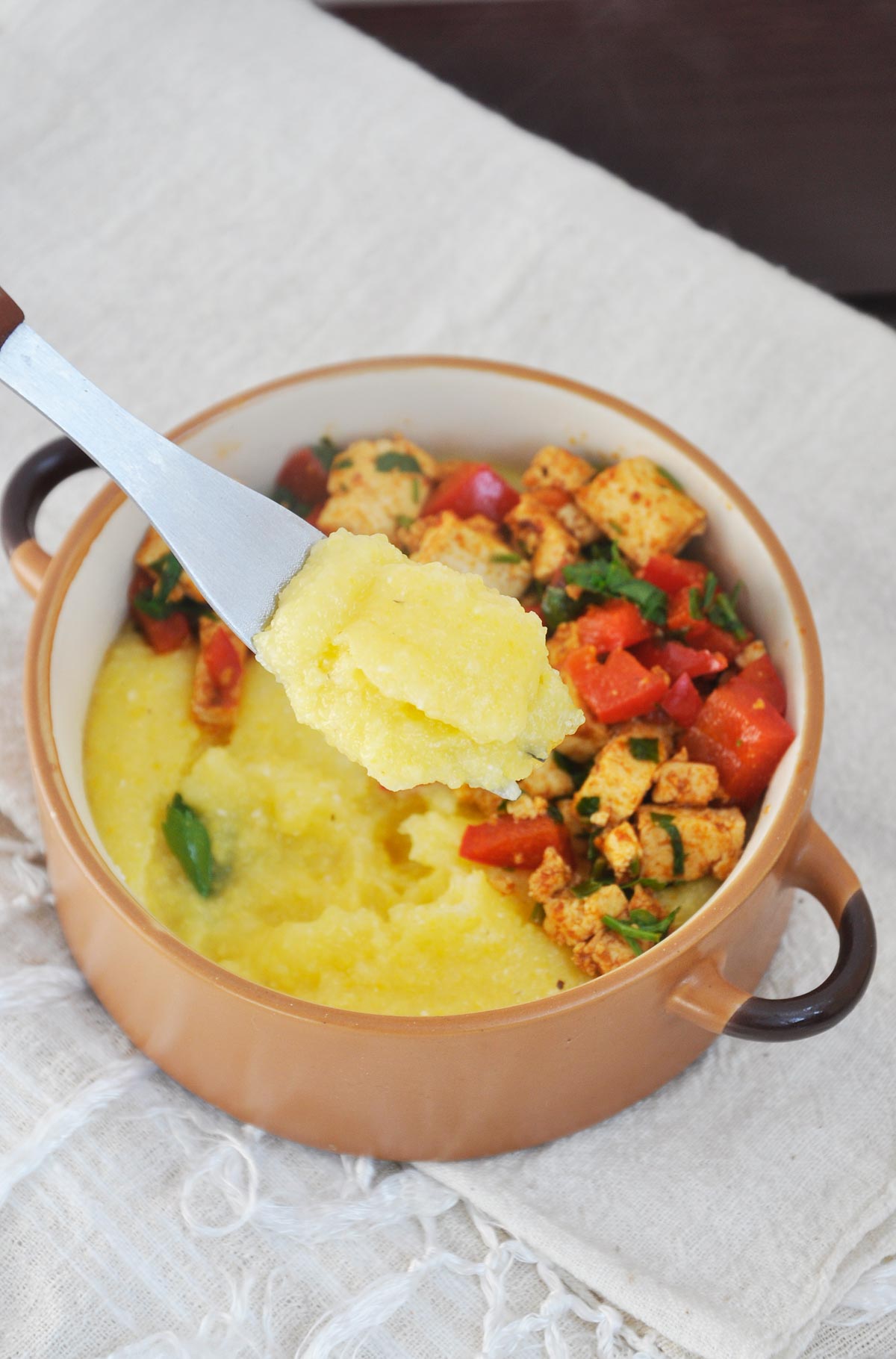
Coconut milk turns the cornmeal unusually silky here, and the tofu and pepper saute on top brings the salt and bite it needs. It reads like a restaurant bowl but comes together from a handful of pantry ingredients. Keep the polenta looser than you think you want, because it firms up fast the moment it hits a cold plate.
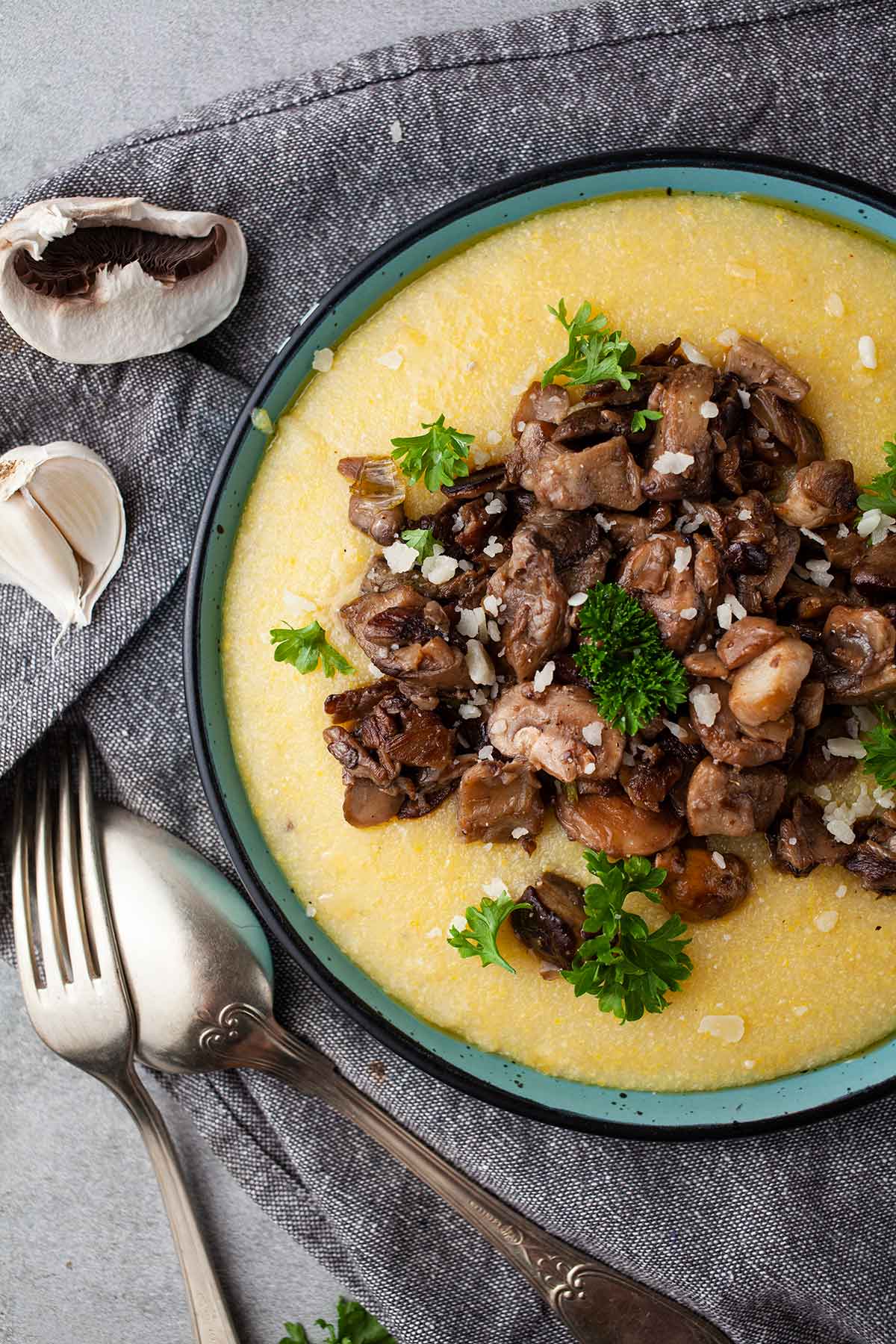
Mushrooms and polenta are the classic pairing for a reason: the earthy, garlicky pan juices soak straight into the soft cornmeal. This one leans rich, the sort of bowl you want on a grey evening. Skip rinsing the mushrooms under the tap and wipe them with a damp cloth instead, so they brown rather than steam in the pan.
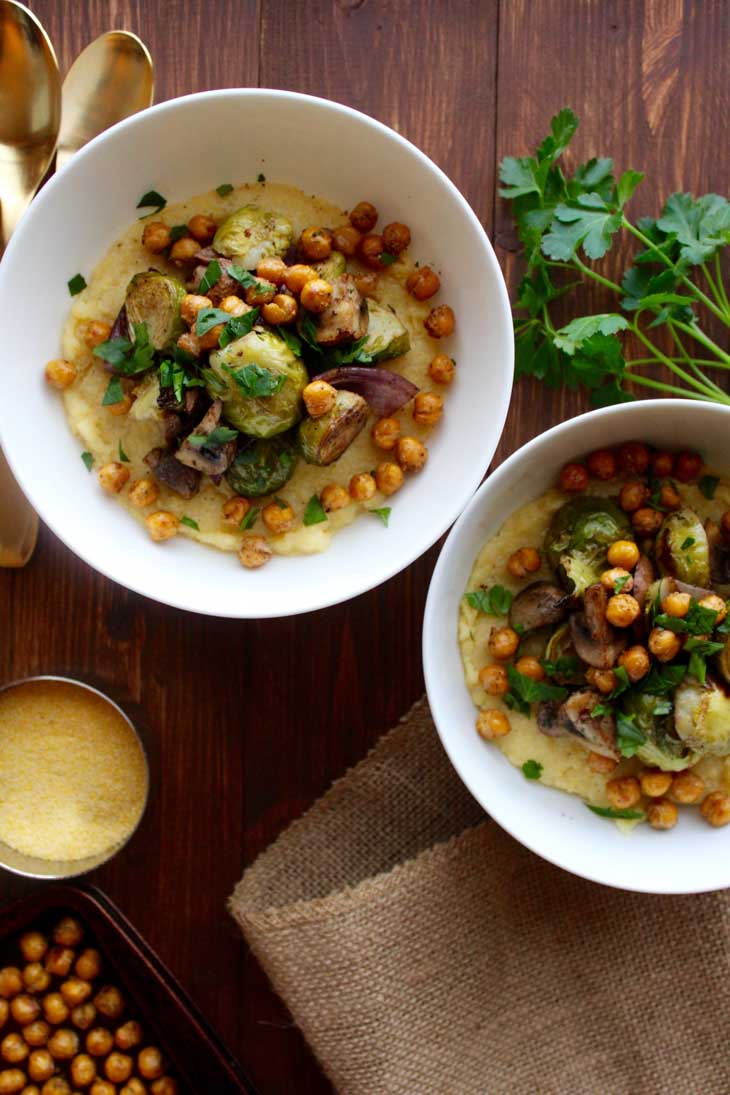
Creamy Polenta with Balsamic Roasted Vegetables and Garlic Chickpeas
Roasted vegetables glazed in balsamic, crisp garlic chickpeas and a pool of creamy polenta underneath, so every forkful has something soft and something crunchy. It is a genuinely complete dinner with no fussy technique anywhere in it. Roast the chickpeas on their own tray, because crowded in with wet vegetables they steam instead of crisping.
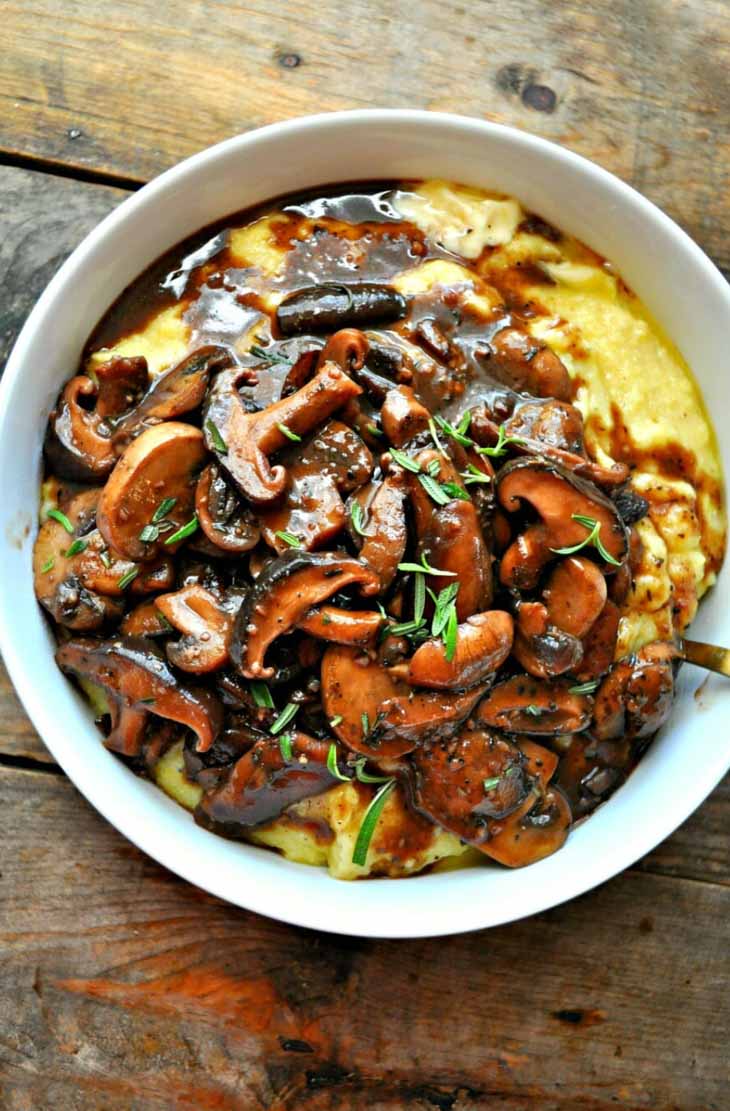
Mushrooms simmered down in red wine until the sauce turns glossy and almost jammy, spooned over polenta whisked until it is properly pourable. This is the version to make when you want dinner to feel like an occasion. Let the wine reduce all the way before serving, otherwise the sauce tastes sharp instead of deep.
Chill polenta until it sets and it slices, fries and grills like nothing else in your pantry.
6
Vegan Heritage Press
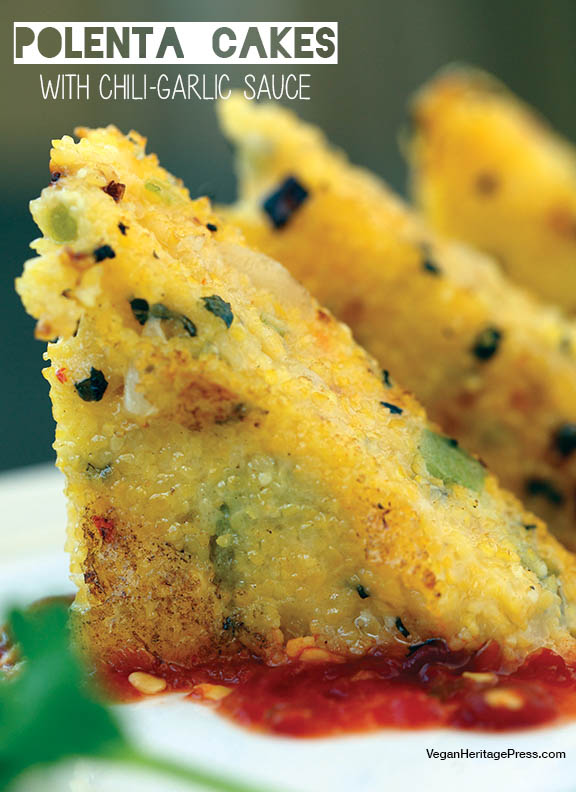
Polenta Cakes with Chili-Garlic Sauce
Set polenta cut into rounds and seared until the outside crackles while the middle stays soft, then hit with a sharp chili-garlic sauce. The contrast between crust and creamy centre is the whole point of the dish. Chill the polenta for at least four hours before slicing, or the cakes will slump the second they meet the pan.
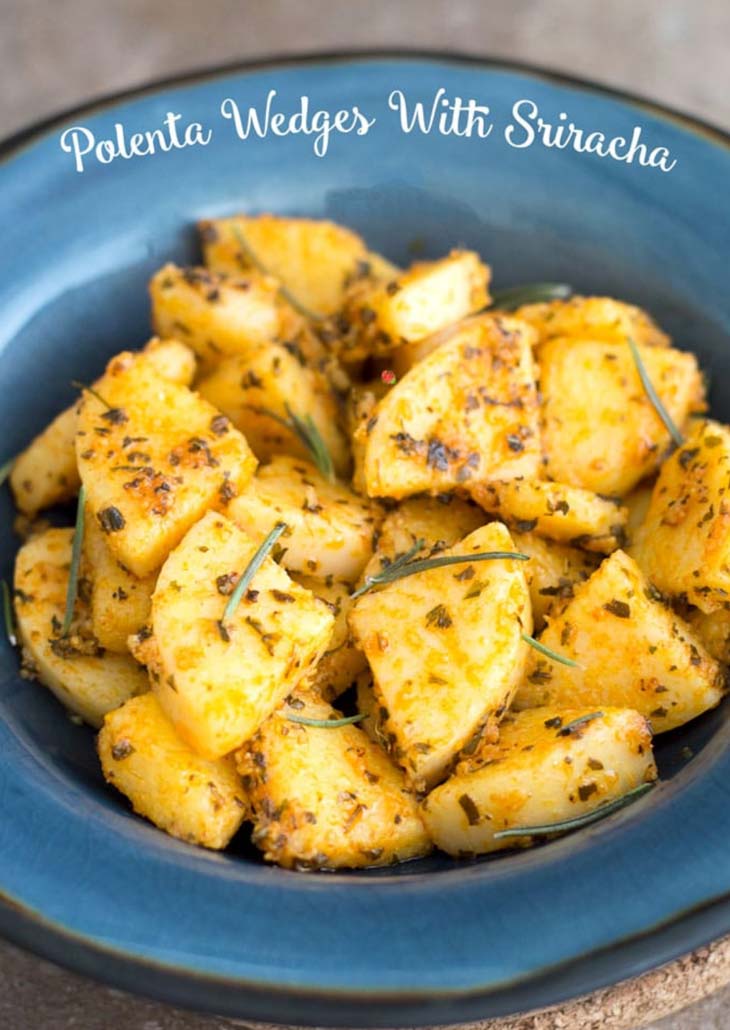
Thick wedges of firm polenta baked until the edges go golden, then loaded with sriracha for heat. A smart swap when you are bored of potatoes but still want something you can eat with your hands. Space the wedges well apart on the tray, since touching edges trap steam and you lose the crust you waited for.
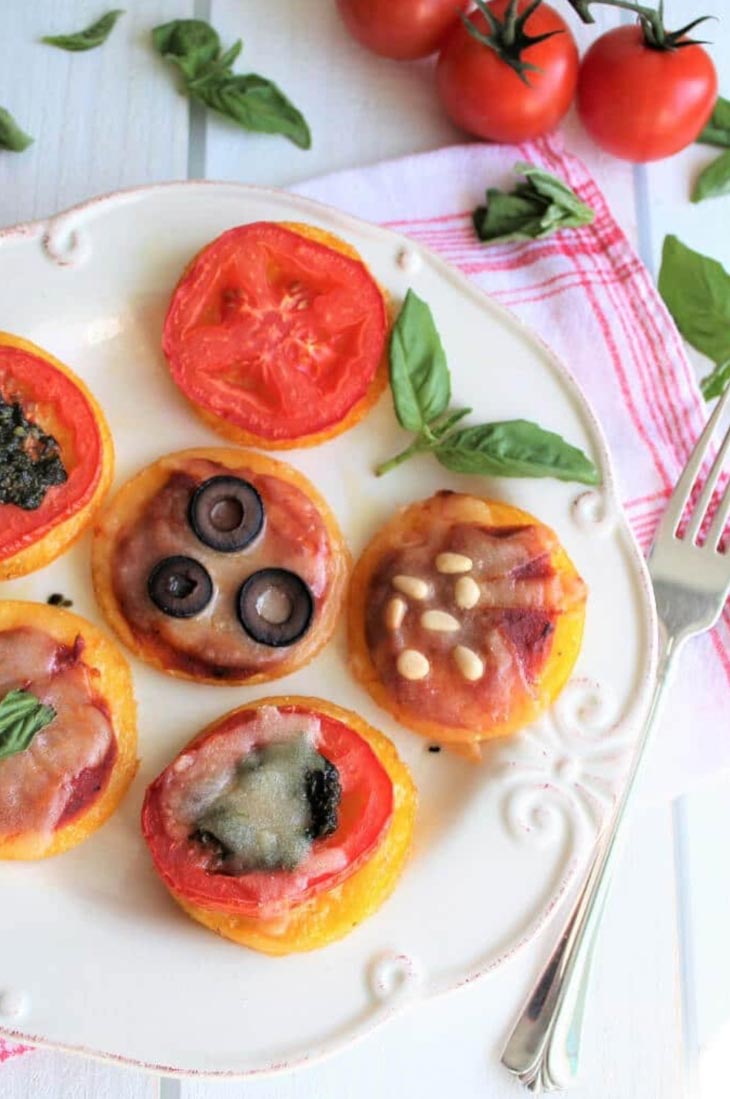
Little polenta discs standing in for pizza bases, topped with sauce and whatever else the fridge offers, then baked until bubbling. They are the best answer to leftover polenta and an easy thing to hand to kids. Pre-bake the plain discs for a few minutes before topping so the bases stay firm under the sauce.
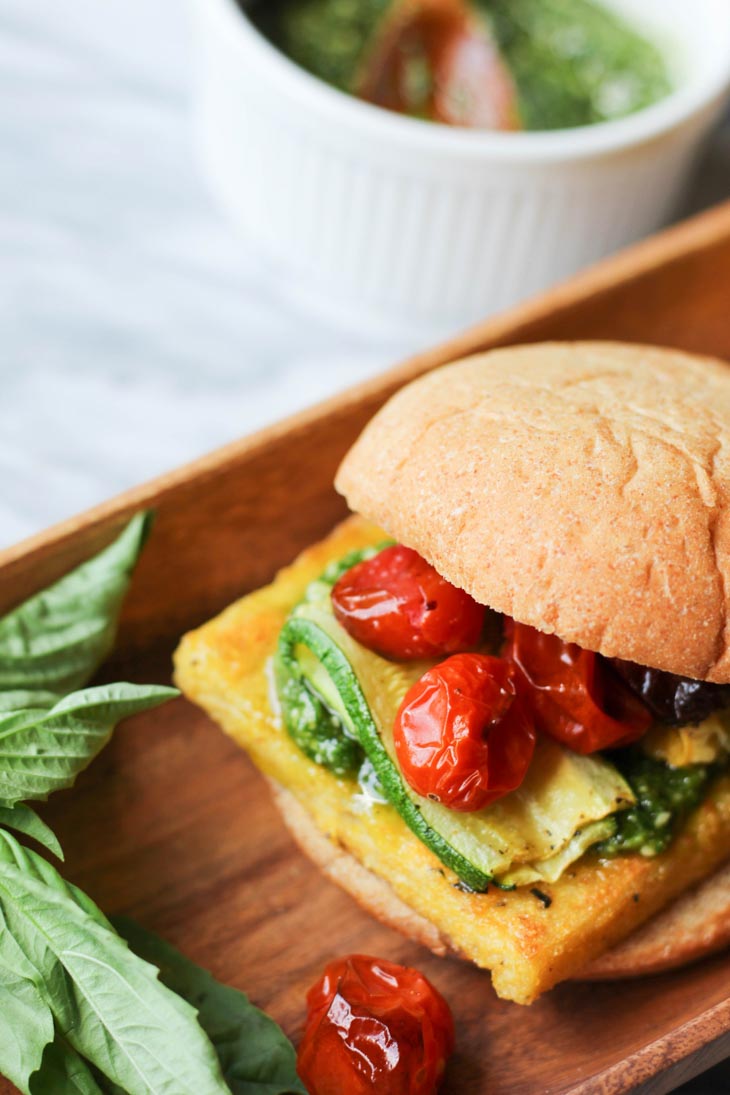
Polenta as the body of a veggie burger sounds odd until you taste it: soft inside, crisp at the edges, with pesto carrying most of the flavour. Unexpected, cheap and far more filling than it looks. Shape the patties while the polenta is still warm, then chill them before frying so they hold together in the pan.
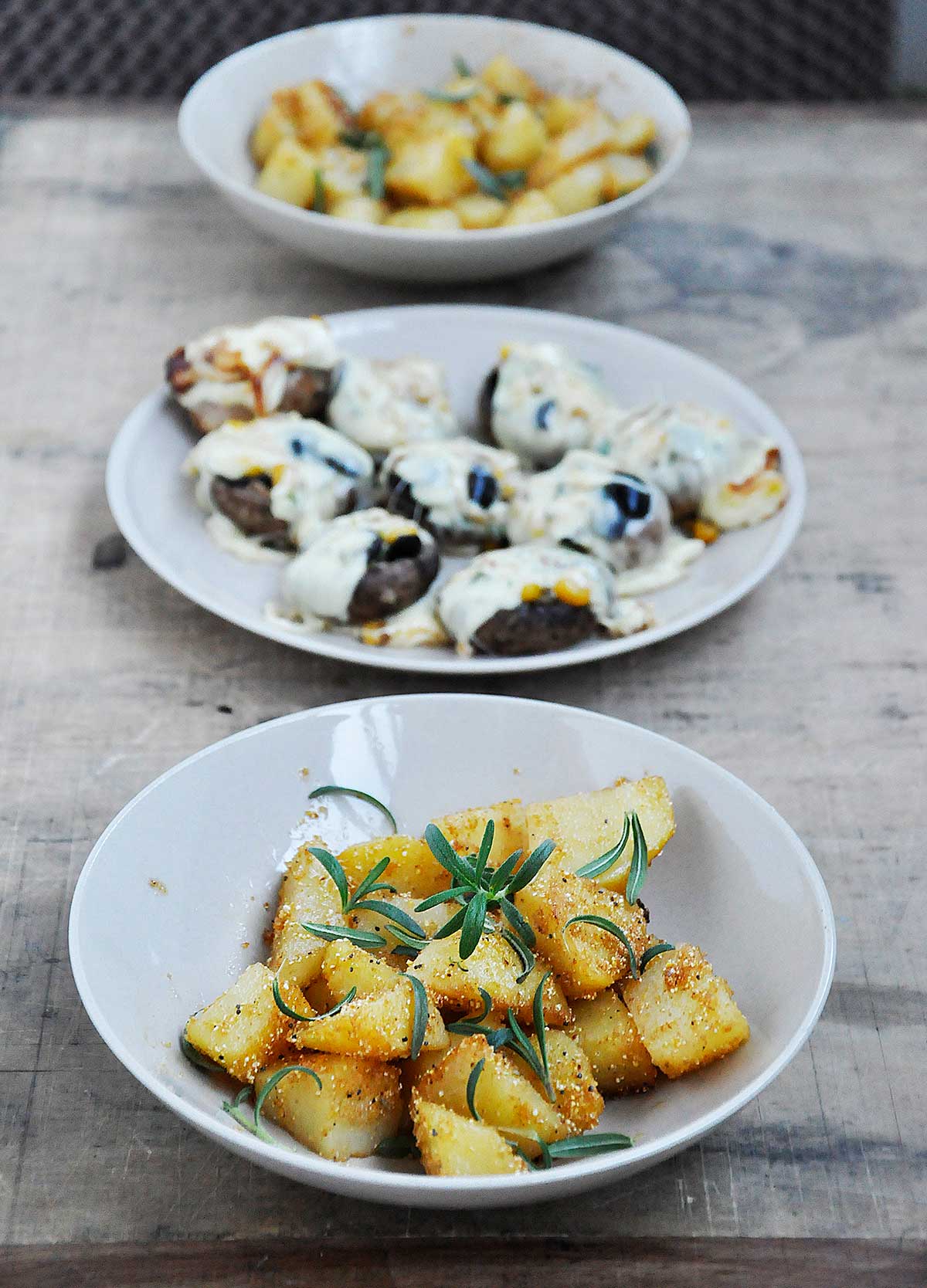
Same cornmeal, different job: a coating of it on parboiled potatoes builds a rough, sandy crust that turns properly crunchy in a hot oven. No frying and no deep fat, just one well-heated tray. Shake the drained potatoes in the pan for a moment before adding the cornmeal, so the roughed-up surface actually grabs it.
Cornmeal beyond the pot, layered into lasagna, baked into bread and fried into golden fritters.
11
FatFree Vegan Kitchen
Polenta Lasagna with Portabellas and Kale
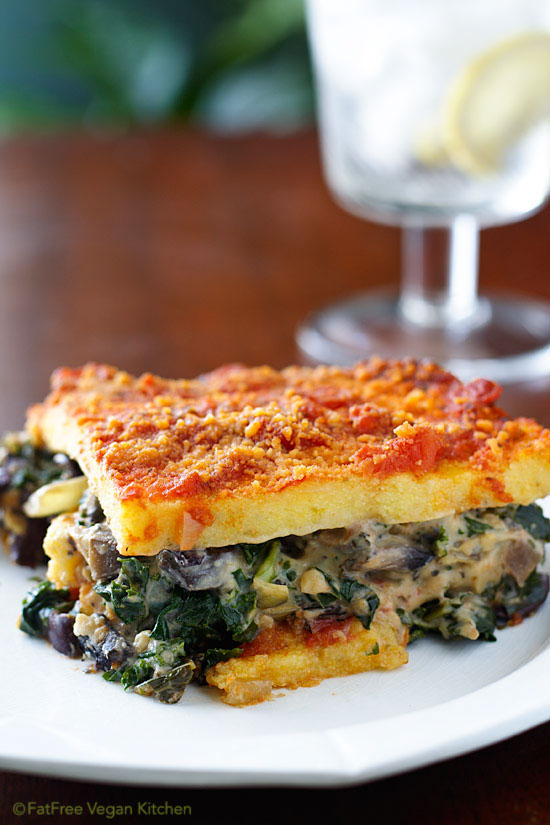
Slices of firm polenta take the place of pasta sheets, layered with meaty portabellas and kale, then baked until the top sets and starts browning. It asks for more time than most polenta dinners and repays every minute. Assemble it the day before and bake it straight from the fridge, adding ten minutes to the timer.
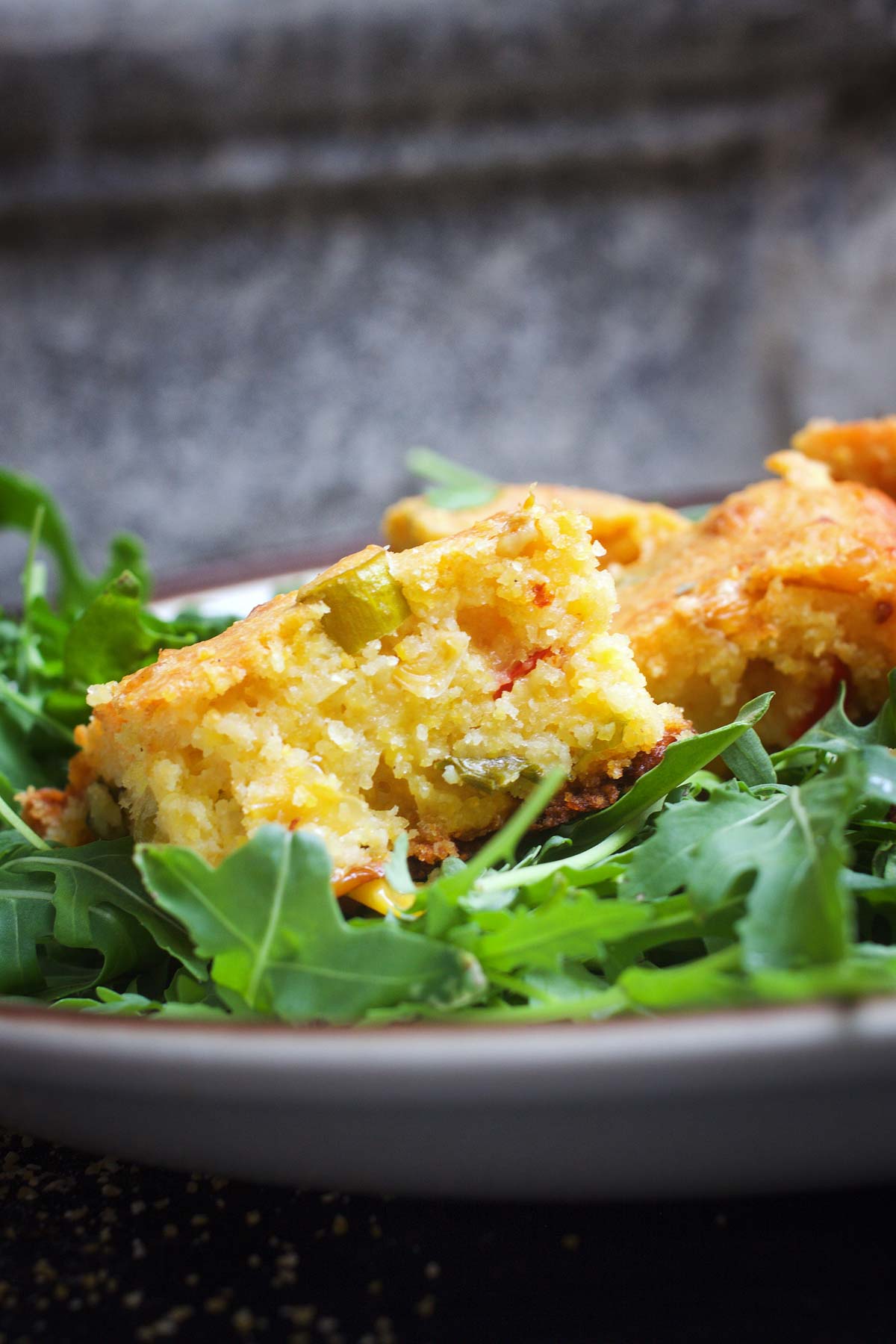
Golden, tender and only just sweet, this is the cornbread you tear into while it is still warm from the tin. It belongs next to a bowl of chili or corn chowder far more than it belongs on a dessert plate. Resist overmixing the batter: stir only until the dry streaks vanish, or the crumb turns tough and rubbery.
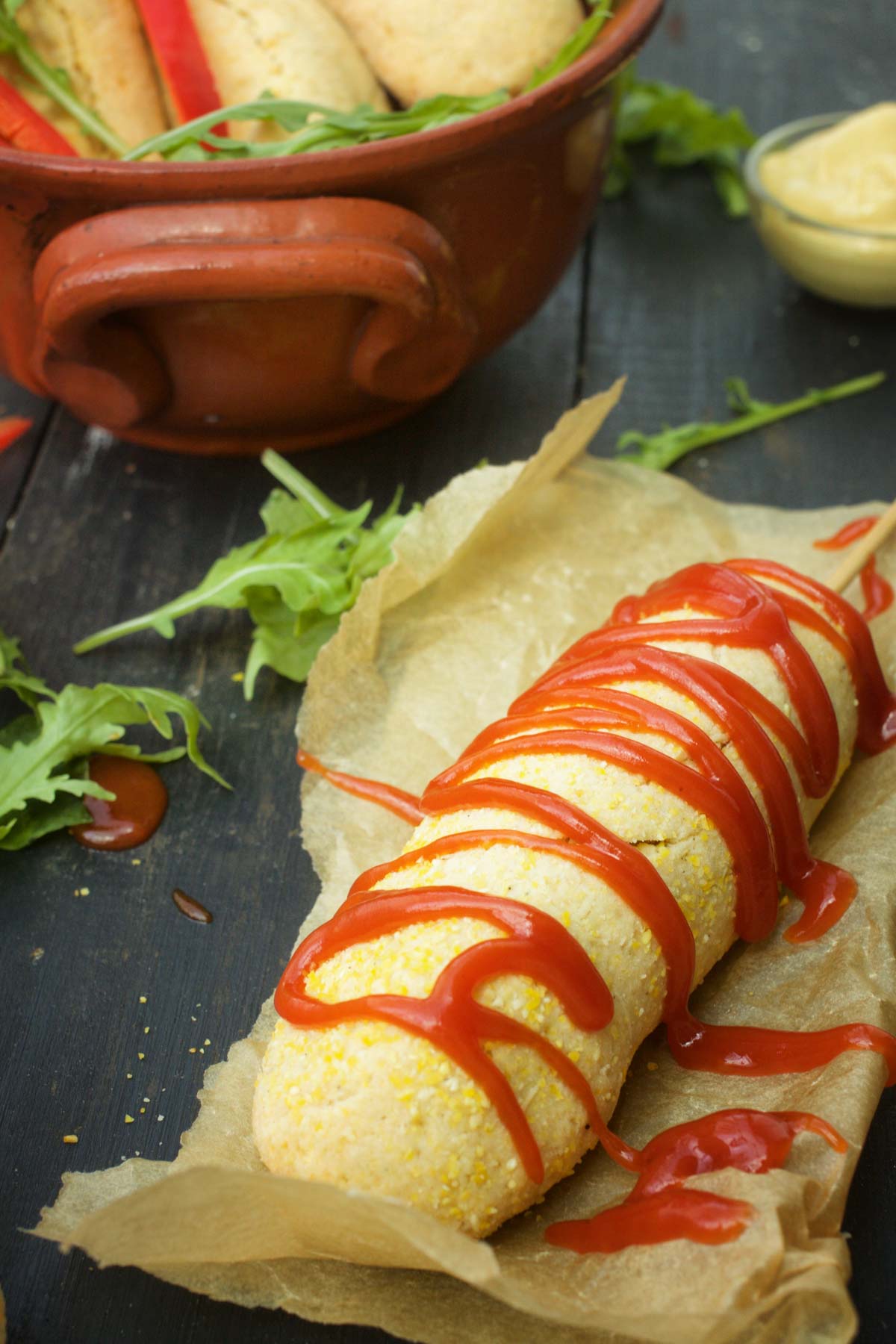
A cornmeal batter jacket fried until deep gold, wrapped around a plant-based sausage on a stick. Pure fairground food, made in your own kitchen for a fraction of what the stand charges. Chill the sausages first and pat them completely dry before dipping, otherwise the batter slides straight off in the hot oil.
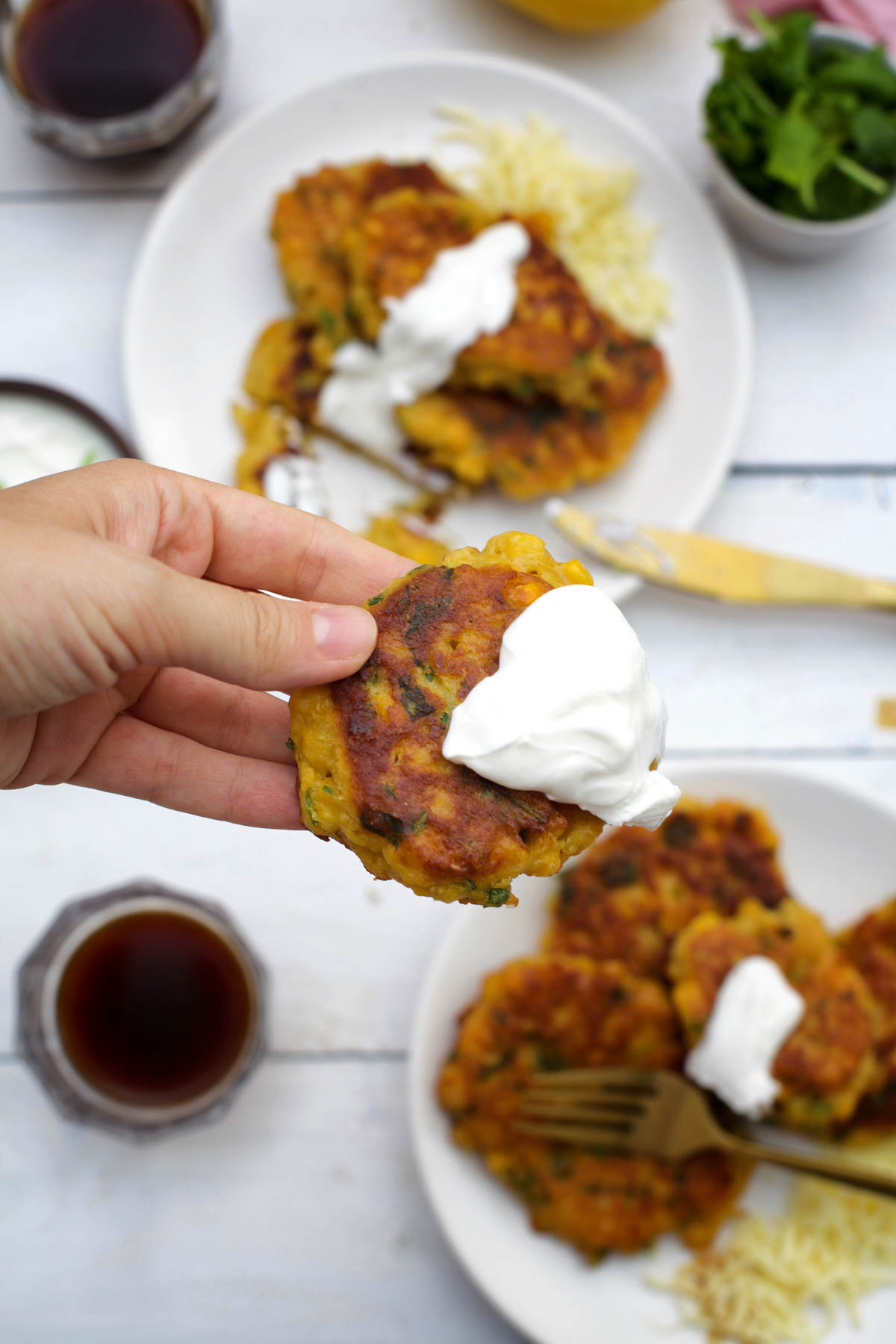
Sweet corn kernels bound in a light batter and fried in spoonfuls until the edges go lacy and crisp. Brilliant for a slow brunch, and they tend to disappear before they have properly cooled. Fry in small batches, because crowding the pan drops the oil temperature and the fritters soak it up instead of crisping.
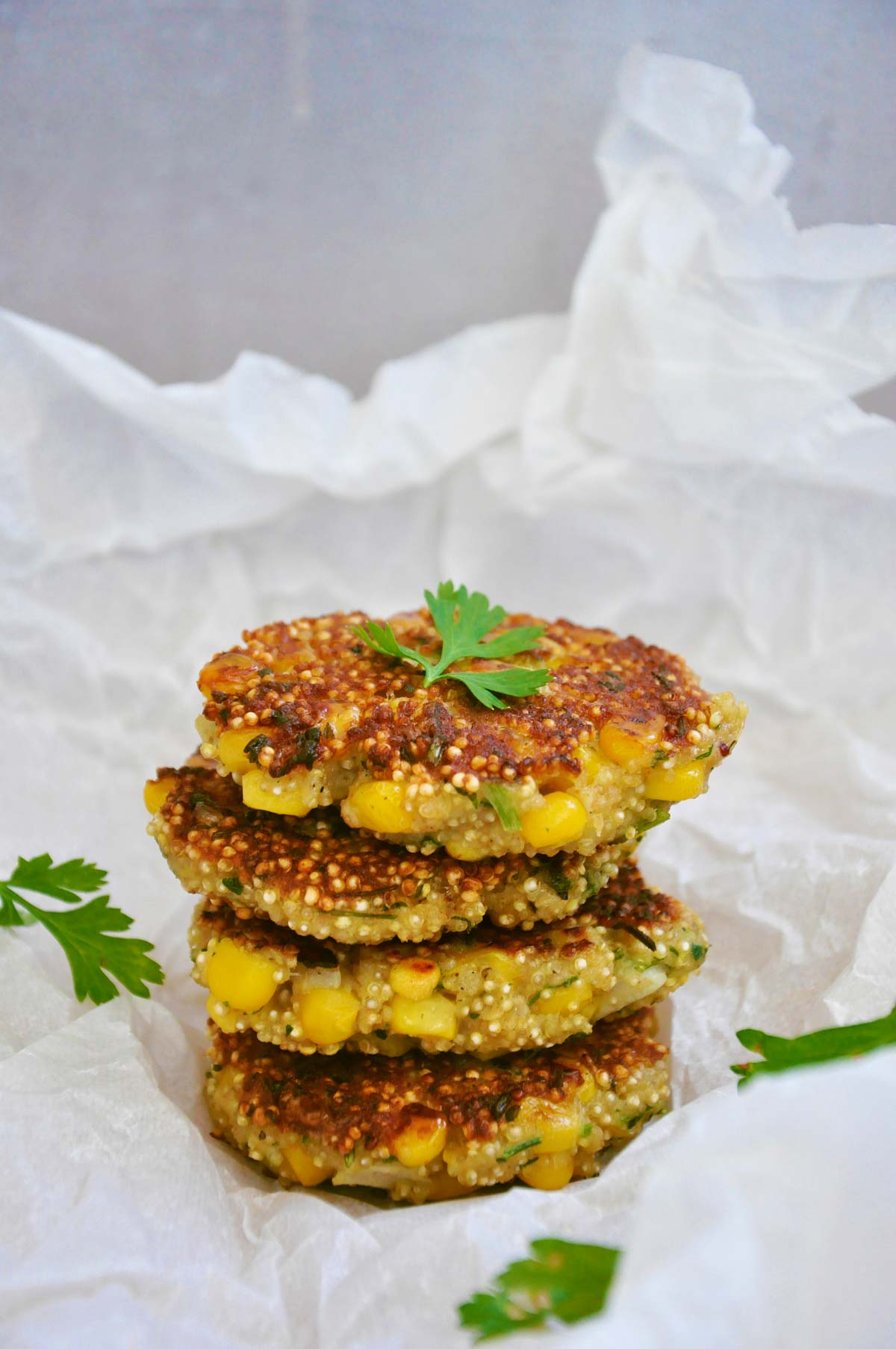
Quinoa and sweet corn held together with fresh herbs, shaped into patties and cooked until browned on both sides. They keep their texture well the next day, which makes them a reliable make-ahead lunch. Chill the mixture for half an hour before shaping and the patties stop breaking apart the moment you flip them.
What to Serve With Polenta: Soups, Salads and Sauces
Corn-forward soups, salads and sauces that round out a polenta dinner.
16
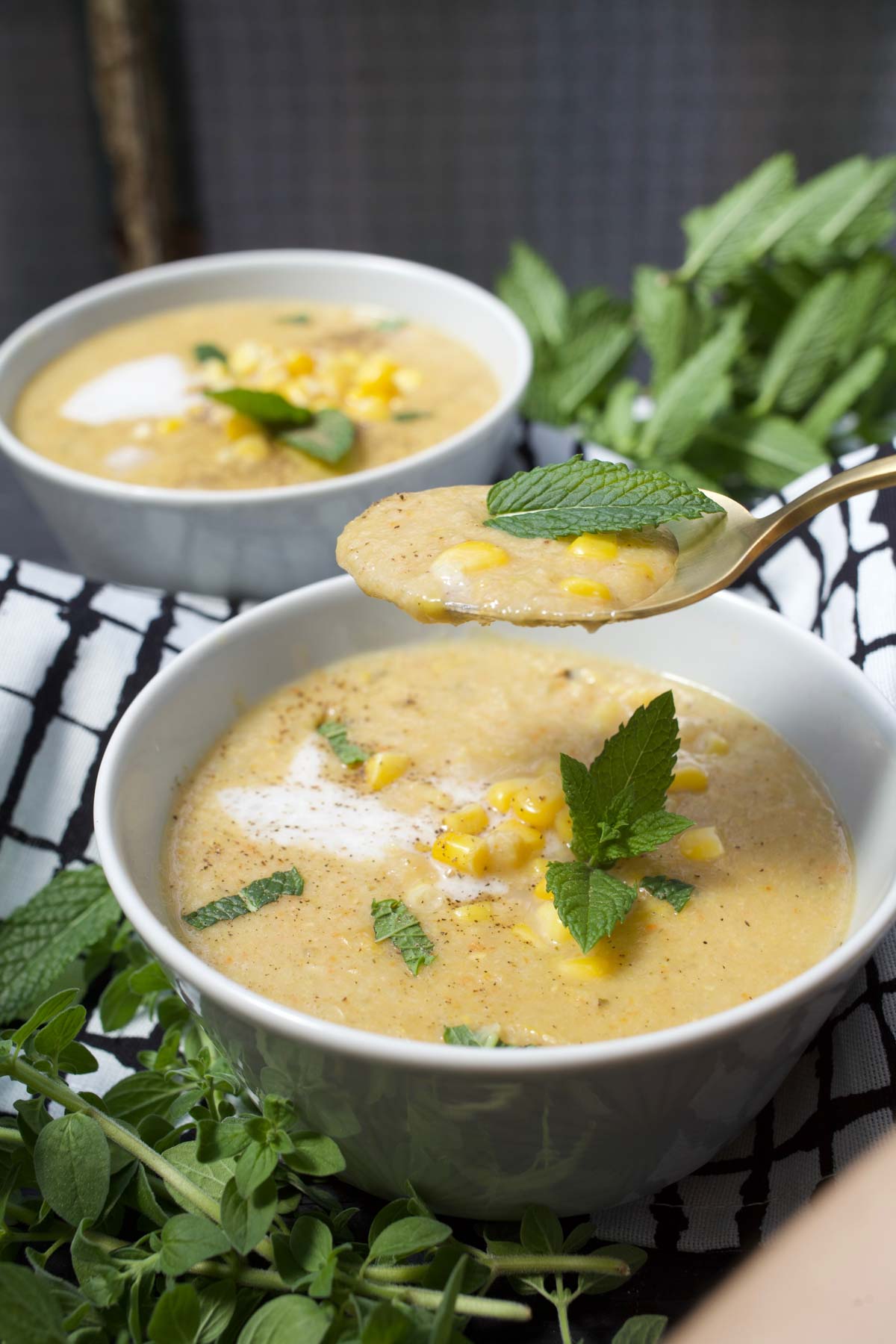
Mexican Sweet Corn Soup
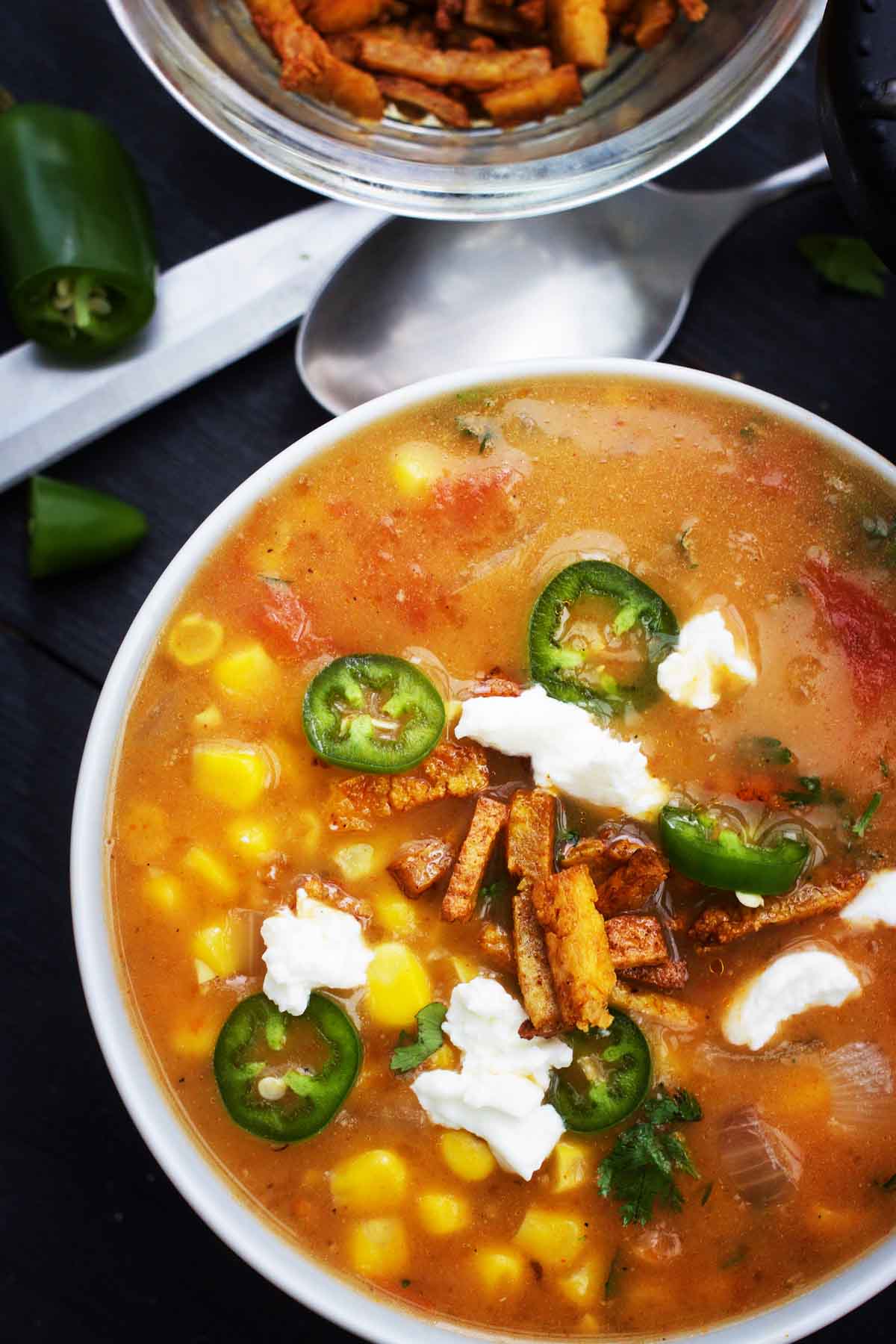
Sweet corn blended into a warm, gently spiced soup with lime and chili running underneath it. Comforting but bright, which is exactly the contrast a plate of polenta wants next to it. Simmer the stripped cobs in the broth for ten minutes before blending, because they carry more sweetness than the kernels do.
Thick, creamy and studded with kernels, this chowder works as dinner on its own or as a starter before something larger. It is the kind of soup that tastes like far more effort than it took. Blend half the pot and stir it back in for body, and you can skip the cream entirely without missing it.
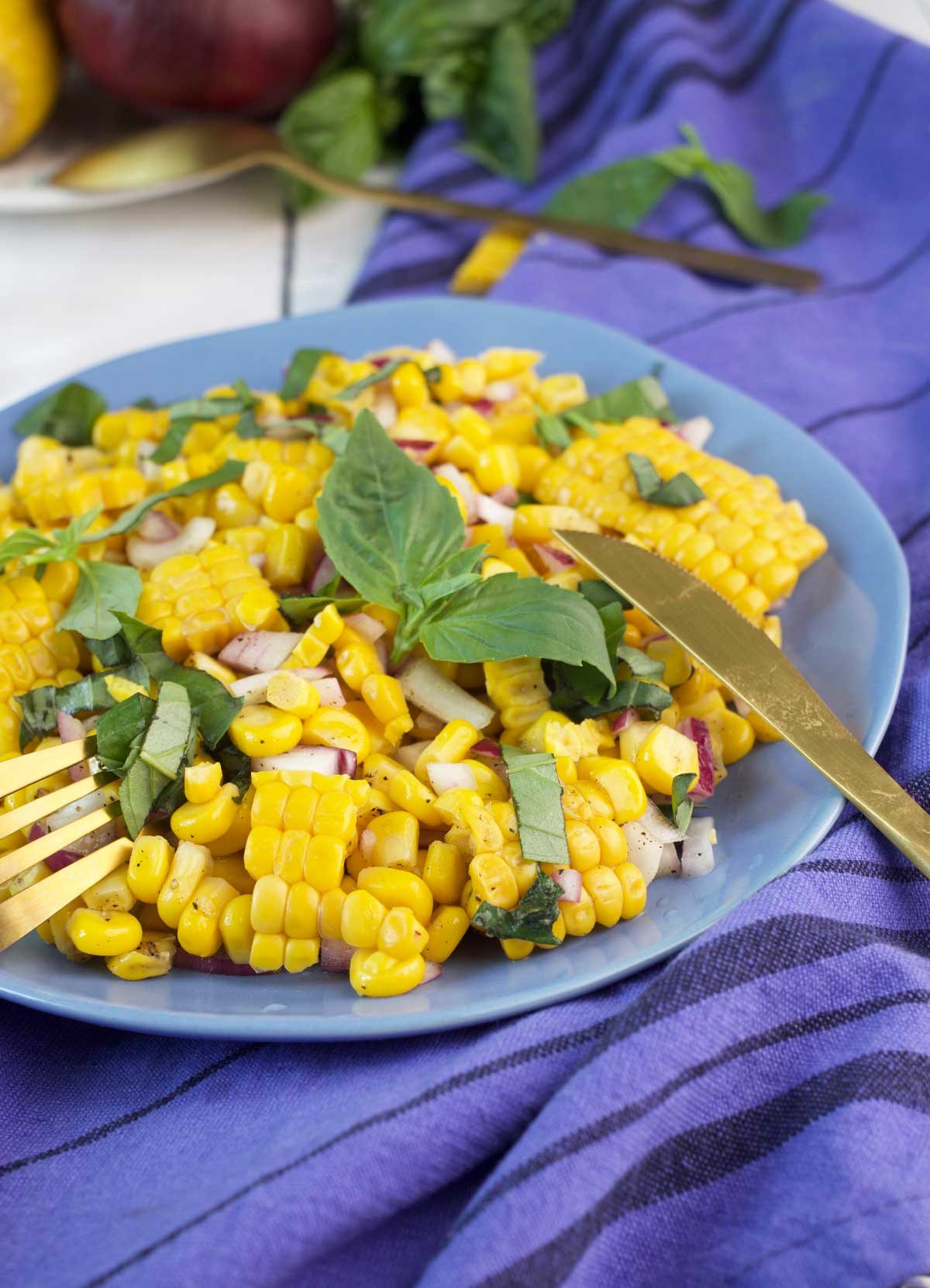
Crunchy kernels tossed with fresh vegetables and a sharp dressing, on the table in minutes. It cuts straight through anything rich, which makes it a natural partner for creamy polenta or fried polenta cakes. Dress it just before serving, since corn releases water once it is salted and the salad slumps if it sits.
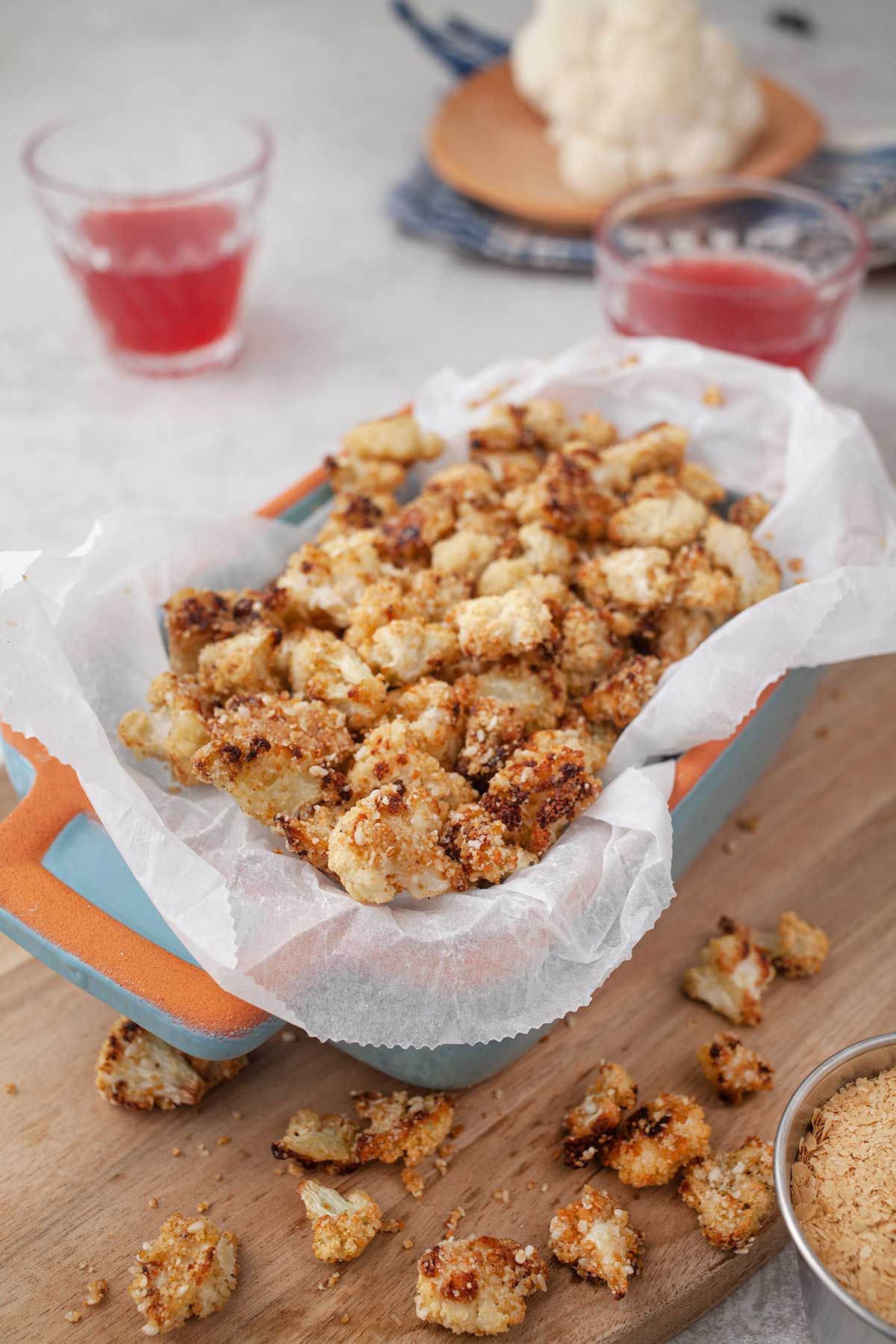
Not corn at all, but roasted cauliflower florets seasoned and browned until they are snackable by the handful, popcorn-style. Put a bowl out while the polenta is still thickening on the stove and it will be empty by the time you serve. Cut the florets small and roast them hot in a single layer so the edges caramelise instead of going soft.
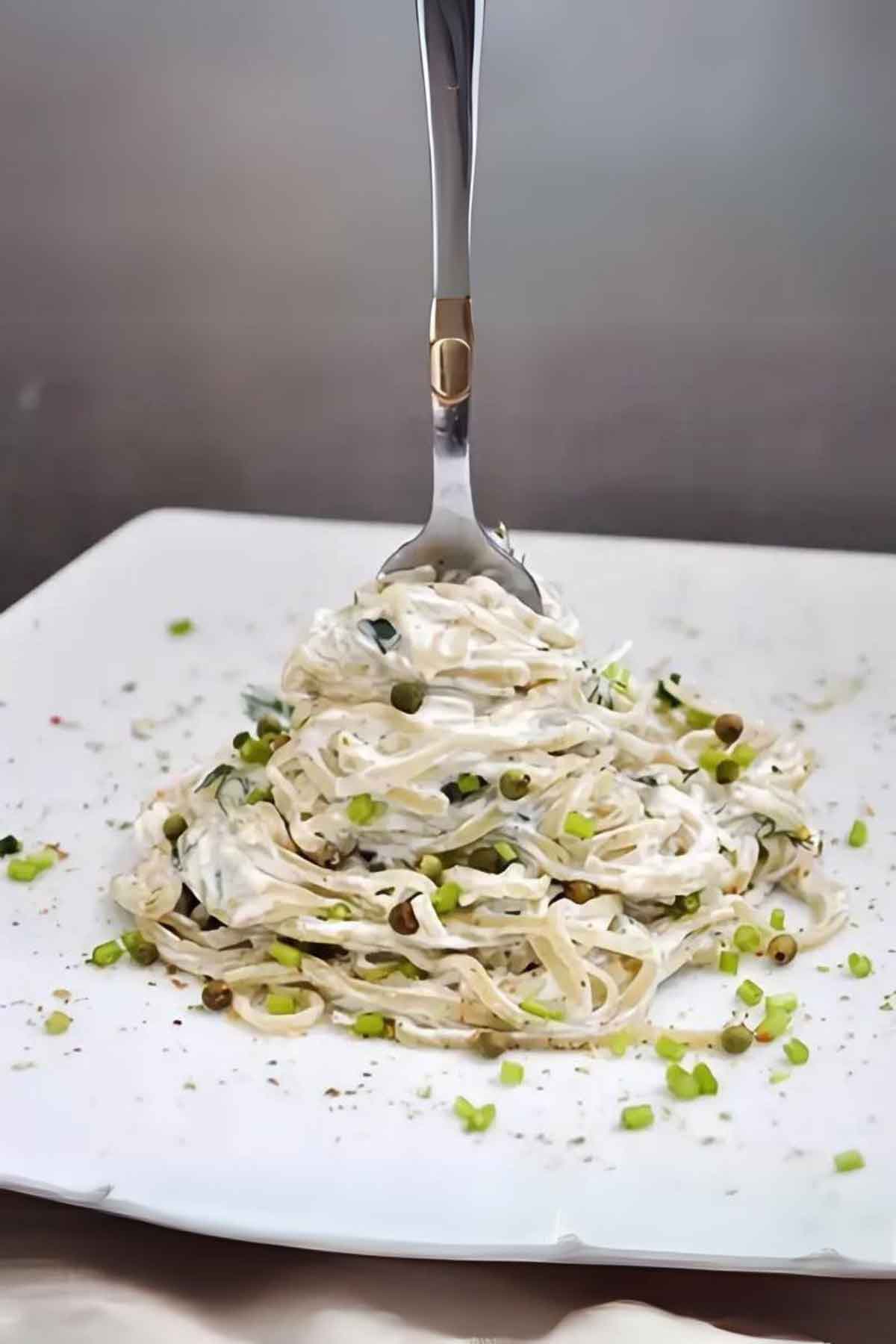
The reason a pasta dish sits in a polenta roundup is the sauce: creamy, flecked with dill and sparked with green peppercorns. Ladle it over soft polenta instead of spaghetti and it works just as well, arguably better. Crush the peppercorns lightly with the flat of a knife first, so they release flavour without turning harsh.
Polenta is made of cornmeal simmered in liquid, usually water or broth, with salt. That is the entire base recipe. Everything else, whether coconut milk, olive oil, herbs, cheese or a topping, is an addition. The grind of the cornmeal, fine or coarse, changes the final texture more than any ingredient you stir in.
Is polenta the same as cornmeal?
Cornmeal is the ingredient; polenta is the dish you cook from it. Bags labelled polenta are usually a medium or coarse grind of yellow cornmeal, which is why they take longer to cook and give more bite. Fine cornmeal works too, it simply goes softer and cooks faster.
How do you stop polenta from going lumpy?
Add the cornmeal to simmering liquid in a slow stream while whisking constantly, rather than tipping it in all at once. Keep the heat low afterwards and stir every few minutes, scraping the base of the pot as you go. If lumps still form, a stick blender smooths the whole pot out in seconds.
Is polenta gluten free?
Plain cornmeal contains no gluten, so basic polenta is naturally gluten free. Check the packet if you are coeliac, because some cornmeal is milled in facilities that also handle wheat and may be cross contaminated. Ready-made polenta tubes and instant blends can carry added ingredients too, so read the label.
Can you make polenta ahead of time?
Yes, and every firm polenta recipe depends on it. Pour the hot polenta into an oiled tray, level the top, cool it, then chill for at least four hours or overnight before slicing. For creamy polenta, reheat it gently with a splash of water or plant milk and whisk until it loosens back up.
What do you serve with polenta?
Anything with sauce. Sauteed or braised mushrooms, tomato-stewed beans, balsamic roasted vegetables, garlicky wilted greens or a creamy herb sauce all work, because soft polenta is a base that soaks up whatever you spoon over it. Firm polenta flips the logic: it becomes the crisp element and wants a dip alongside.
Ruxandra Niță
Ruxandra Niță (formerly Micu) is a vegetarian food blogger, recipe developer and food photographer. Started Gourmandelle in 2011 and published more than 1,000 tested vegetarian and vegan recipes in English and Romanian.