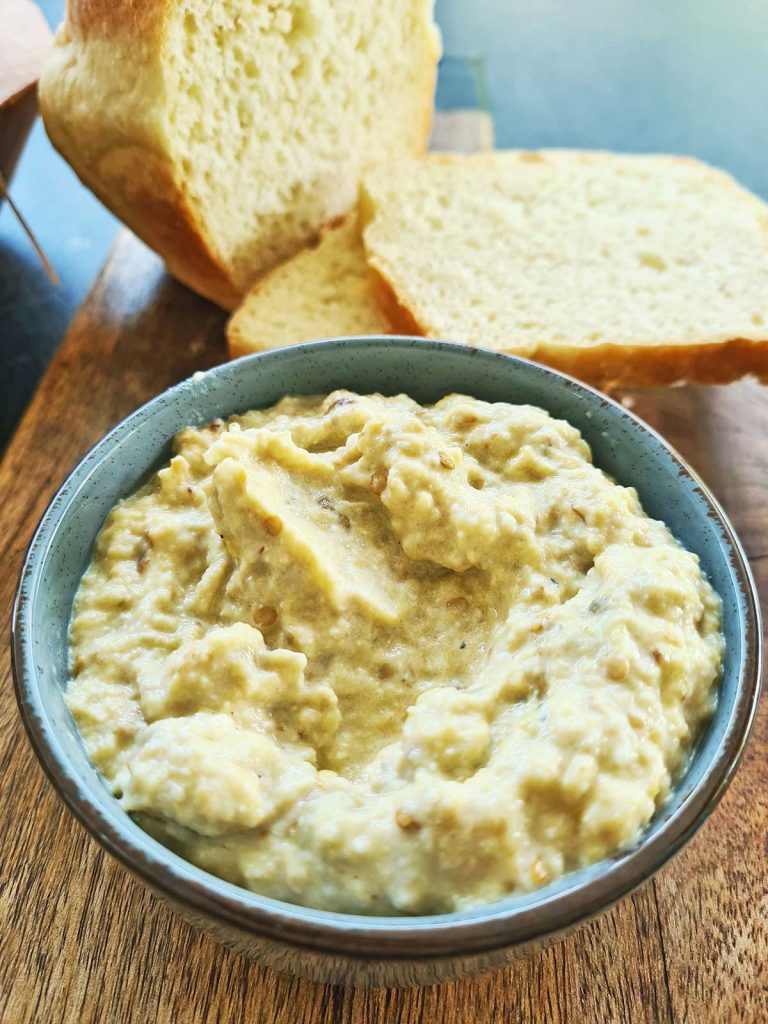
Upma | Savory Semolina Pudding for Breakfast
Upma is a savory South Indian breakfast made from toasted semolina cooked with a fragrant tempering of mustard seeds, cumin, curry leaves, lentils and cashews. The result is a soft, fluffy, lightly spiced porridge that comes together in about 20 minutes with pantry staples. Today I want to tell you about this delicious South Indian breakfast, also known as “savory semolina pudding,” and show you how to get it soft and fluffy every single time.
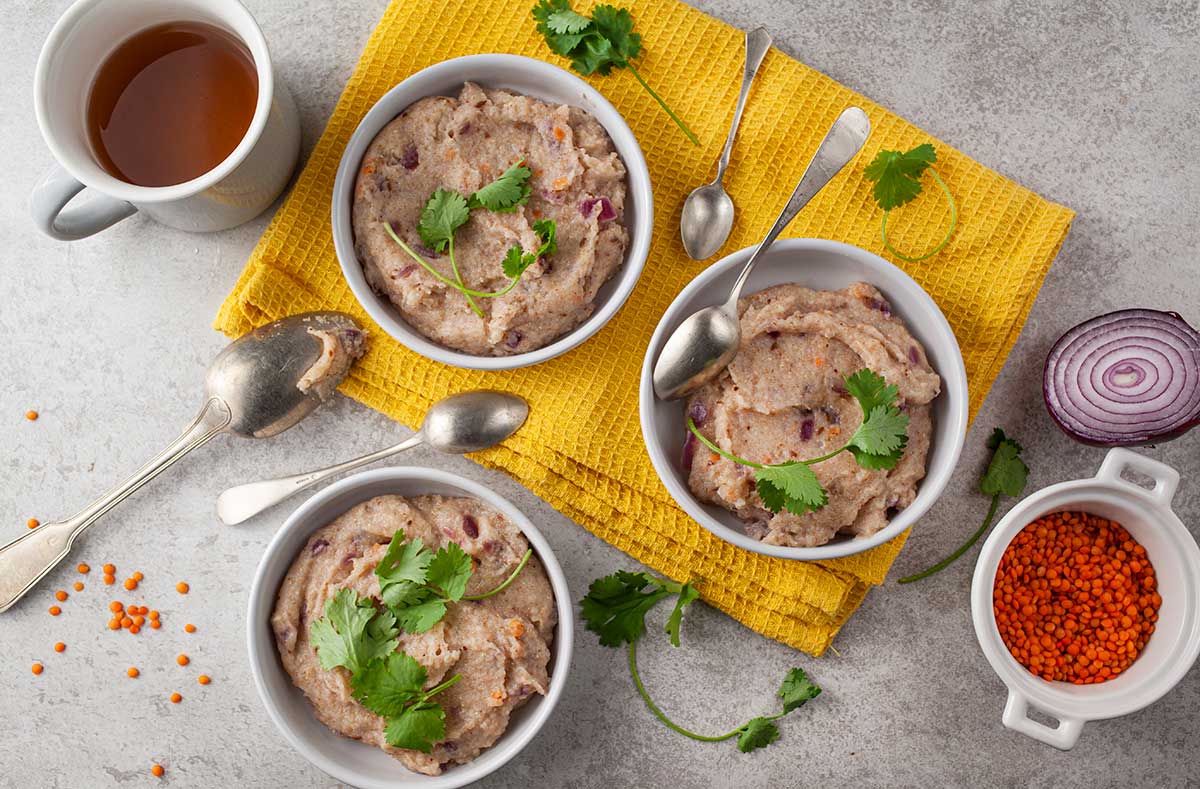
A Beloved South Indian Breakfast
Upma is a warm, comforting dish that shows up on breakfast tables across South India, and it is often associated with the Karnataka region. It is savory rather than sweet, which surprises people who expect semolina to always turn into a dessert. I’m sure you’ll fall in love with this savory semolina pudding as much as I do — it is filling, gently spiced, and the kind of breakfast that keeps you going for hours.
The Ingredients You’ll Need
Upma is built on a handful of simple components, each doing a specific job. Here is what goes into this recipe and why it matters:
- Semolina — the base of the dish. Toasting it first is the key to a fluffy, non-gummy texture.
- Ghee — clarified butter carries the spice flavors and gives Upma its richness. This is what makes the recipe vegetarian rather than vegan.
- Mustard seeds and cumin seeds — the tempering base. They crackle in the hot ghee and release a nutty, aromatic flavor.
- Red lentils — a small amount added to the tempering for a toasty crunch and a little extra protein.
- Cashews — finely crushed for gentle richness and texture.
- Red onion, hot pepper, curry leaves and fresh ginger — the aromatics that build the savory backbone. If you want to get more out of that root, take a look at these ways to cook with ginger.
- Fresh cilantro and a squeeze of lime — added at the end to brighten everything up.
How to Get Upma Soft and Lump-Free
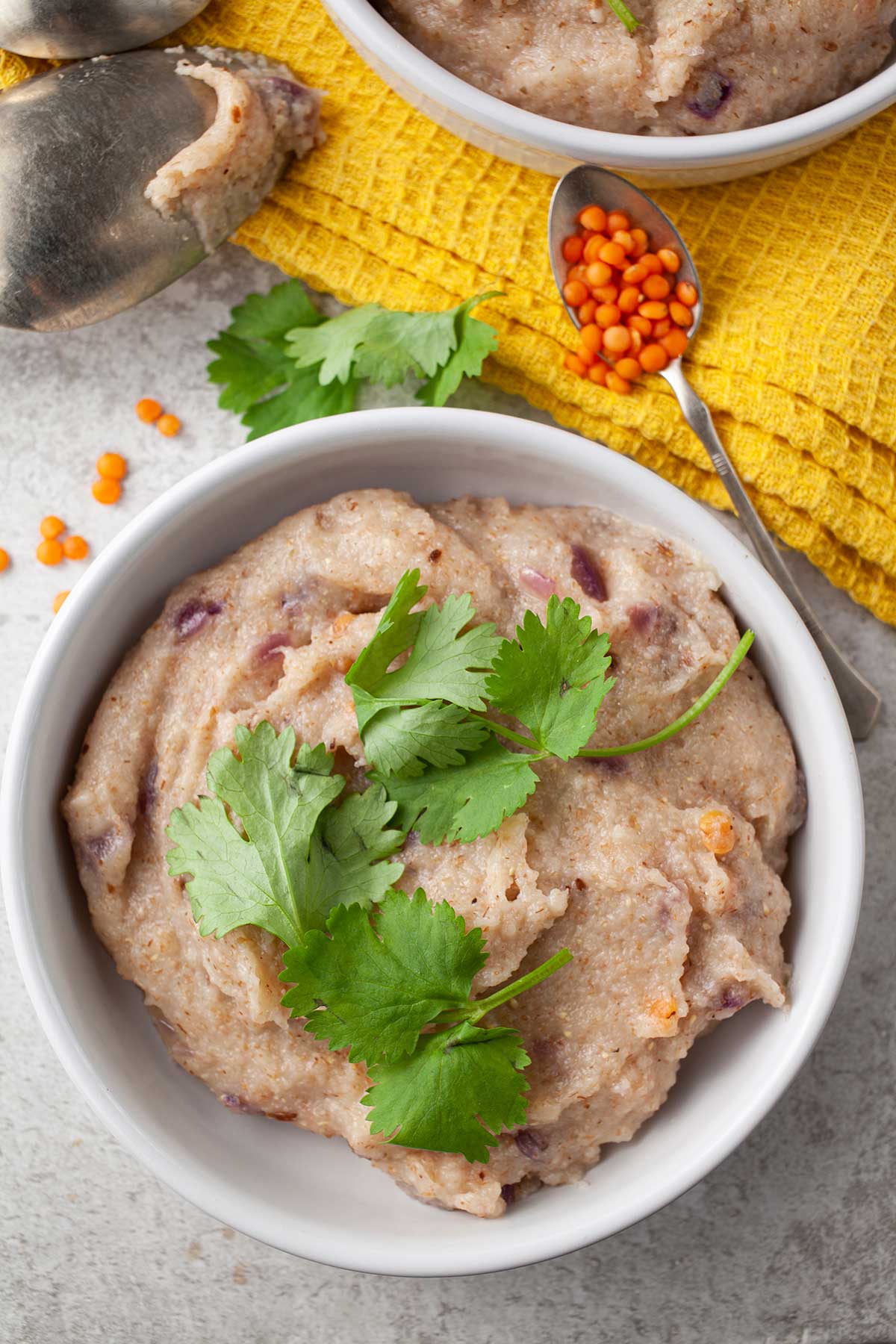
The whole recipe hinges on two moments. First, toast the semolina in a dry pan on its own until it smells nutty and looks drier, then set it aside. Second, once your tempering and water are ready, add the semolina by sprinkling small amounts at a time while stirring continuously. That steady stream, rather than dumping it all in at once, is what prevents clumps.
The ratio to remember is two and a half cups of water to one cup of semolina. Bring the water to a boil, lower the heat, then rain in the semolina while stirring. When a thick pudding forms, put the lid on, turn off the heat, and let it rest for three to four minutes. That short rest lets the grains finish swelling and gives you that light, fluffy finish.
Why Toasting the Semolina Matters
Dry-toasting the semolina before it meets any liquid does two things. It cooks off the raw, floury taste, and it firms up the outside of each grain so they stay separate instead of melting into a paste. Skip this step and Upma tends to turn sticky and heavy. Take the extra two or three minutes at the start and you are rewarded with a texture that stays light and pleasant.
How to Serve Upma
Spoon the Upma onto plates while it is still warm and finish it with fresh cilantro and a good squeeze of lime. It is a complete breakfast on its own, but it also loves company: a spoonful of chutney on the side or a cup of hot tea rounds it out beautifully. It fits naturally into a wholesome morning routine, right alongside other nourishing breakfast ideas. If Upma sparks a craving for more South Asian cooking, browse these Indian recipes for your next meal.
Storing and Reheating
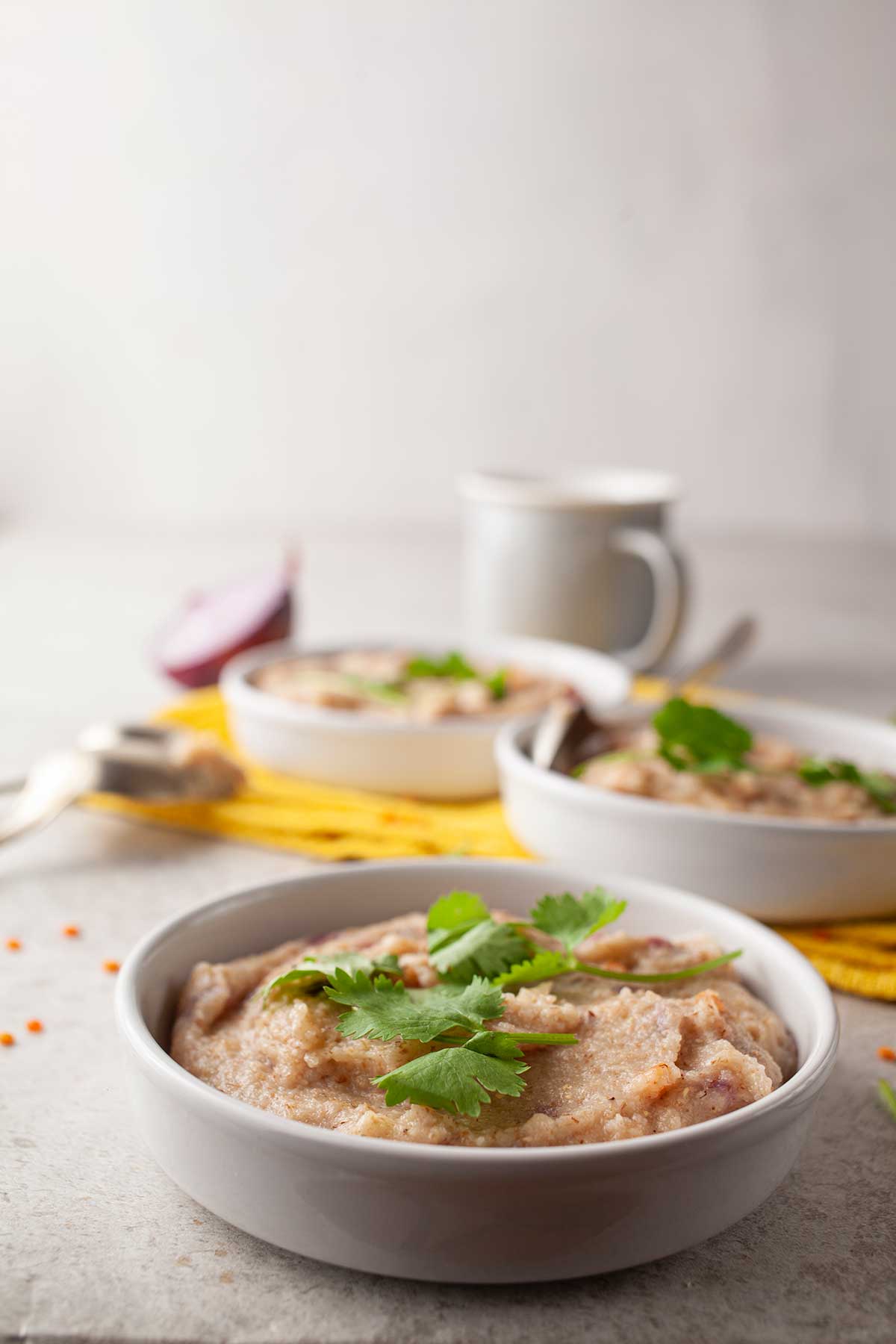
Upma is best fresh, but leftovers keep well in an airtight container in the fridge for up to two days. It firms up as it cools, so when you reheat it, add a splash of water and warm it gently on the stove or in the microwave, stirring so it loosens back into that soft pudding texture. If you enjoy working with semolina, you might also like it in a sweeter direction, as in this semolina pudding with blueberry jam.
I encourage you to venture into the kitchen and try this wonderful Upma recipe — I promise you a tasty, nutritious breakfast full of exotic flavors. If you make it, please rate the recipe below and leave a comment telling me how spicy you took yours and what you served alongside it.
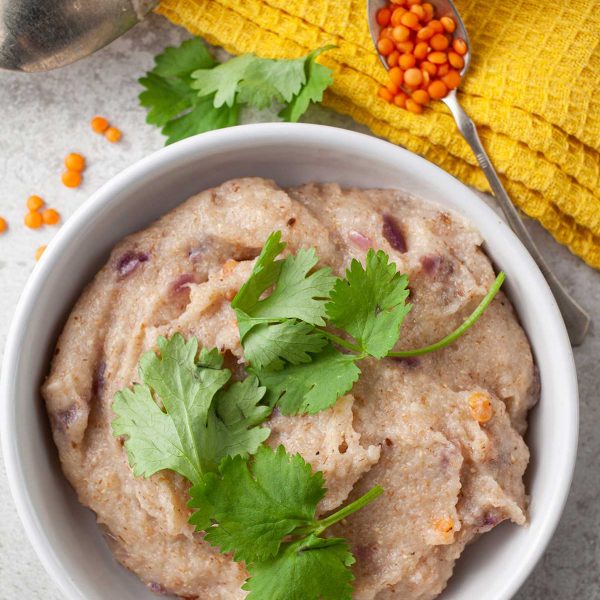
Upma – Savory Semolina Pudding
Ingredients
- 1 cup semolina
- 2 tablespoons ghee
- 1 teaspoon mustard seeds
- ½ teaspoon cumin seeds
- 2 teaspoons red lentils
- 2 tablespoons cashews finely crushed
- 2 tablespoons red onion finely chopped
- ½ teaspoon hot pepper finely chopped
- 1 teaspoon fresh ginger finely chopped
- 3-4 curry leaves
- salt to taste
- fresh cilantro a small bunch
- lime juice for serving
Instructions
- Heat a pan over medium heat and add the semolina. Toast it in the dry pan, stirring, until it smells fragrant and looks a little drier. Transfer it to a bowl and set aside.
- In a clean frying pan over medium heat, add the ghee. Once it melts, add the mustard seeds. When they start to crackle, add the cumin seeds and lentils and fry, stirring, until they turn brown.
- Add the crushed cashews and chopped onion and cook until the onion becomes translucent.
- Add the hot pepper, ginger, curry leaves and salt to taste.
- Stir to combine, then pour in two and a half cups of water. When the water boils, lower the heat and add the semolina, sprinkling in a little at a time and stirring continuously.
- When a thick pudding forms, put the lid on, turn off the heat and let it rest, covered, for 3-4 minutes before serving.
- Spoon the upma onto plates and serve with fresh cilantro and a squeeze of lime juice.
Notes
Frequently Asked Questions
Upma is made from semolina toasted in a dry pan, then simmered with a tempering of ghee, mustard seeds, cumin seeds and red lentils, along with cashews, red onion, hot pepper, fresh ginger and curry leaves. It is finished with fresh cilantro and a squeeze of lime. The result is a soft, savory semolina porridge.
As written, this Upma is vegetarian, because it uses ghee (clarified butter) for tempering the spices. To make it vegan, simply swap the ghee for a neutral cooking oil or vegan butter, since every other ingredient in the recipe is plant-based.
Sticky, lumpy Upma usually comes from two missed steps. Toast the semolina in a dry pan first so the grains stay separate, and add it to the boiling water by sprinkling small amounts at a time while stirring continuously, rather than pouring it in all at once.
This recipe uses two and a half cups of water for every one cup of semolina. Bring the water to a boil, lower the heat, then rain in the toasted semolina while stirring until a thick pudding forms.
Upma is a filling, wholesome breakfast built around semolina, a little protein from red lentils and cashews, and aromatics like ginger, onion and curry leaves. It is savory rather than sugary, which makes it a satisfying way to start the day.
Upma is a complete breakfast on its own, finished with cilantro and lime. It also pairs well with a spoonful of chutney on the side or a hot cup of tea, and it fits nicely into a larger Indian-style spread.