
How to Eat Macrobiotic the Easy Way: My Weekly Menu and Grocery List
The easy way to eat macrobiotic is to skip the strict rules and keep the core: build most meals around whole grains, add a soup, beans and plenty of cooked vegetables, eat something fermented on the side, and cook grains and beans in batches so the week runs itself. Below are the habits I keep, a full week of macrobiotic meals with recipes from the blog, a grocery list, and the mistakes I made when I started.
I first went macrobiotic in 2013 and came back to it in January 2015, after a stressful year of eating badly. I’ve never been 100% macrobiotic, and I’m not today either. I still eat fruit every day (I’ll never give up avocados and bananas). But I have periods, a few weeks at a time, when I go back to brown rice, soups and gomasio, and I love how simple cooking gets when I do.
The short version
- Every day: a whole grain, a soup, beans or lentils, cooked vegetables, a little fermented food.
- Cook ahead: one pot of grains every two days, one pot of beans a week.
- Don’t overdo the salt: miso, tamari, gomasio and pickles add up fast.
- Take B12 if you eat few or no animal foods.
- Skip the extremes: no brown-rice-only “cleanses”.
Table of Contents
- The Macrobiotic Habits I Keep
- Cook Once, Eat for Days
- My Week of Easy Macrobiotic Meals
- Macrobiotic Grocery List
- Watch the Salt (and Get Your B12)
- What About Protein?
- Mistakes I Made When I Started
- My Free Macrobiotic Meal Plans
- More Macrobiotic Recipes
- The Studies and Sources Behind This Guide
- FAQ
The Macrobiotic Habits I Keep
These are the macrobiotic habits that stuck with me, the ones that make a difference without making life complicated. If you’re new to macrobiotics, read my macrobiotic diet guide first: what it is, the food list, the risks.
- A whole grain at every main meal. Brown rice, millet and polenta are my favorites, plus buckwheat and oats. I cook about 2/3 cup (125 g) of brown rice a day for the two of us and eat it at lunch and dinner.
- Soup once or twice a day. I make a big pot once or twice a week, so there’s always soup for lunch.
- Beans or lentils every day. Red lentils and chickpeas are my favorites, then adzuki beans.
- Mostly cooked vegetables. Cabbage, carrots, onion, broccoli, squash, root vegetables, stir-fried or steamed.
- Something fermented on the side. Sauerkraut, pickled cauliflower, a spoonful of miso in the soup.
- Gomasio instead of salt. Toasted sesame seeds ground with sea salt. It’s amazing on brown rice and on steamed vegetables.
- Chewing well and eating slowly. It sounds trivial, but it’s the habit that changed how full I feel after a meal.
And the macrobiotic rules I don’t follow: I eat fruit, tomatoes, potatoes and spinach, and I don’t count yin and yang.
Cook Once, Eat for Days
The trick that makes macrobiotic eating easy is cooking grains and beans in batches.
- Grains: cook a pot of brown rice or millet every two days and keep it in the fridge in a closed container. Cool cooked rice quickly and eat it within a day.
- Beans: at the beginning of the week I cook 500 g of dried chickpeas or beans, then keep them in the fridge (up to 3-4 days) or freeze them in portions. Soak them overnight first. A pinch of baking soda in the soaking water makes them softer and faster to cook; rinse them well afterwards.
- Soup: one big pot lasts two or three days.
- Gomasio: make a jar and it lasts for weeks.
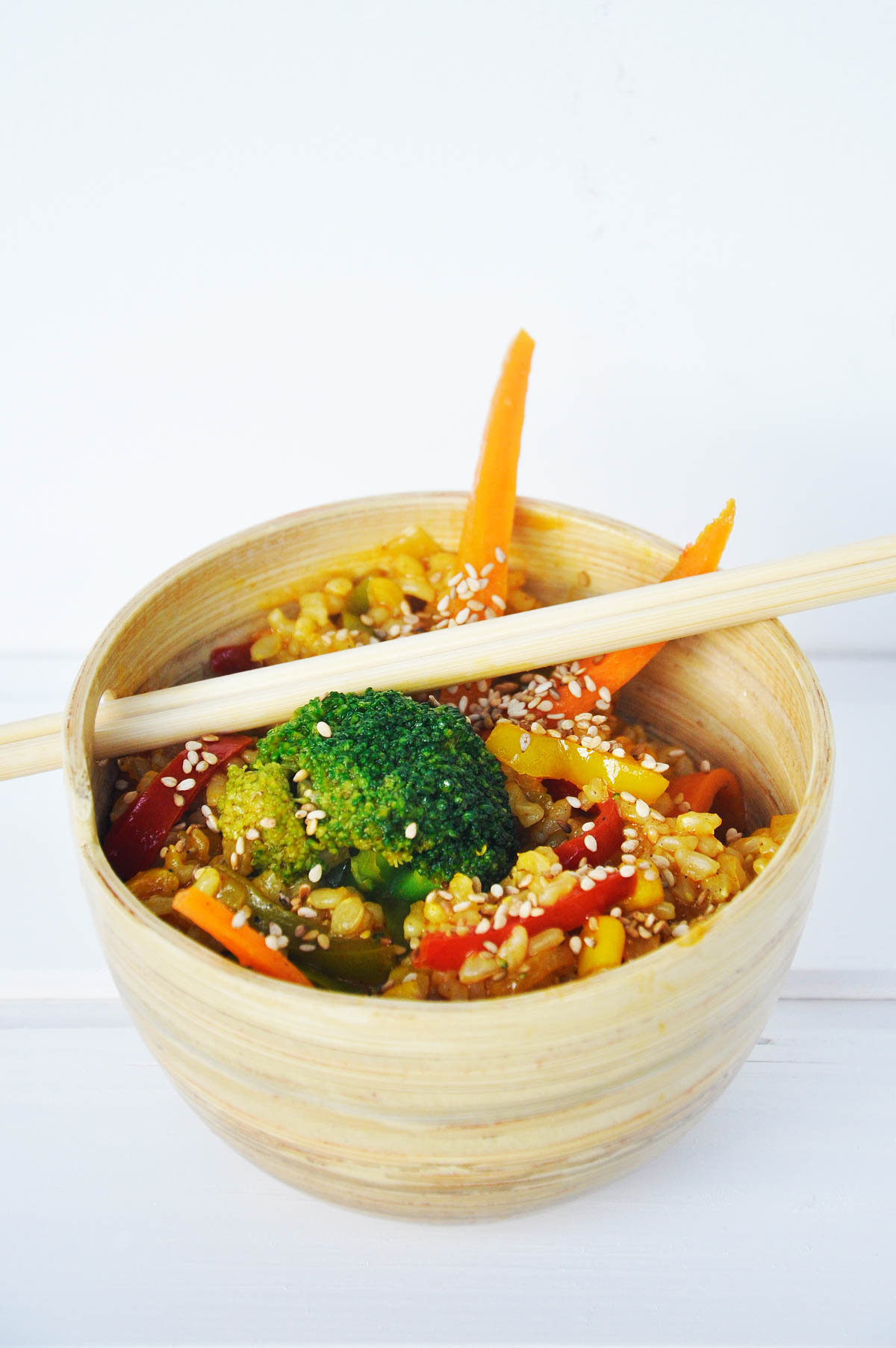
With these ready, dinner is a 15-minute stir fry: vegetables in the pan, rice from the fridge, a spoonful of beans, a little tamari.
My Week of Easy Macrobiotic Meals
Here’s a full week of macrobiotic meals, built from recipes on the blog. Breakfast is usually something warm and simple; lunch is soup plus grains; dinner is a grain bowl or patties with vegetables. Add a spoonful of sauerkraut or another fermented vegetable to lunch or dinner.
| Day | Breakfast | Lunch | Dinner |
|---|---|---|---|
| Monday | Porridge with grated apple and walnuts | Creamy carrot soup with ginger + brown rice with gomasio | Macrobiotic stir fry with brown rice |
| Tuesday | Tofu scramble with carrots and parsley | Leftover carrot soup + brown rice | Chickpea patties + roasted cabbage |
| Wednesday | Porridge with pears and cinnamon | Vegan miso soup + leftover chickpea patties | Mushroom rice pilaf + steamed broccoli |
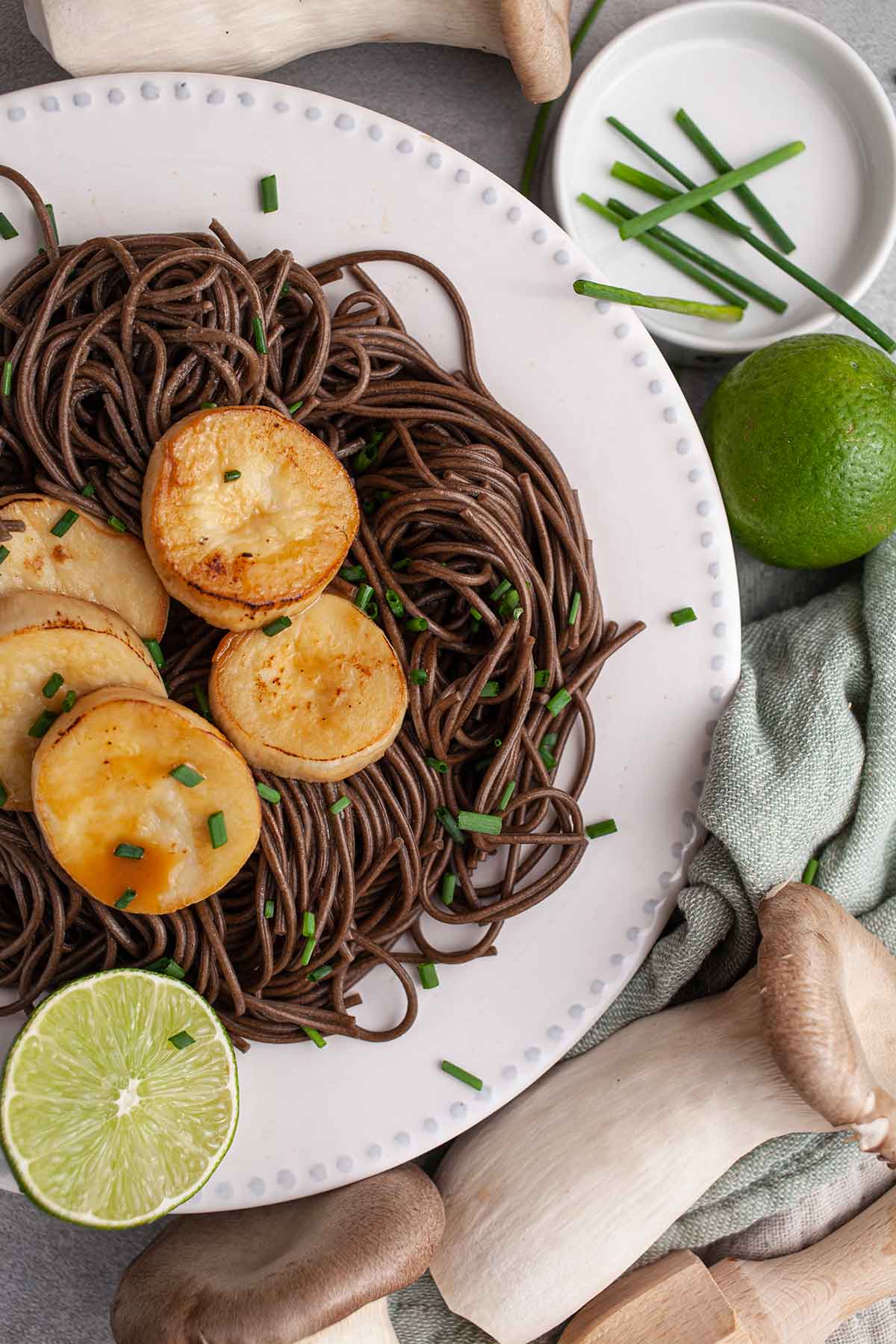
| Thursday | Millet porridge with stewed apples | Red lentil soup + rice | Soba noodles with mushrooms and miso-lime sauce |
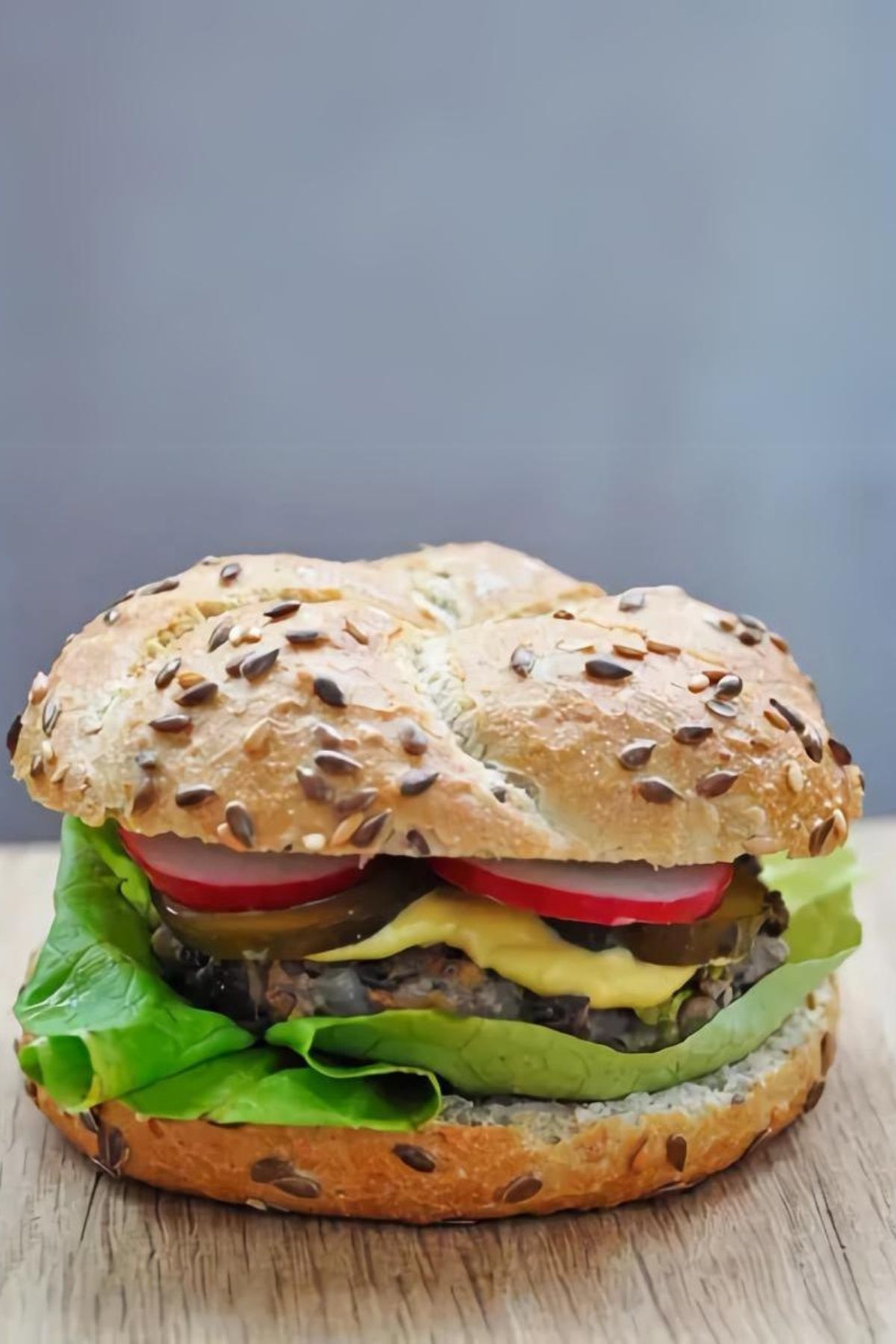
| Friday | Tofu scramble with spring onion | Leftover lentil soup + millet with gomasio | Adzuki bean burgers + sautéed cabbage and carrots |
| Saturday | Vegan rice pudding (with rice syrup instead of sugar) | Clear broccoli soup + brown rice | Creamy mushroom polenta + a green salad |
| Sunday | Porridge with berries | Asian mushroom soup + brown rice | Warm rice bowl with beans, carrots, broccoli and tamari |
Macrobiotic Grocery List
A macrobiotic grocery list is mostly dry goods that keep for months, plus fresh vegetables bought once or twice a week. I shop for the dry goods twice a month; it saves money and time.
| Category | What to buy |
|---|---|
| Whole grains | short-grain brown rice, millet, buckwheat, rolled oats, polenta (cornmeal), barley, soba noodles |
| Beans and lentils | adzuki beans, chickpeas, red and green lentils, tofu, tempeh |
| Vegetables | cabbage, carrots, onions, broccoli, squash, parsnip, celeriac, kale, leafy greens, mushrooms, ginger, spring onions |
| Sea vegetables | nori, wakame, kombu (small amounts) |
| Seasonings | miso, tamari, sea salt, brown rice vinegar, sesame seeds, tahini, sesame oil, olive oil |
| Fermented | unpasteurized sauerkraut, pickled vegetables in brine |
| Fruit and sweet things | apples, pears, seasonal berries, raisins, rice syrup, barley malt |
| Snacks | walnuts, almonds, pumpkin and sunflower seeds, rice cakes |
| Drinks | bancha or kukicha tea, roasted barley tea |
A note on fermented foods: only pickles fermented in brine and not pasteurized still have live bacteria. Pickles made with vinegar and pasteurized jars don’t, so if that’s what you want, look for the unpasteurized ones in the fridge section.
Watch the Salt (and Get Your B12)
Two things are easy to miss on a macrobiotic diet: too much salt and too little vitamin B12.
Miso, tamari, umeboshi, gomasio and sauerkraut are all salty, and they add up. 10 g of tamari has about 1.4 g of salt, and the WHO recommends less than 5 g a day in total. I use them as seasonings: a teaspoon of miso per bowl of soup, a few drops of tamari, gomasio instead of salt, not on top of it.
If you eat few or no animal foods, take a vitamin B12 supplement or eat fortified foods. Seaweed, miso and tempeh aren’t reliable sources. Vitamin D and calcium are worth a chat with your doctor too.
What About Protein?
An adult needs about 0.8 g of protein per kg of body weight a day, so around 50 g for someone who weighs 60 kg. On a macrobiotic diet, that comes easily from beans, lentils, tofu and tempeh, plus whole grains, nuts and seeds. If you train hard and want to build muscle, studies show the benefit levels off at around 1.6 g per kg a day.
I eat legumes, tofu and mushrooms almost every day, so I don’t worry about protein.
Mistakes I Made When I Started
When I started macrobiotics I made a few mistakes I wouldn’t make again. I’m sharing them so you can skip them:
- I started with the 10-day brown rice diet. I don’t recommend it: eating only grains caused malnutrition, scurvy and even deaths in the 1960s. Start with the varied, everyday version instead (more in my macrobiotic diet guide).
- I drank warm water with lemon and baking soda every morning. There’s no proof it does anything, and a teaspoon of baking soda has more than half of the daily sodium limit.
- I chewed raw brown rice “against parasites”, an old Ohsawa tip. There’s no evidence it works, and raw rice can carry bacteria. Parasites need a doctor.
- I didn’t take B12. Now I know better.
My Free Macrobiotic Meal Plans
Want a ready-made week? I made two free one-week macrobiotic meal plans with recipes and a shopping list: a gluten-free one and a vegan one. Leave your email and I’ll send you the one you want.


More Macrobiotic Recipes
You’ll find all my macrobiotic recipes in the macrobiotic recipes category and on my macrobiotic recipes Pinterest board. For more legume ideas, see my lentil recipes and chickpea recipes, and if you’re cooking on a budget, my cheap vegan recipes. For desserts without refined sugar, try my vegan sugar-free desserts.
The Studies and Sources Behind This Guide
- Cancer Research UK. Macrobiotic diet and cancer (reviewed 2022).
- Council on Foods and Nutrition. Zen macrobiotic diets. JAMA 1971. PubMed
- Miller DR et al. Vitamin B-12 status in a macrobiotic community. Am J Clin Nutr 1991. PubMed
- Watanabe F et al. Vitamin B12-containing plant food sources for vegetarians. Nutrients 2014. PubMed
- Marco ML et al. ISAPP consensus statement on fermented foods. Nat Rev Gastroenterol Hepatol 2021. PubMed
- Al-Abri SA, Kearney T. Baking soda misuse as a home remedy. J Clin Pharm Ther 2014. PubMed
- Morton RW et al. Protein supplementation and muscle mass: a meta-analysis. Br J Sports Med 2018. PubMed
- EFSA. Dietary Reference Values for protein (2012).
- World Health Organization. Sodium reduction (fact sheet).
FAQ
Start with one change a day: a whole grain at lunch and dinner, a bowl of soup, and beans or lentils, then add cooked vegetables and a little fermented food; you don’t need to follow every rule from day one.
Usually something warm: porridge made from oats, millet or leftover rice, a tofu scramble, or miso soup with rice, the traditional Japanese way.
Not if it’s built on grains and dried beans, which are among the cheapest foods there are; the pricier items, like miso or seaweed, are used in small amounts.
Yes. Macrobiotic tradition limits fruit to local, in-season fruit a few times a week, but there’s no health reason to cut fruit, and I eat it every day.
No. Seaweed is traditional, but small amounts are enough, and kombu is very high in iodine, so it’s not something to eat in large quantities every day.
Miso is salty (about 0.9 g of salt in 10 g), so a teaspoon or two in a bowl of soup is plenty if you also use tamari or pickles that day.





I’m just starting to introduce macro principles into my formerly crummy diet. Your suggestions are great/encouraging. Wish me luck.
Glad I could help! Good luck! 🙂
Salut Ruxandra!!
Mersi mult de idei. Sunt si eu in ziua 5/6 de Ohsawa #7 si ma inspir acum pentru ce sa mananc dupa.
Intrebare: ca si “dulciuri” mananci ceva raw-vegan? Le recomanzi? Nu am apucat inca sa citesc cartea dar stiu ca de exemplu curmalele (care sunt baza majoritatii deserturilor raw) sunt yin.
Mersi mult si spor in continuare! Ffff fain site-ul. 🙂
Anca
Cu drag! Dpdv macrobiotic, dulciurile sunt cam excluse. Eu nu tin o dieta macro, ci adaug principii macro in dieta mea de zi cu zi. Mananc f. rar dulciuri, asa ca mananc cam orice cand am pofta. 🙂 Ca idei de deserturi macro ai putea incerca niste dovleac copt cu miere, scortisoara, stafide etc., mancare de gutui, “toast” de cartof dulce cu diverse toppinguri (goji, miere, unt de arahide), mere cu unt de arahide, budinca de mei cu ceva toppinguri dulci, orez cu lapte de soia si toppinguri dulci, etc. Astea sunt cateva idei care mi-au venit acum. Sper sa te ajute! 😀
Hi. Can you please tell me where I find more information on Oshawas mehtod for cleasing parasites from Your body?
You can look for it in one of his books, however I don’t remember right know which one was it. You can find them on Amazon.
Do you remember the name of the documentary? I’d love to watch it.
Unfortunately I don’t remember it 🙁 I saw it on an app, on my bf’s phone a while ago. It was really nice, I’m very sorry I can’t remember how it was called.
hi i loved ur post, i was two years in structky macrobiotic diet but then i stopped bc i was craving raw veggies n fruits so much!! also 100% mb diet does not permit to store cooked vegetables n reheat them as they say that once veggie is cold the root process starts.. well now im half raw n half macrobiotic and i feel great and i also store veggie soup for two days withiut feeling of guilt that i consume smtng what is rotten… the middle way is always the best!
wish u the best
Thanks Suki!
A 100% macro diet would have been so difficult for me too. I believe it is best to find the perfect diet for us and not label ourselves. I am vegan and also eat lots of raw foods + I try to use as many macro principles as I can. This seems to work for me.
As you said, the middle way is the best! 🙂
Hugs!
Please sign me up for your newsletter