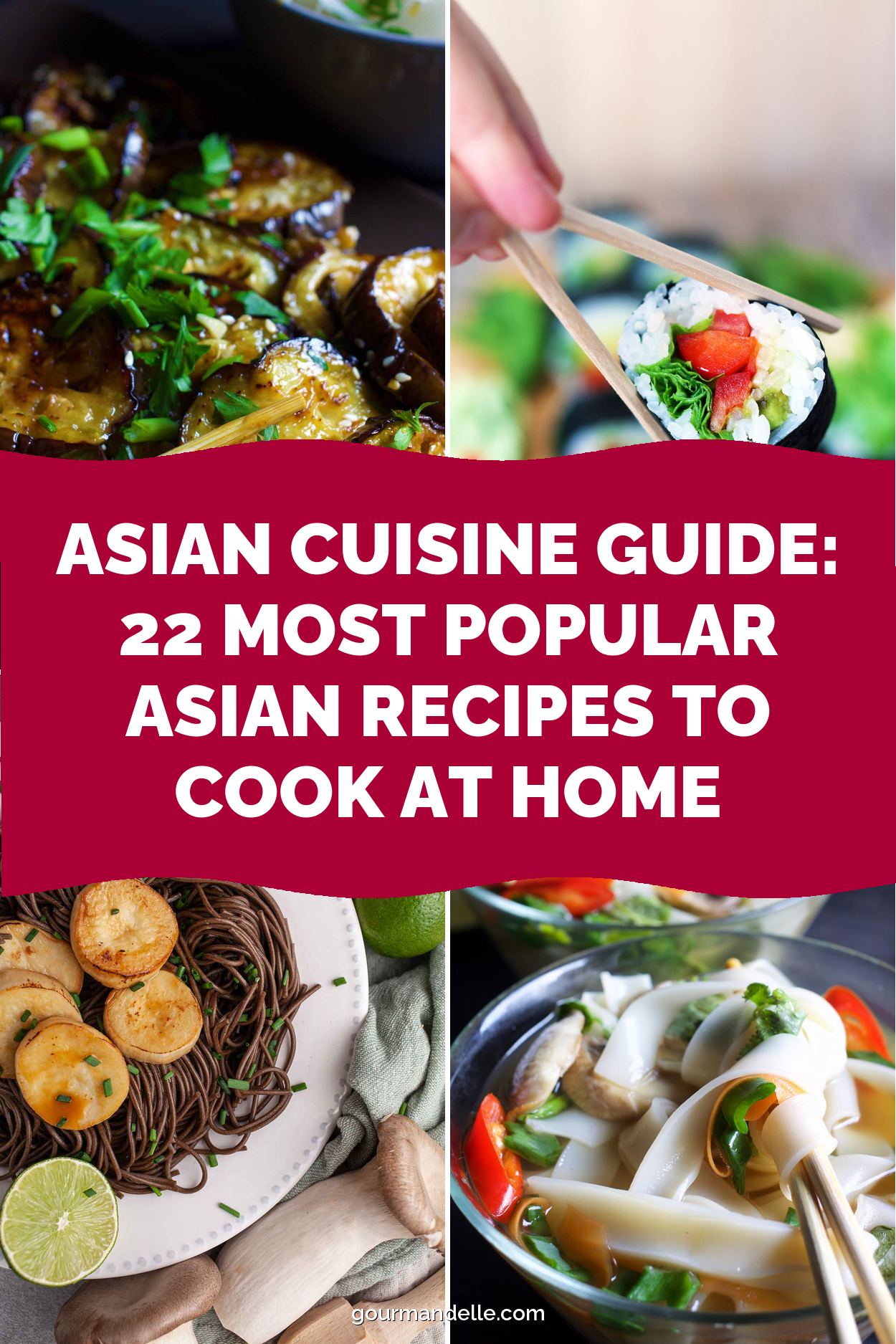
Asian cuisine spans dozens of countries, but its most loved dishes share a few essentials: rice or noodles, a balance of salty, sweet, sour and umami, and generous aromatics like garlic, ginger and chilli. This guide walks you through the major regional styles, then hands you 22 of the most popular Asian recipes to make at home, from silky Chinese eggplant to fragrant Thai green curry and creamy Indian dal. Every recipe is plant-based, approachable and built for a real weeknight kitchen.
A Quick Guide to Asian Cuisine: Ingredients, Techniques and Regions
Asian cuisine is easiest to understand by region: East Asian food (Chinese, Japanese, Korean) leans on rice, noodles, soy and fermented pastes; Southeast Asian food (Thai, Vietnamese) balances chilli, lime, fresh herbs and coconut; and South Asian food (Indian) builds deep flavour from toasted spices, lentils and ghee or oil. To choose a recipe, start with the flavour you crave and the time you have. Want something quick and savoury? Reach for a stir-fry or garlic noodles. Craving cosy? Simmer a curry or a bowl of ramen. Stock a few basics like soy sauce, rice, coconut milk, curry paste, garlic and ginger, and most of these dishes come together fast.
Bold garlic sauces, silky tofu and wok-tossed noodles define these takeout-style Chinese favourites.
1
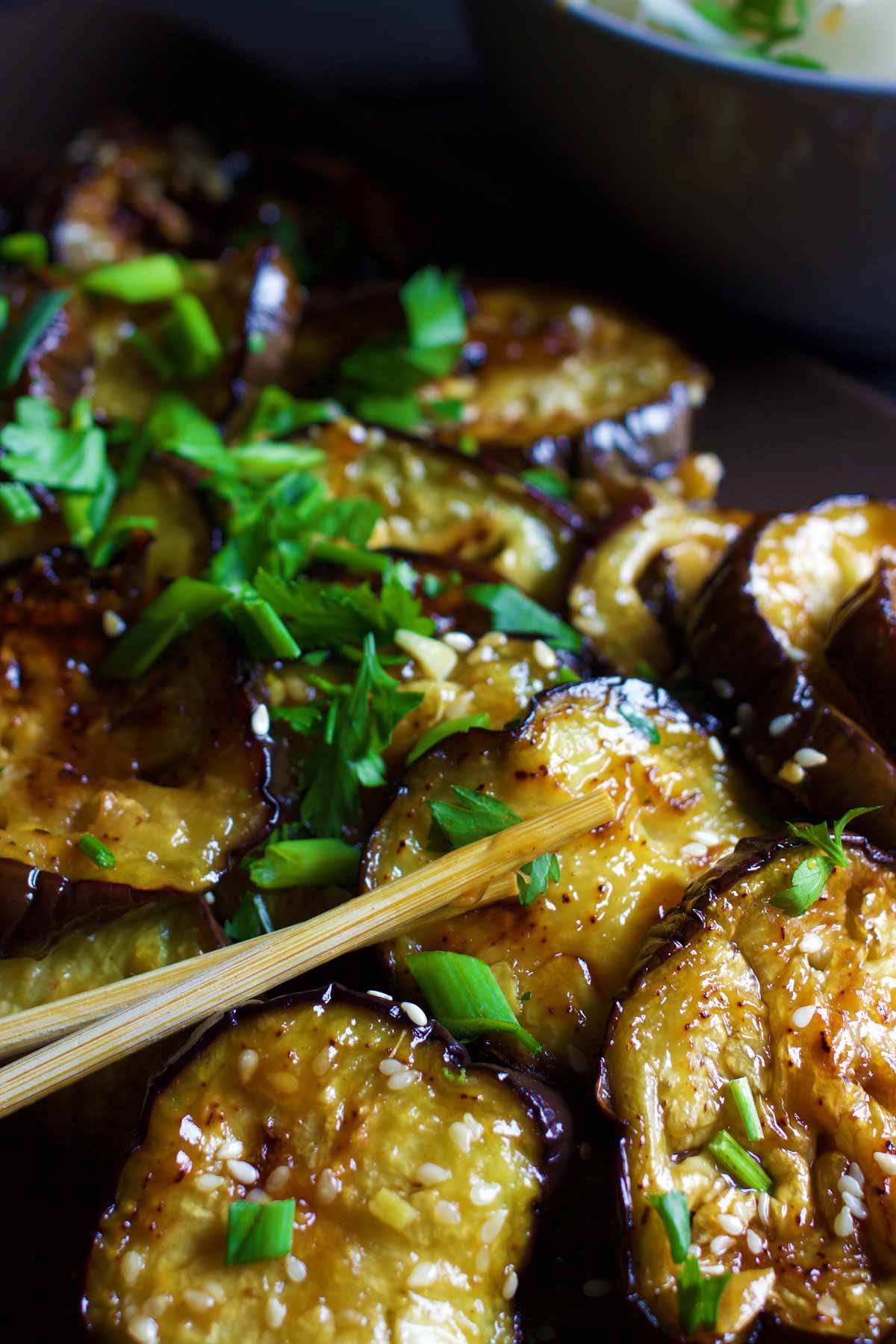
Chinese Eggplant with Garlic Sauce
Silky strips of Chinese eggplant soak up a glossy garlic sauce that turns sweet, savoury and gently spicy in every bite. Spooned over steamed rice, it tastes like your favourite takeout but comes together fast. Tip: salt the eggplant and pat it dry before frying so it stays silky instead of drinking up oil.
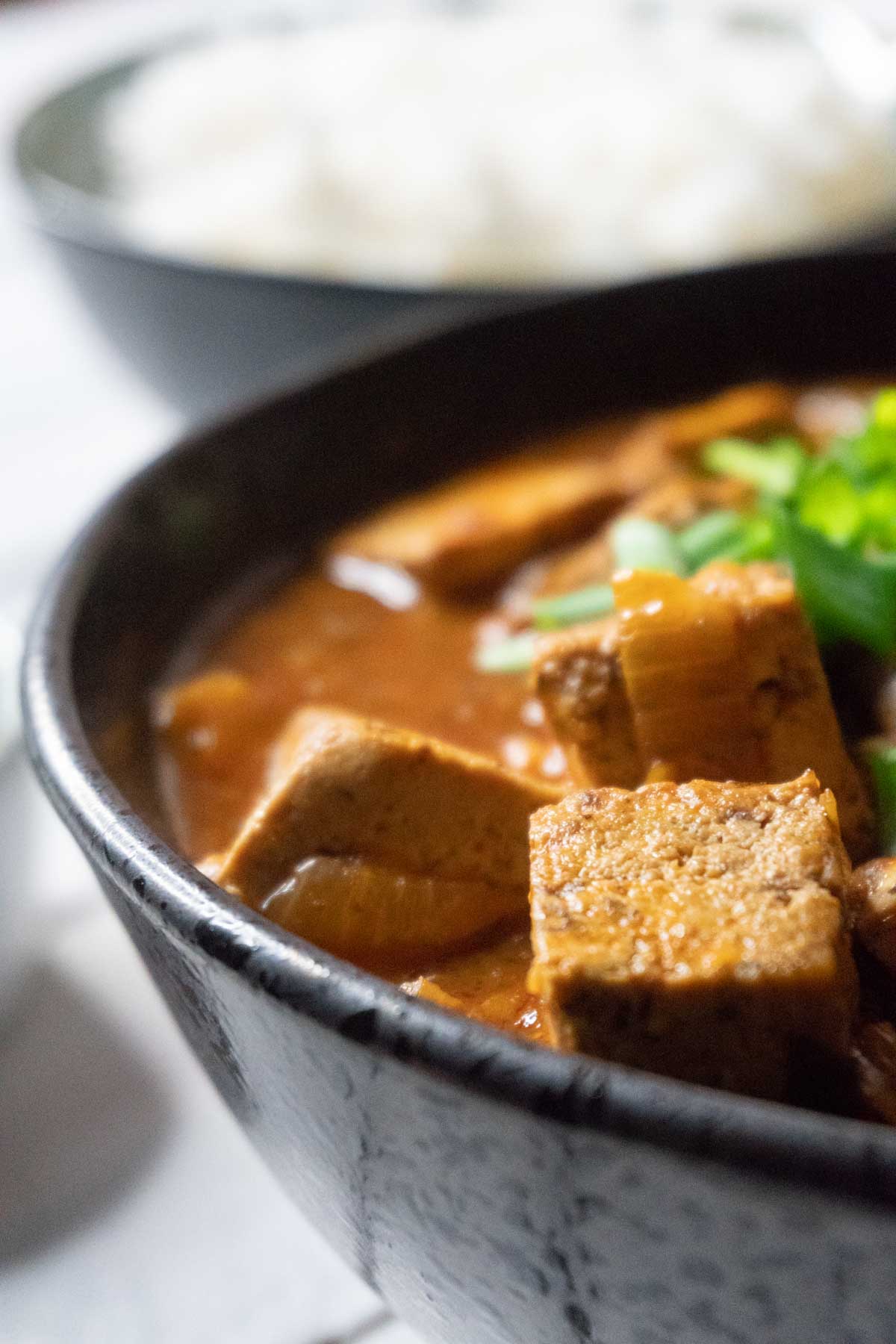
Soft cubes of tofu simmered in a bold, tingly Sichuan sauce built on chilli bean paste and a whisper of numbing pepper. It is comforting, punchy and ready in the time it takes to steam a pot of rice. Tip: add the tofu near the end and fold gently so the cubes keep their shape.
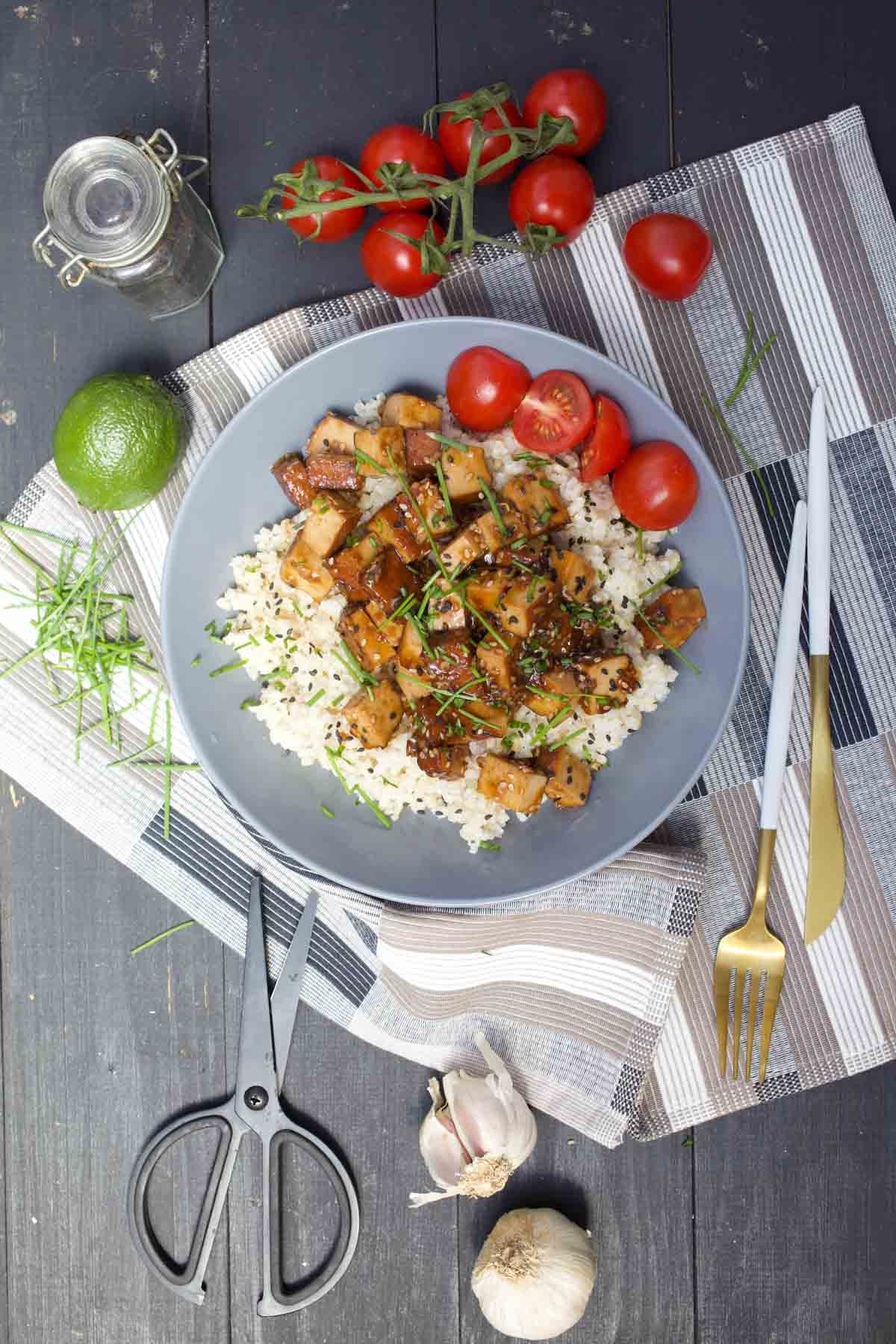
Crispy tofu cubes tossed in a sticky garlic sauce that clings to every edge with sweet, salty, umami depth. It works as a rice-bowl topping or a shareable appetiser everyone reaches for. Tip: press the tofu well and give it a light cornstarch coating before pan-frying for that irresistible crunch.
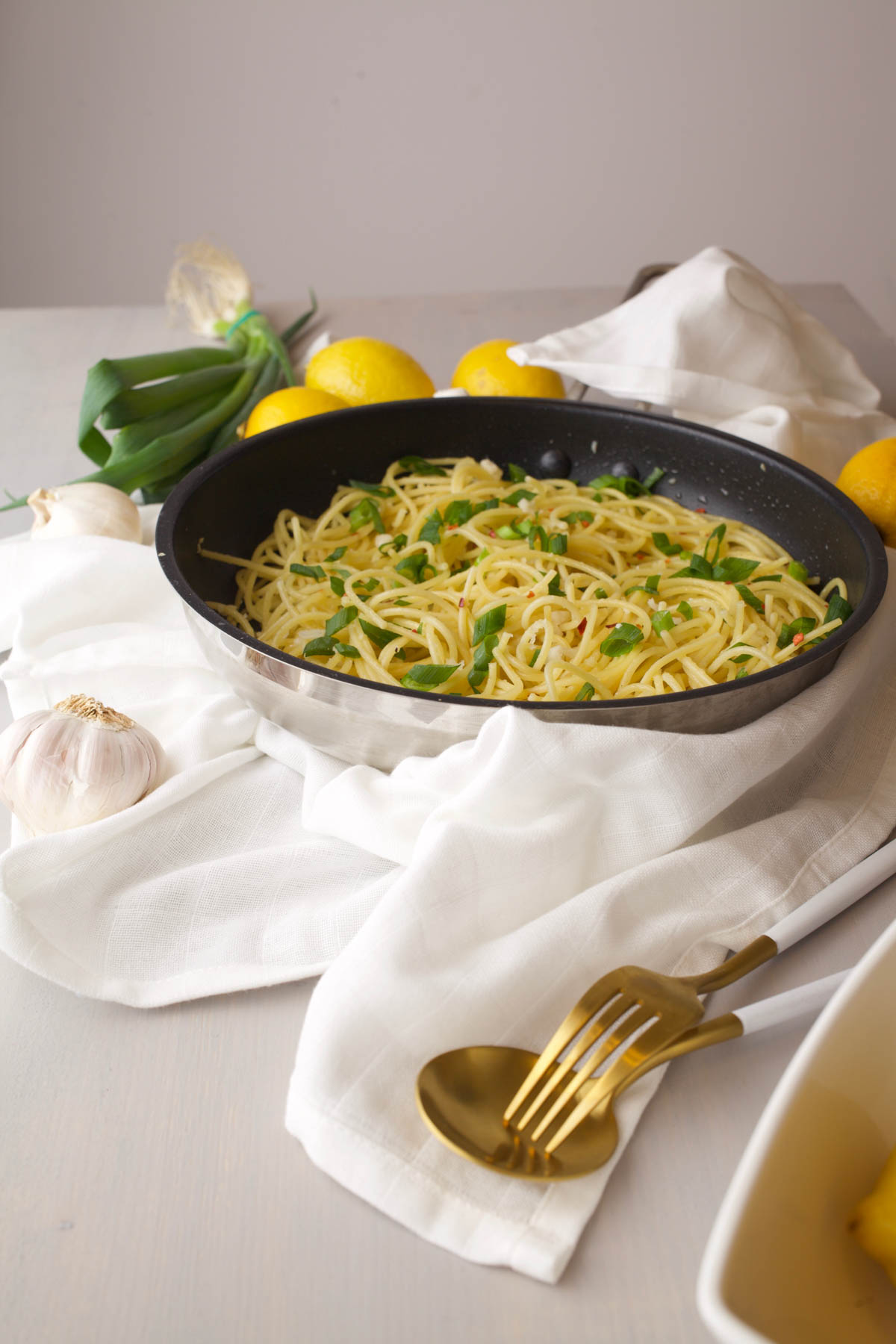
Glossy noodles tangled in a buttery, garlicky sauce with plenty of savoury umami and a hit of scallion. This is a fifteen-minute dinner that feels far more indulgent than the effort suggests. Tip: cook the noodles just shy of done and finish them in the sauce so they drink up all that garlic.
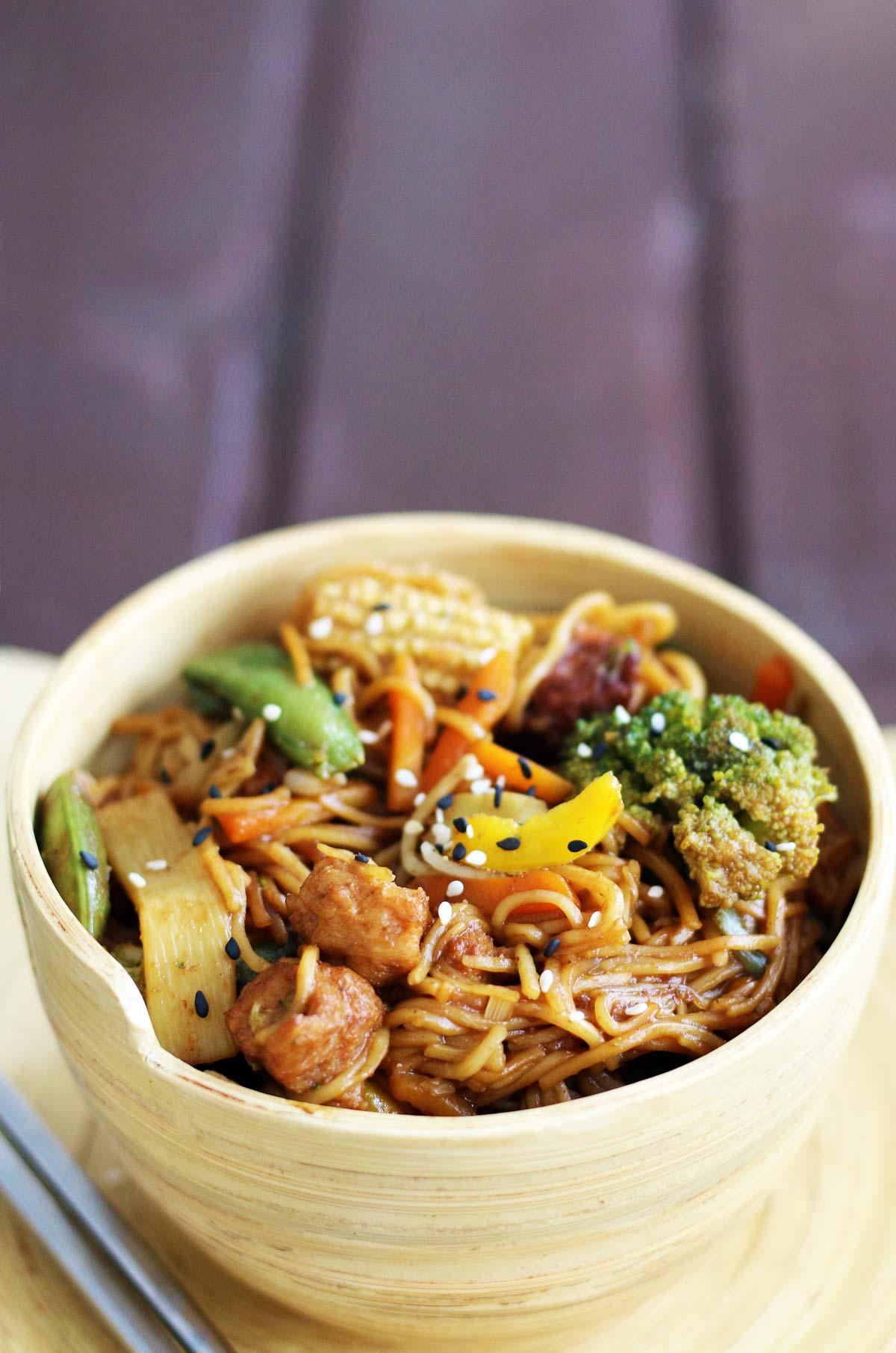
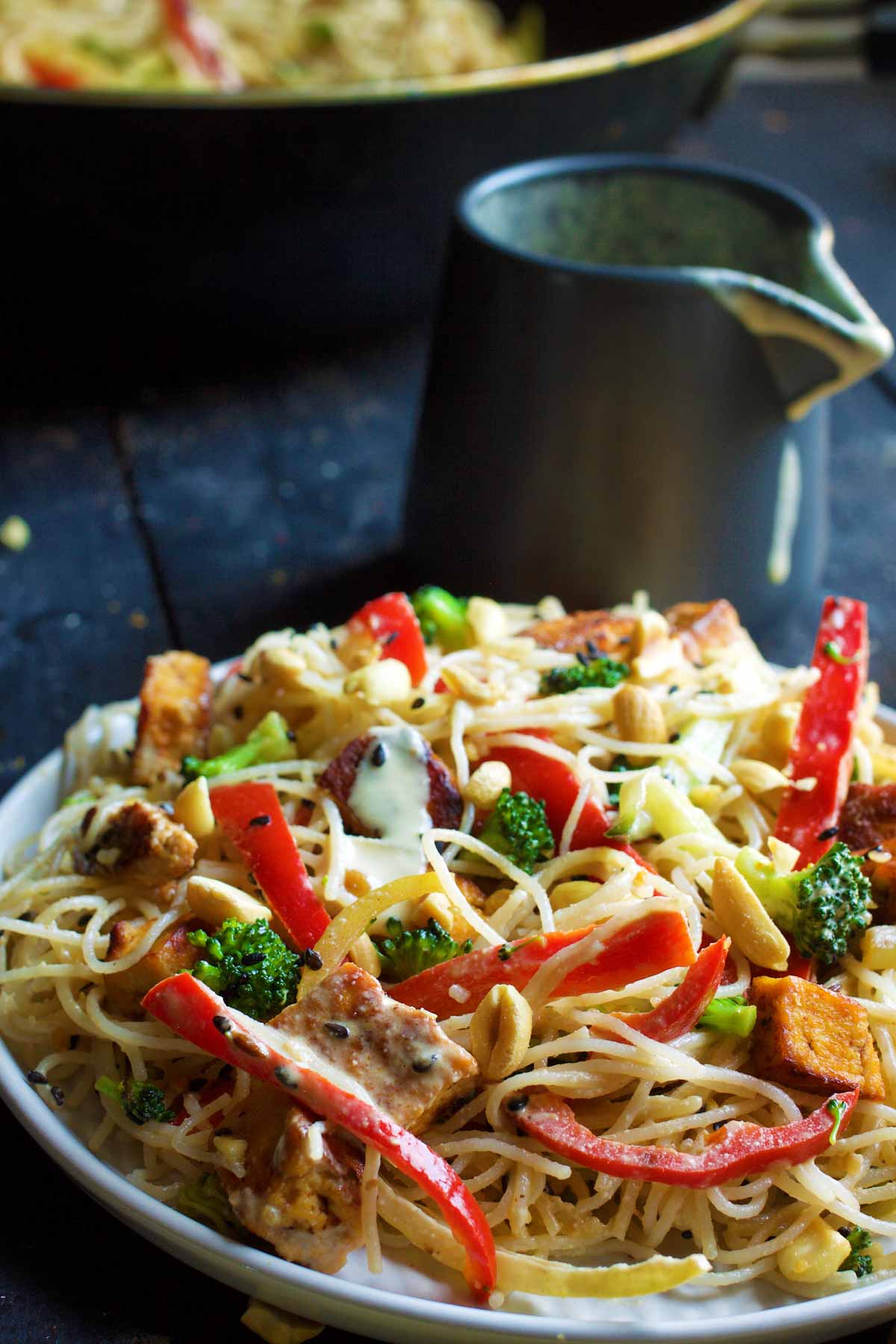
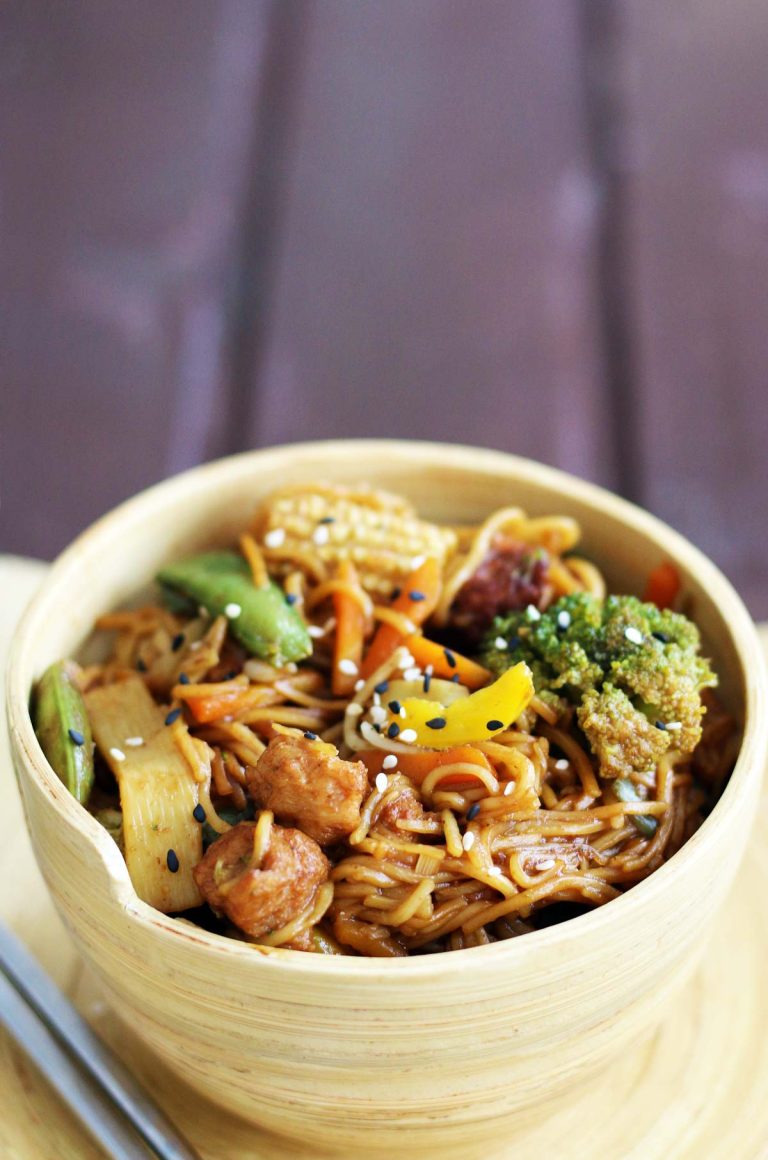
Chewy noodles and plant-based chicken strips wok-tossed with crisp vegetables in a glossy stir-fry sauce. It is the kind of colourful, one-pan dinner that clears out the crisper drawer. Tip: have every ingredient chopped and lined up before you heat the pan, since stir-frying moves fast.
Delicate, rice-forward and deeply savoury, these Japanese dishes range from sushi to steaming ramen.
6
Vegan Sushi
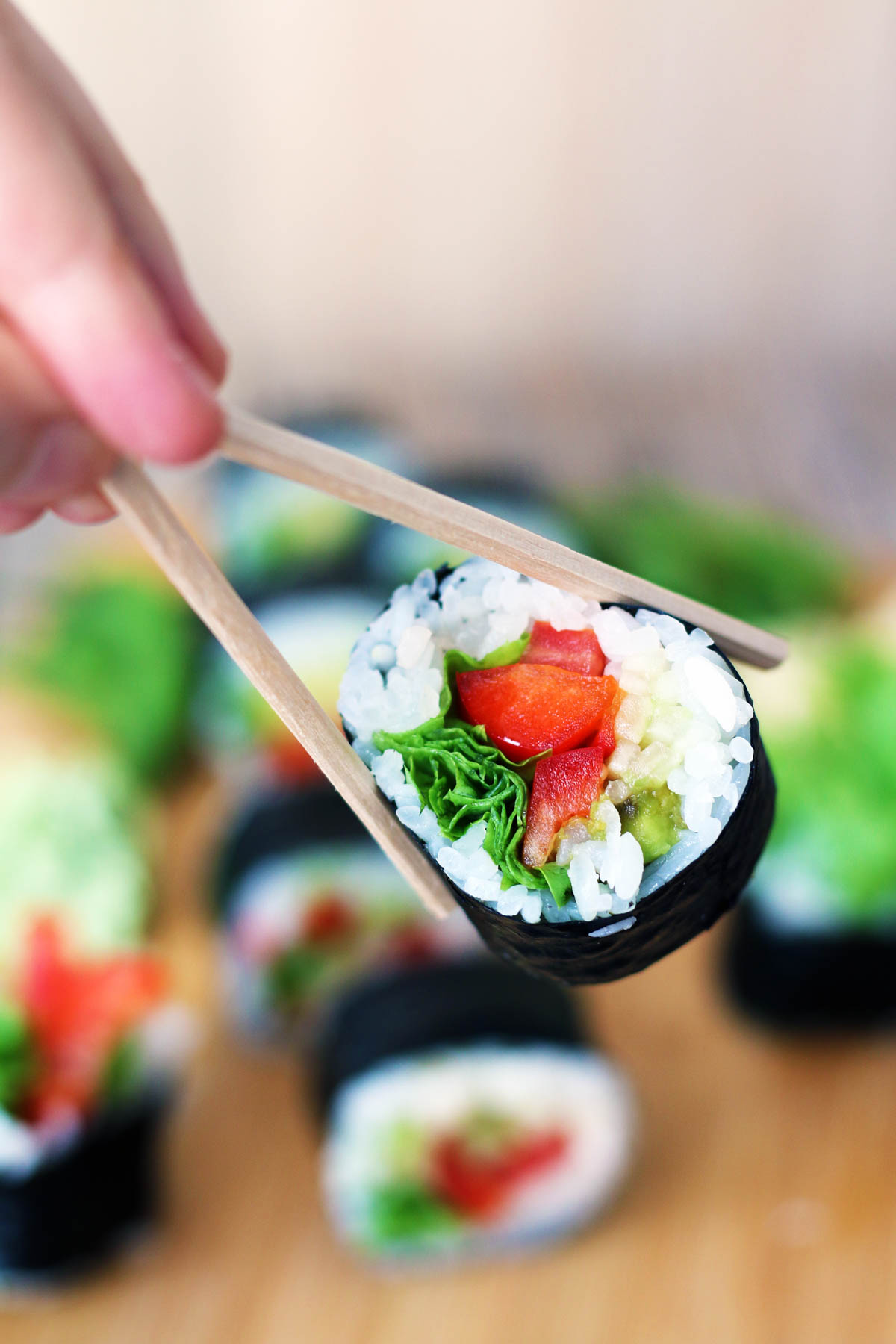
Homemade sushi rolls packed with avocado, cucumber and crunchy vegetables wrapped in seasoned rice and nori. Rolling your own is easier than it looks and lets you fill each piece exactly how you like. Tip: keep a small bowl of water nearby to wet your fingers so the sticky rice does not cling to your hands.
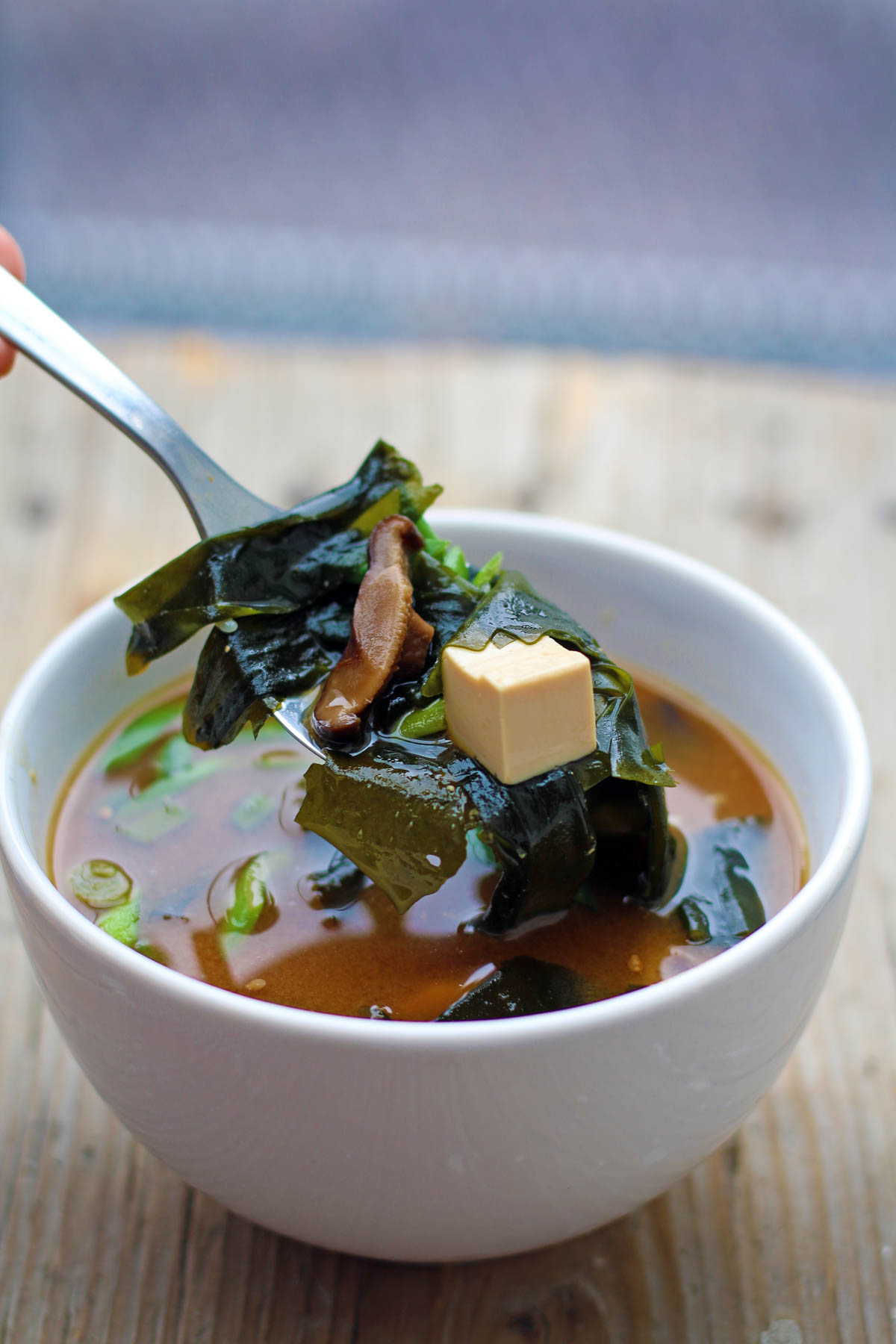
A warm, savoury bowl of miso broth with silky tofu cubes and ribbons of wakame seaweed. Light yet deeply satisfying, it makes a soothing starter or a quick lunch. Tip: stir the miso paste into the broth off the heat, since boiling it dulls the delicate flavour and its gentle brightness.
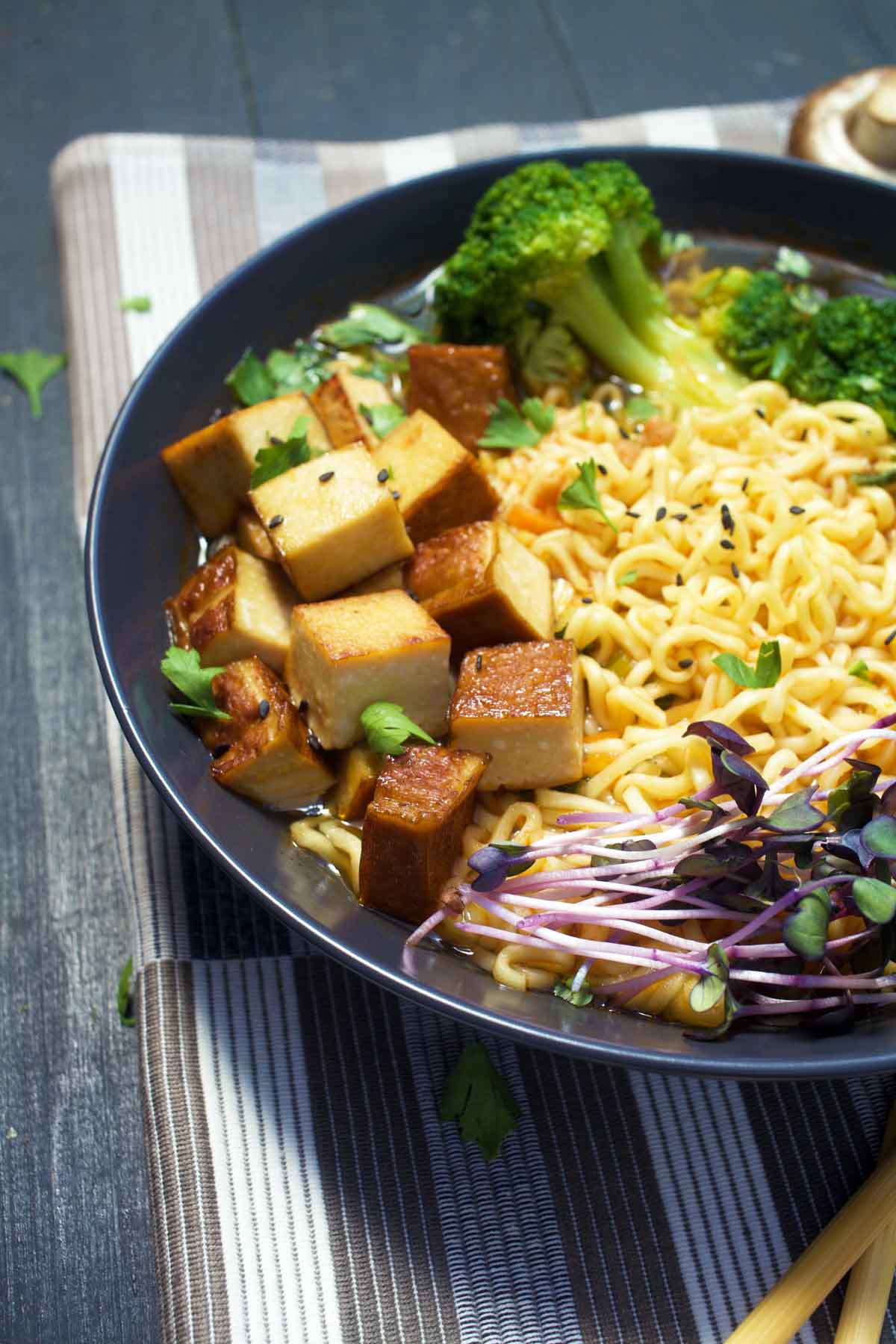
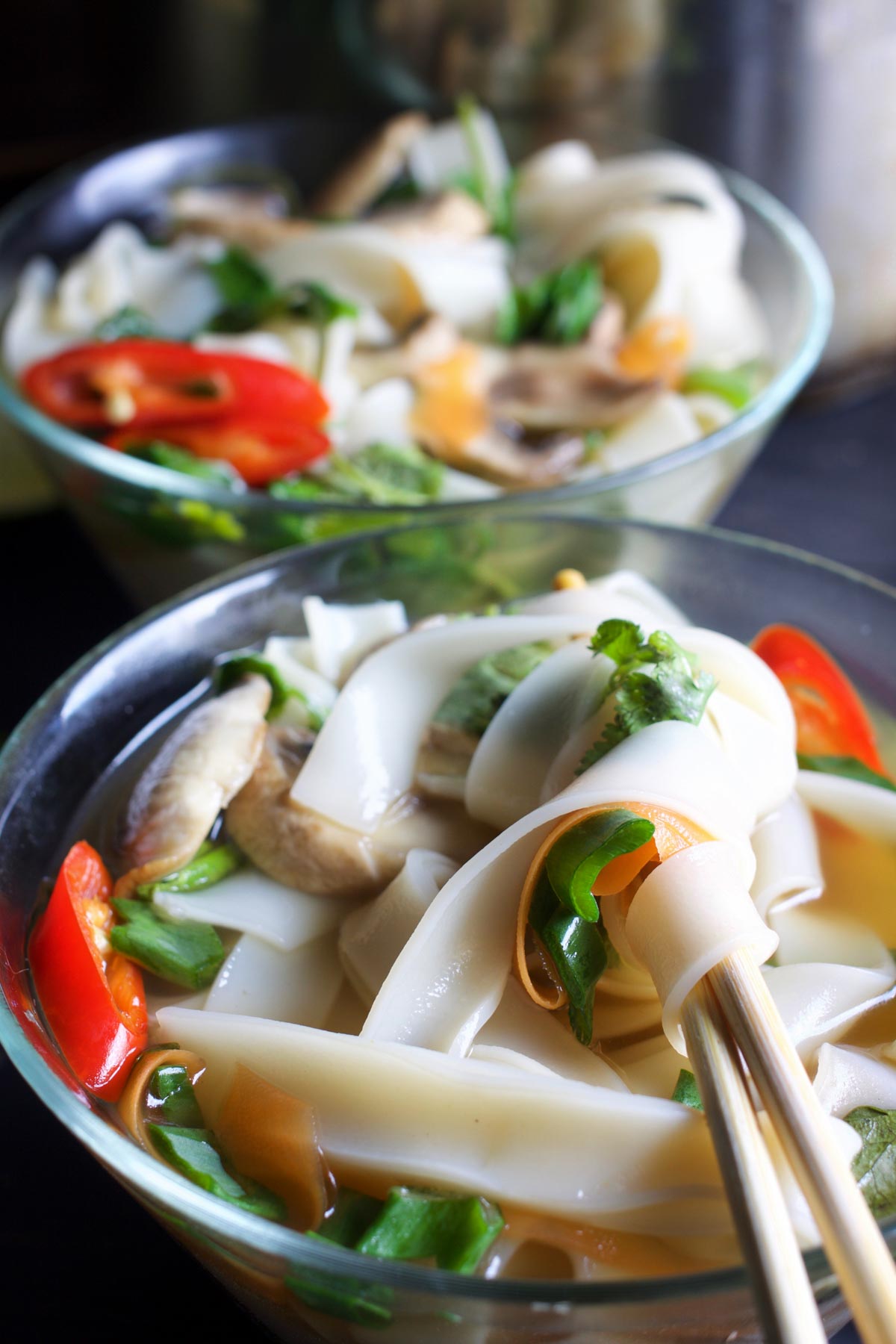
Slurpable noodles in a rich, aromatic broth crowned with mushrooms, greens and whatever toppings you love. It is cosy restaurant comfort you can build right in your own kitchen. Tip: cook the noodles separately and add them to the bowl just before serving so they stay springy instead of turning soft.
Thick, mildly sweet Japanese curry loaded with soft potatoes, carrots and onion over a mound of rice. It is gentle, hearty and a guaranteed hit with kids and grown-ups alike. Tip: make a double batch, since the flavour deepens overnight and the leftovers taste even better the next day.
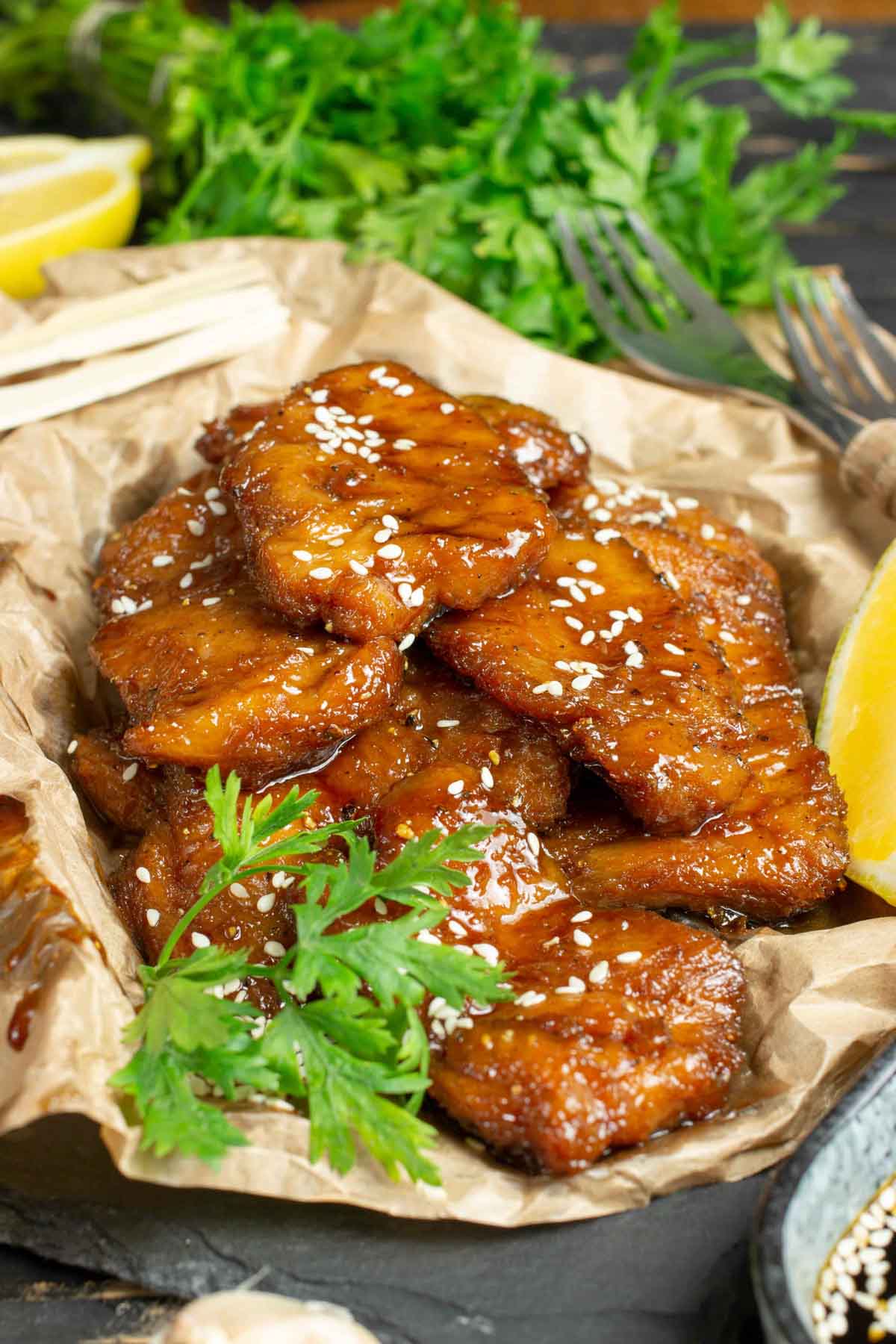
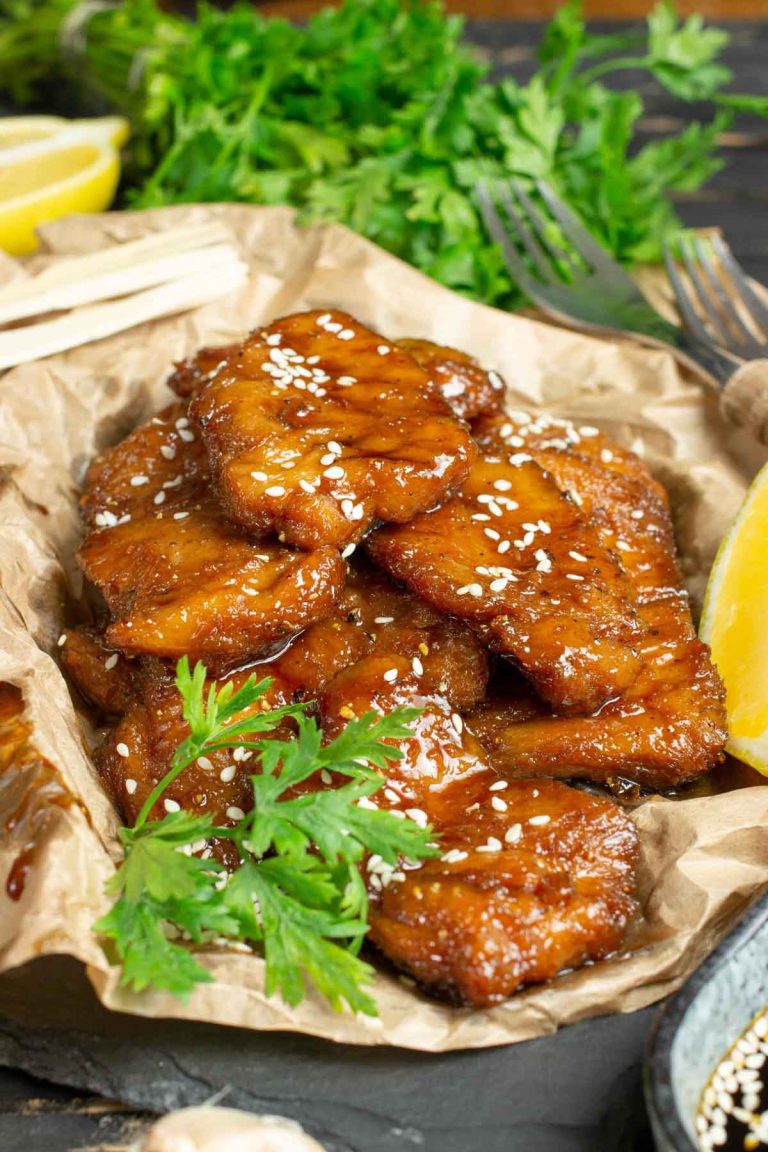
Crispy plant-based wings glazed in a glossy, sweet-savoury teriyaki sauce that caramelises as it bakes. They vanish fast at gatherings and pair perfectly with a squeeze of lime. Tip: reserve a little sauce to brush on after baking so the glaze stays bright and sticky.
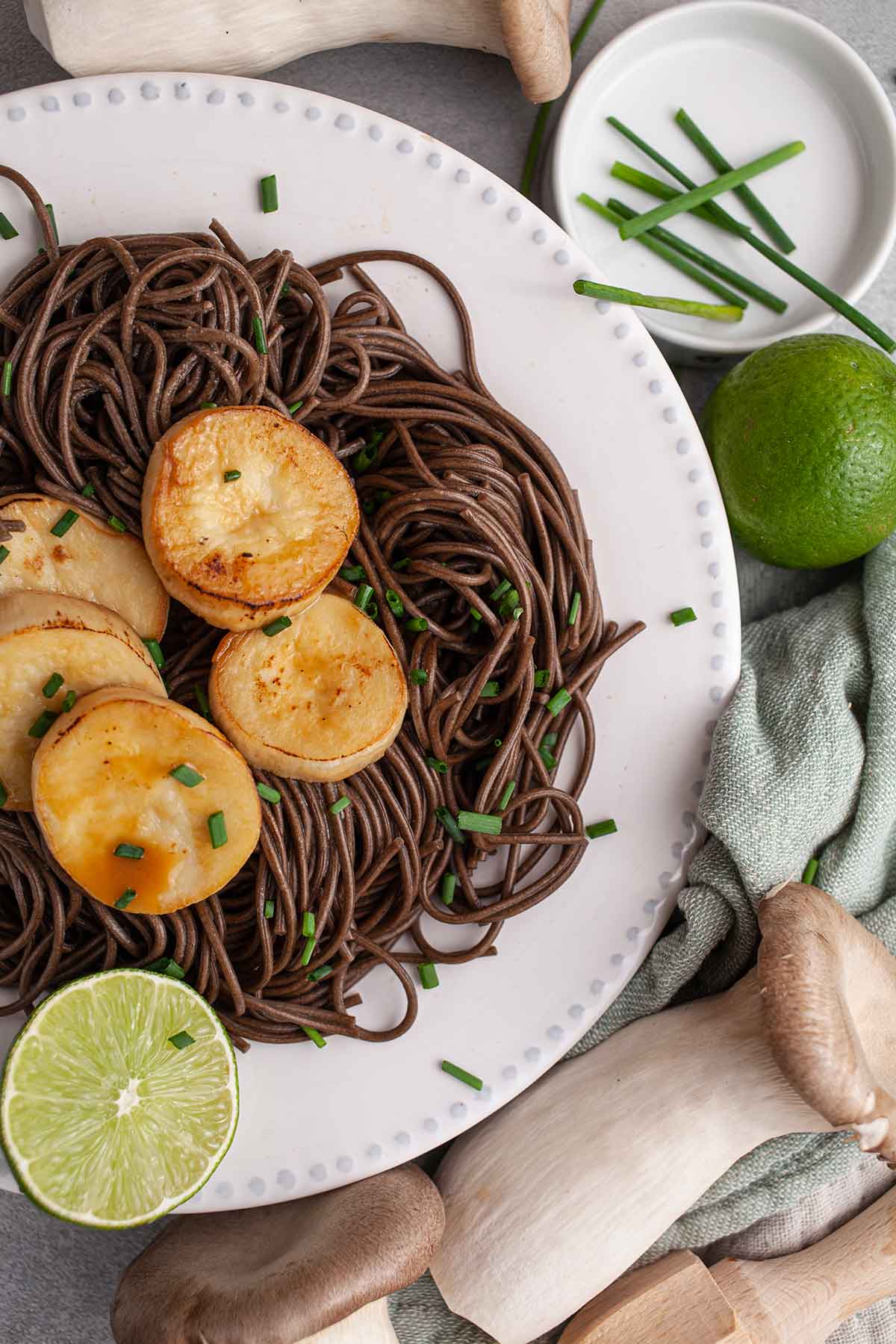
Nutty buckwheat soba noodles tossed with meaty mushrooms in a zippy miso-lime sauce. It works warm or chilled, which makes it a smart make-ahead lunch. Tip: rinse the soba under cold water right after boiling to wash off surface starch and keep the strands from clumping.
Bright with lime, chilli, coconut and fresh herbs, these Thai and Vietnamese dishes burst with flavour.
12
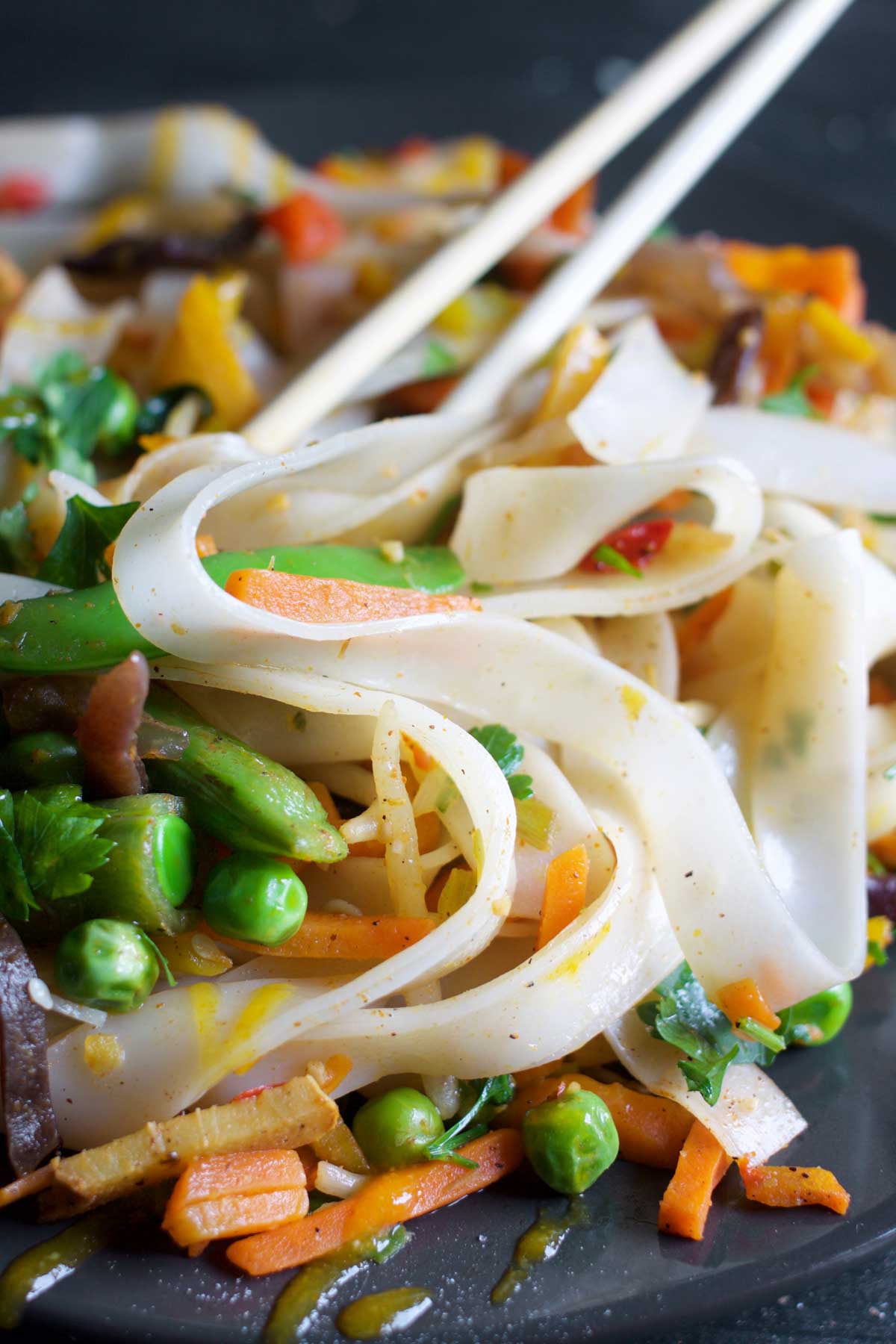
Vegan Pad Thai
Springy rice noodles tossed with tofu, bean sprouts and crushed peanuts in a tangy tamarind sauce. Sweet, sour and savoury all at once, it is the Thai classic everyone recognises. Tip: soak the rice noodles in warm water rather than boiling them so they finish cooking in the wok without turning mushy.
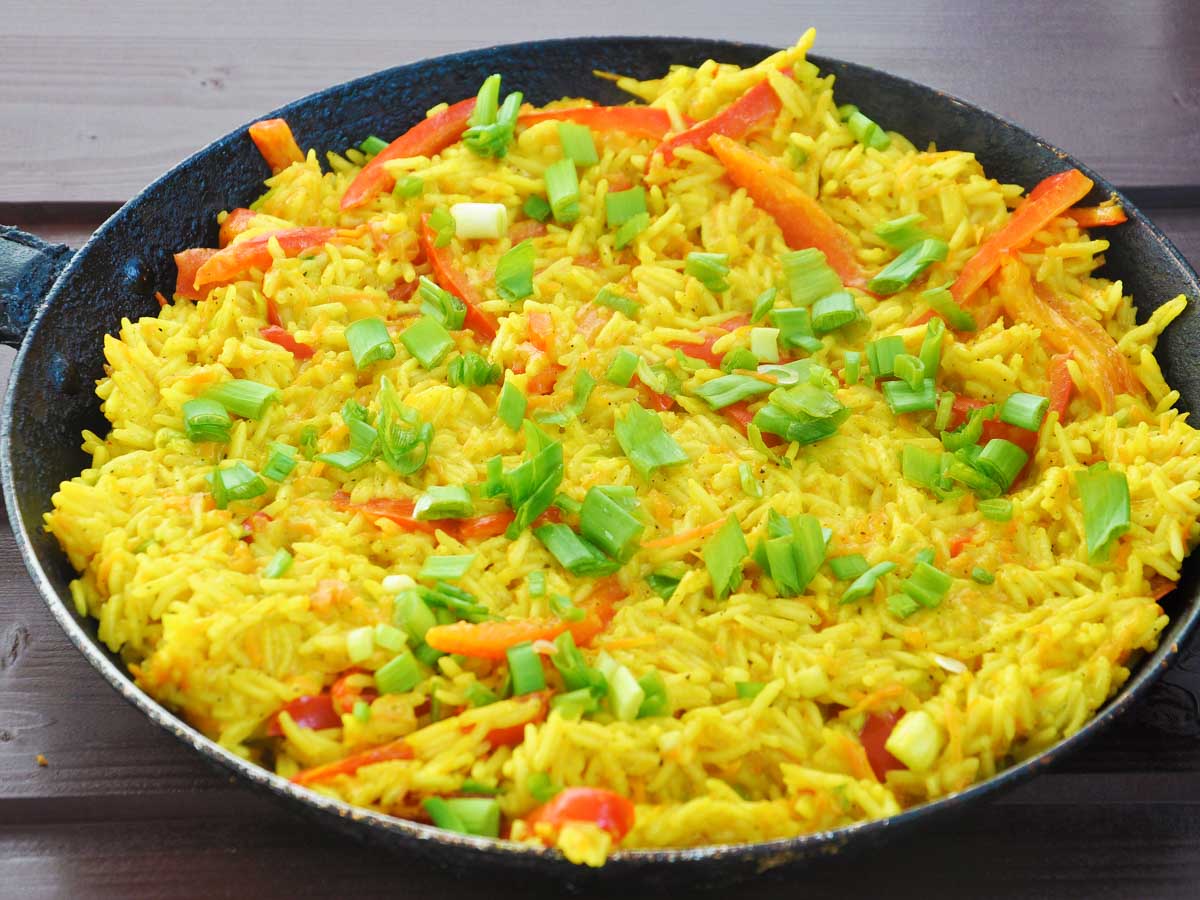
Fragrant rice simmered in creamy coconut milk and warm curry with sweet peppers folded through. It is a comforting one-pot side that easily stretches into a full meal. Tip: rinse the rice until the water runs clear before cooking for separate, fluffy grains instead of a sticky clump.
Silky noodles coated in a creamy peanut sauce balanced with lime, ginger and a touch of heat. Ready in minutes, they are just as good warm or straight from the fridge. Tip: loosen the peanut sauce with a splash of warm water until it pours easily so it coats every strand.
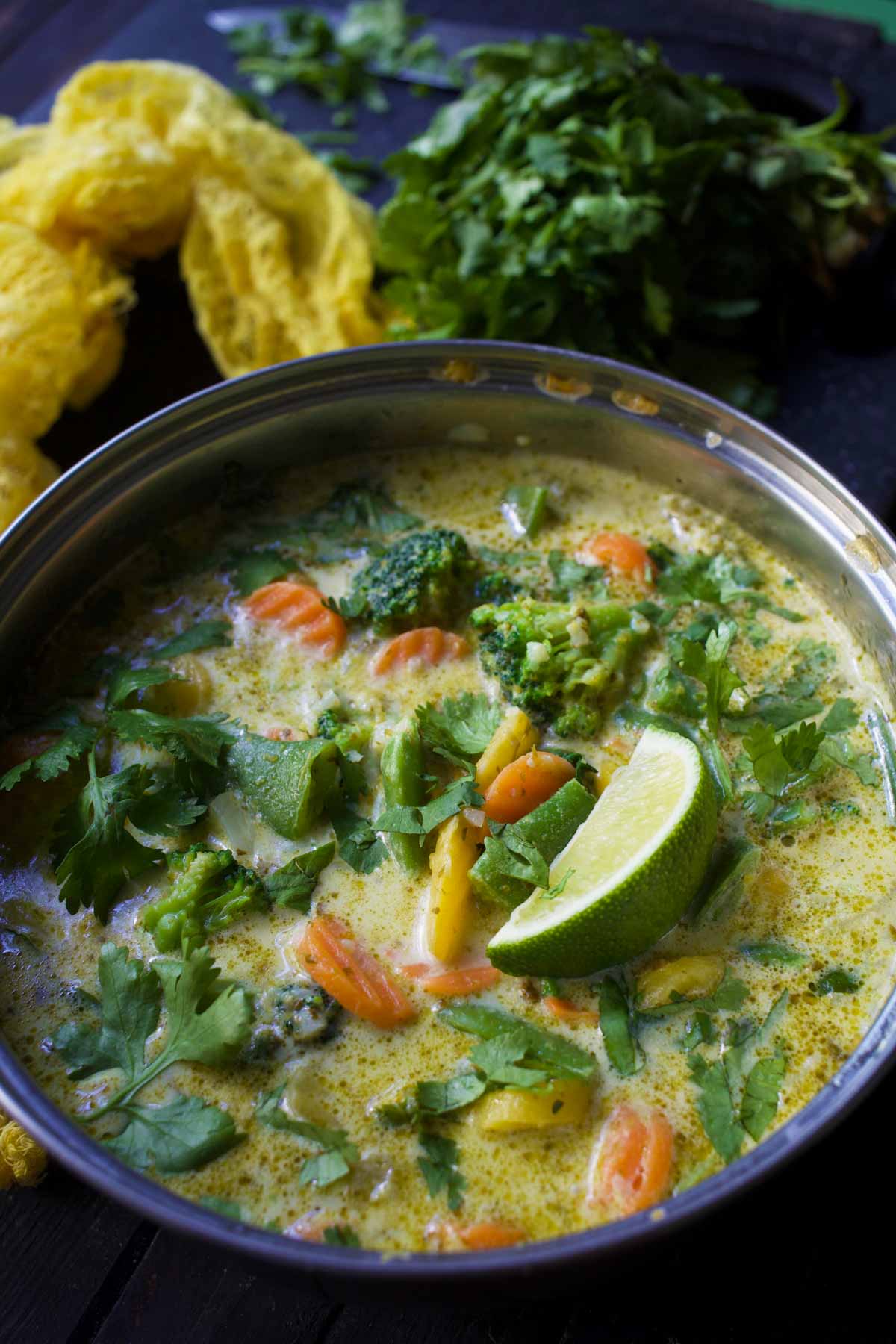
A fragrant Thai green curry of vegetables and tofu simmered in coconut milk with basil and lime. Bright, herby and gently spicy, it is weeknight comfort in a bowl. Tip: fry the curry paste in a little coconut cream first to wake up the aromatics before adding the rest of the liquid.
A steaming bowl of Vietnamese pho with rice noodles in a clear, star-anise-scented broth topped with fresh herbs. It is fragrant, restorative and endlessly customisable at the table. Tip: char the onion and ginger before adding them to the pot for that signature smoky depth in the broth.
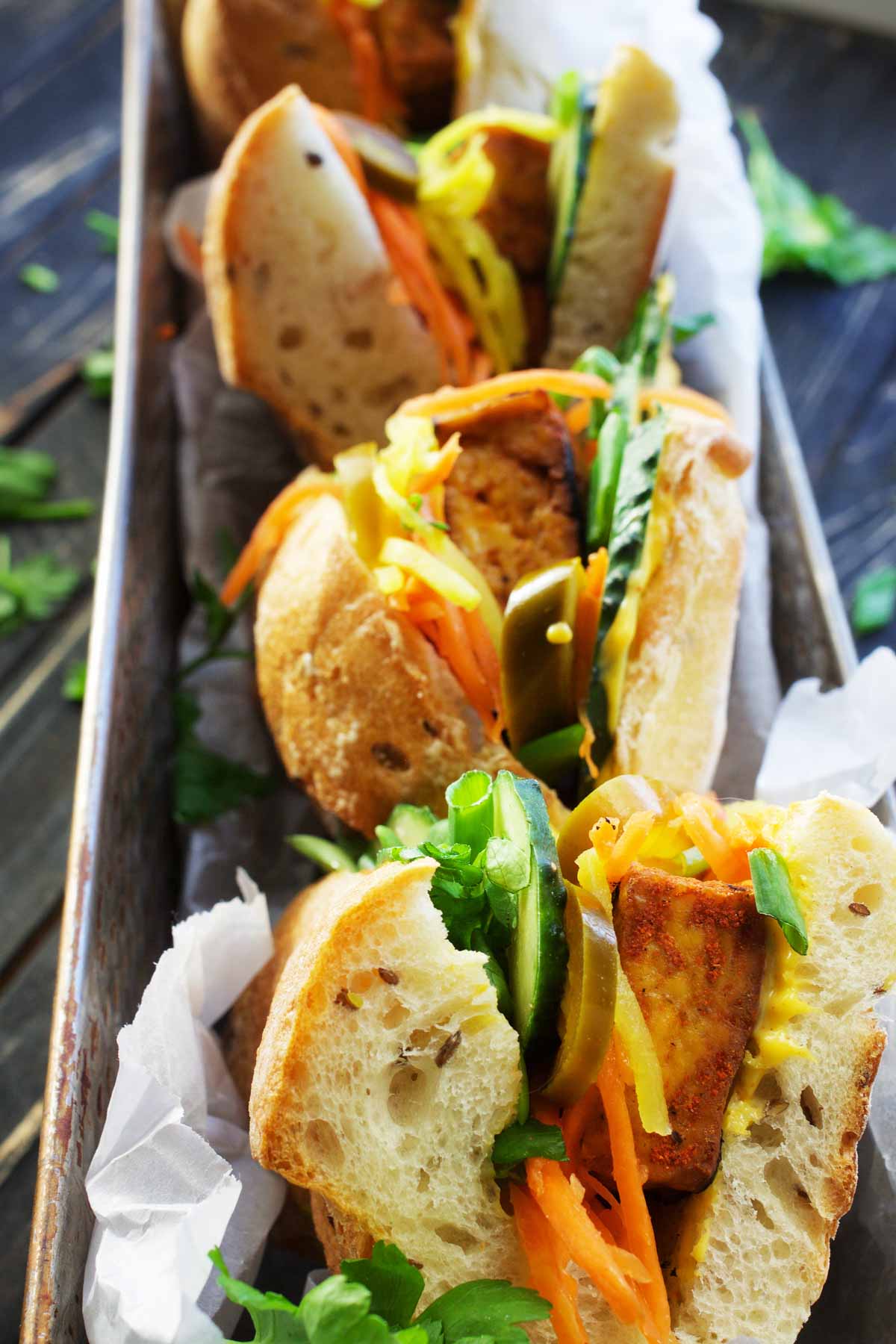
A crusty baguette stacked with marinated tofu, quick-pickled carrot and daikon, cucumber and fresh cilantro. Crunchy, tangy and satisfying, it is a portable lunch with serious flavour. Tip: pickle the vegetables at least thirty minutes ahead so they turn bright and tangy by the time you build the sandwich.
Warmly spiced curries, creamy dals and pillowy flatbreads bring the comfort of Indian cooking home.
18
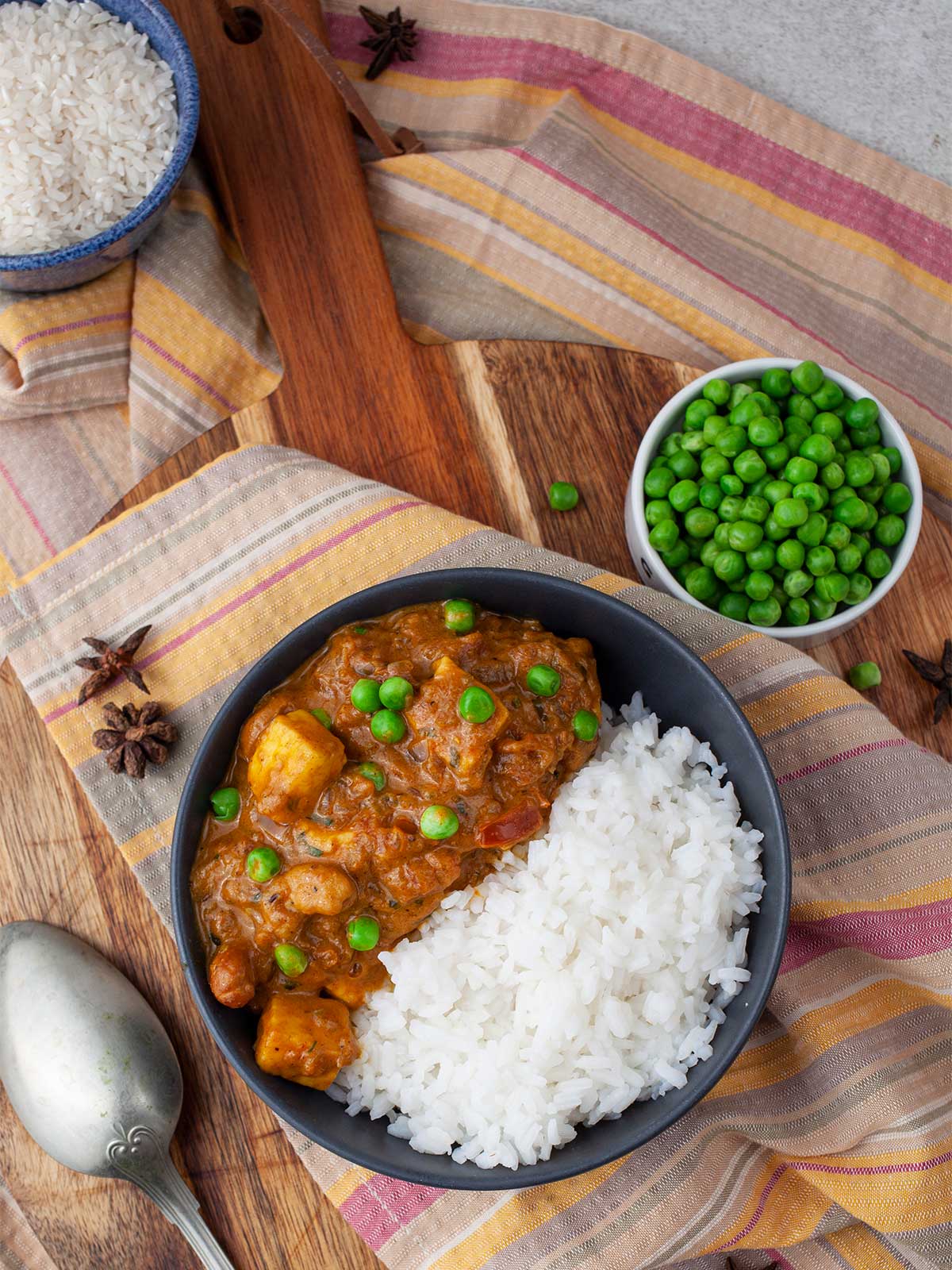
Chana Butter Paneer Masala with Basmati Rice
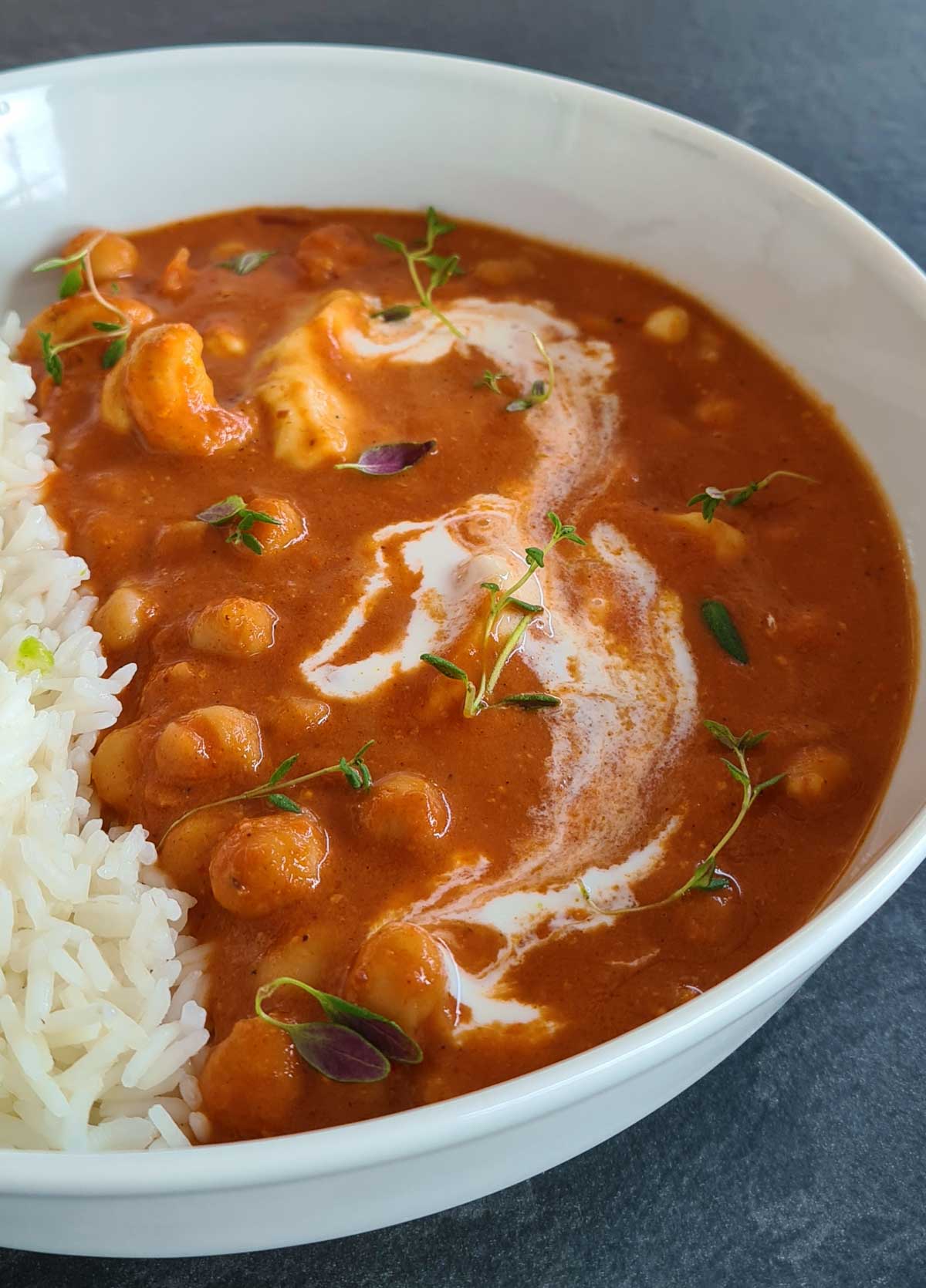
Creamy tomato masala studded with chickpeas and paneer, spooned over fluffy basmati rice. Rich, warmly spiced and deeply satisfying, it is Indian comfort food at its best. Tip: bloom the ground spices in hot oil for a minute before adding the tomatoes to draw out their full aroma.
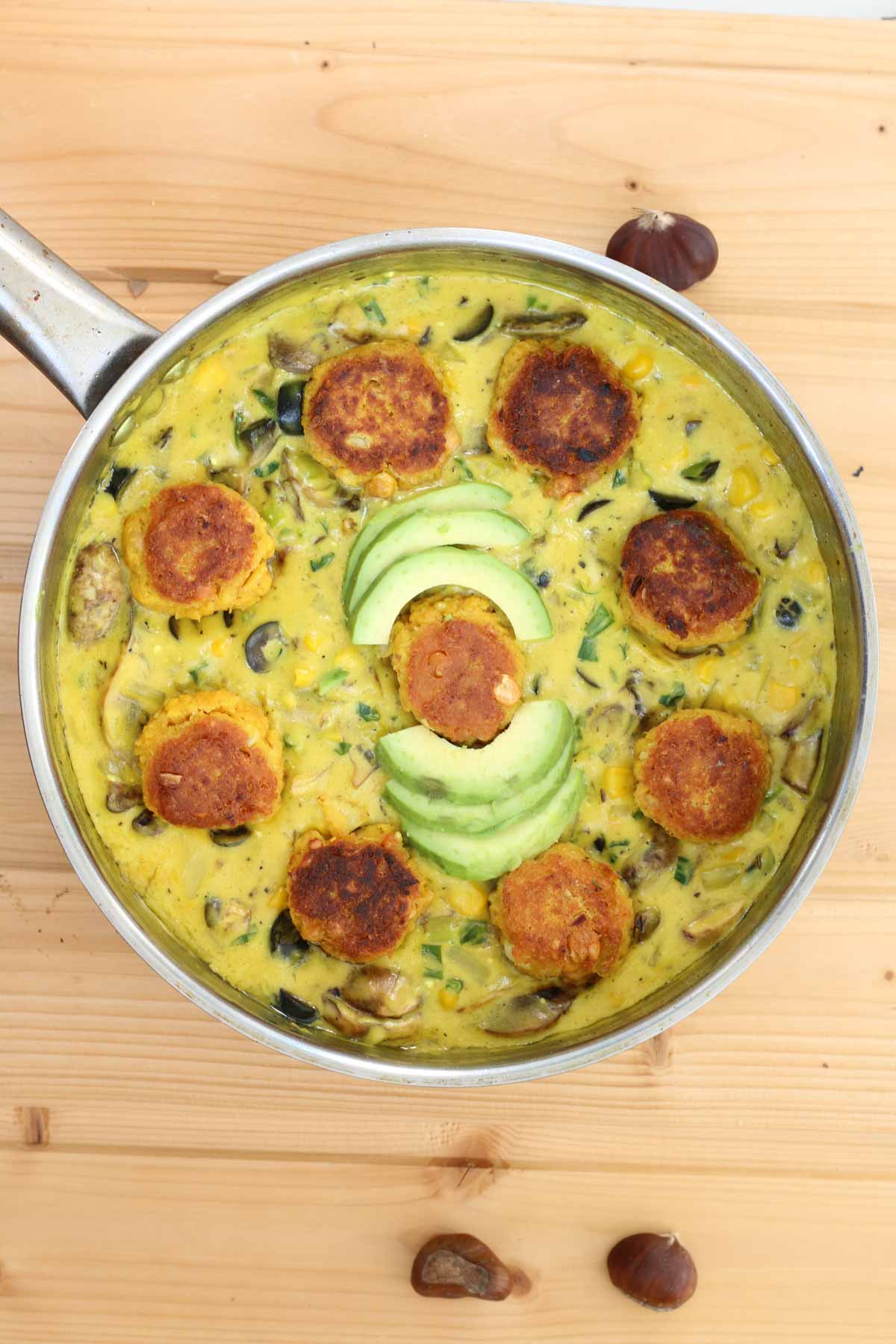
Tender lentil dumplings simmered in a fragrant, creamy curry sauce for a dish that feels special yet stays humble. It is a wonderful way to turn pantry lentils into something memorable. Tip: bake or air-fry the kofta instead of deep-frying so they hold together before meeting the sauce.
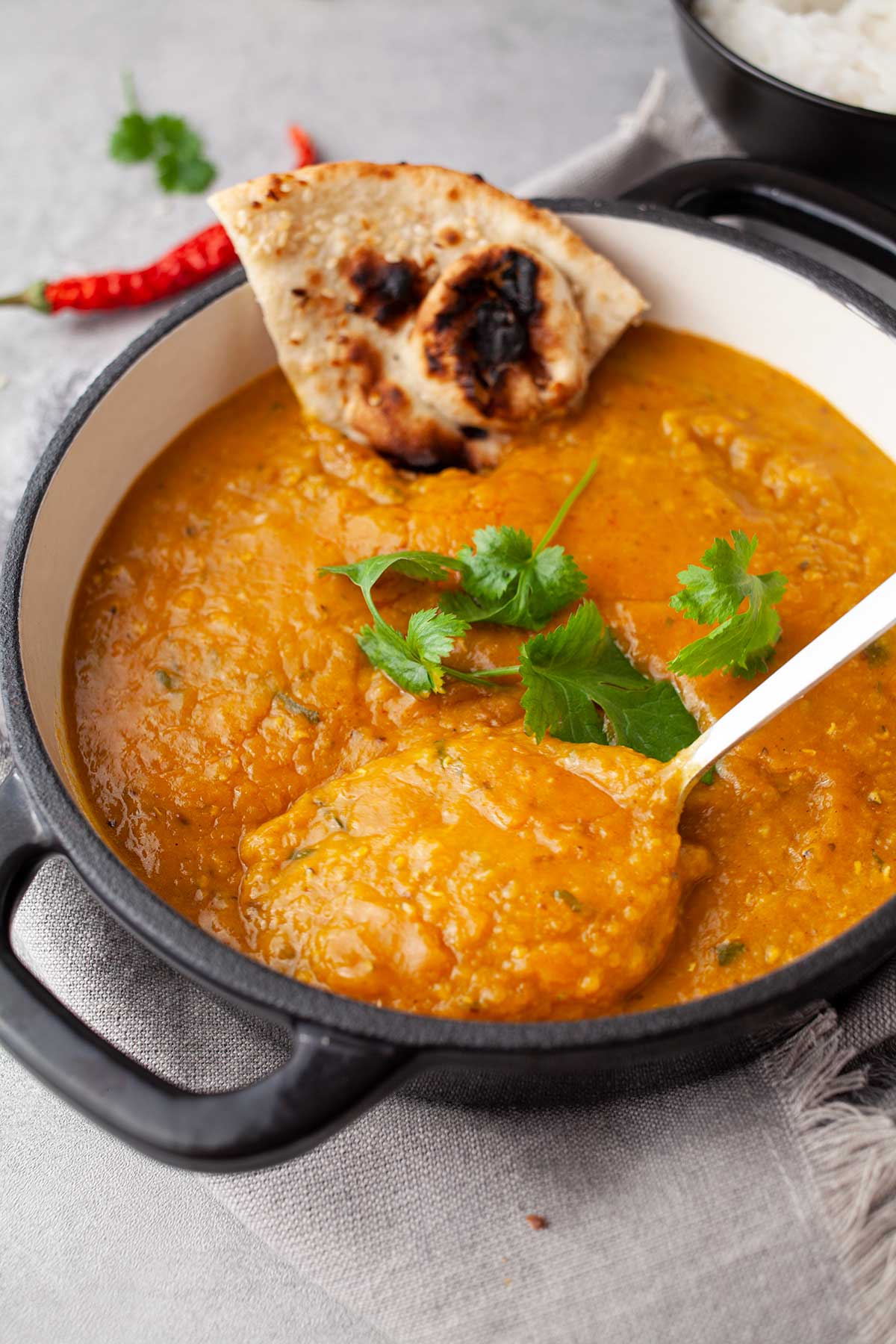
Silky red lentils simmered soft and finished with a sizzling tempered-spice tadka poured over the top. Cheap, nourishing and ready in one pot, it is a weeknight staple worth memorising. Tip: pour the hot tadka over the dal right before serving so the spices crackle and perfume the whole pot.
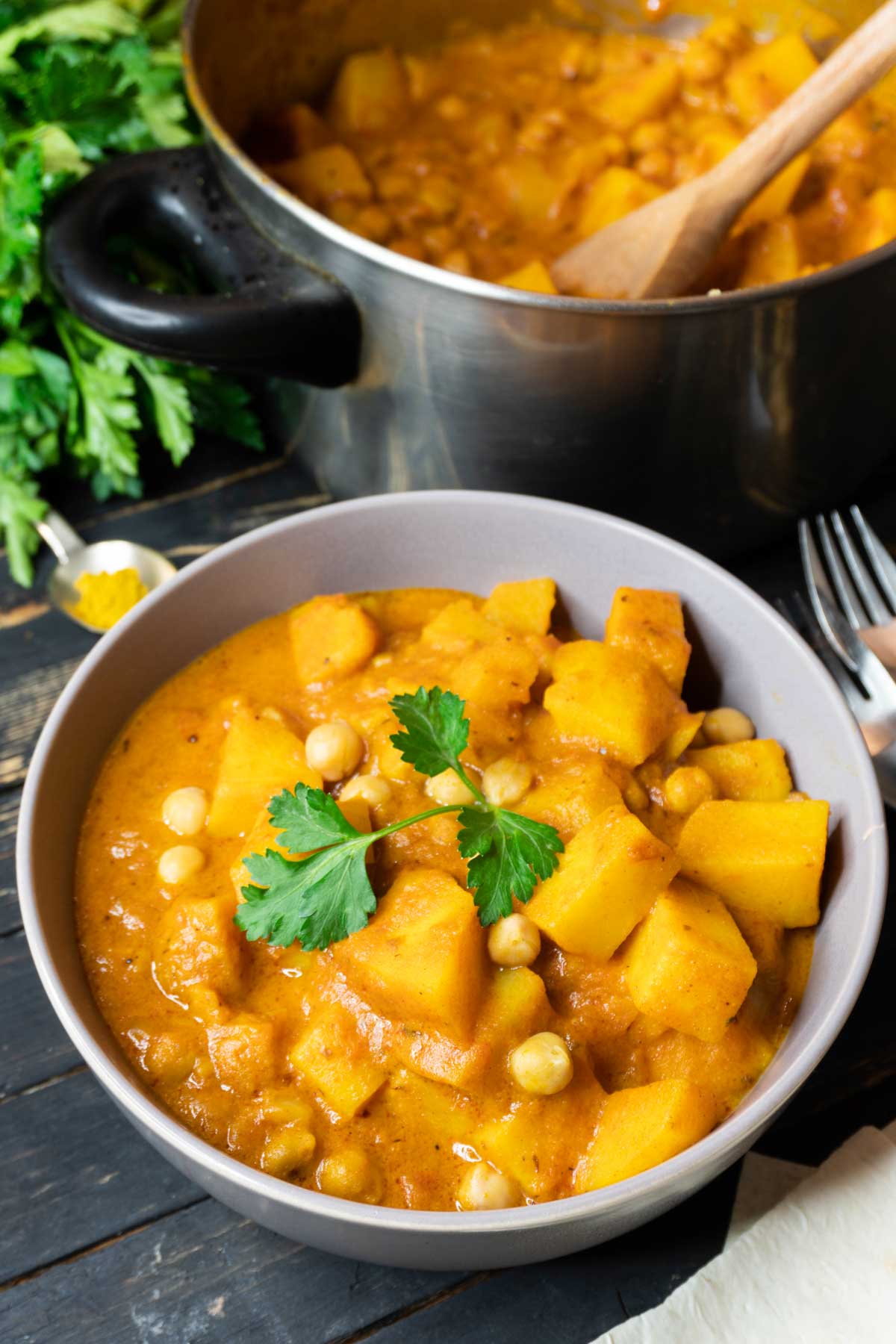
Soft potatoes simmered in a warmly spiced tomato and onion gravy that clings to every chunk. It is budget-friendly, filling and pairs beautifully with rice or warm flatbread. Tip: par-cook the potatoes first so they turn tender in the sauce without falling apart into mush.
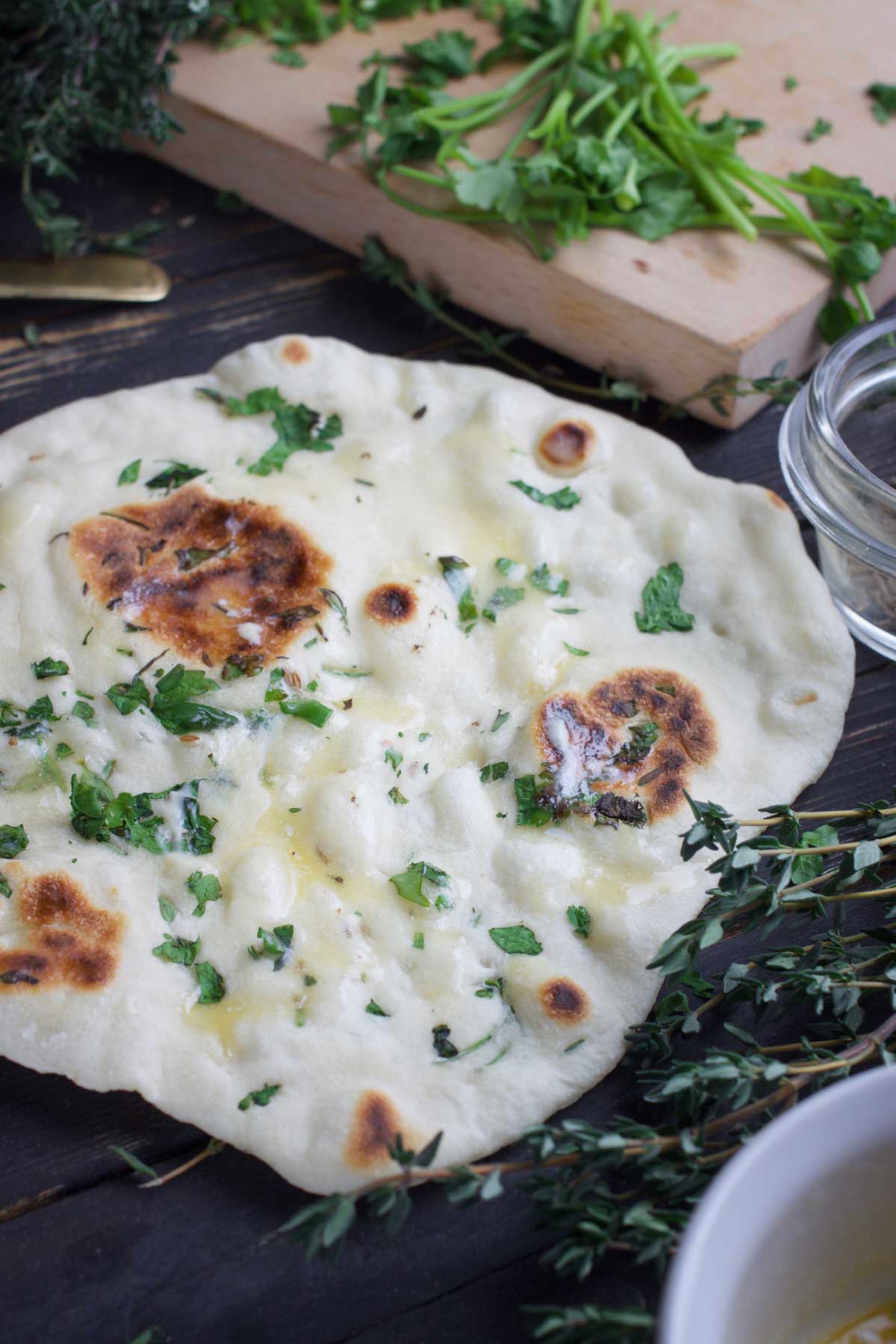
Soft, pillowy Indian flatbread with a bubbly, lightly charred surface, perfect for scooping up curries. Homemade naan is worlds better than store-bought and simpler than you would expect. Tip: cook it in a screaming-hot dry skillet so it puffs and blisters the way it would in a tandoor.
What are the most popular Asian dishes to cook at home?
Some of the most popular and beginner-friendly Asian dishes are pad thai, coconut curry rice, ramen, sushi rolls, stir-fried noodles, miso soup and vegetable curries. They rely on pantry-friendly ingredients and simple techniques like stir-frying, simmering and steaming, so they are easy to recreate in a home kitchen.
What ingredients do I need to start cooking Asian food?
A small starter pantry covers most dishes: soy sauce or tamari, rice, rice or wheat noodles, sesame oil, rice vinegar, coconut milk, curry paste, and fresh garlic, ginger and chilli. Add miso, tofu and a few dried mushrooms and you can cook across Chinese, Japanese, Thai and Indian styles.
What is the difference between Chinese, Thai, Japanese and Indian cuisine?
Chinese cooking leans on stir-frying, soy and garlic; Japanese food is subtle and rice-based with miso, seaweed and dashi; Thai cuisine balances chilli, lime, coconut and fresh herbs; and Indian cuisine builds layered heat from toasted spices, lentils and creamy sauces. Each region has its own staple grains and signature seasonings.
Are these Asian recipes vegan or vegetarian?
Yes. Every recipe in this guide is plant-based, using tofu, vegetables, lentils and legumes in place of meat, fish and dairy. Classic umami comes from soy sauce, miso, mushrooms and seaweed, so the dishes taste rich and savoury without any animal products.
Which Asian recipe is best for beginners?
Coconut curry rice, garlic noodles and miso soup are ideal first recipes because they use few ingredients and forgiving techniques. Once you are comfortable, move on to pad thai, ramen or homemade sushi, which involve a little more assembly but are still very achievable at home.
How do I make Asian takeout favourites healthier at home?
Cooking at home lets you control the oil, salt and sugar. Use less oil for stir-frying, swap deep-frying for baking or air-frying, load up on vegetables, and choose brown rice or whole-grain noodles. Building sauces from scratch also trims the excess sodium found in many restaurant versions.
Ruxandra Niță
Ruxandra Niță (formerly Micu) is a vegetarian food blogger, recipe developer and food photographer. Started Gourmandelle in 2011 and published more than 1,000 tested vegetarian and vegan recipes in English and Romanian.