
Health Benefits of Eating Chili Peppers (What the Research Says)
Chili peppers contain capsaicin, the compound responsible for their heat, which has been shown to lower blood sugar levels, reduce inflammation, support cardiovascular health, and temporarily increase metabolic rate. They are also one of the most concentrated plant sources of vitamin C and vitamin E. The benefits apply to both fresh and dried chili, though dried chili is gentler on the stomach for daily use. This article covers what the research says, which benefits are well-supported, and practical ways to add more chili to your diet.
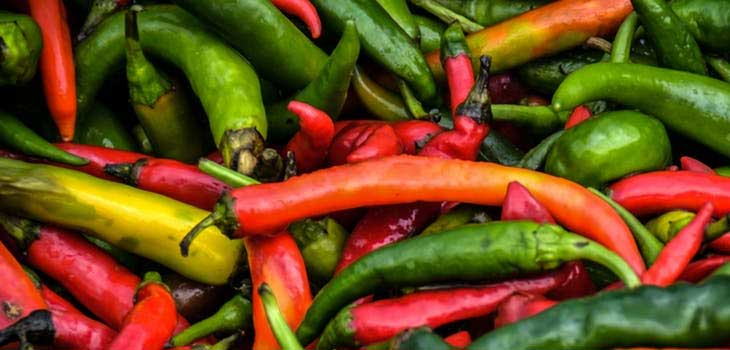
What Makes Chili Peppers Healthy?
The main active compound in chili peppers is capsaicin, found in the white pith and seeds. Capsaicin binds to pain receptors in the mouth and digestive tract, which triggers the sensation of heat and also produces several measurable physiological effects. Beyond capsaicin, chili peppers are rich in vitamin C (a single red chili contains more vitamin C by weight than an orange), vitamin E, vitamin K, and iron. These nutrients work both independently and alongside capsaicin to produce the health effects described below.
There are over 400 recognized chili varieties worldwide. Capsaicin content is measured in Scoville Heat Units (SHU). Bell peppers sit at 0 SHU, jalapeños at 2,500 to 8,000 SHU, cayenne at 30,000 to 50,000 SHU, and the Naga Jolokia (ghost pepper) above 1,000,000 SHU. You do not need high-heat chilies to get the benefits: even mild varieties like cayenne and paprika contain enough capsaicin to produce measurable effects on blood sugar and metabolism.
Lowers Blood Sugar Levels
Capsaicin slows the rate at which glucose enters the bloodstream after a meal by reducing the activity of digestive enzymes that break down carbohydrates. A study published in the American Journal of Clinical Nutrition found that adding chili to a meal reduced post-meal blood glucose by up to 60% in some participants (Ahuja et al., American Journal of Clinical Nutrition, 2006). This effect makes chili useful for managing blood sugar spikes, particularly in people eating high-carbohydrate meals. For people managing type 2 diabetes or insulin resistance, incorporating chili into regular cooking may help reduce overall insulin demand over time. Start with small amounts and increase gradually to build tolerance.
Supports Heart Health and Circulation
Capsaicin dilates blood vessels by triggering the release of nitric oxide, which relaxes the vessel walls and improves blood flow. This effect reduces blood pressure temporarily and over time may lower cardiovascular risk in people who eat chili regularly. Research published in the Journal of the American College of Cardiology found that people who consumed chili peppers at least four times per week had a 40% lower risk of dying from a heart attack compared to those who rarely ate chili (Bonaccio et al., Journal of the American College of Cardiology, 2019). Capsaicin also acts as a mild anticoagulant, reducing the tendency of platelets to clump together, which helps prevent clot formation and may lower stroke risk.
Reduces Inflammation and Acts as a Pain Reliever
Capsaicin initially stimulates pain receptors but with regular exposure depletes a neurotransmitter called Substance P, which is responsible for transmitting pain signals. This is the basis for capsaicin-based topical creams used to treat arthritis and nerve pain. When consumed, capsaicin produces anti-inflammatory effects systemically. It inhibits NF-kB, a protein complex that triggers inflammatory responses (Kim et al., Experimental and Molecular Medicine, 2003), which makes it useful for conditions driven by chronic inflammation such as inflammatory bowel disease, joint pain, and metabolic syndrome. The anti-inflammatory effects are cumulative: regular consumption over weeks produces more benefit than occasional use.
Boosts Metabolism and Supports Fat Burning
Capsaicin is thermogenic, meaning it temporarily raises body temperature and increases metabolic rate. A systematic review and meta-analysis of 13 controlled trials found that capsaicin significantly increased resting metabolic rate and fat oxidation (Panchal et al., PubMed, 2020). The effect is modest but consistent, and it is enhanced when combined with regular physical activity. Capsaicin has also been shown to reduce appetite by increasing satiety hormones, which may lower overall caloric intake over the course of a day. The metabolic effect diminishes with regular use as the body adapts, so short cycles of higher intake followed by breaks produce better results than continuous daily use at the same level.
Rich in Vitamins C, E, and K
Fresh red chili peppers contain three times more vitamin C per 100g than oranges, making them one of the most concentrated plant sources of this vitamin. Vitamin C supports immune function, collagen production, and iron absorption from plant foods. Vitamin E in chili helps maintain skin elasticity and protects cell membranes from oxidative damage. Vitamin K, present primarily in green chilies, supports blood clotting and is important for bone density maintenance, particularly relevant for preventing osteoporosis with age. The iron content in chili is also notable: it contributes to red blood cell production and can be useful in plant-based diets where iron absorption needs support.
Supports Digestive Health and Mood
Consuming chili triggers the release of endorphins as a response to the capsaicin-induced heat sensation. This endorphin release is the reason some people feel a mild euphoria or improved mood after a spicy meal. Capsaicin also stimulates digestive enzyme secretion and speeds gastric emptying, which can improve digestion and reduce bloating in people who experience sluggish digestion. The dietary fiber in chili peppers feeds beneficial gut bacteria and supports regular bowel movements. One practical note: fresh chili is more likely to irritate sensitive stomachs than dried or cooked chili, because fresh capsaicin is more bioavailable and concentrated at the point of contact.
Improves Lung Health and Fights Infections
Capsaicin acts as an expectorant, thinning mucus secretions in the respiratory tract and making it easier to clear the airways. This is why eating spicy food reliably clears a blocked nose. There is observational evidence suggesting that regular chili consumption is associated with better lung function in smokers, though the mechanism is not fully established. Capsaicin also has antimicrobial properties: it inhibits the growth of several bacteria and fungi in laboratory conditions, which may explain why chili-heavy cuisines developed in tropical climates where food spoilage is a concern. As an antioxidant, chili also supports the immune system’s ability to respond to infections by reducing oxidative stress in immune cells.
How to Use Chili in Your Cooking
For most of the health benefits, you do not need large quantities. One small fresh chili or half a teaspoon of dried chili per meal is enough to produce measurable effects on blood sugar and metabolism. Here are practical ways to add more chili to plant-based cooking, with recipes from Gourmandelle that use it well.
Vegan Chili Con Carne
The most direct application. Vegan chili con carne on Gourmandelle uses soy mince, kidney beans, tomatoes, and a combination of fresh and dried chili for a deep, layered heat. It is high in protein, high in fiber, and one of the most practical batch-cook meals you can make, as it reheats well for up to 5 days and tastes better the day after cooking.
Hot and Spicy Vegan Recipes
If you want variety beyond one-pot dishes, the hot and spicy vegan recipes collection covers curries, spiced grain bowls, spicy soups, and chili-forward side dishes. It is a useful reference when you want to move beyond adding chili flakes and build dishes where heat is a structural flavor rather than an afterthought.
Spicy Hummus Beiruti
Hummus Beiruti is Lebanese-style hummus made with fresh parsley, red bell pepper, and chili flakes. It is a low-effort way to add capsaicin to meals you already eat, since hummus serves as a dip, spread, or sauce for grain bowls and wraps. Ready in 15 minutes and keeps for 5 days in the fridge.
Chili Oil
Chili oil is one of the most versatile ways to use chili daily without committing to a specific recipe. Combine a neutral base oil or extra virgin olive oil with dried chili pieces in a small bottle and leave to infuse for 2 weeks in a cool, dry place. Use it on pasta, grain bowls, roasted vegetables, or drizzled over hummus. The capsaicin extracts into the oil and retains most of its health properties.
A Note on Fresh vs. Dried Chili
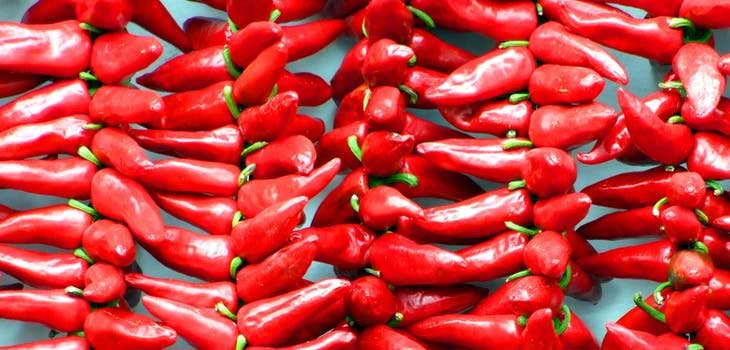
Fresh chili delivers capsaicin in higher concentration at the point of contact, which is more likely to cause stomach irritation in sensitive people. Dried chili still contains capsaicin but in a less bioavailable form that is gentler on the gut lining while still producing systemic effects on blood sugar and metabolism. If you are new to eating chili regularly, dried cayenne or chili flakes added during cooking is the most practical starting point. Increase the quantity gradually over 2 to 3 weeks to build tolerance before switching to fresh chili in higher amounts.
Frequently Asked Questions
Most research showing measurable effects on blood sugar and metabolism used roughly 5 to 10g of fresh chili or 0.5 to 1g of dried cayenne per meal. In practical terms, this is one small fresh chili or half a teaspoon of dried chili flakes added to a dish. You do not need large quantities. Regular daily use at low quantities produces more cumulative benefit than occasional high doses.
Capsaicin increases metabolic rate temporarily and can reduce appetite by increasing satiety hormones. Studies show a 4 to 5% increase in energy expenditure and up to 16% increase in fat oxidation in the hours after eating chili. These are modest effects that support weight management rather than drive it. Chili works best as part of a diet that is already built around whole plant foods, where it adds thermogenic and appetite-reducing effects on top of a solid nutritional foundation.
Fresh chili in large amounts can irritate the stomach lining, particularly in people with gastritis, acid reflux, or irritable bowel syndrome. Dried chili is generally better tolerated because capsaicin is less concentrated and more evenly distributed when cooked into dishes. If you experience discomfort, reduce the quantity, switch to dried chili, and always consume it as part of a meal rather than on an empty stomach. Paradoxically, regular low-level chili consumption over weeks can actually reduce digestive sensitivity to capsaicin through receptor desensitization.
Yes. Capsaicin triggers the release of nitric oxide, which relaxes blood vessel walls and produces a temporary reduction in blood pressure. The cardiovascular study mentioned above found that regular chili consumers had significantly lower rates of heart attack and stroke. However, chili is not a substitute for medication in people with diagnosed hypertension. It is a useful dietary addition that supports cardiovascular health alongside other measures such as a low-sodium plant-based diet, regular exercise, and medical supervision.
Heat level does not directly correlate with health benefit. Cayenne pepper is one of the most studied and is considered to have a strong benefit-to-tolerance ratio: it contains enough capsaicin to produce measurable metabolic and cardiovascular effects but is tolerable for most people when used in cooking. Fresh red chilies are highest in vitamin C. Dried chilies in general are better for daily use due to lower stomach irritation. Any variety used consistently produces benefit; the best chili is the one you will actually eat regularly.






I really like chilli every miles or dinner, I love chilli. 100 %.
Wow, I had no idea that consuming chilies regularly can help minimize the effects of inflammatory diseases. My husband loves them and I have been curious as to what good they bring him besides good flavor. Thank you for the information about how they also provide an effective pain relief if applied on the skin and provide antibacterial properties.
Thx for the info I’m actually a tarter in eating chilli but my mission of eating it was to reduce my belly fat do u think it will help me coz I badly need to reduce this bell . Thx
Wow, it sure is interesting to know that Chili contains Capsaicin which lowers blood sugar levels and protects against strokes. My uncle is reaching his retirement next year, so I think he might have to take extra care of his health. He will be happy to know that he will get to visit more Mexican restaurants a lot more for their chili. Thanks!
Love eating chillies with sour fruits.thanks
I really like how you said that you can use chili’s to make green hot sauce instead of just red. Having something that is a little different from what you normally do for food would be really nice. That way you can spice thing up and experiment and see what you like.
I would like to thank you for the lesson on eating Chill, because am chill fan but never knew the importance of it to my body.
is it true that chillies reduce ulcers infections in the stomach?
Thank you for all this great information about the benefits of eating chili! One thing that I really like is that it can actually protect you against strokes because it’s a blood thinner! It would be nice to know that my blood will be able to benefit from a good meal.
Hi,
I’m a high Blood pressure patient and on medication now.Is chili good for me cos I take chili in almost all my dinners?
Regard
Unfortunately, I cannot give you any medical advice. You should ask your doctor.
I like CHILIES since i know, it is good for HEALTH, and it can be used as a medicine, by the way thanks, ur information,,,,,,MARIO?
I love chillies, is there a method I can have it processed just for my home consuption.? And I have been searching to know health benefits. My other question, how many types of chillies are there? There are some very HOT, HOT and and some almost like pepas. Please enlighten me.
I use it as dry chili flakes most often. I have no idea how many types of chilies are there, but wikipedia should help! :))
I like the explanation and many Thx.
Great Message, Thanks
I love this article because it’s helpful
I have discovered canned chipotle peppers in adobo sauce — OMG — so delicious when added to a beef or chicken stew!
very nice thank you
sometimes my BP goes up nd i always eat chiellies, can it be the couse? if is not, what can i eat to reduce it?
Yes. I know chillies increase blood pressure, so be careful!
Thanks for the information. i didn’t know that.
P[ease, would you tell me if red chile pepers are good to eat as part of your meal even though you have kidney problem and suffering from daibetes and hypertension as well
Hi Winnie! Unfortunately I cannot give you an answer for this. You should ask your doctor. I know they increase your tension a bit, so they may not be a good choice for you.
i lov this
thank you for this information.. very useful article.
this article is very useful.. thanks !
I felt it was very helpful to me because I have diabetes..Thank you.
You’re welcome! Glad it was useful!
i love chilies but l usually get stomach problems. i now know the difference of using fresh and dry chilies. Thank you for the information. keep it up.
You’re welcome Chola! 🙂
I love chilies, thanks so much;
Great information. Thanks as i didnt realise the benefits
Hi. Chile is the name for chilli in Spanish, which has penetrated into some portions of English speaking areas as well. On the other hand both chili and chilli has been used in English during the last centuries and we can not consider one spelling right and another one wrong!
Thanks for the info, Mojtaba! I didn’t know that! 😀
so, I love this article. the only problem I have is the spelling! “chili” is usually referring to stew, while “chile” peppers are different. sorry, growing up in new mexico with hatch green chile, I can’t help but tell everyone! thank you for this site!
Thanks for letting me know! I didn’t know that 😀 I’ll make the change in the article. Thanks! 😀
Thanks, I luv chili so much
It is really a nice and useful piece of info. I’m glad that you just shared this useful information with us. Please stay us informed like this. Thanks for sharing.
So helpful! Love chillies and now I know it’s better to eat them dry rather than raw. Thx
Thanks Louise!
This is very helpful info! thx
I love chillies. Very good info. Thanks!
This is really interesting. I especially like your anti-cellulite oil recipe. Thanks!
Useful! Thanks!