A macrobiotic breakfast is built on whole grains, miso, lightly cooked vegetables, and fermented foods eaten in the morning, without refined sugar, dairy, or processed ingredients. This collection of 23 recipes runs from ten-minute millet porridge and overnight oats to savory brown rice bowls, miso soup, and antioxidant smoothies. Both sweet and savory options are here, and most come together in under 30 minutes. You don’t have to follow the full diet to enjoy them, and adding even one or two to your week makes a difference.
How to Choose the Right Macrobiotic Breakfast
Choose a macrobiotic breakfast by matching the grain and cooking style to your morning: quick porridges and smoothies on busy days, slow congee or baked grains when you can prep ahead. Start with a whole grain such as millet, brown rice, oats, or barley as the base, then decide sweet or savory. For lasting energy, lean savory with miso, vegetables, and brown rice; for a lighter start, reach for fruit-topped porridge or a smoothie bowl. Batch-cook grains on the weekend so weekday breakfasts assemble in minutes, and keep a jar of gomasio on hand to add minerals and savory depth to almost any bowl.
Slow-cooked grains make the most classic macrobiotic breakfast, warming and steady through the whole morning.
1
How to Make Porridge (Perfect Every Time)
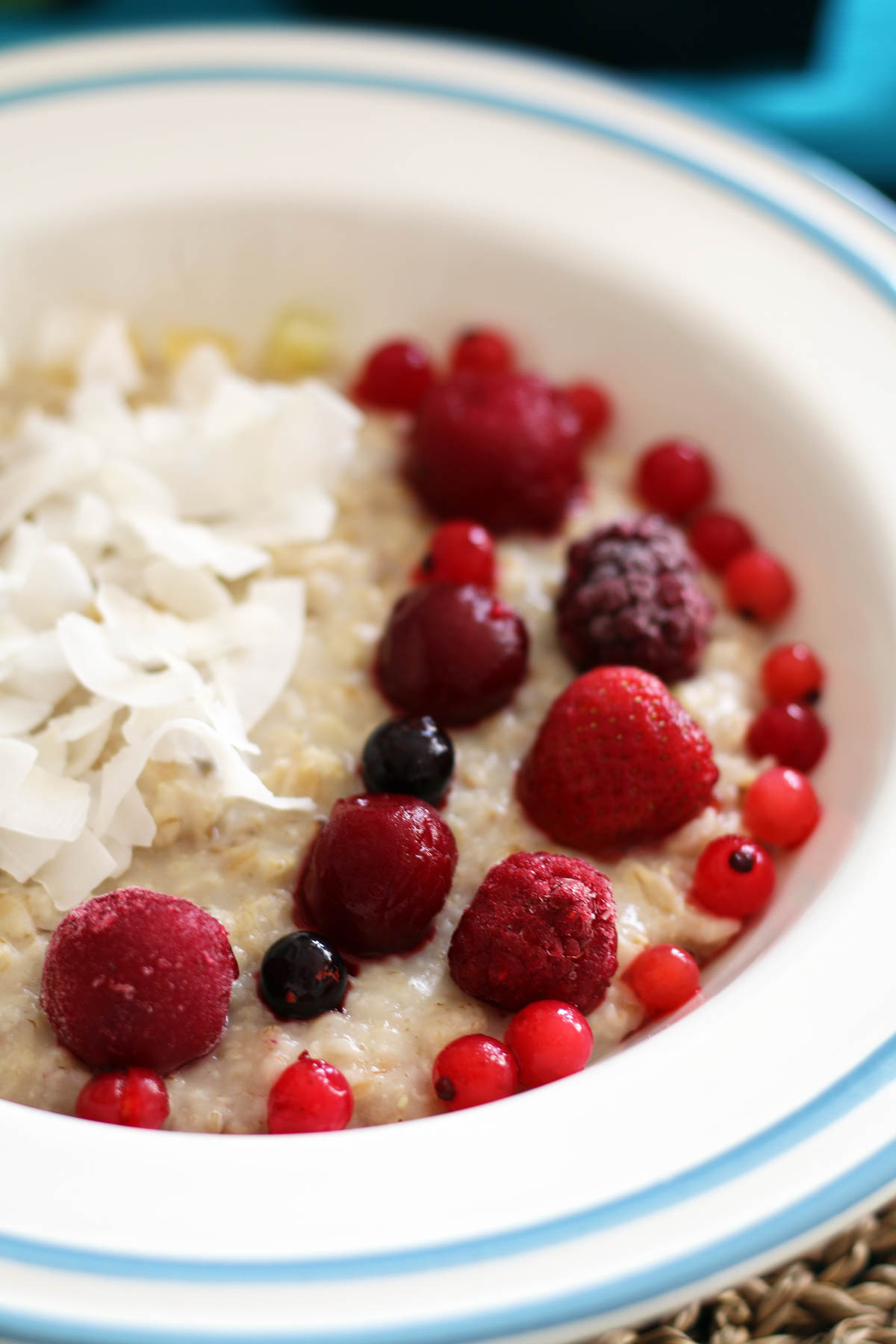
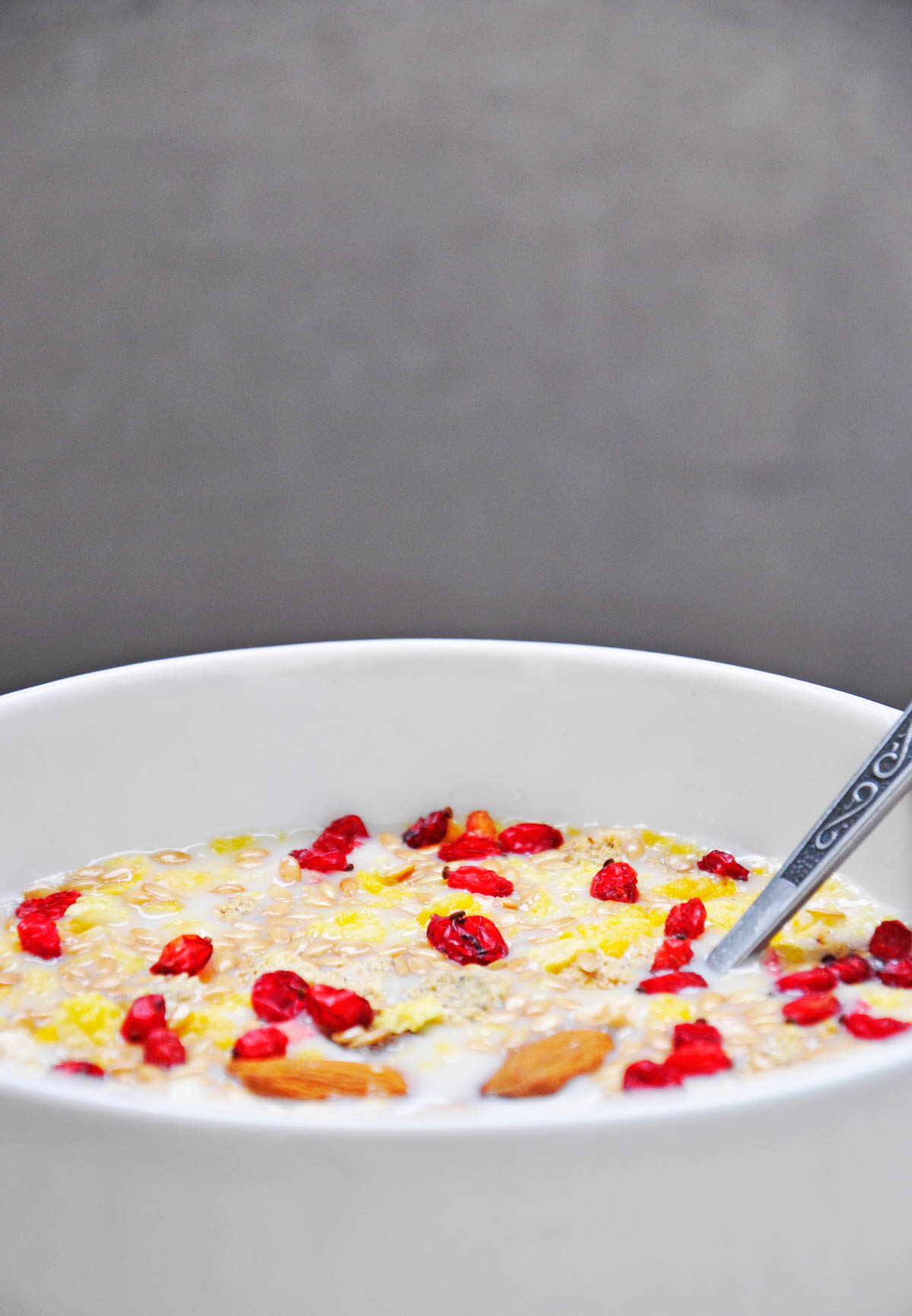
Porridge is the most dependable macrobiotic breakfast, ready in about ten minutes and endlessly adaptable to oats, millet, or brown rice. This guide focuses on technique: the right water-to-grain ratio and when to stir, so you get a creamy bowl instead of a gluey or watery one. Toast the oats in the dry pot for a minute before adding liquid to deepen the flavor without any sweetener.
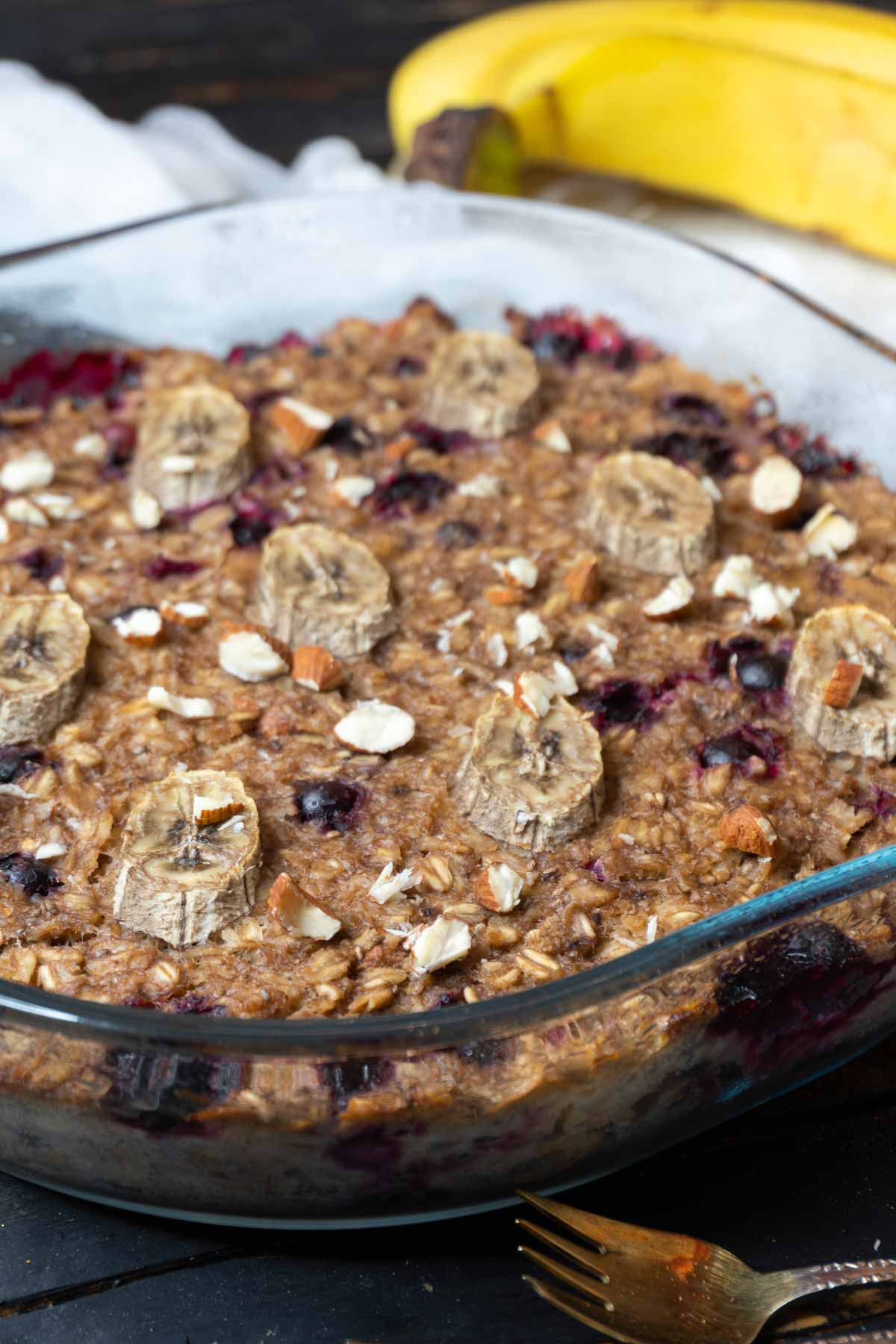
Baked oatmeal turns a loose bowl of porridge into sliceable squares with a tender, cake-like crumb and a real protein boost. It bakes hands-off in one dish, so you can prep it while the kettle heats and then walk away. Bake it in a lined tin on Sunday, then reheat individual squares through the week for a grab-and-go morning.
Maple Millet Porridge with Candied Coconut-Walnut Topping
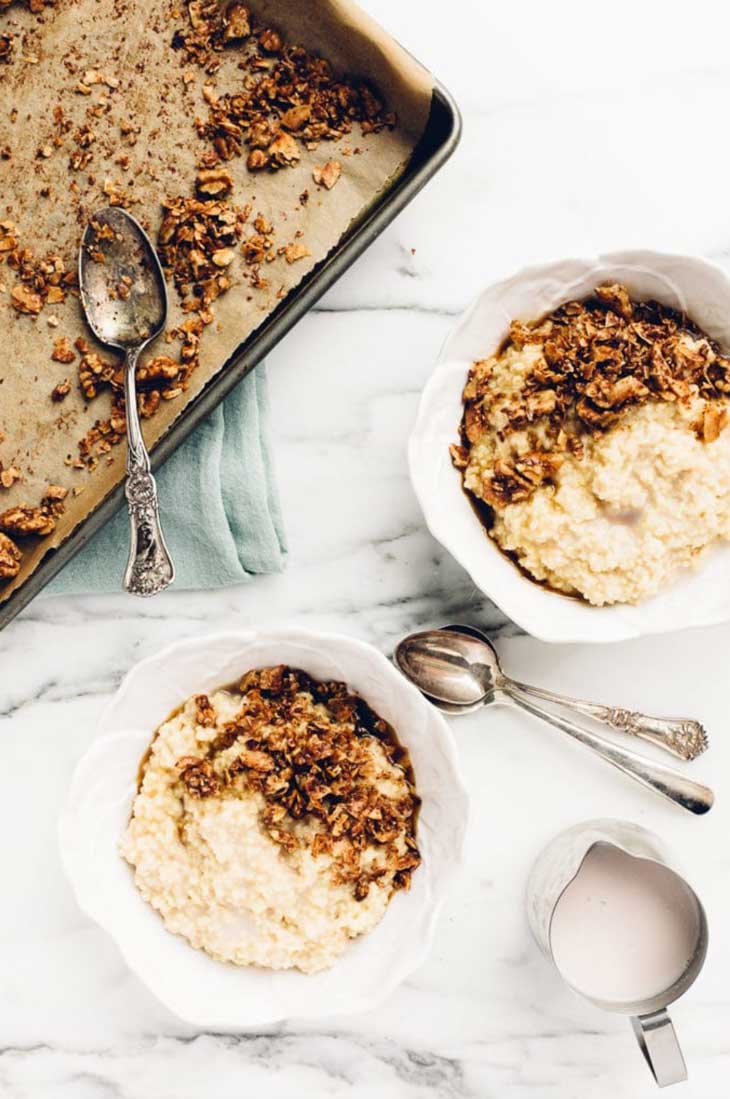
Cooking millet in coconut milk instead of water gives this porridge a naturally sweet, rich base that needs barely any added maple. A candied coconut-walnut topping adds crunch and a caramelized edge against the soft grain. Make a double batch of the topping and keep it in a jar so a weekday bowl comes together in minutes.
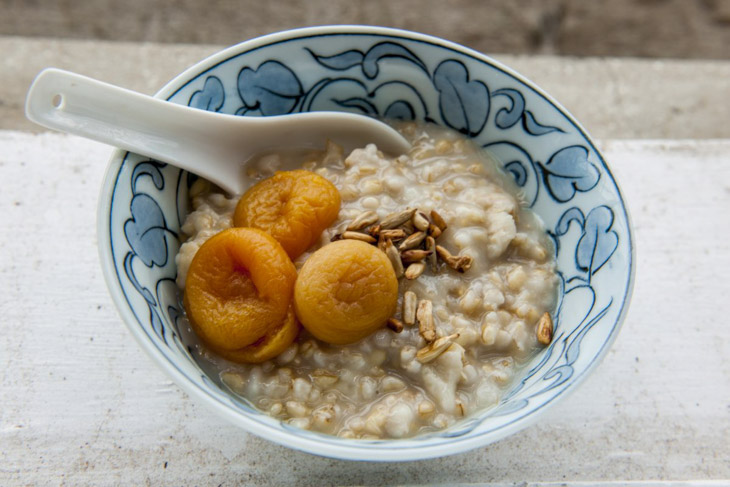
Also known as congee or kayu, this whole rice porridge simmers brown rice in plenty of water for close to an hour until it collapses into a soft, soothing cream. The long cook makes it exceptionally easy to digest, one reason it anchors traditional macrobiotic mornings. Cook it the night before and loosen it with a splash of water when you reheat.
For anyone who finds sweet breakfasts leave them hungry, these savory grain and miso bowls are the heart of macrobiotic eating.
5
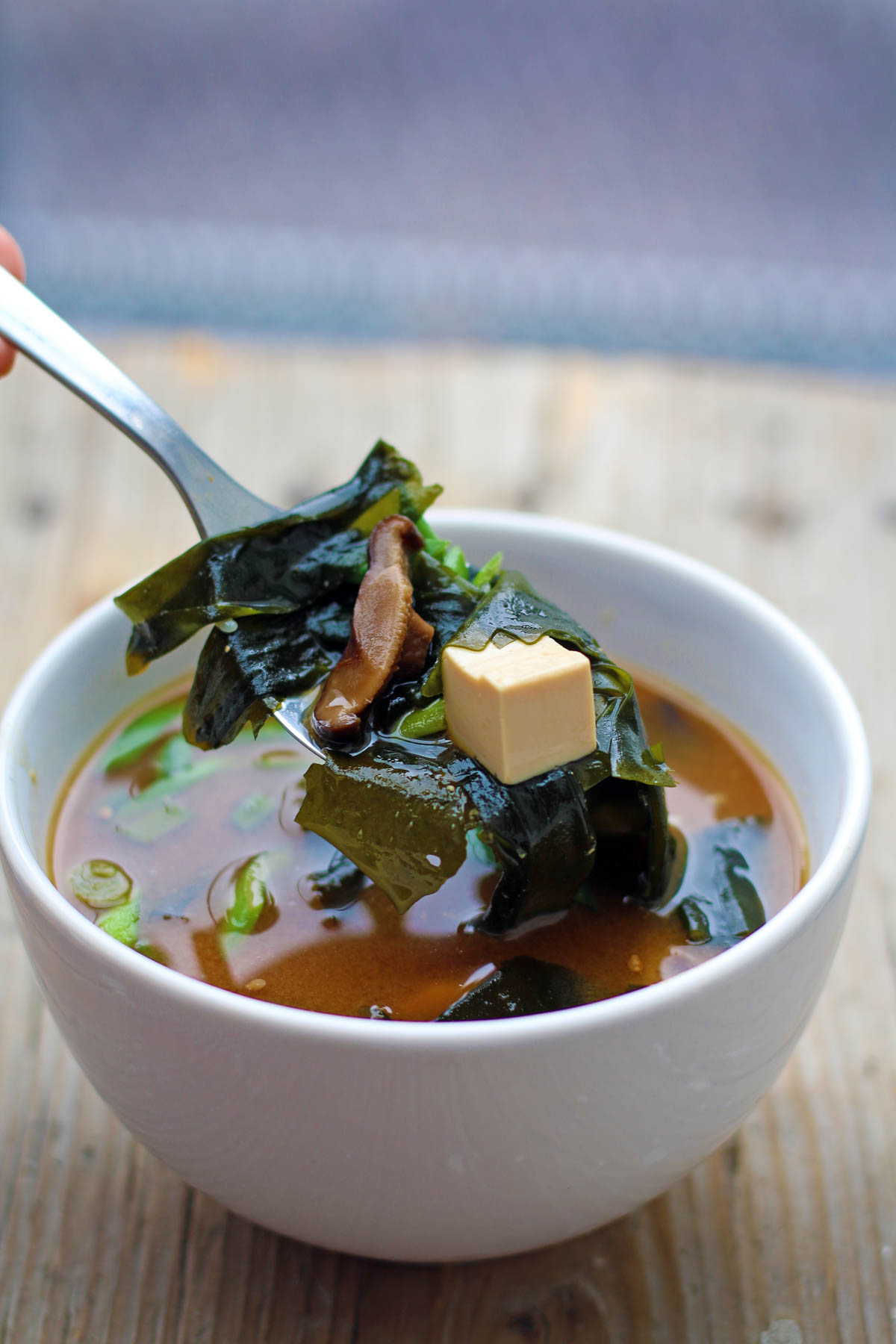
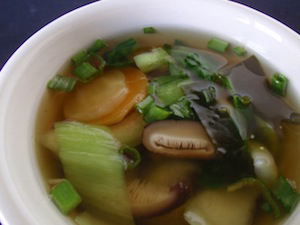
Vegan Miso Soup
A bowl of miso soup at breakfast is standard practice in Japan and a cornerstone of macrobiotic eating, gentle on the stomach and full of fermented depth. This vegan version leans on wakame, silky tofu, and a good unpasteurized miso for savory warmth. Whisk the miso into a little warm broth off the heat so you keep its live cultures intact.
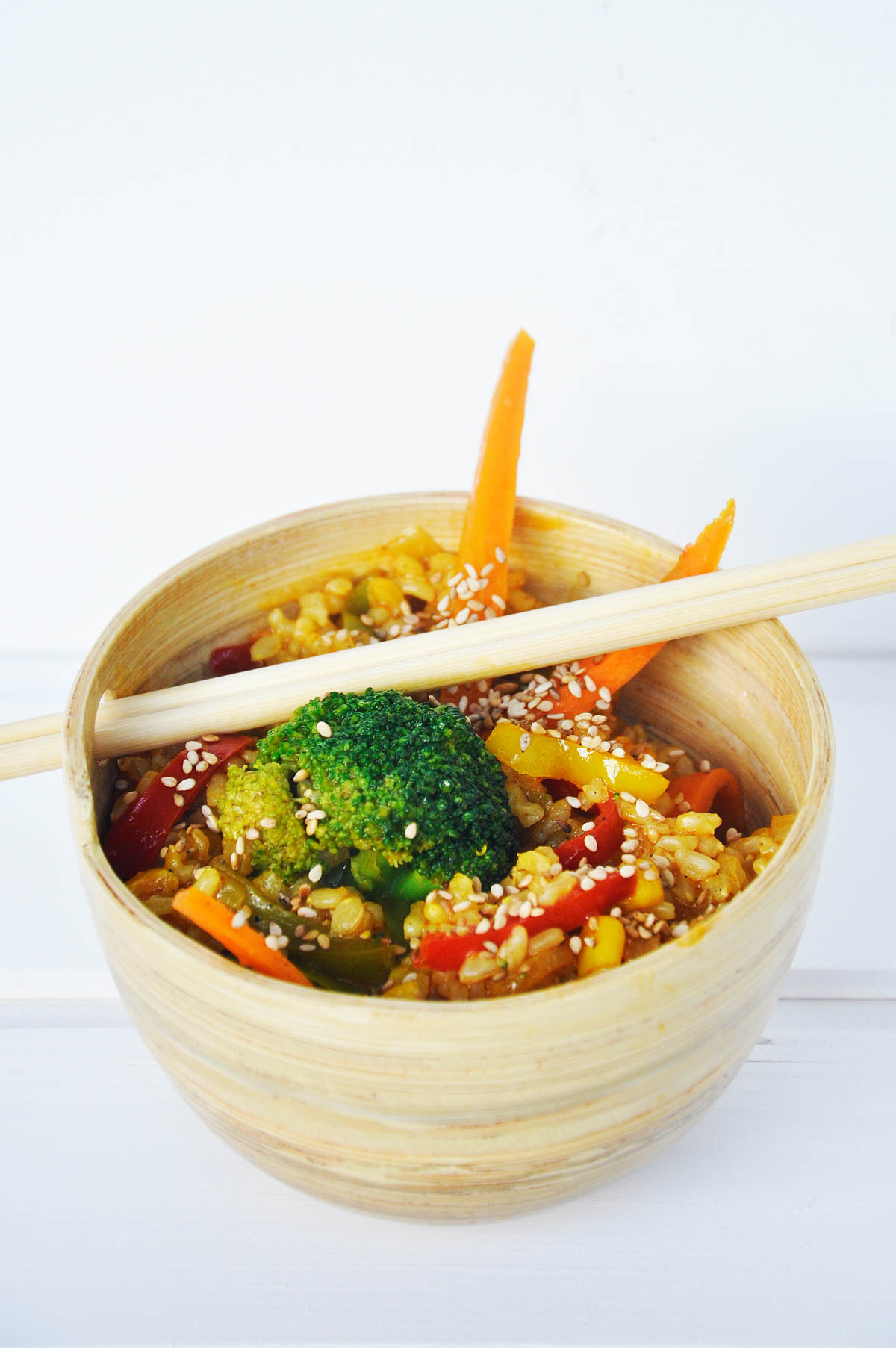
Brown rice is the core macrobiotic grain, and here it is tossed with lightly cooked seasonal vegetables for a savory bowl that carries you well past mid-morning. It comes together fast when you start with leftover cooked rice. Keep the vegetables just crisp-tender rather than soft so the bowl has texture and the greens hold their color.
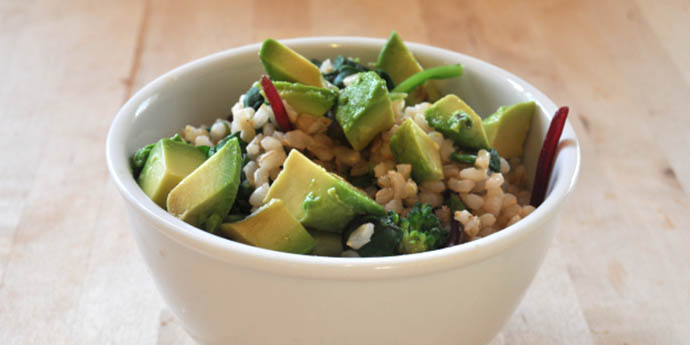
Warm brown rice meets leafy greens, steamed vegetables, and creamy avocado in a savory bowl designed to give lasting energy without any sugar. Built on leftover rice, it actually assembles faster than most oatmeal. Add a spoonful of sauerkraut or another ferment on the side to bring a probiotic tang that suits the macrobiotic table.
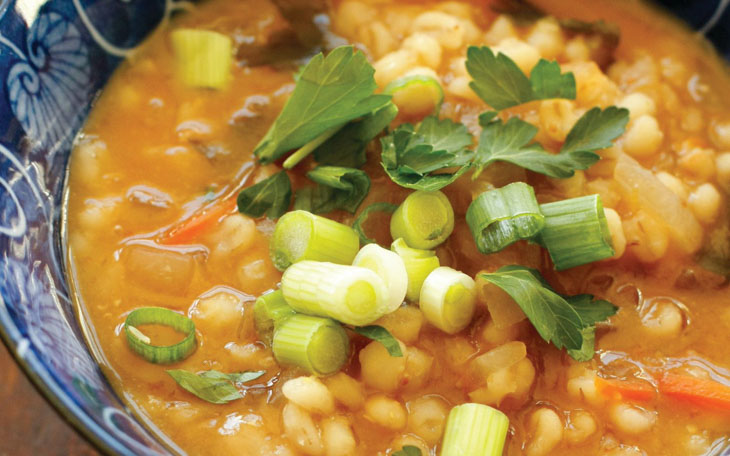
Ojiya is a Japanese porridge close to congee, and this version swaps in chewy pearled barley for a lower-glycemic grain that holds its bite in the broth. Simmered with miso and vegetables, it becomes a thick, umami-rich bowl that eats like a full meal. Stir in the miso at the very end so it stays fragrant and never boils.
A Macrobiotic Breakfast (Miso Soup, Nishime and Kukicha)
This trio brings together miso soup with mochi croutons, nishime-style slow-cooked vegetables, and roasted kukicha twig tea for a complete traditional Japanese morning. The chewy pounded-rice mochi gives the soup a satisfying heft you rarely get from broth alone. Pan-toast the mochi cubes until they puff and crisp before dropping them into the hot soup.
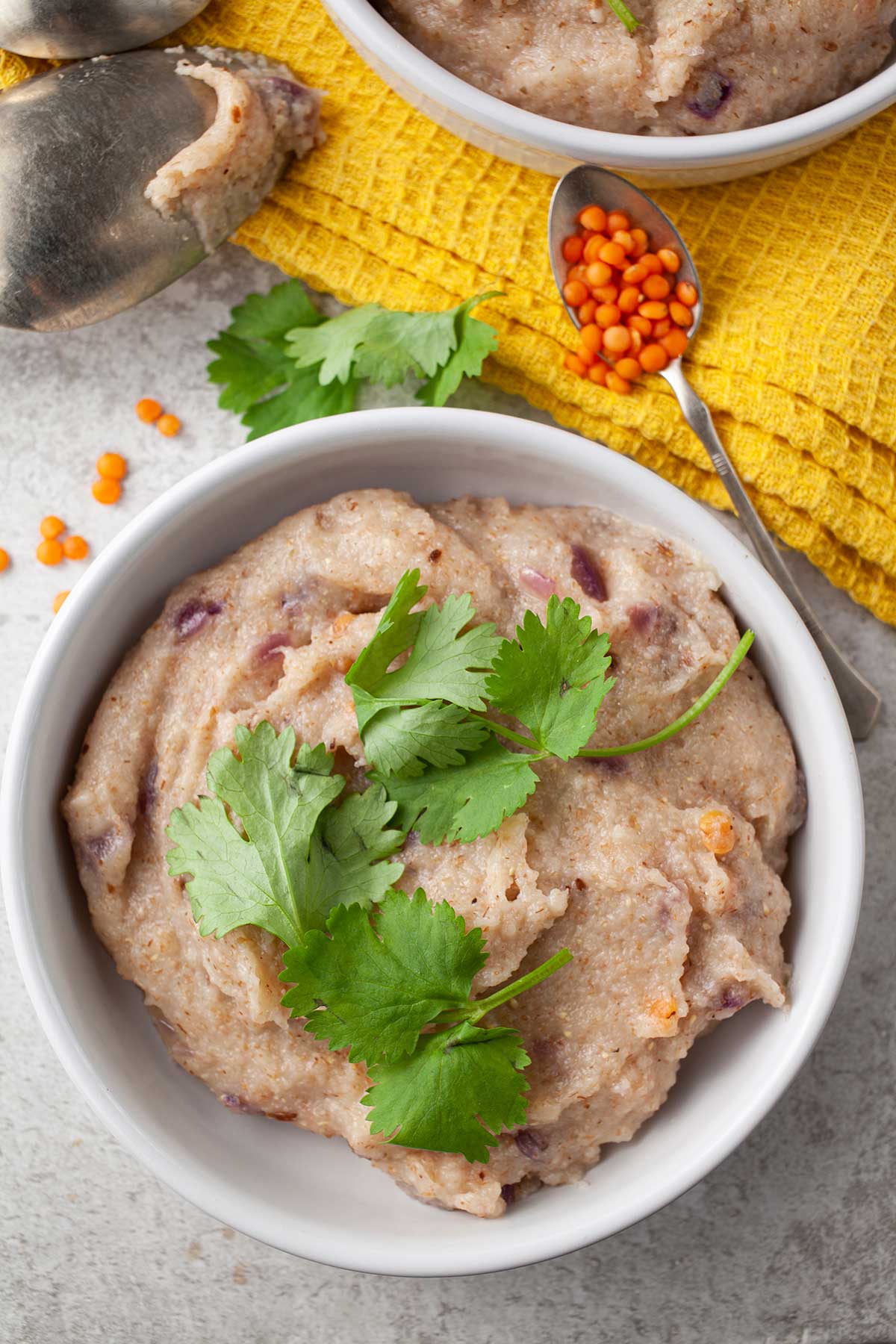
Upma is a savory Indian semolina breakfast, toasted grains simmered with mustard seeds, ginger, and vegetables into a soft, fluffy bowl. It is quick, warming, and endlessly flexible with whatever vegetables you have on hand. Dry-toast the semolina until it smells nutty before adding liquid so the finished upma stays light and separate rather than pasty.
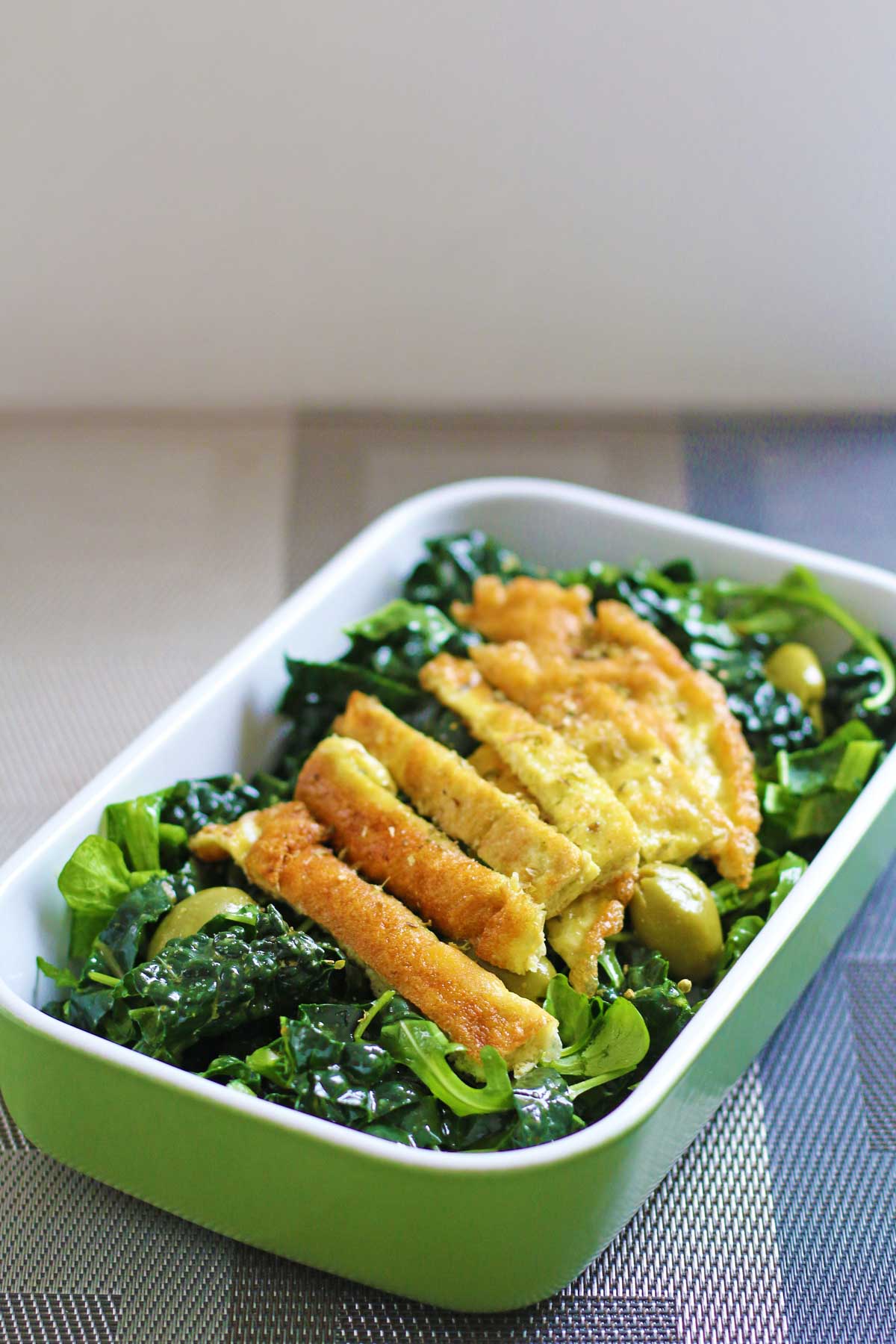
A savory kale salad flips the idea of breakfast, giving you crisp greens massaged until tender and dressed to eat first thing. It is fresh, quick, and a smart way to work more raw vegetables into your morning. Massage the kale with a little salt and lemon for a minute so the leaves soften and lose their raw bitterness.
When mornings are rushed, these prep-ahead and no-cook grain breakfasts quietly wait for you overnight.
12
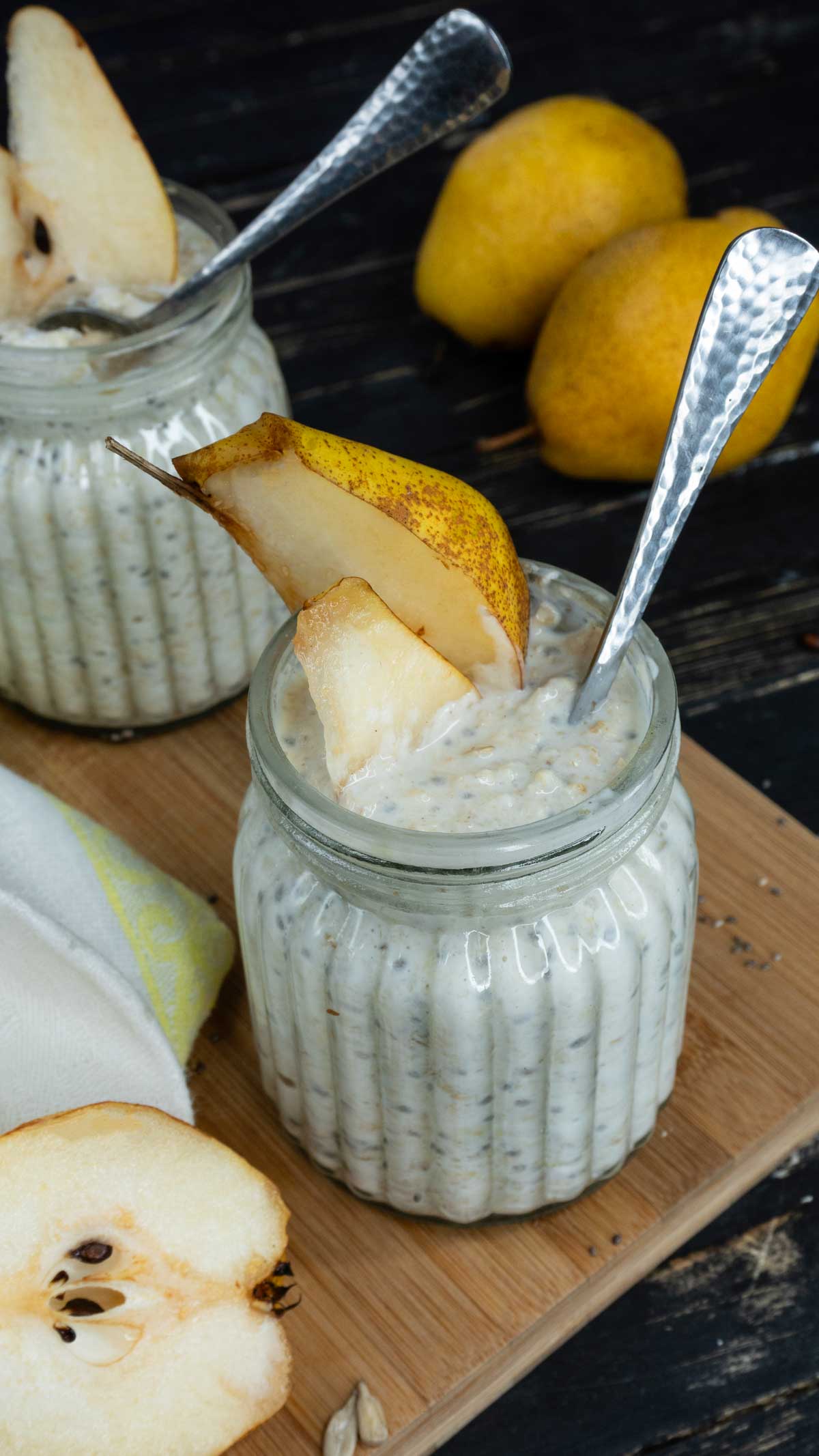
Overnight Oats
Overnight oats let whole rolled oats soak soft in plant milk while you sleep, so breakfast is waiting in the fridge before you are even awake. No cooking and no sugar crash, just creamy grains ready to top. Stir in chia seeds before chilling to thicken the base and add a gentle omega boost without changing the flavor.
This gluten-free muesli combines rolled grains, seeds, nuts, and dried fruit into a keep-in-the-jar mix that suits the whole-grain heart of macrobiotic eating. Eat it soaked in warm plant milk for a softer bowl, or splash it cold when time is short. Soak a portion overnight if you prefer the grains gentler and easier to digest.
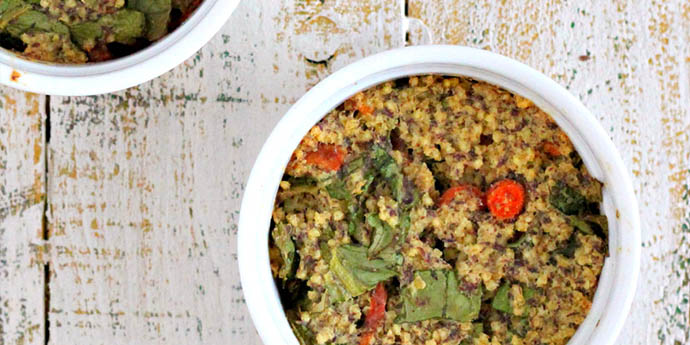
Millet and chickpeas bake with chard and carrot into a firm, sliceable square that is free of dairy, egg, soy, nuts, and gluten. It is one of the most allergen-friendly ways to prep breakfast for the week ahead. Bake it on the weekend, then slice it cold or crisp the pieces in a dry pan on busy mornings.
For a lighter or sweeter start, these puddings and blended drinks stay true to whole-food ingredients.
15
Coconut Rice Pudding with Pineapple-Berry Topping
Creamy coconut rice pudding proves a whole-grain breakfast can taste like a treat, with tender rice simmered in coconut milk under a bright, ginger-spiked pineapple and berry topping. The fruit brings natural sweetness so you can keep added sugar low. Use leftover cooked rice to cut the simmering time nearly in half on a slow morning.
This warm-spiced pumpkin smoothie blends real pumpkin with cinnamon and cloves into a thick, autumnal drink that feels more like dessert than a green juice. Pumpkin brings beta-carotene and body, so the texture stays luscious rather than watery. Freeze the pumpkin puree in ice-cube trays and blend the cubes straight in for an instant chilled, thick pour.
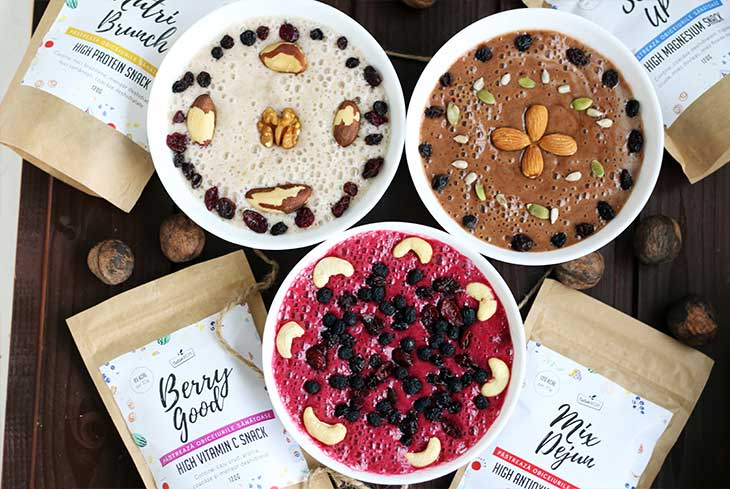
A smoothie bowl thickens the usual blended breakfast until it needs a spoon, then turns it into a canvas for grains, seeds, and fruit. It is a practical modern take that still leans on whole ingredients. Blend with as little liquid as possible and use frozen fruit so the base stays thick enough to hold its toppings.
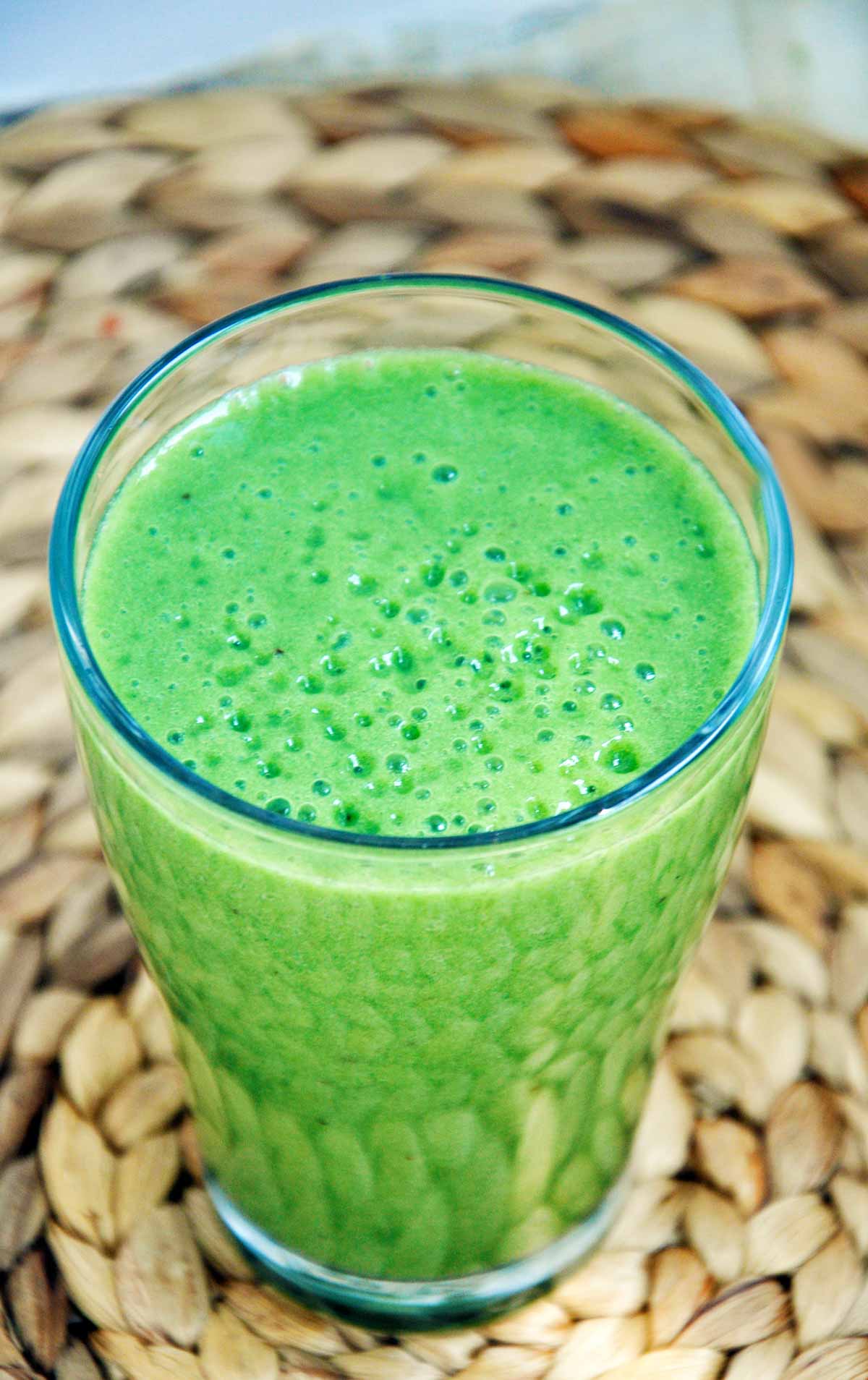
Barley grass gives this green smoothie a mineral-rich lift that nods to barley’s place among macrobiotic grains, blended smooth with fruit to keep it easy to drink. It is a fast way to fold more greens into a busy morning. Add half a frozen banana to round out any grassy edge and give the drink a creamier body.
These small building blocks round out the table and turn simple grains into a fuller macrobiotic meal.
19
Homemade Gomasio (Macrobiotic Sesame Salt)
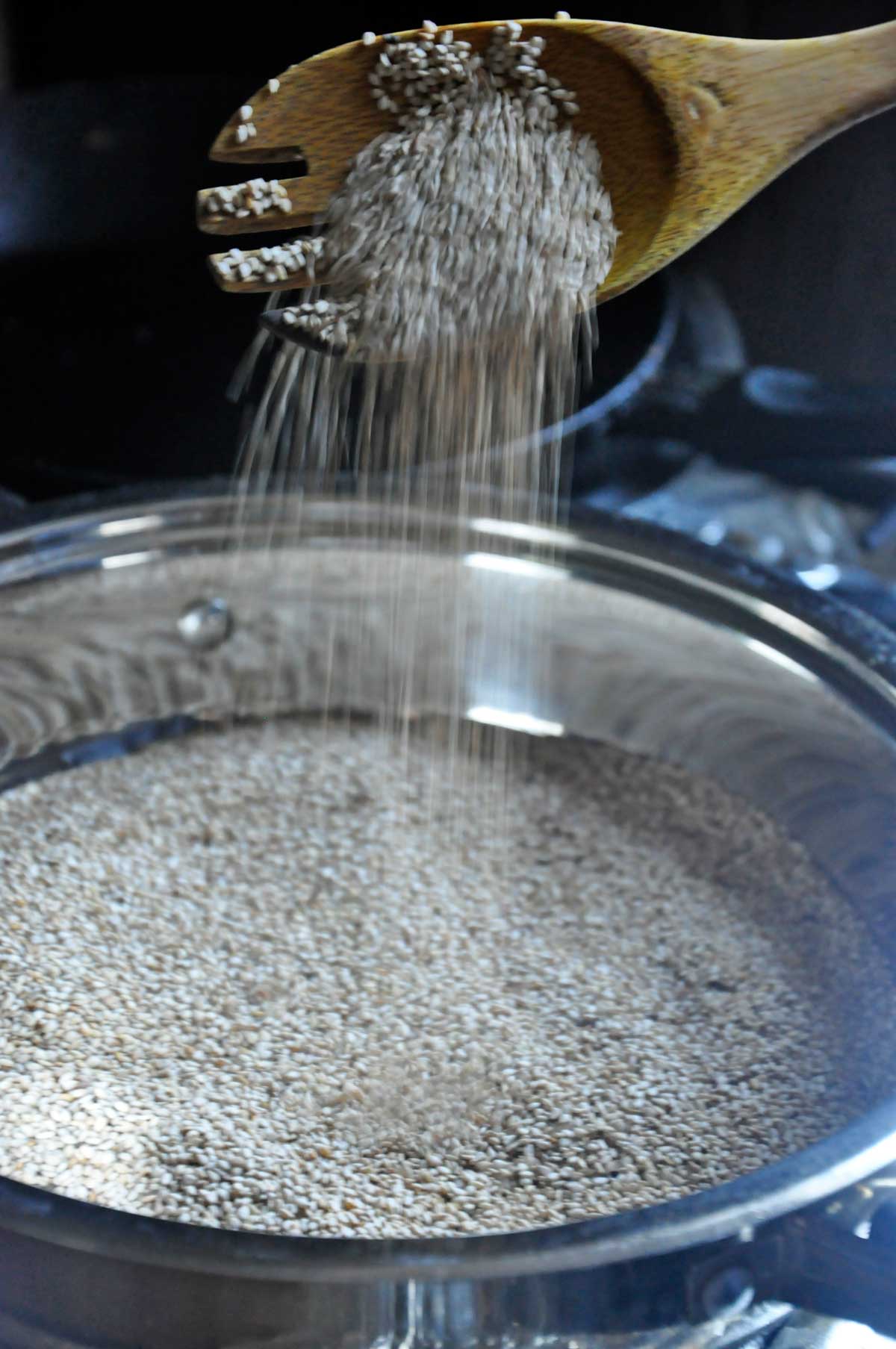
Gomasio is the classic macrobiotic sesame salt, toasted sesame seeds ground with a little sea salt into a nutty, savory sprinkle. A spoonful lifts plain porridge, brown rice, or steamed greens with minerals and depth. Grind it only lightly in a suribachi so some seeds stay whole and the mix keeps its fresh, toasty crunch.
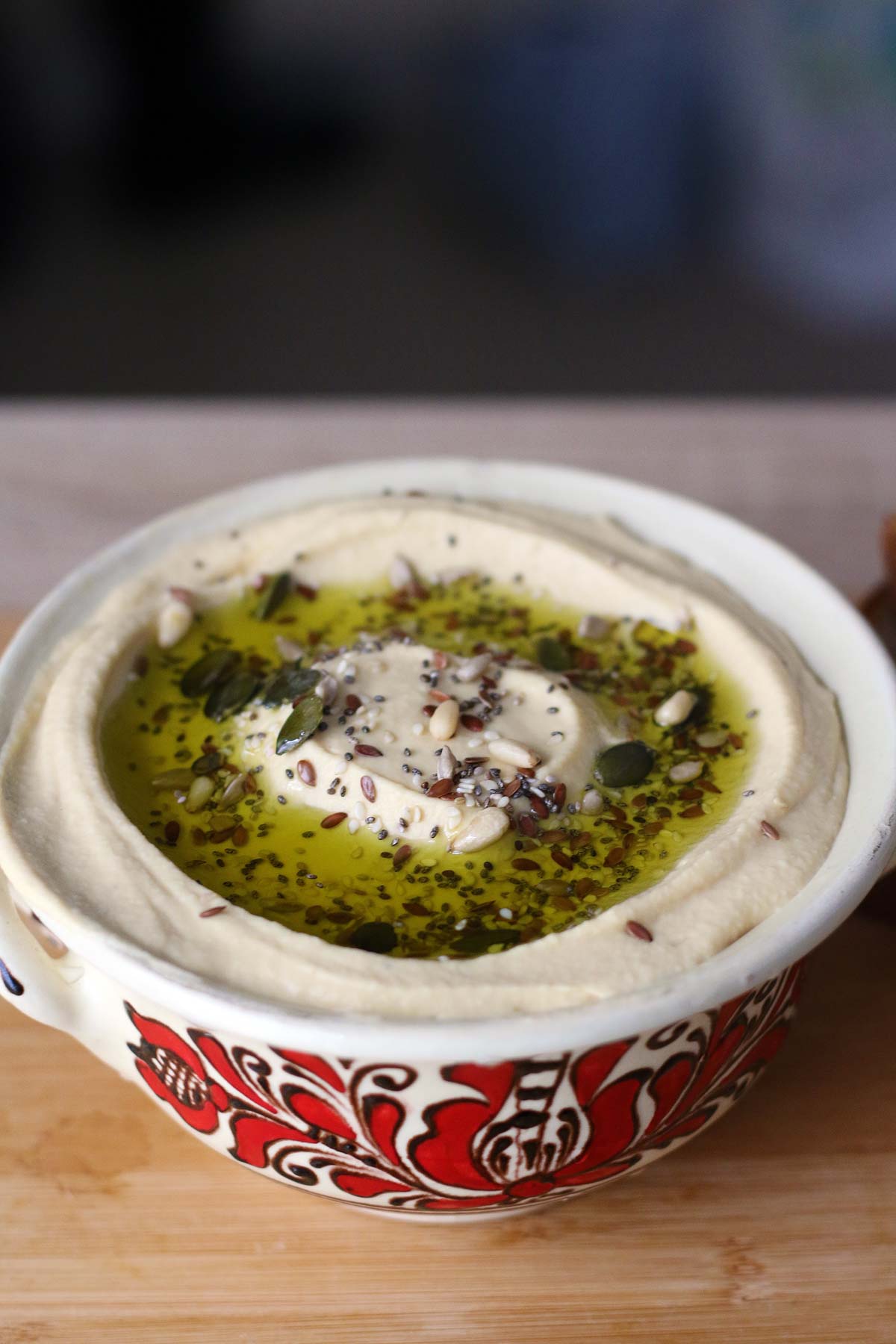
Made with cannellini beans instead of chickpeas, this white bean hummus is milder and creamier, which makes it a natural morning spread. Pile it on whole-grain toast with cucumber and a drizzle of olive oil for a savory breakfast in minutes. Thin it with a spoonful of the bean cooking liquid to reach a silky, spreadable texture.
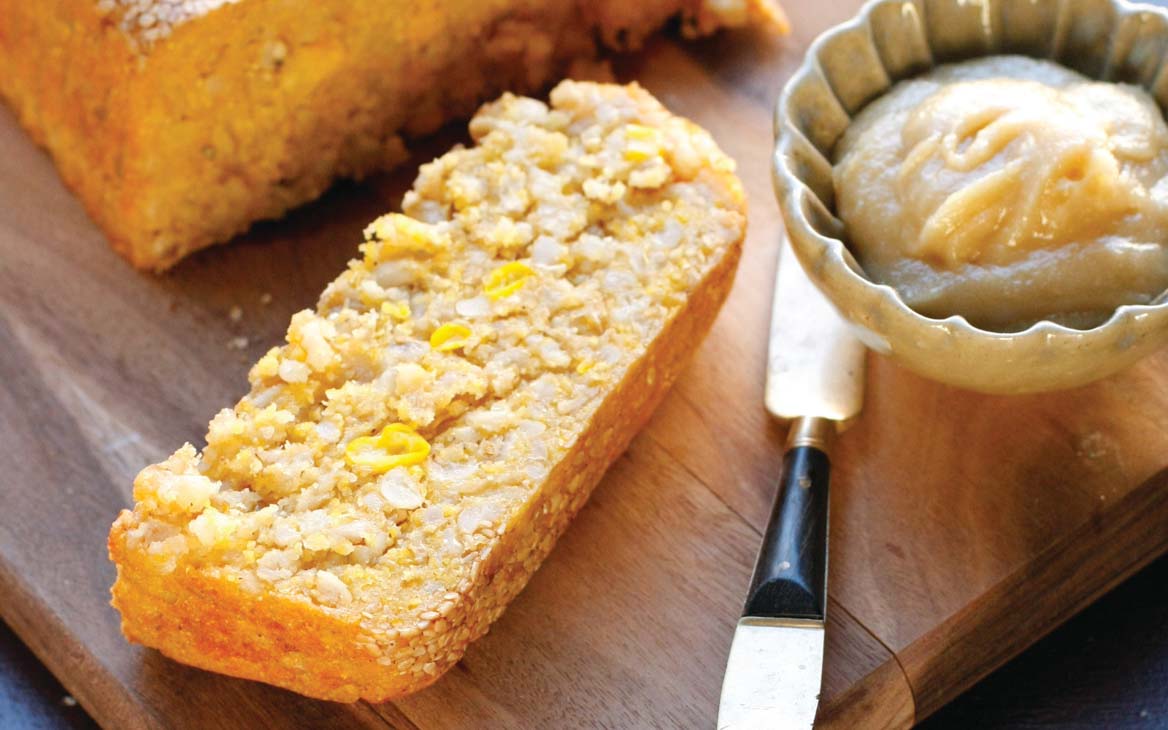
Naturally gluten-free cornmeal bakes into a dense, simple cornbread built to carry a savory tahini-miso spread that adds richness and fermented depth. It is a low-key way to start using miso at breakfast if the flavor is new to you. Toast a slice and spread the tahini-miso while it is still warm so it melts slightly into the crumb.
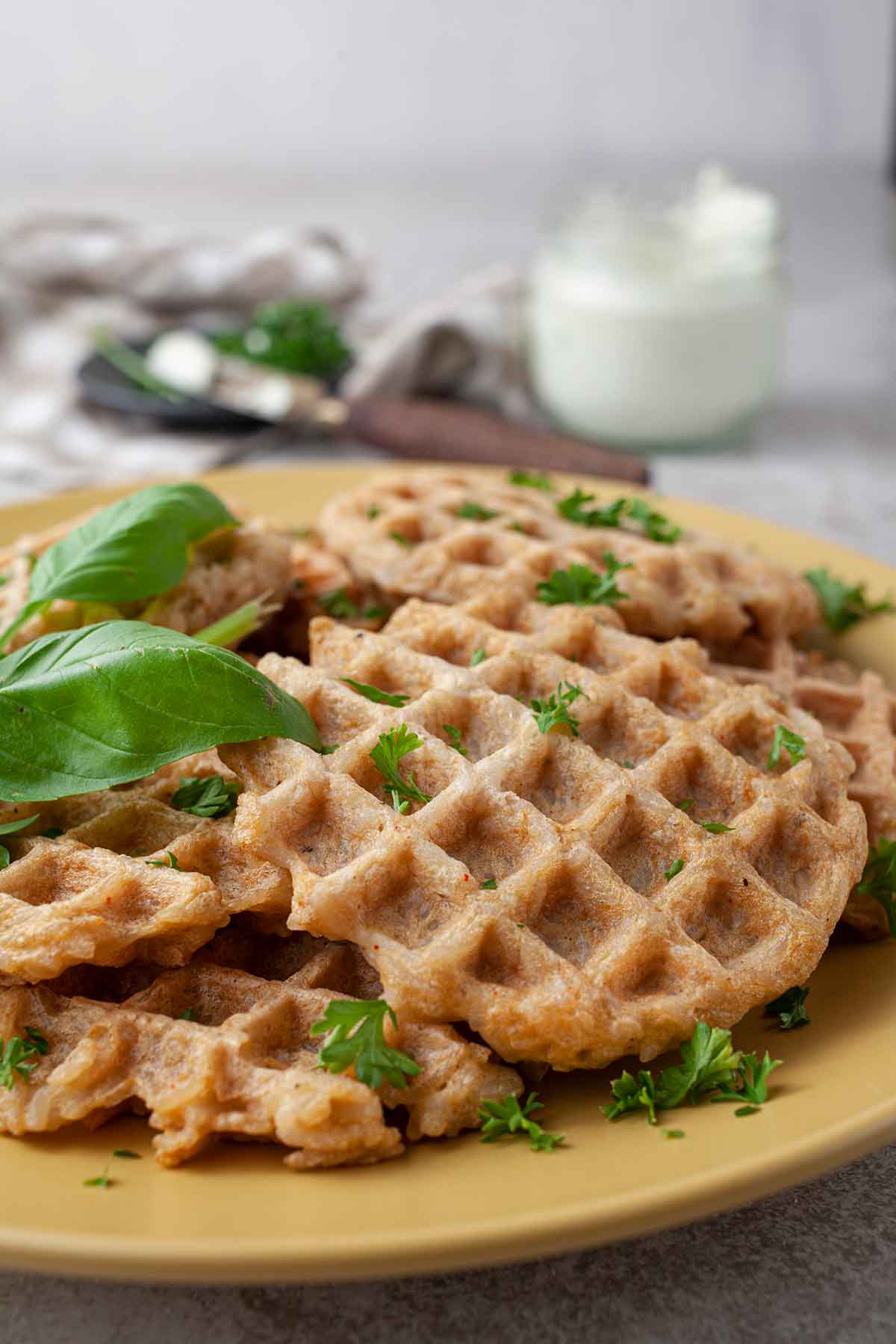
These crispy waffles turn leftover cooked rice into golden, gluten-free squares with shatteringly crisp edges and a tender middle. They are a clever way to use up yesterday’s brown rice and work with either sweet or savory toppings. Press the batter well into a hot waffle iron and resist opening it early so the edges crisp fully.
What do you eat for breakfast on a macrobiotic diet?
Traditional macrobiotic breakfasts include whole grain porridge from millet, oats, or brown rice, miso soup with tofu and seaweed, lightly steamed vegetables, and fermented pickles. Modern versions also add smoothies and savory grain bowls. The focus stays on whole, minimally processed foods with no refined sugar or dairy.
Is oatmeal macrobiotic?
Yes, rolled oats are macrobiotic because oats are a whole grain, the foundation of the diet. Cook them with water or plant milk and skip refined sugar. Sweeten lightly with brown rice syrup or a little maple syrup if needed, and top with seeds, nuts, or stewed fruit.
Can you eat eggs on a macrobiotic diet?
Traditional macrobiotics avoids eggs, dairy, and most animal products, keeping the approach plant-based. Some modern interpretations allow occasional eggs or fish, but the standard practice does not. Every one of the 23 recipes in this list is vegan or vegetarian and free of eggs and dairy.
What grains are best for a macrobiotic breakfast?
Brown rice, millet, oats, barley, and buckwheat are the most common macrobiotic breakfast grains. Whole grains are preferred over refined ones because they keep their fiber and nutrients. Millet and brown rice porridge are especially popular because they are easy to digest and simple to cook.
Are macrobiotic breakfasts good for weight management?
Macrobiotic breakfasts tend to be naturally lower in calories because they avoid processed foods, refined sugar, and animal fats, while their fiber from whole grains and vegetables supports fullness. Still, the diet is not designed as a weight-loss plan. It is a long-term approach focused on balance and whole foods rather than calorie counting.
How long does a macrobiotic breakfast take to make?
Most recipes here take 10 to 30 minutes. Grain porridges like millet or oats need about 15 to 20 minutes on the stove, smoothies take under 5 minutes, and savory bowls built on pre-cooked rice come together in around 10. Whole rice congee is the exception and cooks best when made ahead.
Ruxandra Niță
Ruxandra Niță (formerly Micu) is a vegetarian food blogger, recipe developer and food photographer. Started Gourmandelle in 2011 and published more than 1,000 tested vegetarian and vegan recipes in English and Romanian.
Love this! Have recently been exploring the macrobiotic lifestyle and absolutely loving it, but breakfast is one of the more challenging aspects of it, i am loving having miso soup in the mornings, followed by rice and tofu, or some apple & rice flake porridge, but also loving the millet recipes here! will definitely have to try them, thank you for sharing 🙂 i’ve recently started up a little blog about a journey of healing emotions and the body through food and most of it, if not all is veggie and vegan, love that stuff of cooking so much!!! anyways keep up the good beautiful inspiring work 🙂 love xx










I can’t wait to try theses suggestions.
Where is the recipe for the cornbread? When I go to the link, the recipe is not there.
Hi Susan. I’ve checked the link. The recipe is there, you have to click on the Read More link.
Do you have any breakfast muffin recipes or snack bars on the macrobiotic lifestyle?? Kavanaugh.denise@ yahoo.com thanks
Thank you! Happy to hear you liked the recipe!
Love this! Have recently been exploring the macrobiotic lifestyle and absolutely loving it, but breakfast is one of the more challenging aspects of it, i am loving having miso soup in the mornings, followed by rice and tofu, or some apple & rice flake porridge, but also loving the millet recipes here! will definitely have to try them, thank you for sharing 🙂 i’ve recently started up a little blog about a journey of healing emotions and the body through food and most of it, if not all is veggie and vegan, love that stuff of cooking so much!!! anyways keep up the good beautiful inspiring work 🙂 love xx
Great list. Can’t wait to try all of these. Thanks for featuring my maple millet porridge. It’s a favorite at our house!
Thank you, Becky! I tried your recipe two days ago and loved it! 😀
I’m always looking for breakfast variations, especially savory ones. Can’t wait to try some of these.
Glad you like them, Don! 😀