Canned kidney beans are ready to use straight from the tin, while dried kidney beans need an overnight soak and a hard 10-minute boil to be safe to eat. This guide walks you through soaking, cooking times, canned versus dried, storage, and safety, then hands you 20 tested recipes to put your beans to work. Whether you are simmering a smoky chili or tossing a quick bean salad, there is a dish here for every night of the week.
How to Choose and Cook Kidney Beans
Choose dried kidney beans for the best texture and lowest cost, or canned for speed and convenience. Dried beans must be soaked for 8 to 12 hours, then drained, and never cooked in the soaking water, which absorbs the compounds that cause gas and toxicity. Boil them hard for at least 10 minutes to destroy phytohaemagglutinin before simmering 45 to 60 minutes until tender, and add salt only at the end since it slows softening. Canned kidney beans are fully cooked, so just drain and rinse. Store cooked beans up to 5 days chilled, or freeze in can-sized portions for 3 months.
Jump to a category
Kidney Bean Soups and Stews
Kidney beans add protein, body, and a satisfying bite to these cozy soups and stews.
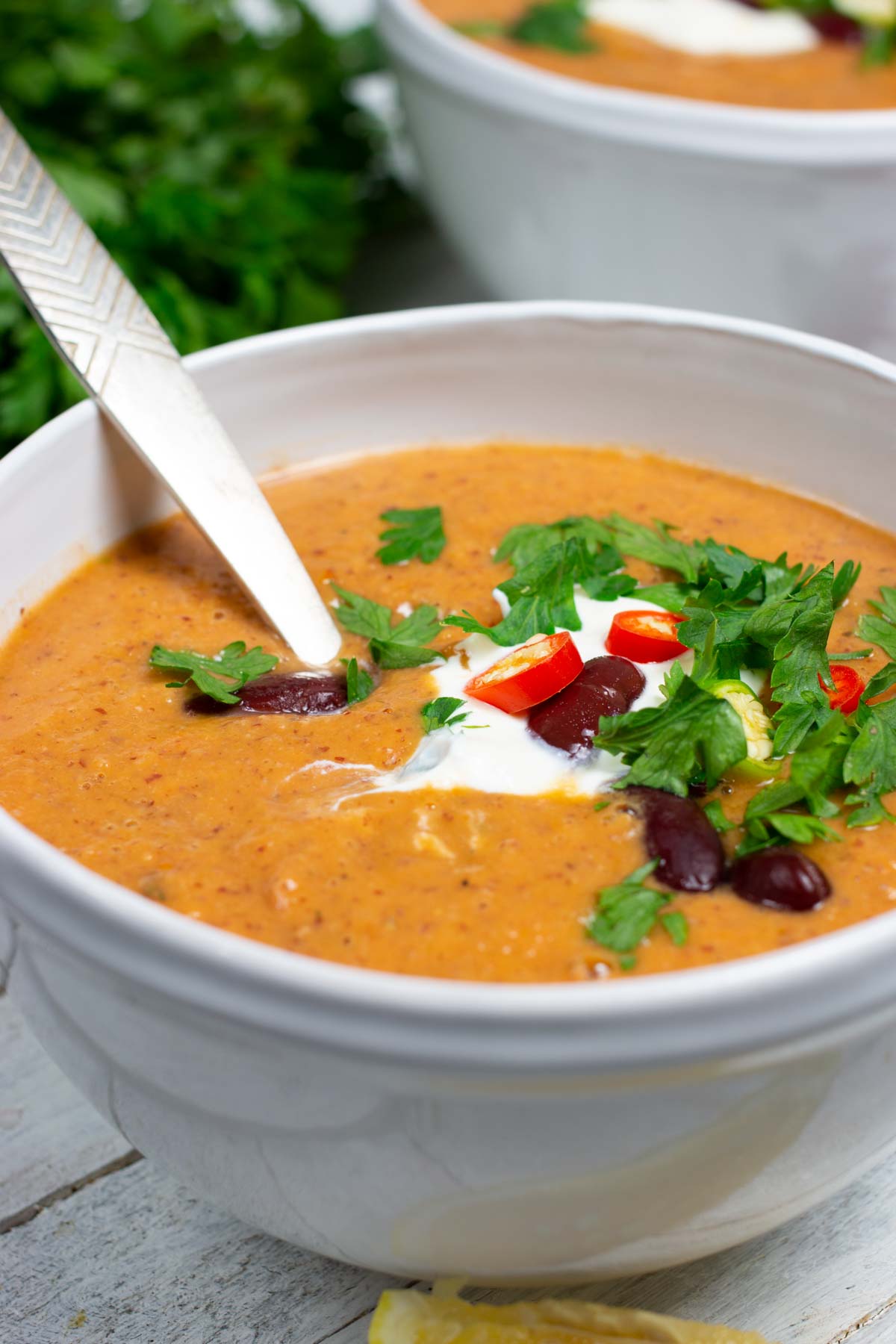
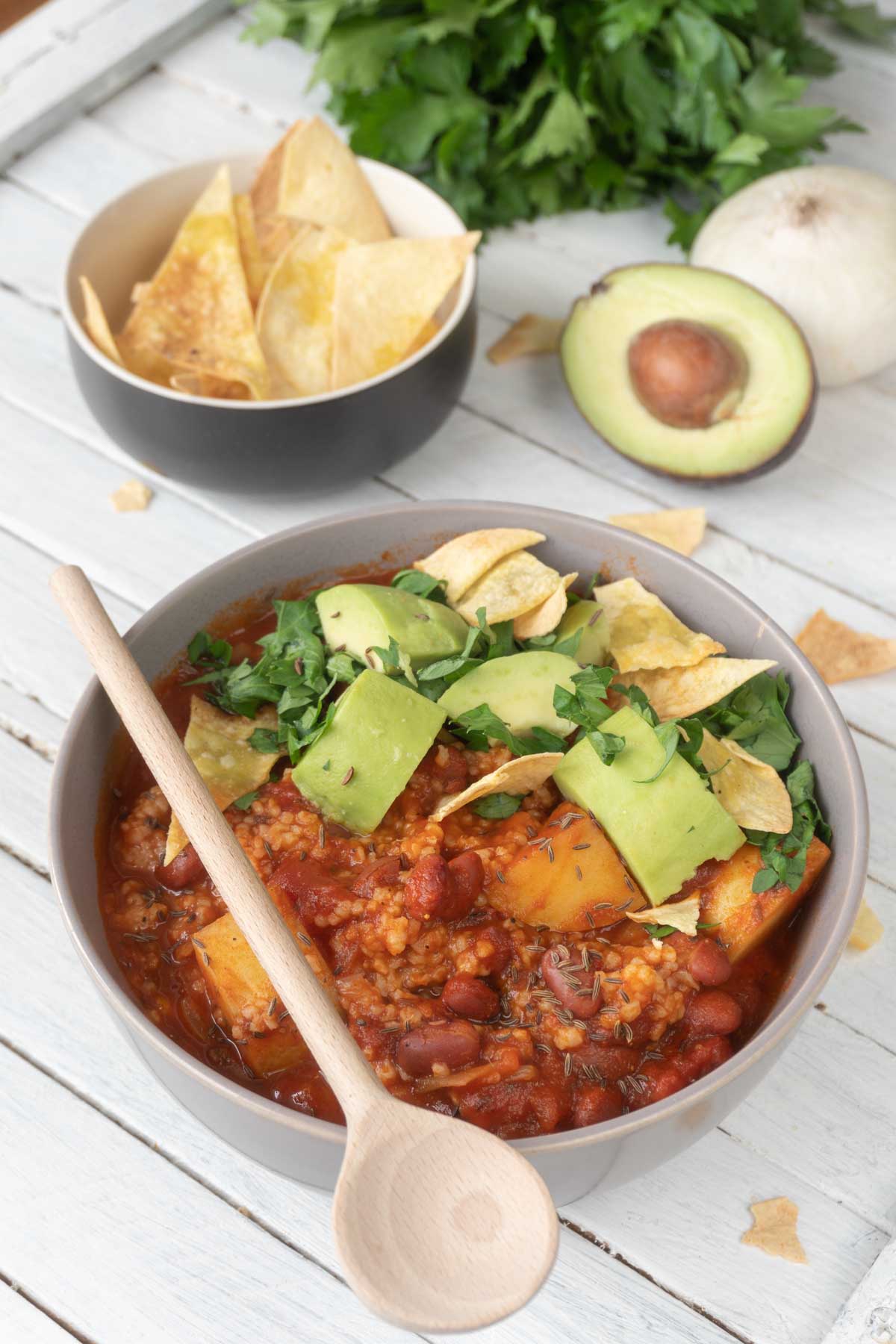
Vegan Kidney Bean Soup
This creamy, spiced kidney bean soup comes together in about 30 minutes using canned beans, canned tomatoes, fresh ginger, and warming spices. Blending part of the beans gives it a velvety body with no cream at all. For an even richer bowl, mash a ladleful of beans against the side of the pot and stir it back in just before serving.
Get the recipe
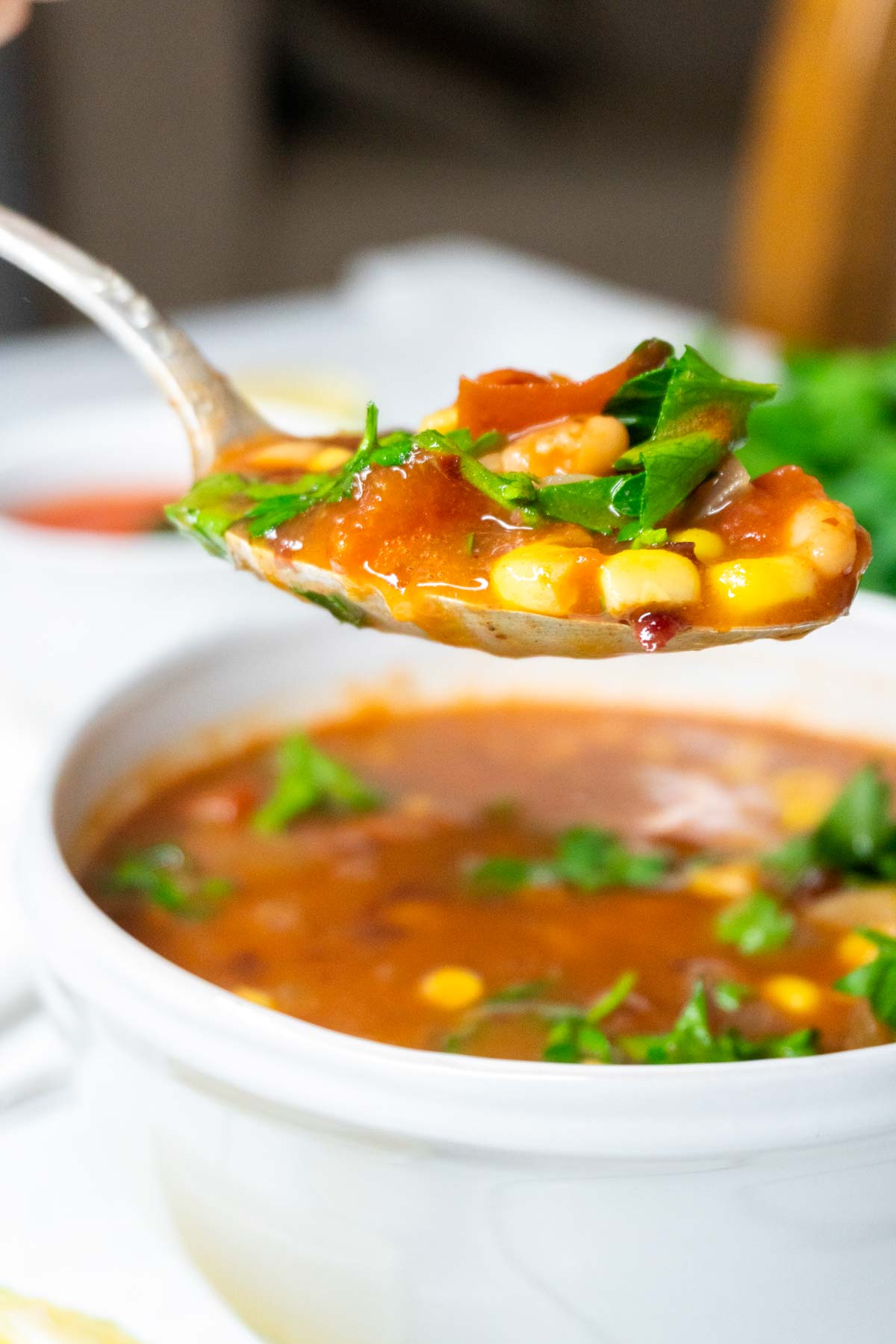
Hearty Beans Soup
A rib-sticking bean soup loaded with vegetables and tender beans in a savory broth, this is the kind of one-pot meal that feels like a hug on a cold day. Kidney beans hold their shape beautifully here. Make it a day ahead if you can, since the flavor deepens noticeably after a night in the fridge.
Get the recipe
Smoky Beans Stew
Smoked paprika and a patient simmer turn everyday beans into a deep, smoky stew with real backbone. Serve it over rice or with crusty bread to mop up the sauce. If you want extra smokiness, stir in a little smoked tofu near the end so the flavor stays bright rather than heavy.
Get the recipe
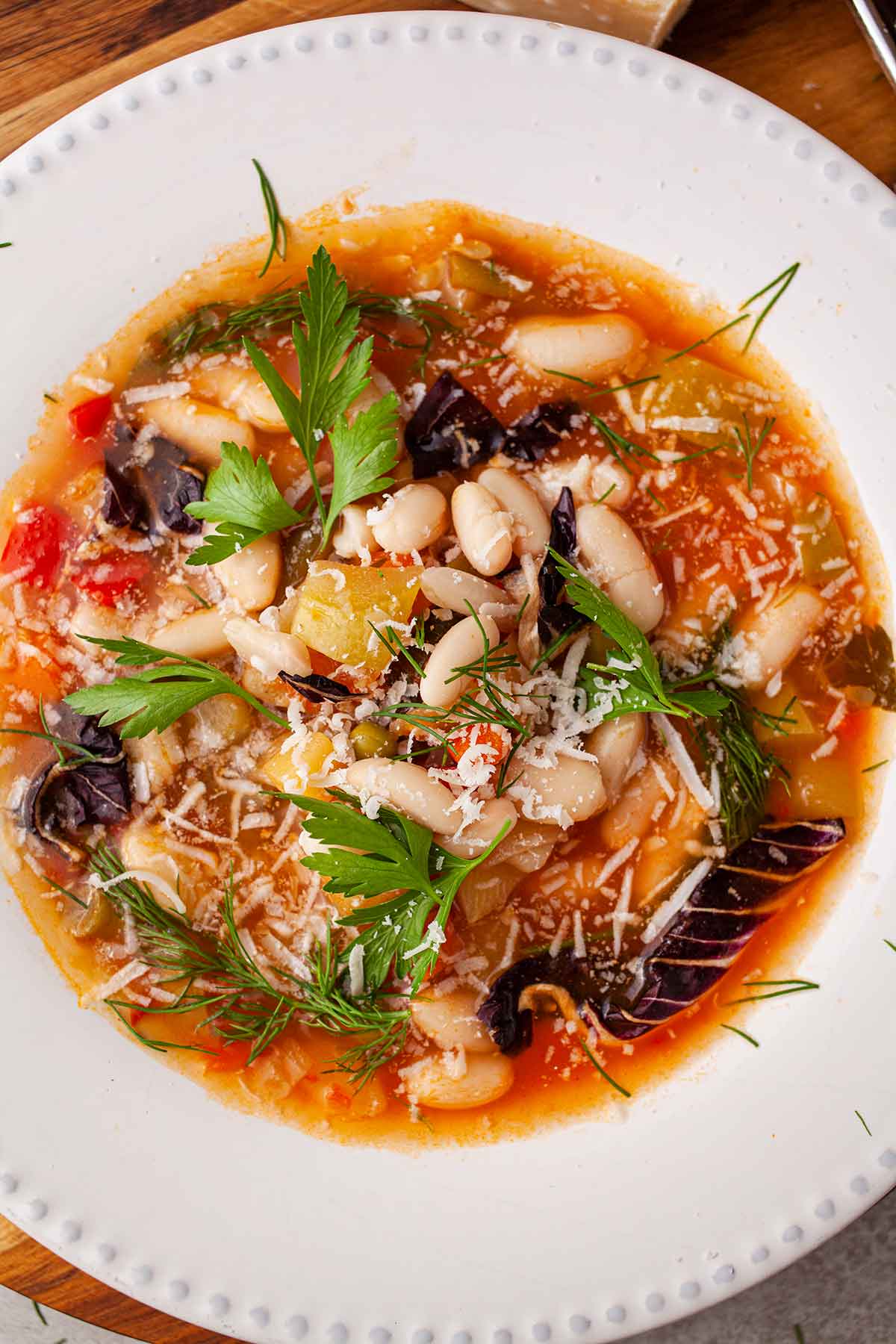
Best Minestrone Soup
This classic Italian minestrone is packed with vegetables, small pasta, and beans in a light tomato broth. Kidney beans are a natural fit, lending protein and a meaty bite. Add the pasta only in the last few minutes of cooking, or keep it separate, so it stays firm instead of turning soft in the leftovers.
Get the recipe
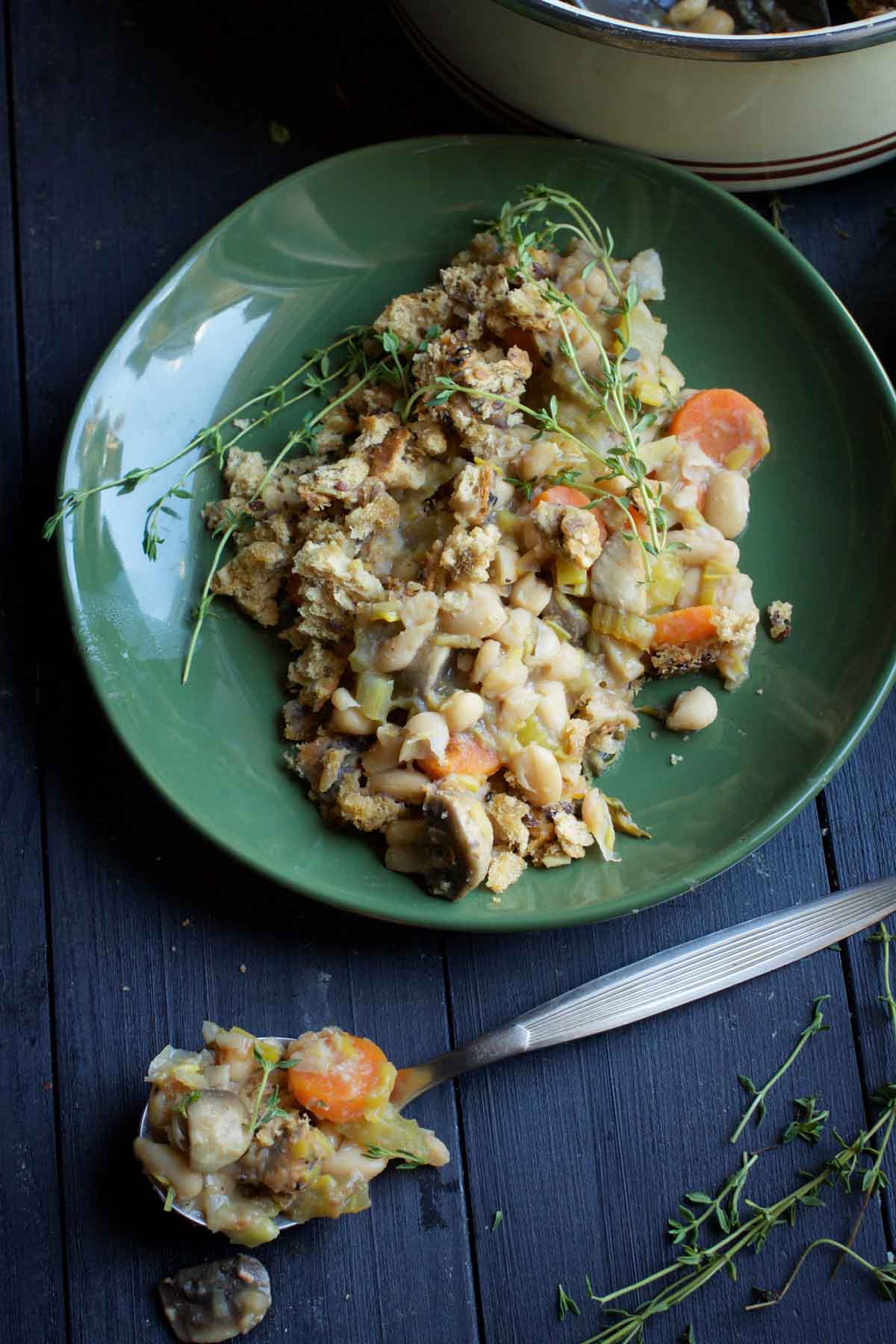
Easy Vegetarian Cassoulet
A comforting French white bean casserole with herbs, vegetables, and a golden crumb topping baked until bubbling. White kidney beans slot in perfectly here in place of the usual cannellini. Bake it uncovered for the final stretch to crisp the top, then let it rest a few minutes so the sauce thickens around the beans.
Get the recipe
Chili and Spiced Beans
Bold spices and a slow simmer bring out the best in kidney beans in these chili-style dishes.
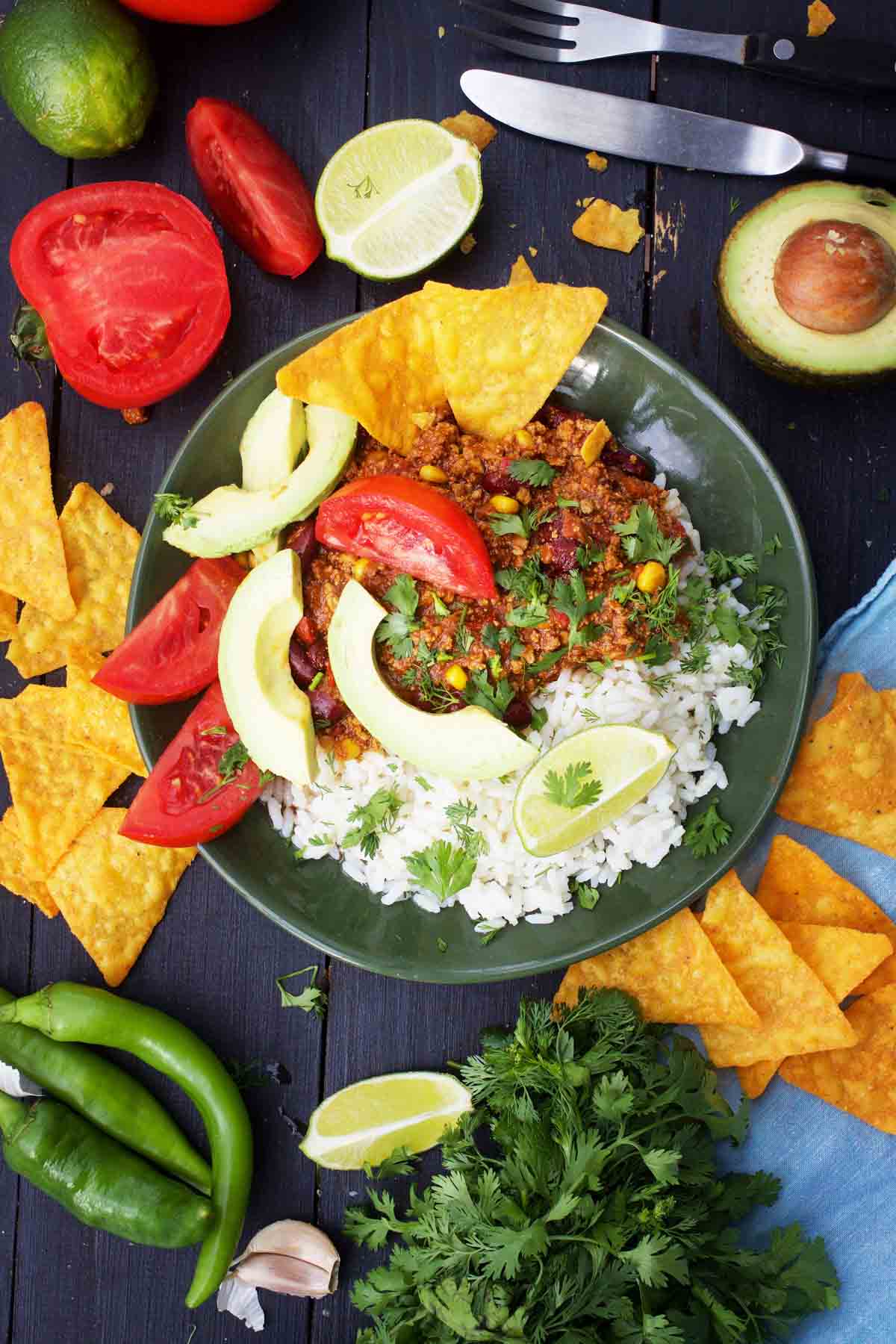
Vegan Chili Con Carne
Rich, smoky, and deeply satisfying, this meat-free chili leans on kidney beans and bold spices like cumin, smoked paprika, and chili for a full-bodied bowl. Add the beans in the last 20 minutes so they absorb the sauce without going mushy. It tastes even better on day two, so double the batch and freeze half for a busy night.
Get the recipe
Quinoa Chili
Fluffy quinoa and hearty kidney beans make this chili both protein-packed and filling, with a thick, spoonable texture. The quinoa drinks up the spiced tomato base as it cooks. Rinse the quinoa well before adding it to keep any bitterness away, and stir now and then near the end so it does not catch on the bottom of the pot.
Get the recipe
White Chili
A creamy, gentler take on chili built on white beans, mild green chiles, and warming spices instead of tomatoes. White kidney beans keep their shape and slot right in. For a thicker, creamier finish, blend a cupful of the cooked beans with a little broth and stir it back into the pot before serving.
Get the recipe
Tacos, Burritos and Mexican Mains
From burritos to enchiladas, mashed or whole kidney beans make a sturdy, flavorful filling for these Mexican-inspired favorites.
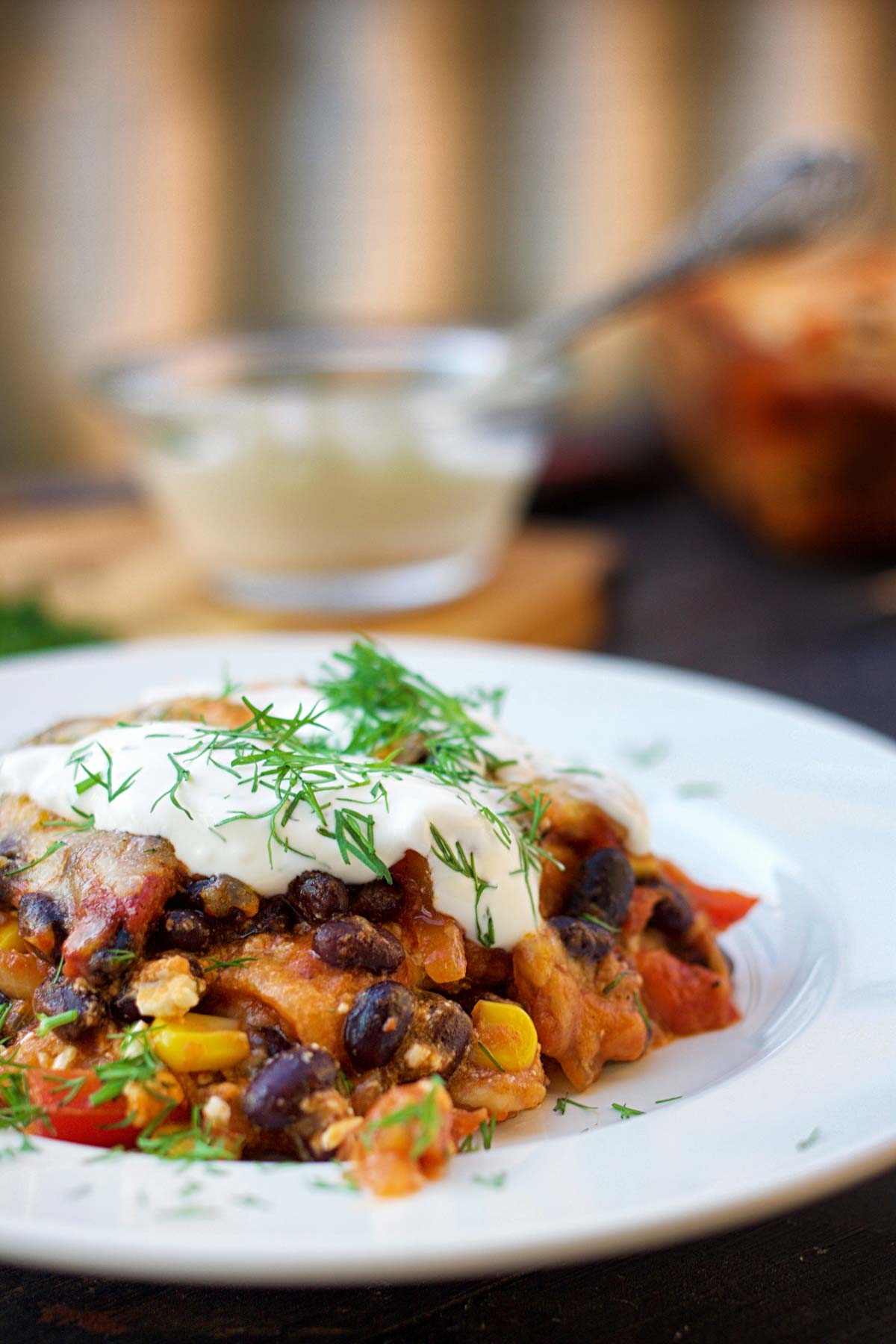
Vegan Taco Casserole
Layers of seasoned beans, tortillas, salsa, and melty vegan cheese baked into a crowd-pleasing casserole with all the flavors of taco night. Kidney beans give it protein and heft. Cover it with foil for the first half of baking to keep the tortillas from drying out, then uncover so the top can brown and set.
Get the recipe
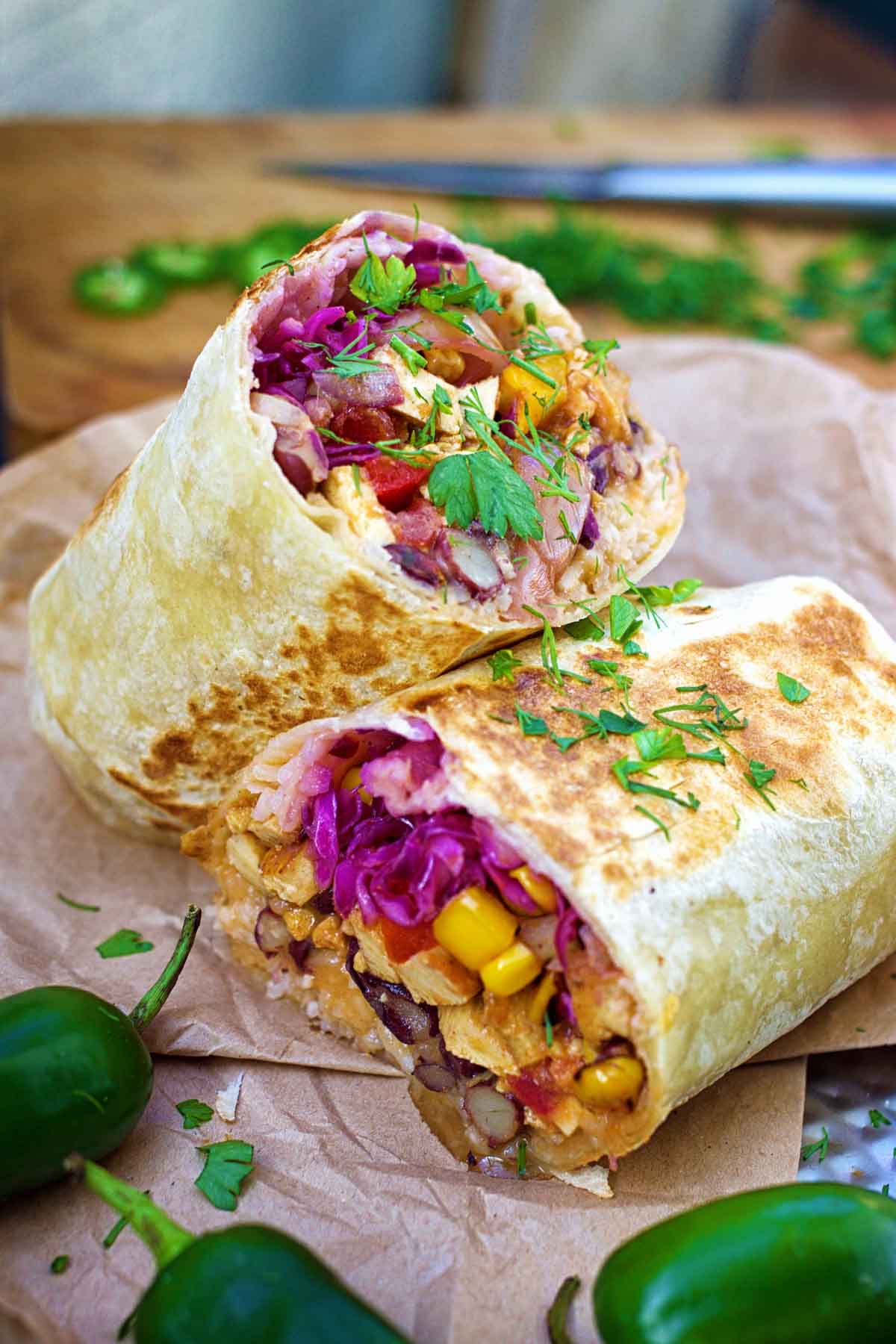
Vegan Burritos
Generously filled burritos with spiced beans, rice, and vegetables wrapped in a soft tortilla for a portable, satisfying meal. Roughly mashed kidney beans make a filling that holds together without leaking. Warm the tortillas briefly before rolling so they stay pliable, and tuck in the sides first to keep everything sealed.
Get the recipe
Vegan Enchiladas
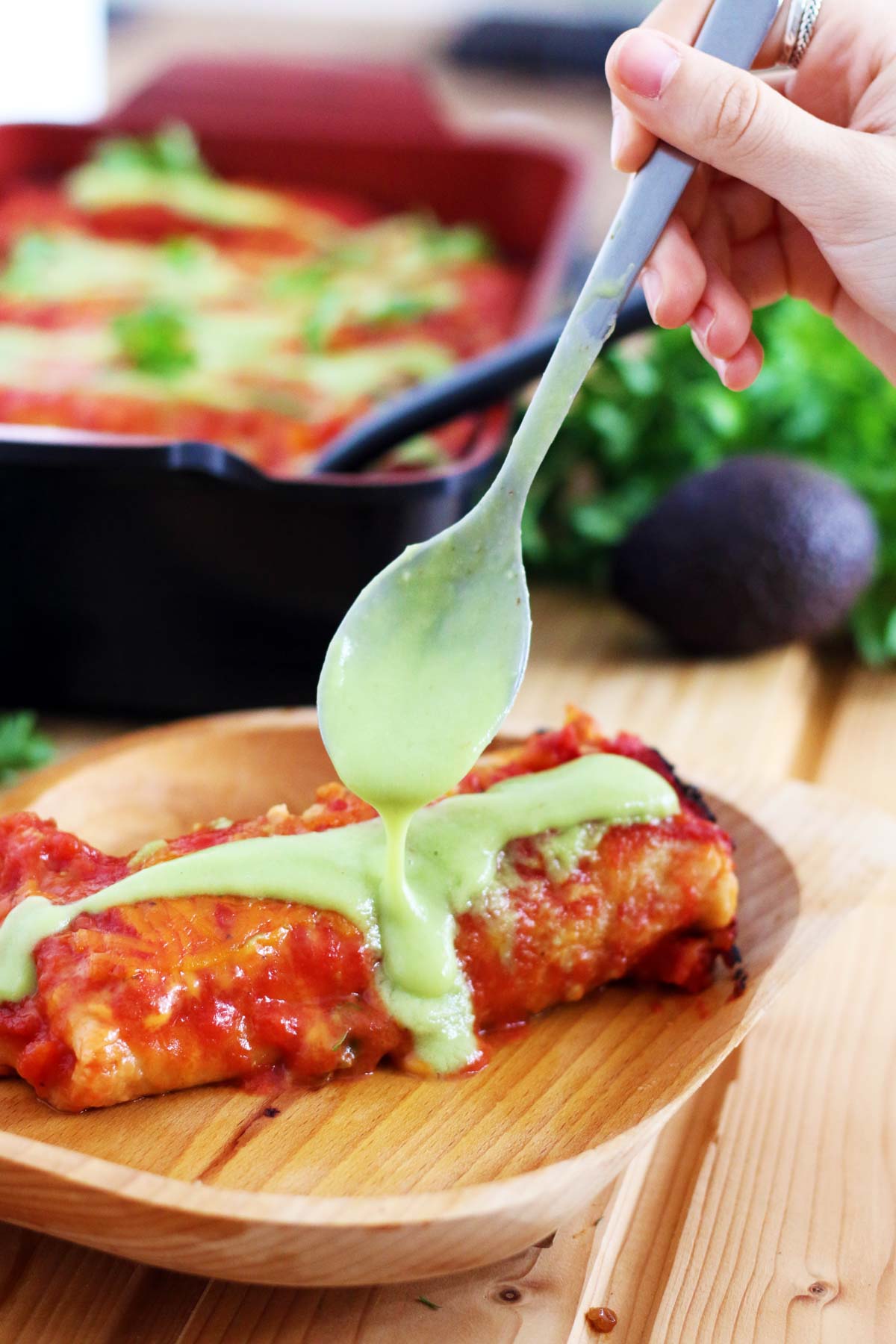
Tortillas rolled around a savory bean filling, blanketed in red sauce, and baked until bubbling and tender. Mashed kidney beans seasoned with cumin, chili, garlic, and lime make an excellent, sturdy filling. Dip each tortilla briefly in warm sauce before filling so it rolls without cracking and soaks up flavor from the inside out.
Get the recipe
Healthy Burrito Casserole
All the comfort of a burrito in an easy, forkable bake with beans, vegetables, and a light, cheesy top. Kidney beans keep it hearty and high in protein. Assemble the whole dish the night before and refrigerate it unbaked, then slide it straight into the oven when you get home for a near-instant dinner.
Get the recipe
Mexican Stuffed Peppers
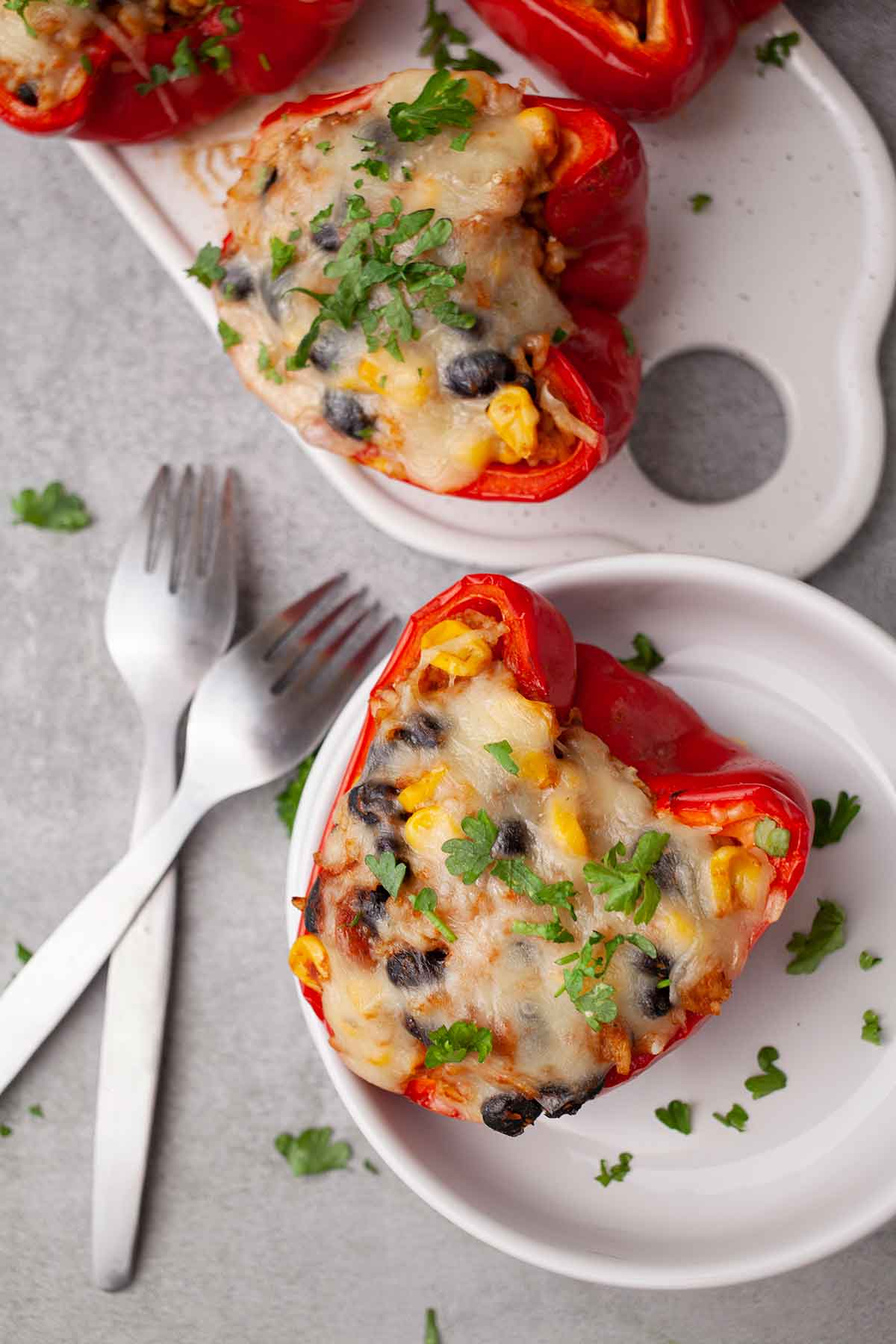
Bell peppers stuffed with a spiced mix of beans, rice, corn, and tomatoes, then baked until tender and lightly charred. Kidney beans add protein and a meaty bite to the filling. Pre-roast the peppers briefly before stuffing so they soften evenly and do not stay crunchy in the middle after baking.
Get the recipe
Mexican Breakfast Casserole
A hearty morning bake with potatoes, beans, peppers, and spices that works just as well for brunch or a lazy dinner. Kidney beans make it filling enough to carry you through the morning. Assemble it the night before and bake fresh, or reheat individual portions through the week for an easy make-ahead breakfast.
Get the recipe
Veggie Taco Bowl
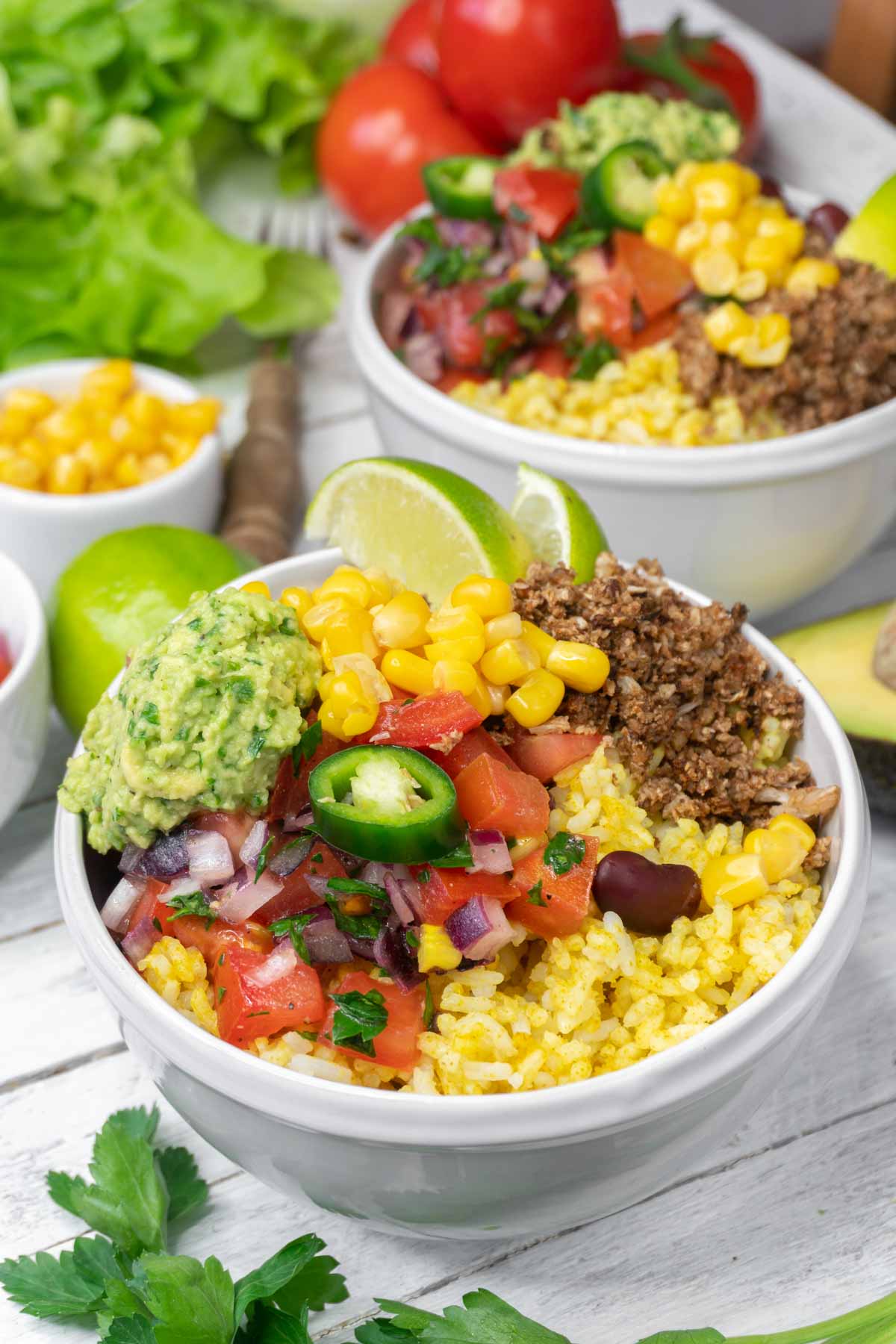
A build-your-own bowl piled with seasoned beans, rice or greens, corn, avocado, and crunchy toppings for a fresh, customizable meal. Kidney beans bring the protein and hold their shape against the dressing. Keep the wet and dry components separate until serving so nothing turns soggy, especially if you are packing it for lunch.
Get the recipe
Taco Tuesday Lunch in 15 Minutes
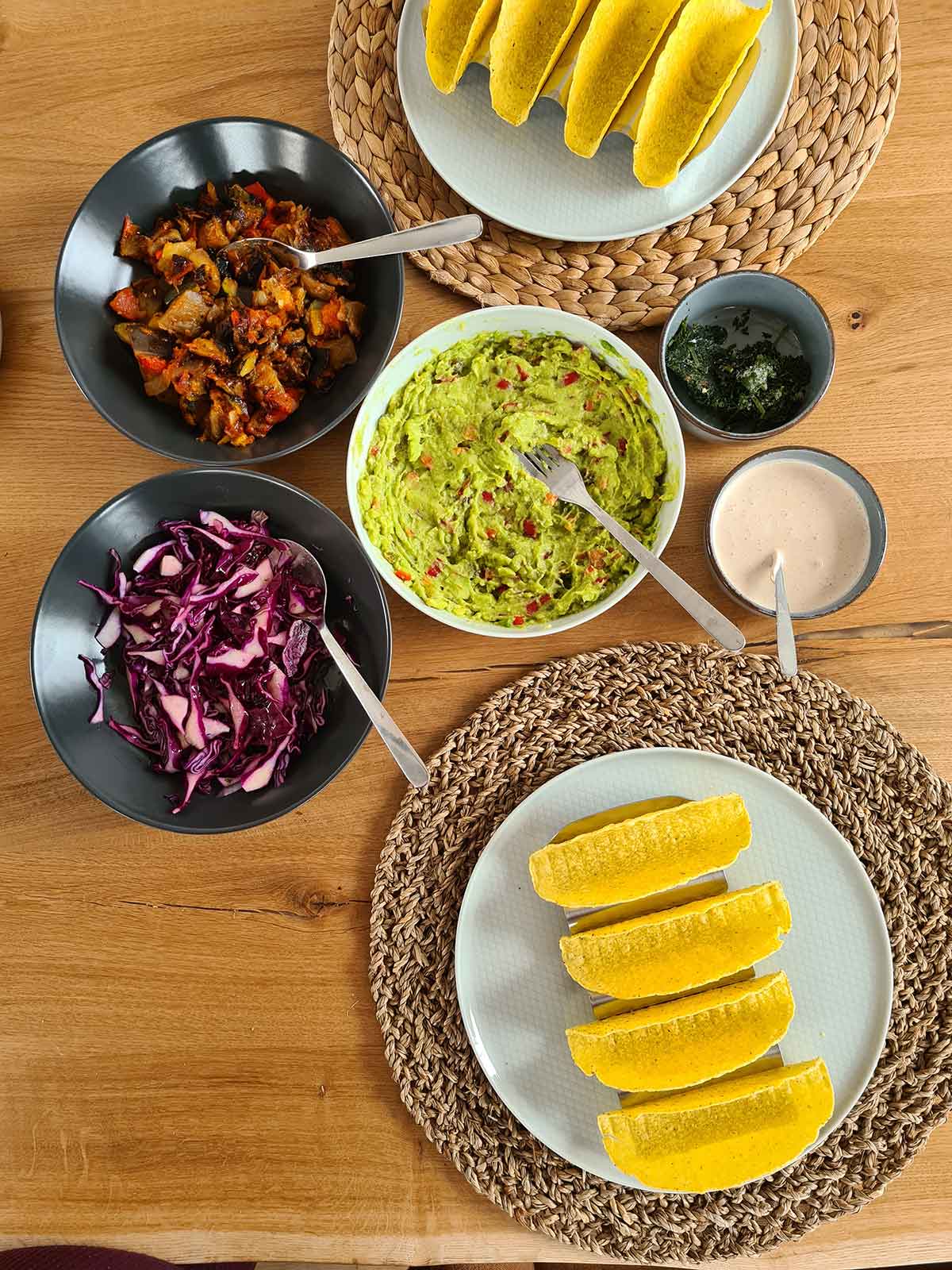
A fast, flavor-packed taco lunch that comes together in about fifteen minutes using canned beans and pantry staples. Rinsed kidney beans go straight in, with no soaking or long cooking required. Warm the beans with the spices in a dry pan for a minute or two before assembling so the seasoning blooms and clings to every bite.
Get the recipe
Bean Salads, Burgers and Patties
Firm and shape-holding even when dressed or fried, kidney beans shine in these salads, burgers, and patties.
Three Bean Salad
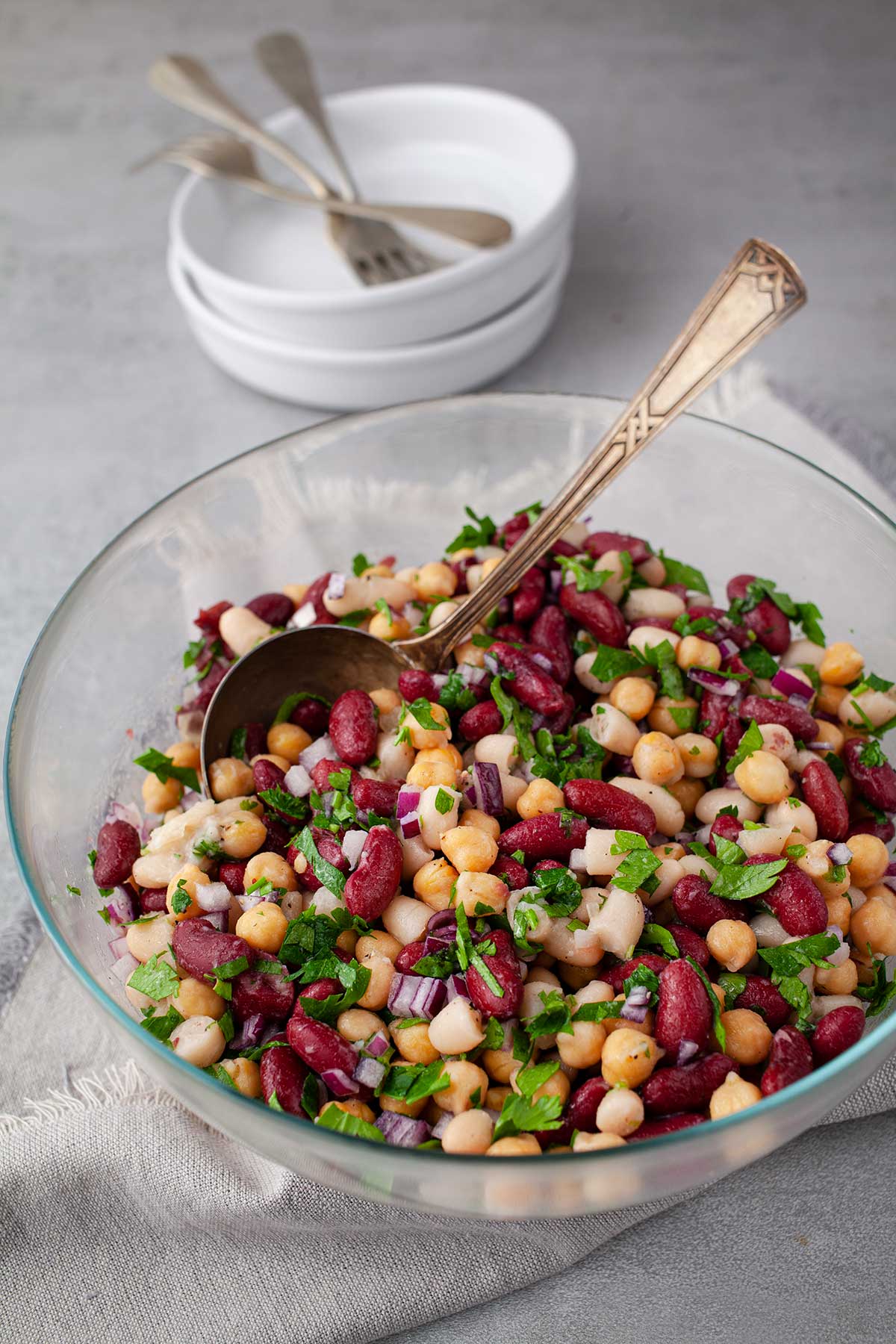
A bright, tangy party salad tossing kidney beans, green beans, and chickpeas in a sweet-and-sour dressing that only gets better as it sits. It is a perfect make-ahead dish for potlucks and barbecues. Dress it several hours or even a day in advance so the beans have time to soak up the marinade fully.
Get the recipe
Beans and Quinoa Sliders
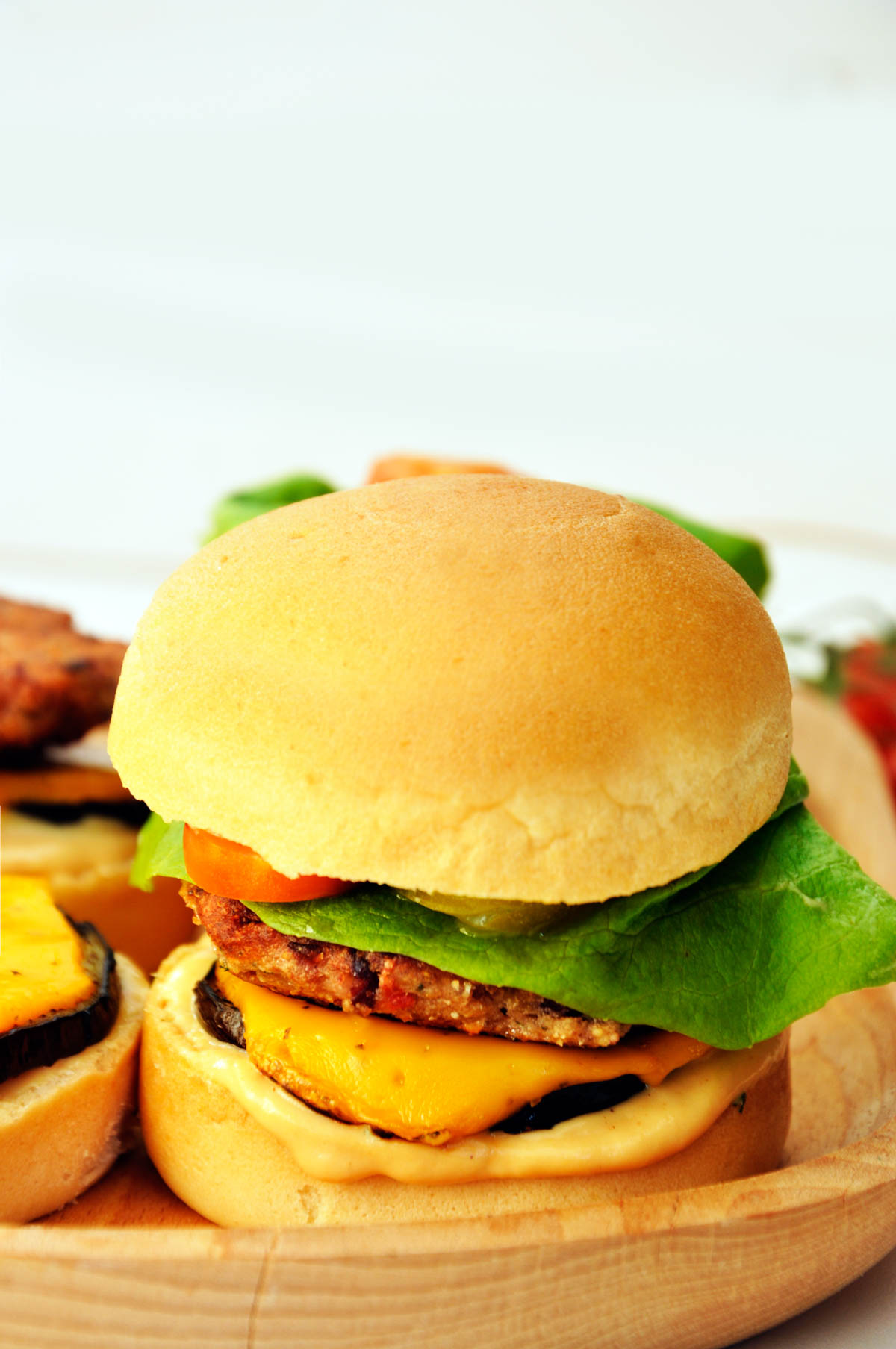
These protein-rich mini burgers combine red kidney beans and quinoa into a firm, flavorful patty that holds together on the grill or in a pan. Mash the beans thoroughly so the sliders do not crumble while cooking. Shape and chill the patties briefly before frying to help them firm up and keep their edges neat.
Get the recipe
Black Bean Burgers
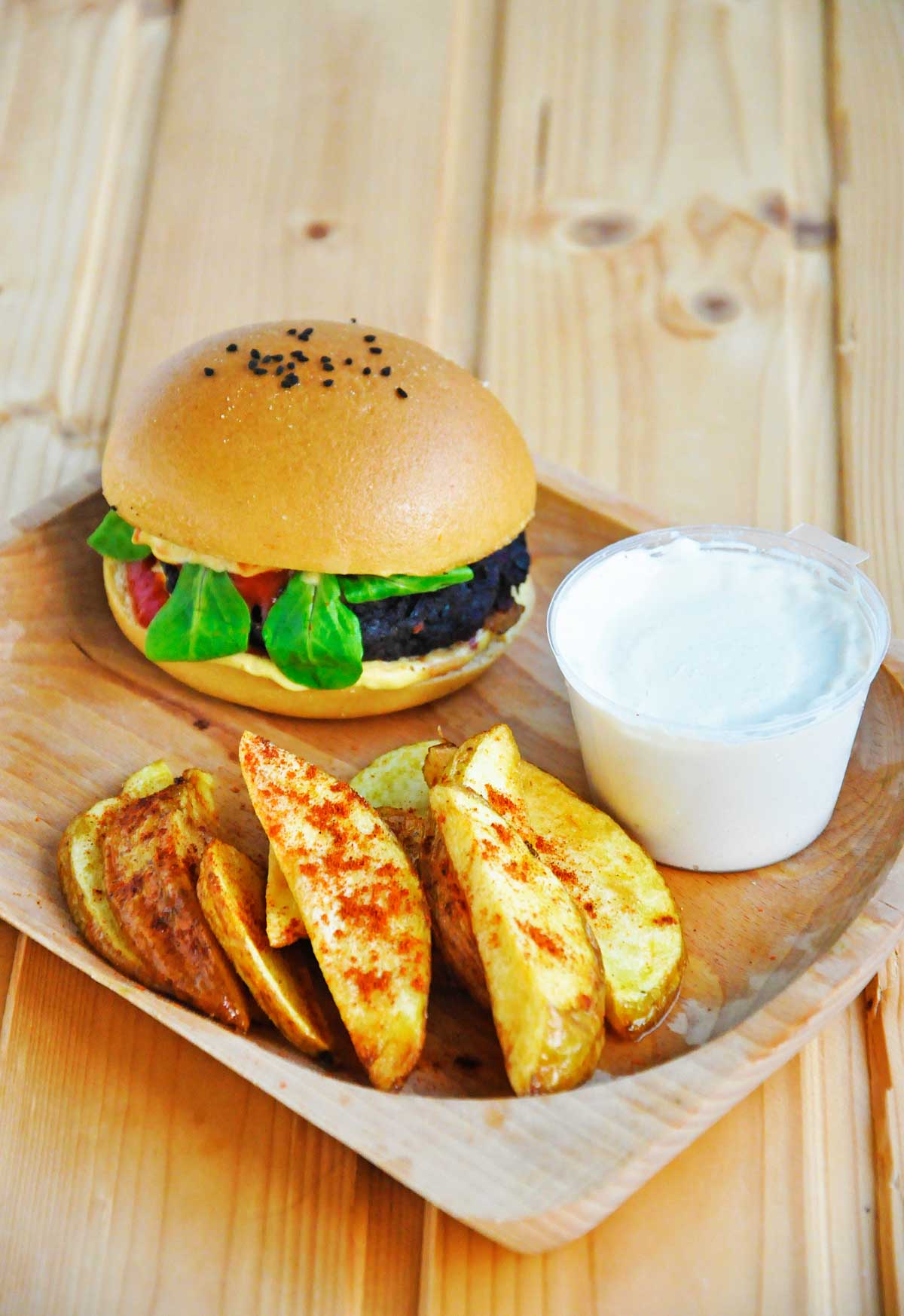
Meaty, satisfying bean burgers with a well-seasoned interior and a crisp seared crust, ideal on a toasted bun with all the fixings. The same method works beautifully with kidney beans if you want a firmer, earthier patty. Mash the beans completely and add a binder like chickpea flour so the burgers stay intact while frying.
Get the recipe
Adzuki Beans Burger
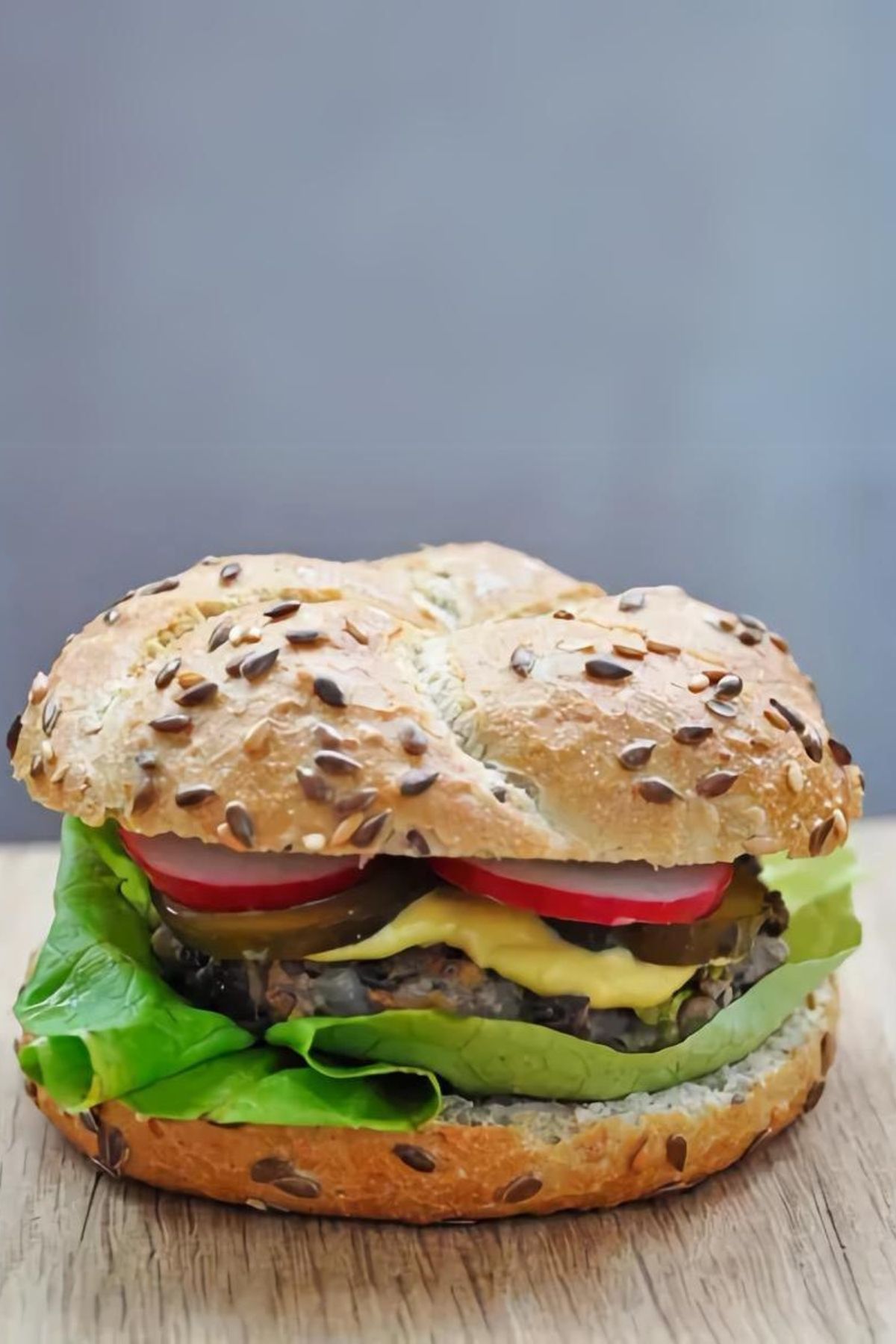
A hearty vegetarian burger built on small red adzuki beans with a savory, almost meaty flavor and a firm bite. Kidney beans, a close red-bean cousin, swap in easily if that is what you have on hand. Let the mixture rest for a few minutes before shaping so the binder can absorb moisture and the patties hold together better.
Get the recipe
Frequently Asked Questions
Are raw kidney beans toxic? Yes. Raw and undercooked kidney beans contain phytohaemagglutinin, a compound that causes nausea, vomiting, and diarrhea within one to three hours of eating. Thorough cooking destroys it completely. The safe process is to soak overnight, discard the soaking water, boil in fresh water for at least 10 minutes at a full rolling boil, then simmer until tender. Canned kidney beans are already fully cooked and safe to eat without further boiling.
Do I have to soak kidney beans before cooking? Soaking is not strictly required for safety, since a hard boil does that, but it shortens cooking time and improves texture. Unsoaked kidney beans can take 90 minutes or more to soften, and the skins may stay tough. Soaked beans usually cook in 45 to 60 minutes with more even results. If you are short on time, use the quick-soak method: cover the beans with boiling water and soak for one to five hours.
Can I cook kidney beans in a slow cooker? Not safely from dry. Slow cookers do not reach the temperature needed to destroy phytohaemagglutinin, so dry kidney beans cooked only in a slow cooker remain toxic. Always boil dry kidney beans hard on the stove for at least 10 minutes first, then transfer them to the slow cooker. Canned kidney beans, which are already pre-cooked, can be added to a slow cooker safely at any point.
What is the difference between red and white kidney beans? Red kidney beans have a firmer skin and a slightly earthier flavor, while white kidney beans, often sold as cannellini, have a thinner skin and a creamier texture when cooked. Both work in soups, stews, and salads, but white kidney beans blend more smoothly for a mash or creamy soup. The flavor difference is subtle, and in well-seasoned dishes most people cannot tell them apart.
How do I reduce gas from kidney beans? The main culprits are oligosaccharides, which pass undigested to the large intestine where gut bacteria ferment them. Three things help: always discard the soaking water, rinse canned beans thoroughly, and start with smaller portions if your system is not used to high-fiber legumes, as the body adapts over time. Adding a strip of kombu seaweed to the cooking water is a traditional technique said to help, though the evidence is anecdotal.
Can I use canned kidney beans instead of dried? Yes. Canned kidney beans are fully cooked during canning and can replace home-cooked beans in almost any recipe. Just drain them, rinse under cold running water for about 30 seconds to wash off the salty canning liquid, and add them near the end of cooking so they warm through without turning mushy. Roughly one 400g can equals about 250g of dried beans once cooked, which is handy when converting a recipe.