How to Make Fire Cider | Step-by-Step Guide
Whether you want to add a little zing to your day or keep a spicy jar of tonic in the fridge, this guide on how to make fire cider walks you through every step.
Fire cider is a spicy, tangy vinegar tonic made by steeping pungent roots and aromatics — ginger, horseradish, garlic, onion, and turmeric — in apple cider vinegar for about four weeks, then straining the liquid and sweetening it with honey or maple syrup. The result is a fiery, sweet-and-sour infusion you can take by the spoonful or stir into food and drinks. To make it, you grate everything into a glass jar, cover it with apple cider vinegar, let it infuse in a cool dark spot while shaking daily, then strain and bottle.
As someone who is always on the lookout for natural remedies to boost my energy, I was excited to discover fire cider. I’ve been incorporating it into my daily routine for a few months now and have noticed a significant improvement in my overall well-being, and I recommend it especially during the cold season. In this article, I’ll be sharing my experience with fire cider and teaching you how to make it at home.
What Fire Cider Is Made Of
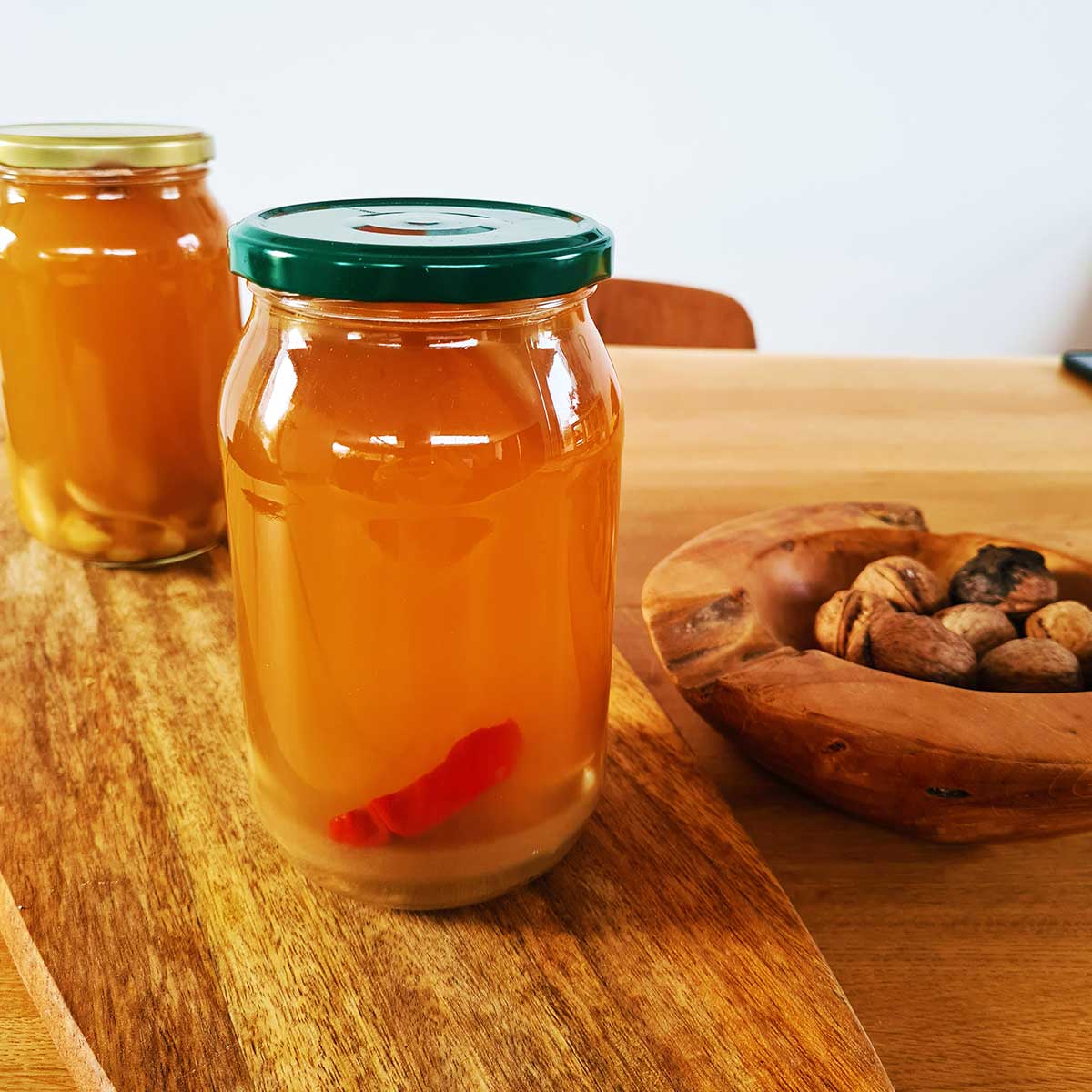
The magic of fire cider is in its punchy, aromatic base. Everything gets grated so the vinegar can pull out as much flavor as possible during the infusion. Here is what goes into the jar:
- Grated ginger root — warm, peppery, and the backbone of that signature fiery kick.
- Grated horseradish root — sharp and sinus-clearing, it gives fire cider its bite.
- Grated onion and garlic — pungent and savory, they build the deep, layered base.
- Grated turmeric root (optional) — adds earthy warmth and a golden color.
- Chopped hot peppers (optional) — for extra heat, so add to taste.
- Apple cider vinegar — the tangy liquid that extracts and preserves everything.
- Honey or maple syrup — stirred in at the end to round out all that sharpness.
A quick note on the sweetener: with honey, this fire cider is vegetarian. If you want to keep it fully vegan, simply use maple syrup instead — it balances the vinegar just as well.
How to Make Fire Cider, Step by Step
The process is mostly hands-off. The real work is done by time, so the only thing you need to remember once the jar is full is a daily shake. Here is how it comes together:
- In a large glass jar, combine all of the grated roots along with any optional ingredients you are using.
- Pour the apple cider vinegar over the mixture, making sure everything is fully submerged.
- Cover the jar with a tight-fitting lid and store it in a cool, dark place for at least 4 weeks.
- Shake the jar every day to help distribute the flavors.
- After 4 weeks, strain the mixture through a fine-mesh sieve or cheesecloth, pressing down on the solids to extract as much liquid as possible.
- Stir in the honey or maple syrup until well combined.
- Bottle the fire cider in a clean glass jar or bottle and store it in the refrigerator.
Tips for the Best Batch
Fire cider is forgiving, but a few small habits make the difference between a good jar and a great one:
- Keep everything submerged. Any pieces poking above the vinegar can spoil, so top up with a little more apple cider vinegar if needed and press the solids down.
- Protect the lid. Vinegar corrodes metal, so use a plastic lid or lay a piece of parchment between the jar and a metal lid.
- Do not skip the daily shake. It keeps the flavors mingling and the ingredients evenly infused.
- Start light on the heat. If you are sensitive to spice, add the hot peppers sparingly. You can always make the next batch hotter.
- Taste before you sweeten. Add the honey or maple syrup gradually after straining, tasting as you go until the balance feels right to you.
Storing Your Fire Cider
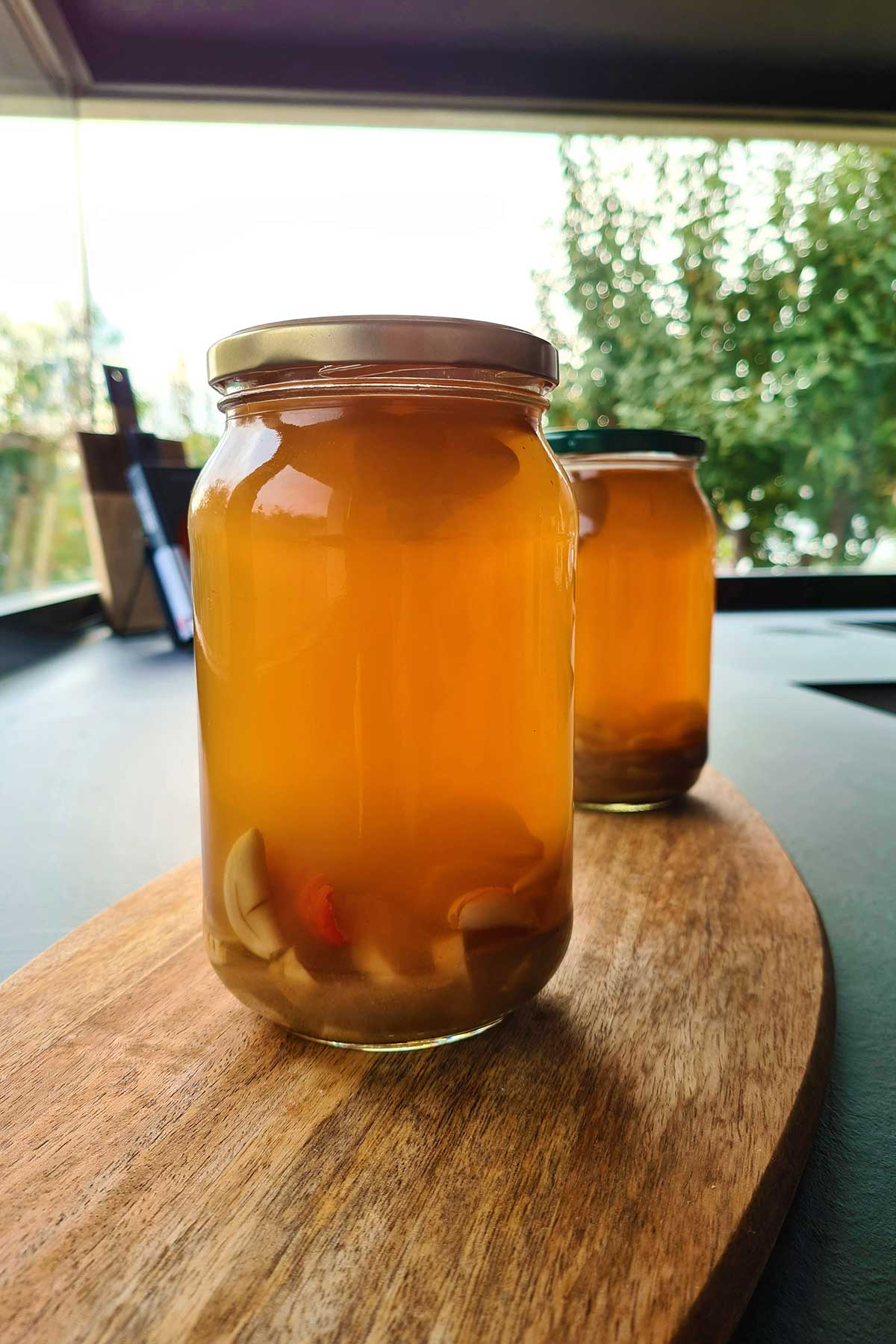
Once strained and bottled, fire cider keeps well in the refrigerator for several months. The high acidity of the apple cider vinegar plus the sweetener act as natural preservatives, so a well-sealed bottle stays good for a long time. Store it in a clean glass bottle out of direct light, and give it a gentle shake before each use since some settling is normal. I personally always keep a jar of it in my fridge during cold and flu season, and it has become a staple in my wellness routine.
Ways to Use Your Fire Cider
The most common way to enjoy fire cider is by the spoonful or stirred into a mug of warm water or tea. But that fiery, sweet-and-sour flavor is far too good to keep to shots alone. A splash brightens up a homemade vinaigrette beautifully, so try whisking a little into one of these vegan salad dressings in place of some of the vinegar. It also adds instant depth to marinades and pan sauces, which makes it a handy shortcut when you are pulling together quick vegan sauces. For a refreshing drink, stir a spoonful into sparkling water for a simple shrub-style mocktail.
If you like the idea of keeping homemade staples on hand, fire cider is in good company. Another pantry favorite of mine is homemade gomasio, the macrobiotic sesame salt that livens up almost anything you sprinkle it on.
Inspired by Rosemary Gladstar
My take on fire cider is inspired by the work of herbalist Rosemary Gladstar, who is widely credited with popularizing this tonic. I love her books and have several of them in my collection, and I highly recommend them if you are into herbalism. In conclusion, I highly recommend giving this herbal remedy a try.

If you make a jar of this fire cider, I would love to hear how it turned out. Come back after your four weeks are up to rate the recipe and leave a comment telling me how spicy you took yours and how you like to use it.
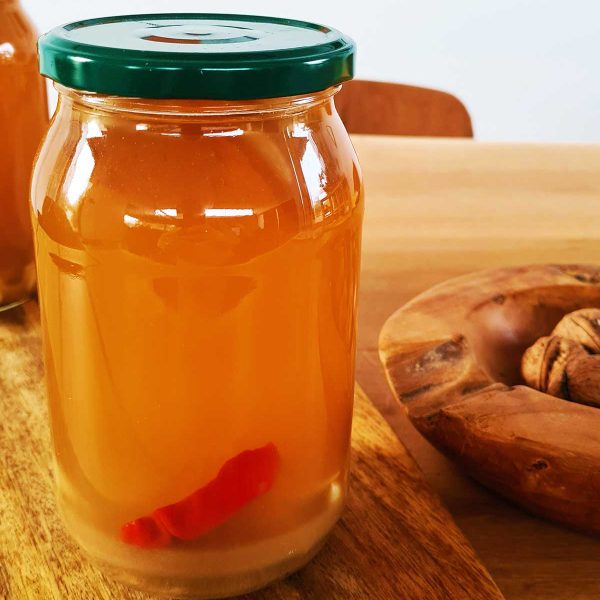
Fire cider (immunity cider)
Ingredients
- 1 cup ginger root grated
- 1 cup horseradish root grated
- 1 cup onion grated
- 1 cup garlic grated; strong amount, can be reduced to taste
- 1 cup turmeric root grated, optional
- ½ cup hot peppers chopped, optional
- ½ cup honey or maple syrup
- 1 cup apple cider vinegar
Instructions
- In a large glass jar, combine all of the grated roots and the optional ingredients.
- Pour the apple cider vinegar over the mixture, making sure all of the ingredients are fully submerged.
- Cover the jar with a tight-fitting lid and store in a cool, dark place for at least 4 weeks.
- Shake the jar every day to help distribute the flavors.
- After 4 weeks, strain the mixture through a fine-mesh sieve or cheesecloth, pressing down on the solids to extract as much liquid as possible.
- Stir in the honey or maple syrup until well combined.
- Bottle the immunity cider in a clean glass jar or bottle and store in the refrigerator.
Notes
Frequently Asked Questions
Fire cider is a spicy, tangy tonic made by steeping grated ginger, horseradish, garlic, onion, and optional turmeric and hot peppers in apple cider vinegar. After about four weeks the liquid is strained and sweetened with honey or maple syrup. The result is a fiery, sweet-and-sour infusion you can take by the spoonful or use in cooking and drinks.
Fire cider needs at least 4 weeks to infuse in a cool, dark place. Shake the jar every day so the flavors distribute evenly through the vinegar. After four weeks, strain out the solids, sweeten to taste, and bottle it.
It depends on the sweetener you choose. Made with honey, this fire cider is vegetarian; made with maple syrup, it is fully vegan. Everything else in the jar is plant-based, so simply swap the honey for maple syrup to keep it vegan.
Strain the finished cider, pour it into a clean glass bottle, and keep it in the refrigerator. Thanks to the high acidity of the apple cider vinegar and the added sweetener, a well-sealed bottle keeps for several months. Store it away from direct light and give it a gentle shake before each use.
Fire cider is bold and warming, with a sharp bite from horseradish and ginger, savory depth from garlic and onion, and heat from the peppers. The apple cider vinegar makes it bright and tangy, while the honey or maple syrup rounds everything out into a sweet-and-sour finish. It is meant to be intense, so a little goes a long way.
The classic way is by the spoonful or stirred into warm water or tea. You can also whisk it into salad dressings and marinades in place of some of the vinegar, add a splash to pan sauces for extra depth, or mix a spoonful into sparkling water for a shrub-style drink.