
Kalamata White Bean Dip
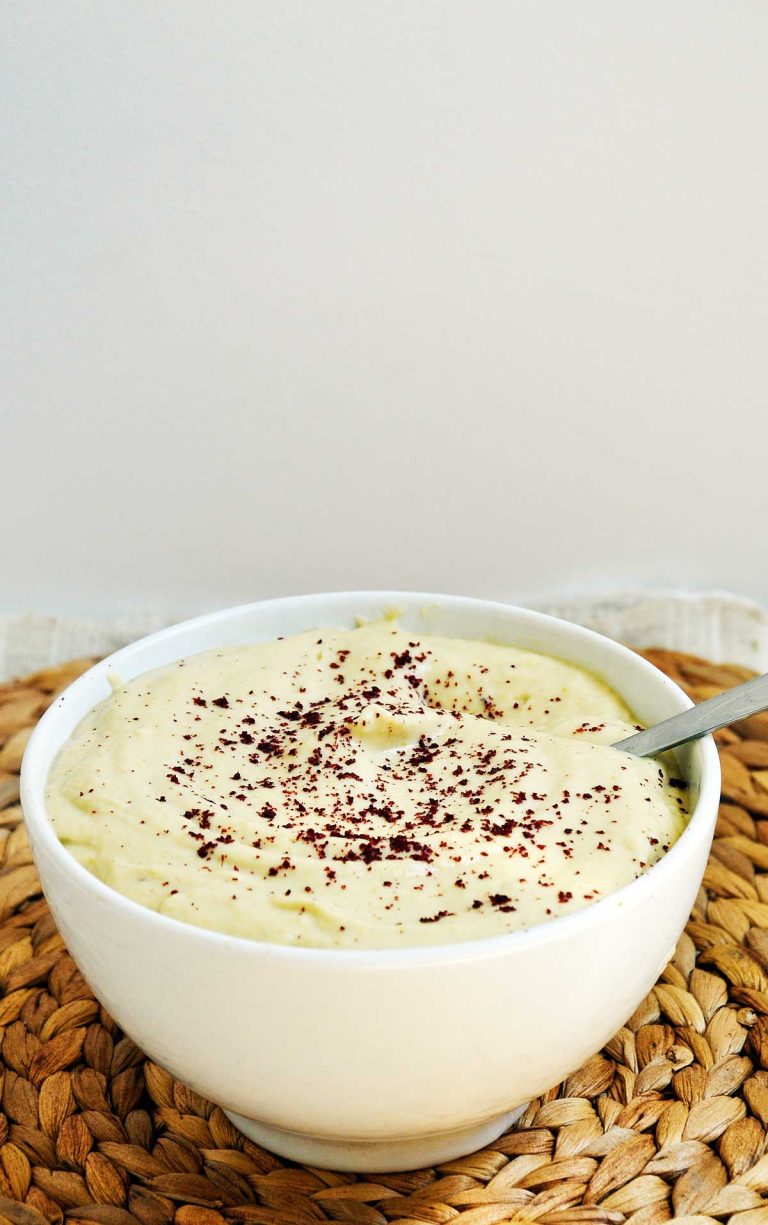
This Kalamata white bean spread is a smooth, salty, garlicky vegan dip that comes together in about five minutes in a food processor. You blend canned white beans with kalamata olives, lemon juice, garlic, olive oil and za’atar until creamy, then serve it with crunchy toast or fresh veggies. It is the appetizer to make when you want something that tastes like you fussed but actually took no effort at all.
I created this dip for a picnic a few weeks ago. I just had some kalamata olives in the fridge, and as usual, a pantry filled with cans of beans, so I decided to make a bean dip out of them. I use canned beans a lot. I don’t have a lot of time to spend in the kitchen, so I try to cook as fast as possible, and this is exactly the kind of recipe that fits that.
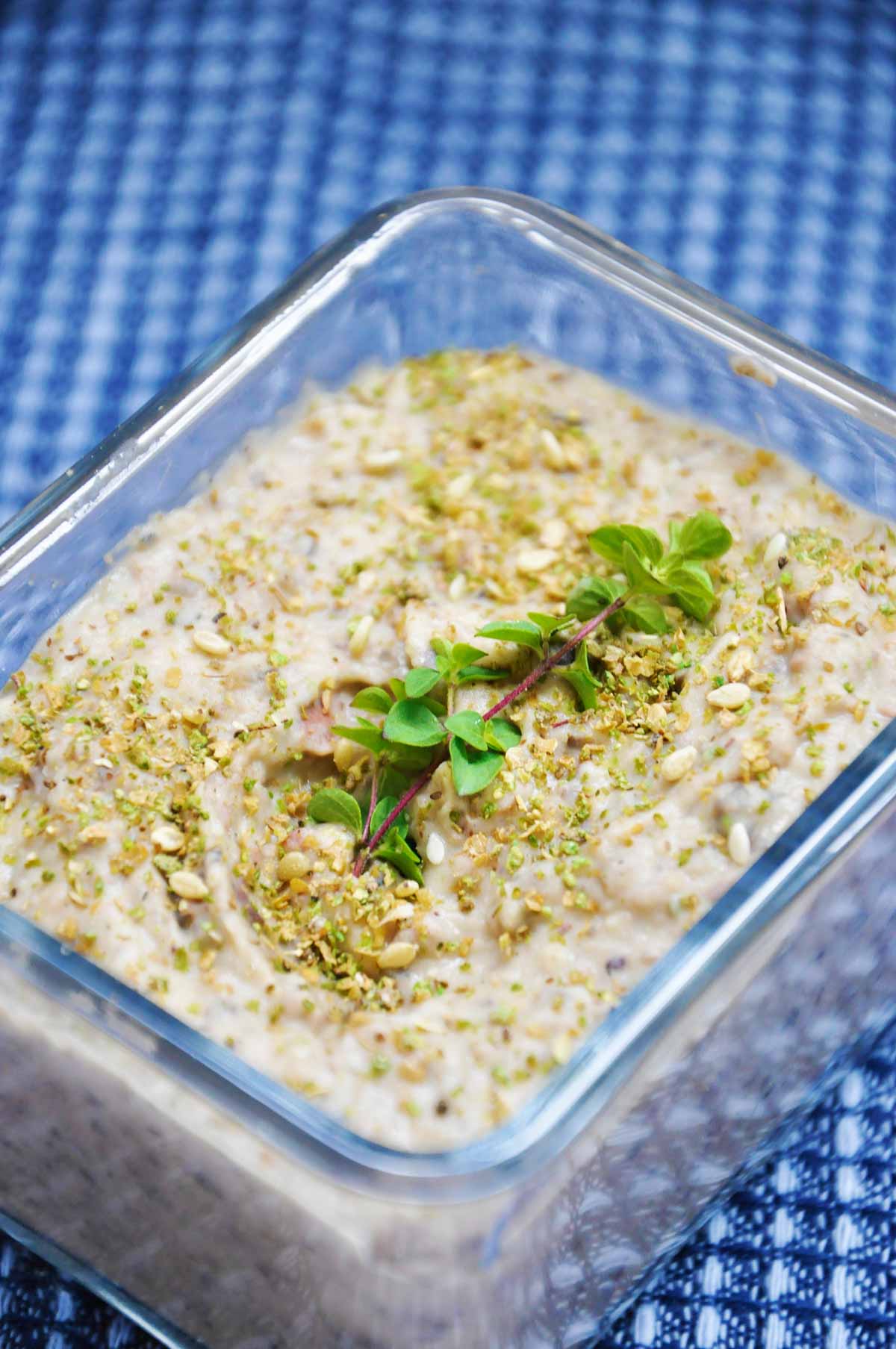
The handful of ingredients that make it work
The base is one can of white beans, rinsed and drained. Rinsing matters here: it washes off the starchy canning liquid that can taste a little tinny and makes the final dip cleaner and brighter. If you prefer to start from dry beans, about 350g to 400g cooked up soft will give you the same amount.
Kalamata olives bring the salty, briny backbone, so make sure they are pitted and sliced before they go in. Lemon juice lifts everything and keeps the dip from feeling heavy, while three mashed garlic cloves and good olive oil round it out. For the pepper, I reach for ground white pepper rather than black. I started using it a lot recently, as I find its flavor to be more subtle and pleasant, and it keeps the spread looking pale and clean without dark specks.
The ingredient that ties it all together is za’atar. Za’atar is one of my favorite spice blends and I found out it goes great in hummus and bean dip. Its herby, tangy, sesame note is what makes this taste like more than just blended beans.
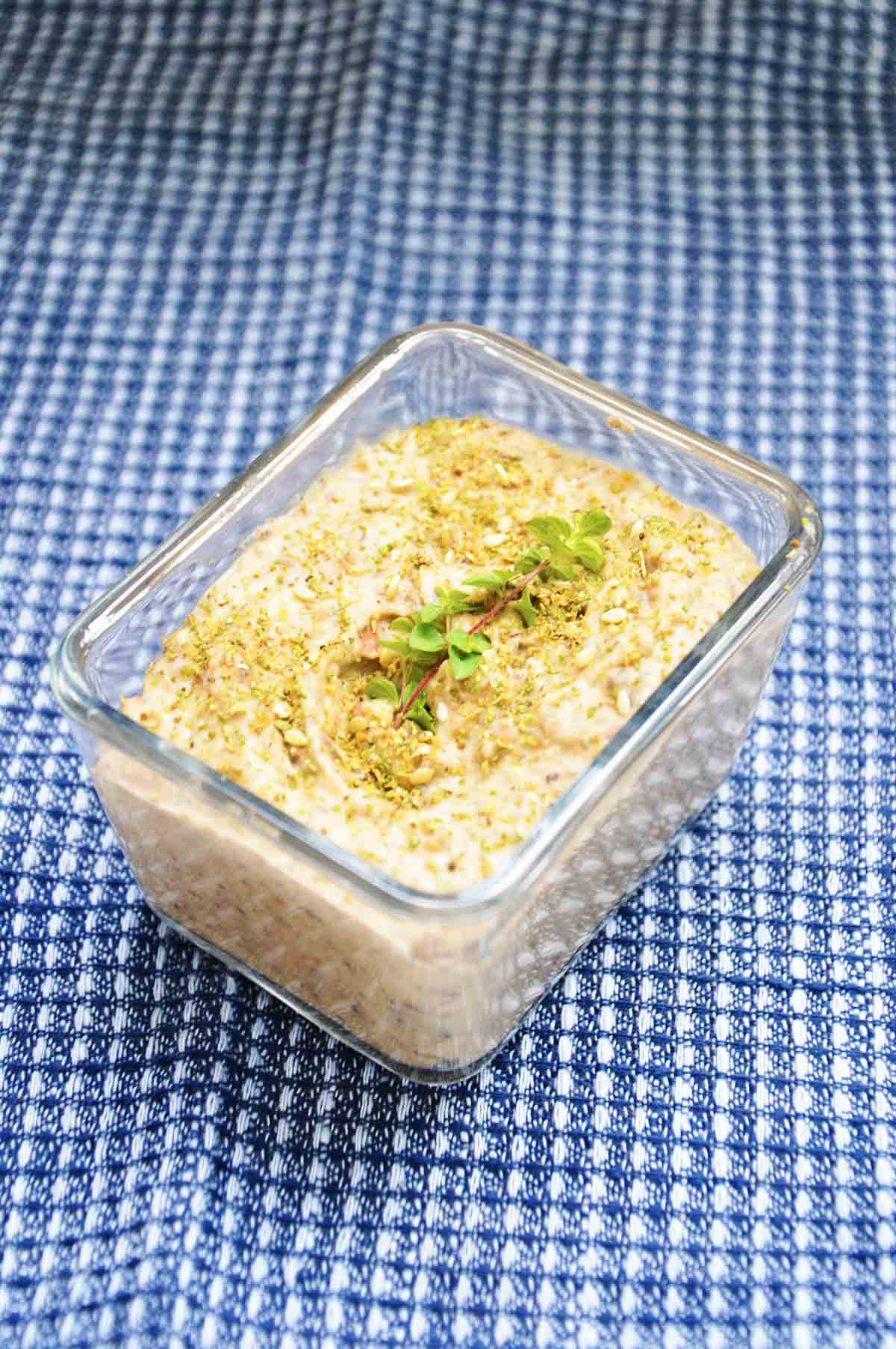
How to get the texture perfectly smooth
Everything goes into the food processor at once, but the water is what you control. Start with just 3 to 4 tablespoons and process until smooth. The beans and olives release moisture as they break down, so adding all your liquid up front is the easiest way to end up with a runny dip. Add the water gradually and stop when the spread holds a soft peak but still looks creamy.
If it looks grainy at first, keep the processor running longer rather than reaching for more liquid. A full minute of blending, scraping down the sides once, is usually what turns a coarse mash into that silky, scoopable texture. Taste before you stop: the olives and za’atar already carry a lot of salt, so you may not need to add any, but a final squeeze of lemon almost always sharpens it nicely.
What to serve it with
Crunchy toast or fresh cut veggies are the classic move, and that is exactly how I served it at the picnic. It also sits beautifully on a mezze-style spread next to other dips. If you are building a board, I would pair it with my muhammara roasted red pepper and walnut spread for color and with mutabal tahini eggplant spread for a smoky contrast. If you love the bean angle, the butter beans spread with chanterelle mushrooms is another easy one to add to the table.
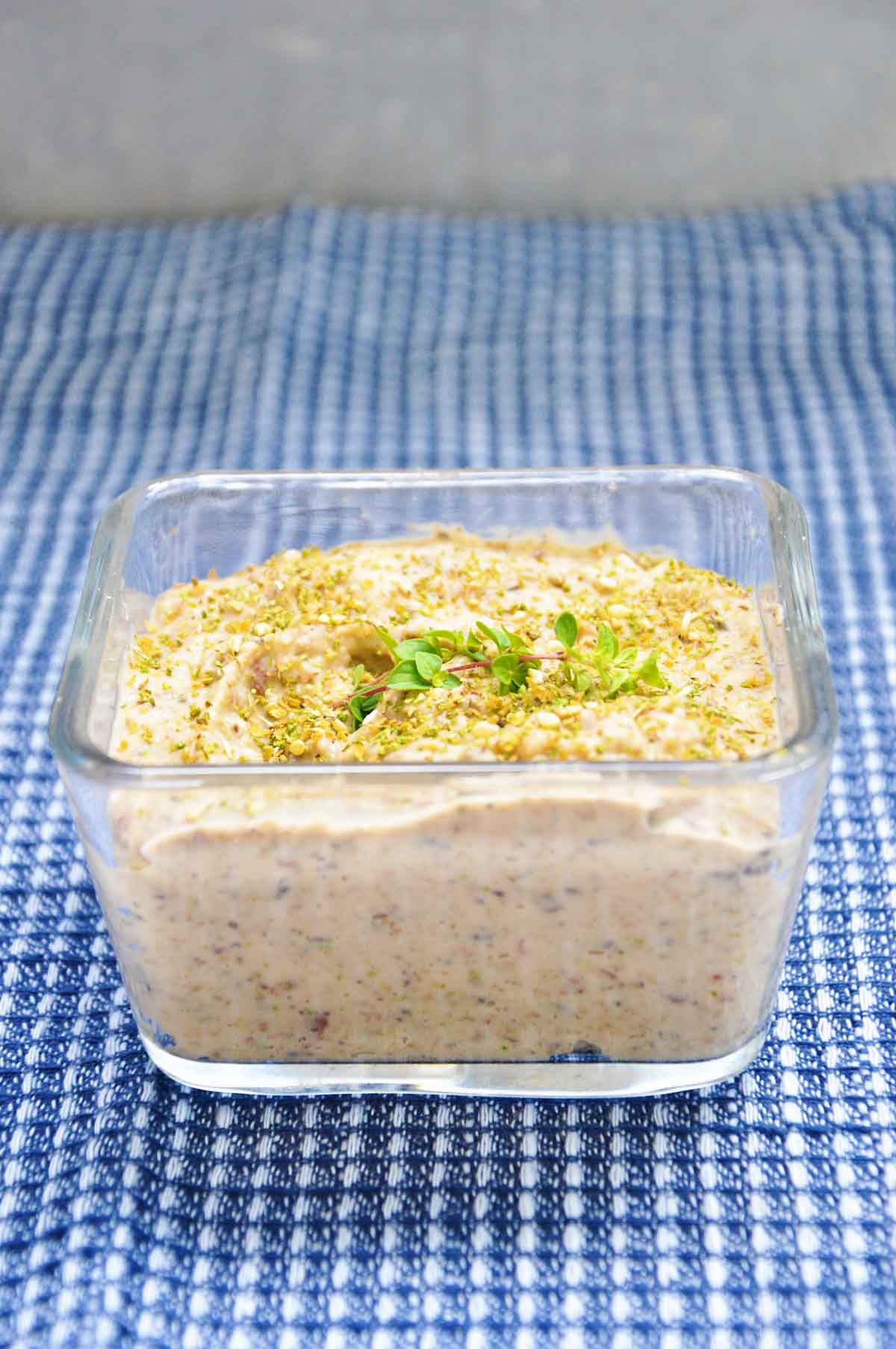
Make it ahead and store it
This spread is a great make-ahead appetizer. It keeps in an airtight container in the fridge for up to 4 days, and the flavor actually deepens overnight as the garlic and za’atar settle in. Give it a quick stir before serving, since a little olive oil may rise to the top, and drizzle on a fresh thread of oil to wake it back up.
If you are into easy blended bean recipes, you will probably also like my white bean hummus, which uses the same creamy-bean trick. And for the can of beans you did not use, the butter beans stew is a comforting way to put it to work.
If you make this Kalamata white bean spread, I would love to know how it turned out. Leave a star rating and drop a comment telling me whether you went heavier on the za’atar or sneaked in extra olives, so other readers can find their favorite version too.
Kalamata White Bean Spread
Ingredients
- 1 can white beans rinsed and drained; I used a 28oz (~800g) can. You can also use dry beans and boil them yourself, in that case use about 350g-400g dry beans
- ½ cup kalamata olives pitted and sliced
- ½ lemon juice only
- 3 garlic cloves mashed
- 2 Tbsps olive oil
- ½ tsp ground white pepper use white pepper only; it has a more subtle flavor
- 1 Tbsp za’atar
- water as needed to reach desired consistency (about 3-4 Tbsps)
Instructions
- Put all ingredients in your food processor.
- Add just a little bit of water (3-4 Tbsps).
- Process until smooth.
- Serve with crunchy toast or fresh veggies!
Notes
Frequently Asked Questions
Yes, it is fully vegan. Every ingredient is plant-based: white beans, kalamata olives, lemon juice, garlic, olive oil, white pepper, za’atar and water. There is no dairy, egg or honey, so it suits vegan and dairy-free diets.
Absolutely. One 28oz (about 800g) can equals roughly 350g to 400g of dried white beans once cooked. Soak and boil them until very soft, then drain well before blending so the texture stays smooth.
Za’atar is a Middle Eastern spice blend that usually combines dried thyme or oregano, sumac, toasted sesame seeds and salt. It gives this dip its herby, tangy character. You can leave it out, but the spread will taste much plainer, so a pinch of dried thyme and a little lemon zest is a closer stand-in than nothing.
White pepper has a more subtle, mellow flavor than black pepper, which I find pleasant in a delicate bean dip. It also keeps the spread looking pale and clean, without dark specks running through it. Black pepper works in a pinch but will be sharper and more visible.
Stored in an airtight container, it keeps for up to 4 days in the fridge. The flavor deepens overnight as the garlic and za’atar settle in. Stir before serving and add a fresh drizzle of olive oil, since some oil may separate to the top.
Crunchy toast and fresh cut vegetables are the classic pairings. It also shines on a mezze board alongside other dips like muhammara or eggplant spread. Serve it at room temperature for the smoothest, most spreadable texture.




Sooo yummy! And the za’atar flavor really makes a difference. I made it the first time without it and it just wasn’t the same. Perfect blend of flavors in my opinion! 🙂
Thank you! Glad you liked the recipe! 🙂