What to Eat with Yogurt (Plant-Based): 7 Easy Ideas from Breakfast to Dessert
Wondering what to eat with yogurt when it’s plant-based? Pretty much everything you’d pair with dairy yogurt: granola and fruit at breakfast, a creamy smoothie base, a cool spoonful on grain bowls, herby dips, curries, tender muffins and light frozen desserts. Plant-based yogurt has quietly gone from a niche product to a fridge staple, and it’s far more flexible than the classic parfait suggests.
There’s always at least one tub of unsweetened plant-based yogurt in my fridge, usually soy or coconut, and on slow weekends a jar of my homemade vegan yogurt. I started buying it for breakfast and ended up using it even more at dinner. Here’s how it shows up in my week.
1. A Quick Breakfast That Actually Holds Up
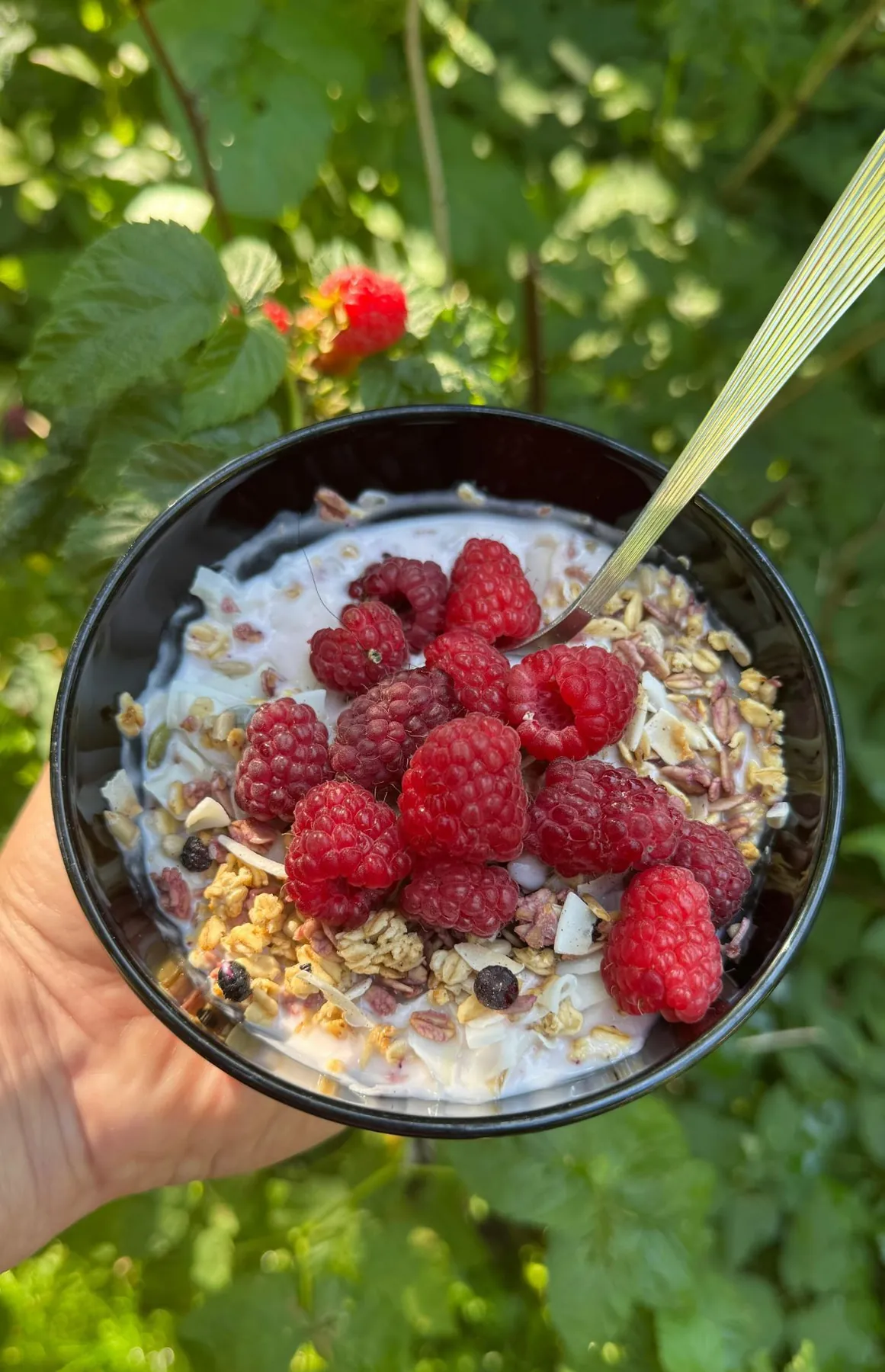
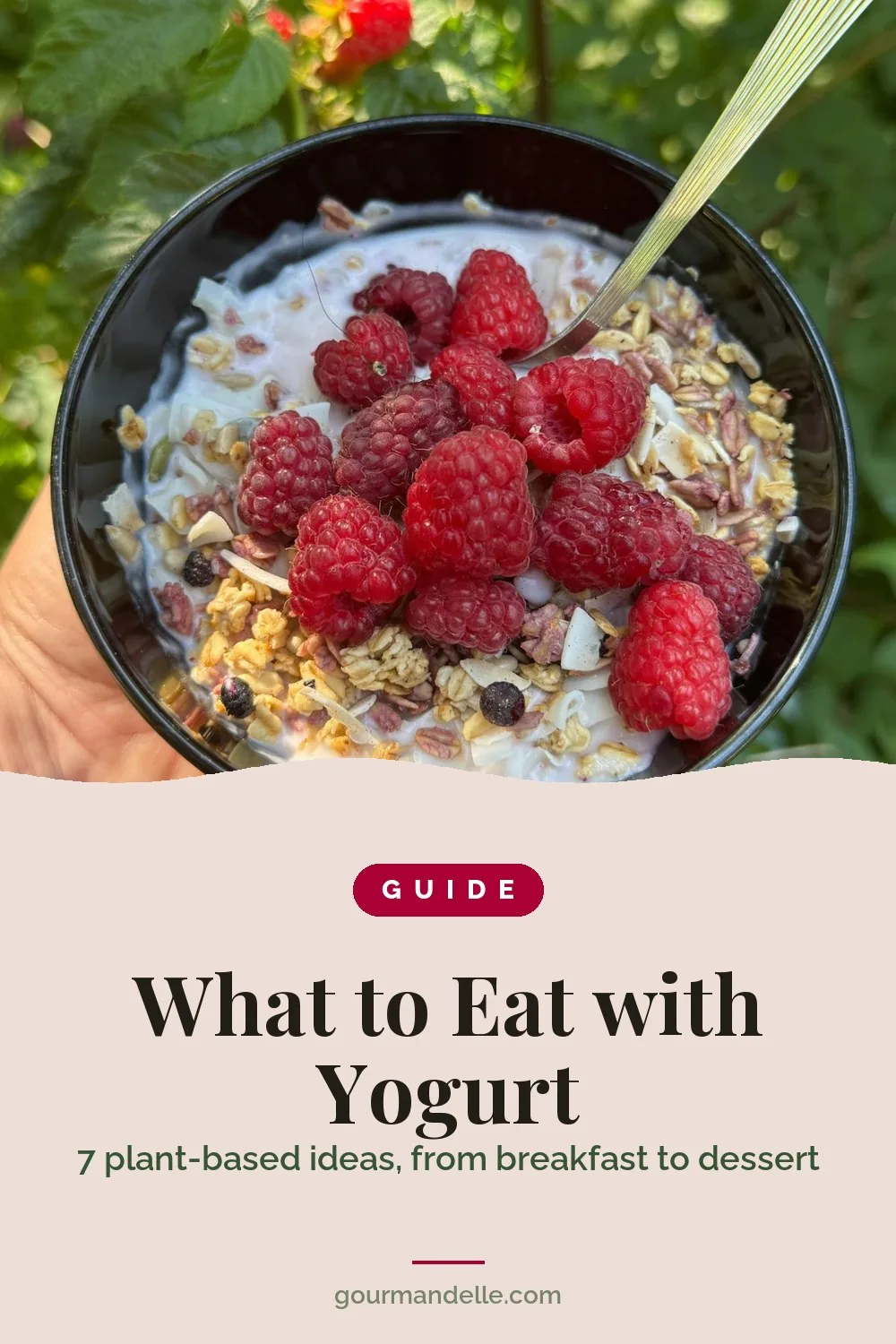
Mornings move fast, and something with substance that needs almost no prep makes a real difference. A bowl of plant-based yogurt with granola, fresh berries or a drizzle of nut butter comes together in under two minutes. My favorite version has grated apple, cinnamon and a spoonful of toasted seeds.
Plant-based yogurt also works the night before: layer it in a jar with oats and let them soften by morning. The texture holds well overnight, which makes it practical for meal prep. These overnight oats recipes and chia pudding recipes are easy to make with plant-based yogurt instead of milk, or with half of each.
2. Smoothies With a Creamier Base
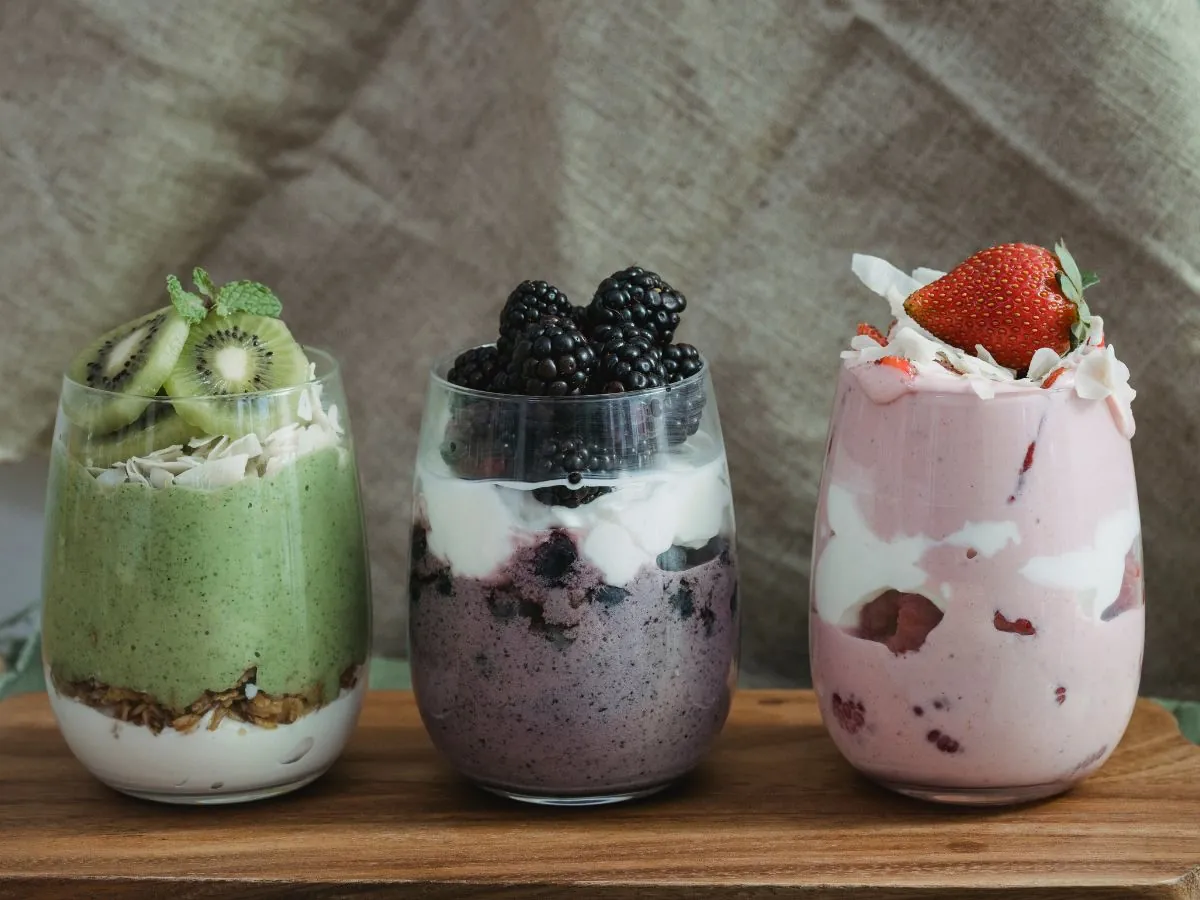
Blending frozen fruit with juice or water works fine, but the result often tastes thin. Swapping in plant-based yogurt adds body and a smoother consistency without extra ice. A handful of spinach, half a banana, some frozen mango, and a few spoonfuls of yogurt blend into something that feels more like a meal than a drink. For those looking to add more protein to their morning, vegan protein yogurt offers a simple way to do that without powders or supplements.
When I want a smoothie to keep me going until lunch, I start from my banana hemp protein smoothie and blend in a generous scoop of yogurt. For a fruitier glass, the acai banana smoothie takes yogurt beautifully, and the carob smoothie turns almost milkshake-thick with it.

3. A Cool Spoonful on Lunch Bowls
Grain bowls are usually built from warm or room-temperature components, and a cold, creamy element balances them. A spoonful of plain plant-based yogurt on a farro bowl with roasted vegetables and chickpeas adds contrast in both temperature and texture. It works a lot like sour cream on a taco bowl, with a lighter flavor.
I stir a pinch of salt, lemon zest and black pepper into the yogurt first, so it seasons the bowl instead of just cooling it. Try it on any of these vegan buddha bowls, my rainbow buddha bowl or a veggie taco bowl.
4. Dips, Dressings and Sandwich Spreads
Hummus gets plenty of attention, but plant-based yogurt makes an equally good base for dips. My everyday herb dip takes two minutes:
- 200 g (about ¾ cup) unsweetened plain plant-based yogurt
- 1 small garlic clove, finely grated
- 2 tablespoons chopped dill or parsley
- 1 tablespoon lemon juice
- 1 tablespoon olive oil and a pinch of salt
For a dairy-free tzatziki, add half a grated cucumber, squeezed well so the dip doesn’t go watery. Serve it with raw vegetables, pita chips or next to a homemade hummus and falafel plate. It also works as a sandwich spread instead of mayonnaise, adding moisture without heaviness, and thinned with a little water it becomes a quick salad dressing.
5. A Supporting Role at Dinner
Savory dishes benefit from plant-based yogurt more than most people expect. A dollop tempers the heat of a spicy curry (it’s lovely on this red lentil curry or mushroom curry) and adds richness to grain pilafs. Some home cooks stir it into mashed potatoes for a lighter take on the classic side dish.
One tip from experience: add it at the end, off the heat. Like dairy yogurt, plant-based yogurt can separate if it boils, so stir it into soups, curries and sauces just before serving. If you also cook with dairy, my guide on how to use Greek yogurt in vegetarian cooking covers marinades and more ways to keep yogurt from curdling.
6. Baked Goods With Better Texture
Quick breads, muffins and pancakes often call for buttermilk or regular yogurt to keep the crumb moist. Plant-based yogurt fills that role 1:1 without changing the outcome much. Pancakes turn out fluffy, and banana bread stays tender for days. Its acidity also reacts with baking soda, so the rise stays consistent.
Use plain, unsweetened yogurt for baking, because flavored ones add sugar and sometimes an odd aftertaste. It works well in this easy banana nut bread, oatmeal pancakes and vegan carrot muffins.
7. Desserts That Feel Light
Frozen plant-based yogurt makes a decent stand-in for ice cream when blended with frozen bananas or berries. It also layers well in parfaits with crushed cookies and fruit compote. For something even simpler, a bowl topped with dark chocolate chips and a sprinkle of sea salt satisfies a sweet craving without feeling heavy. On a sunny weekend, I spread it on a lined tray, scatter berries over it and freeze it into a snappy yogurt bark. For a showier dessert, there’s this raw vegan ice cream cake.
How to Swap Plant-Based Yogurt for Dairy
| Instead of | Use | Good to know |
|---|---|---|
| Sour cream | Unsweetened plain plant-based yogurt, 1:1 | The thicker the yogurt, the better; strain it for extra body |
| Buttermilk (in baking) | ¾ yogurt + ¼ plant milk | Keeps the same tang and reacts with baking soda |
| Greek yogurt | Strained plant-based yogurt, 1:1 | Strain overnight in the fridge in a sieve lined with a coffee filter |
| Mayonnaise (spreads, dressings) | Half or all yogurt | Add a pinch of salt and a squeeze of lemon |
| Cream (in curries and soups) | Yogurt, 1:1 | Stir in off the heat so it doesn’t separate |
How I Choose a Plant-Based Yogurt
- Plain and unsweetened for anything savory. Vanilla and fruit versions are great for breakfast, but they taste odd in a curry or dip.
- Check the protein. Yogurts made from soy or pea protein usually have more than coconut-based ones, which is worth knowing if yogurt is your breakfast.
- Look for calcium. Not every plant-based yogurt is fortified. The Vegan Society lists fortified plant-based milk and yogurt alternatives among good calcium sources, so it’s worth a glance at the label.

Plant-Based Yogurt Questions
Anything you’d eat with dairy yogurt: granola, fruit and nut butter at breakfast, as a smoothie base, on grain bowls and curries, in dips and dressings, and in baking. Unsweetened plain yogurt is the most versatile, because it works in both sweet and savory dishes.
Yes, but add it at the end, off the heat. Like dairy yogurt, it can separate if it boils, so stir it into curries, soups and sauces just before serving.
Yes. Use it 1:1 instead of yogurt or buttermilk in muffins, quick breads and pancakes. Its acidity reacts with baking soda, so the rise stays the same.
Yogurts made from soy or pea protein usually have the most, while coconut yogurt tends to have little. The amounts vary a lot between products, so check the label.
Yes, especially if you strain it first. Leave it overnight in the fridge in a sieve lined with a coffee filter, and it thickens to a texture close to Greek yogurt.
Plant-based yogurt doesn’t demand a complete kitchen overhaul. It fits into what you’re already making, offering small shifts that add up over time. Whether it’s stirred into oatmeal, blended into sauces or eaten straight from the tub, it shows up wherever dairy yogurt once did, often without anyone noticing the difference.