
Spring Watercress Salad with Balsamic Vinaigrette
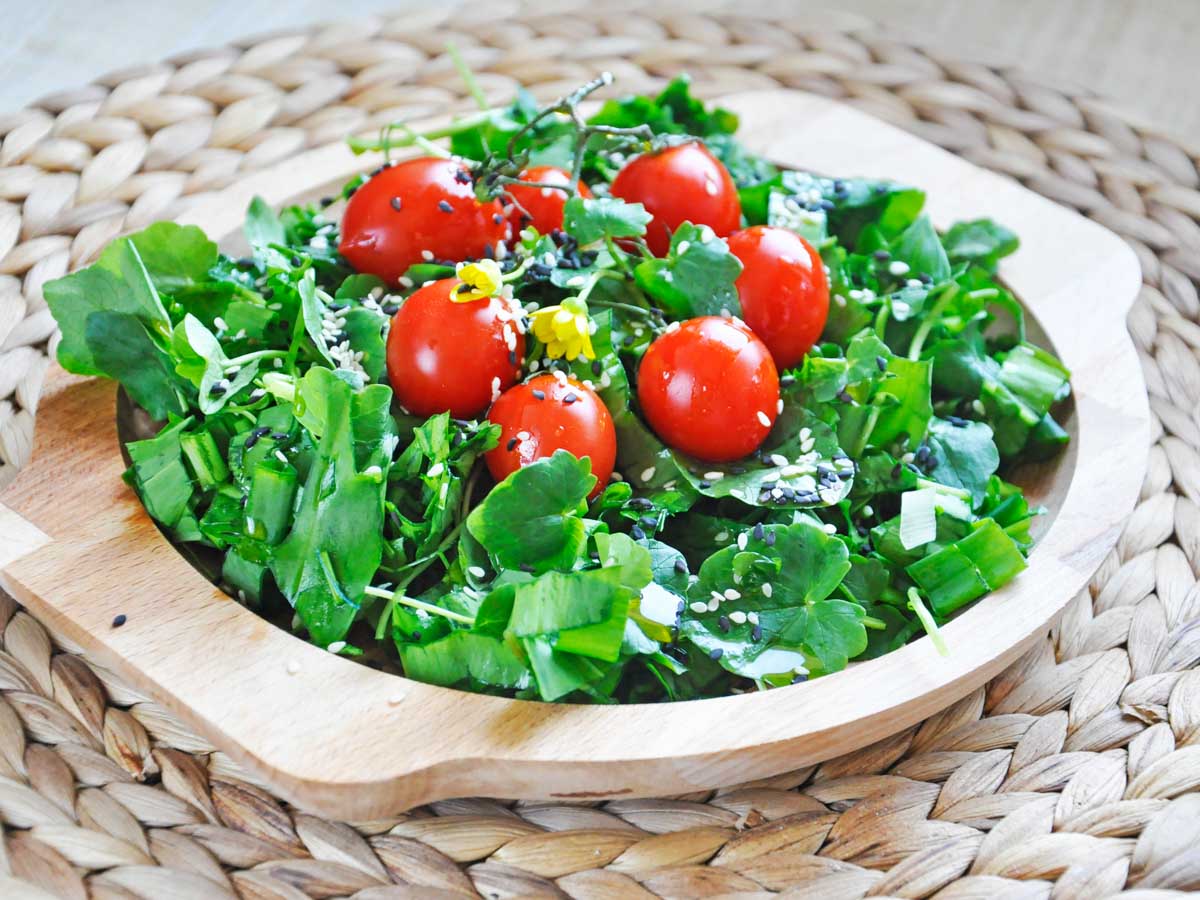
This spring watercress salad is made with fresh watercress, cherry tomatoes, scallions, wild garlic (ramps), and raw sesame seeds, dressed with a simple balsamic vinaigrette of balsamic vinegar, olive oil, salt, and pepper. It takes 15 minutes and serves 2 as a side or light lunch. Watercress has a peppery, slightly bitter flavor that pairs well with the acidity of balsamic and the sweetness of cherry tomatoes. Best made with young watercress in early spring, between March and mid-April, before the plant flowers.
This Recipe Works If You Need
- A quick spring salad that uses an ingredient most people walk past without recognizing
- A light, peppery side dish that pairs well with heavier mains like chickpea patties or lentil dishes
- A no-cook recipe ready in 15 minutes with very little prep
- A seasonal salad that tastes genuinely different from a standard green salad
Why You’ll Love This Recipe
- Ready in 15 minutes — wash, chop, dress, done
- Genuinely seasonal — watercress in early spring tastes brighter and more tender than at any other time
- Fully vegan — no cheese or dairy in the dressing, just olive oil, balsamic, salt, and pepper
- Nutritionally dense — watercress is one of the most nutrient-rich leafy greens by weight, with significant vitamin K, vitamin C, and calcium per serving
About Watercress
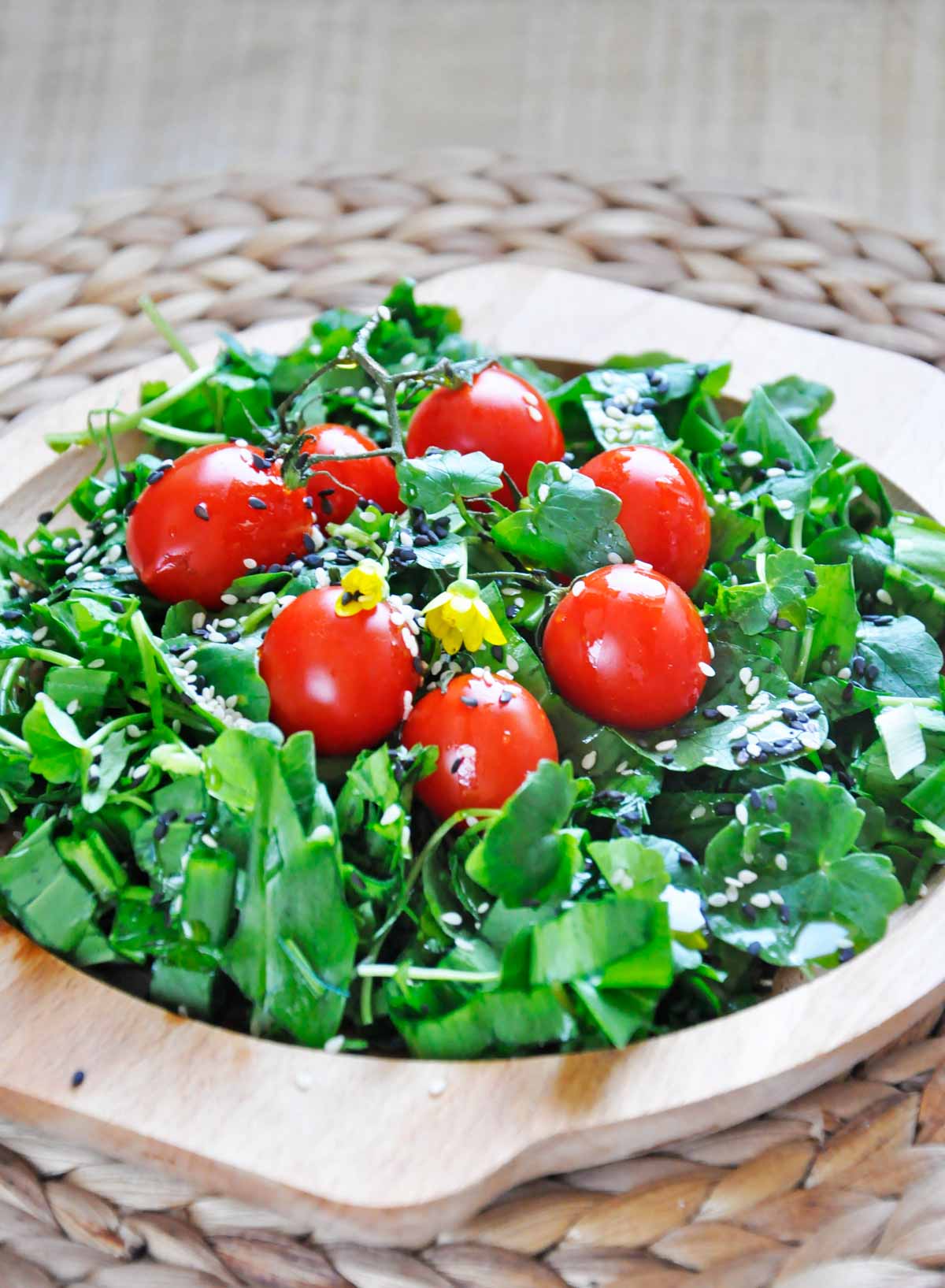
Watercress (known as untisor in Romanian) is a semi-aquatic plant that grows along stream banks and in wet meadows. It has small, round, dark green leaves with a distinctly peppery and slightly bitter flavor, milder than arugula but with more bite than spinach. In Romania and across much of Eastern Europe, it appears in early spring and is gathered wild. It is one of the oldest leafy vegetables consumed by humans and was a staple of ancient diets long before modern salad greens were cultivated.
The most important thing to know about eating watercress: use only young plants harvested before the flowers open. Once watercress begins to flower, typically in late April, the leaves become bitter and the plant is no longer pleasant to eat raw. The window for the best-tasting watercress is roughly March through mid-April. After that, it is better cooked — wilted briefly in a pan or added to soups — where the bitterness becomes less pronounced.
Ingredient Notes
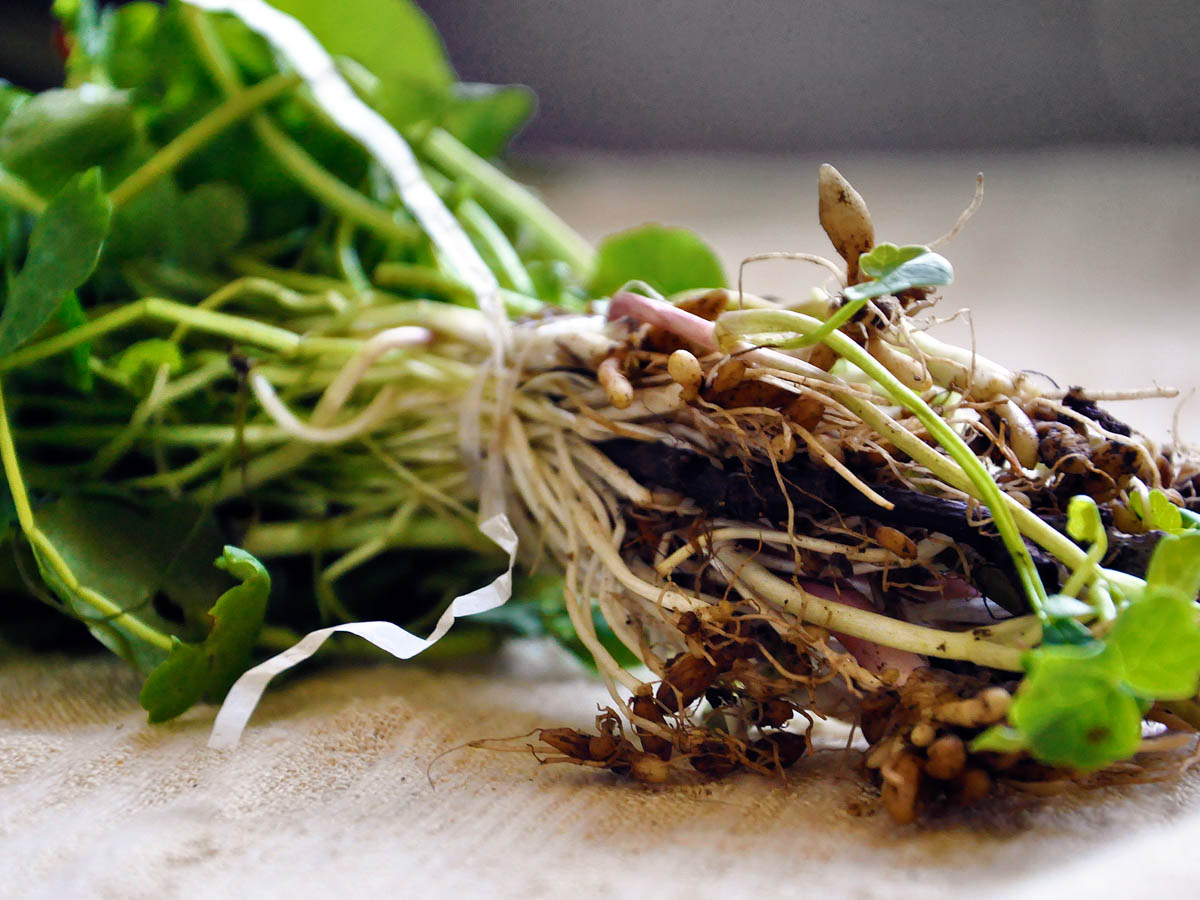
Watercress — Use young, fresh watercress with no yellowing leaves and no open flowers. Wash thoroughly in cold water and shake dry or spin in a salad spinner. The stems of young watercress are tender enough to eat; remove only the thickest, woodiest stems. Wild-gathered watercress should always be washed carefully — it grows in or near water where it can carry surface bacteria.
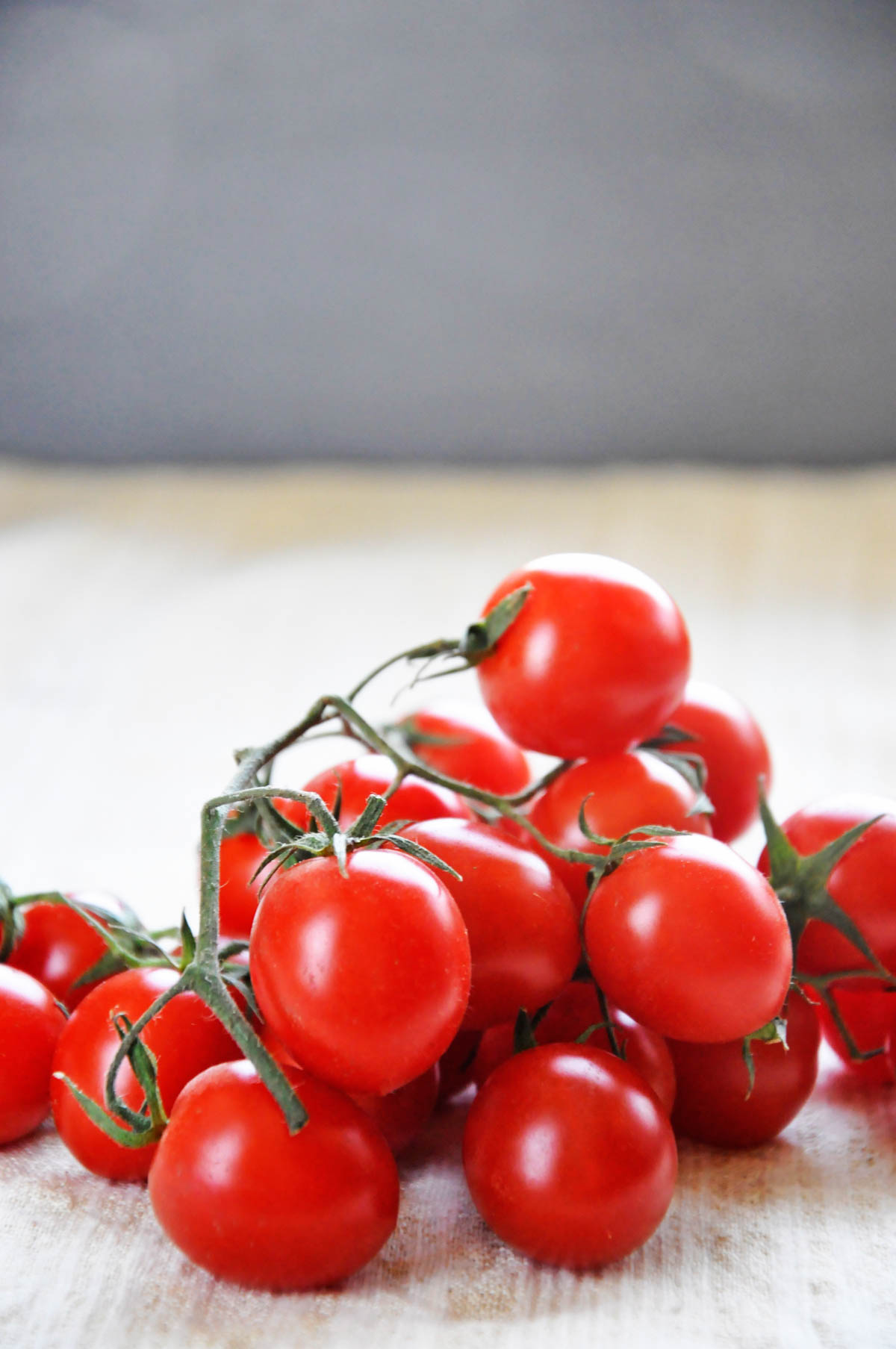
Cherry tomatoes — Halved. They add sweetness that balances the pepperiness of the watercress. Roma or any small, ripe tomato works well. In early spring when cherry tomatoes are not yet at their best, use the ripest ones you can find and let them sit at room temperature for a day before using.
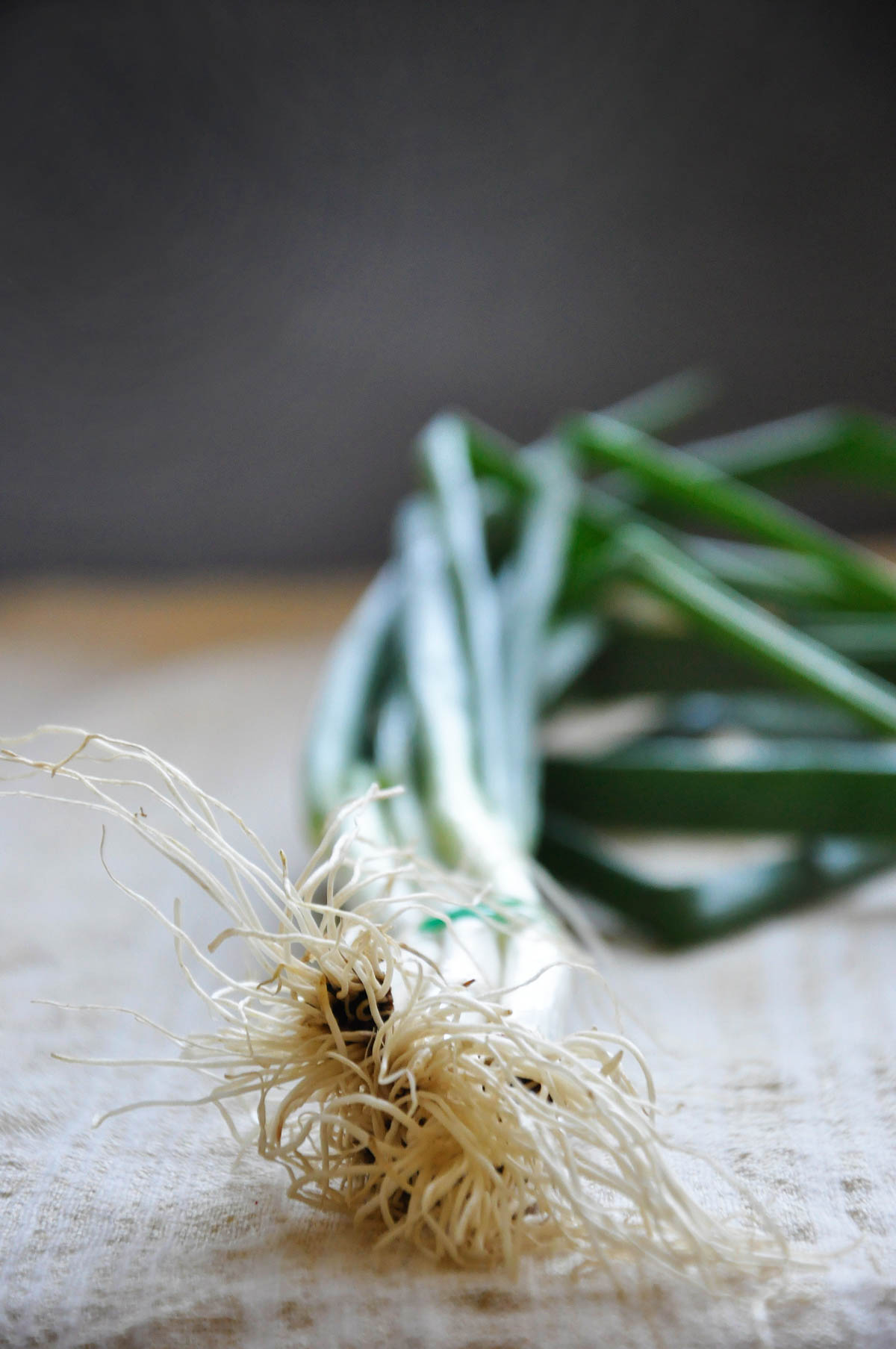
Scallions (green onions) — Sliced thinly on an angle. They add a mild onion sharpness without the harshness of raw white onion. Use both the green and white parts.
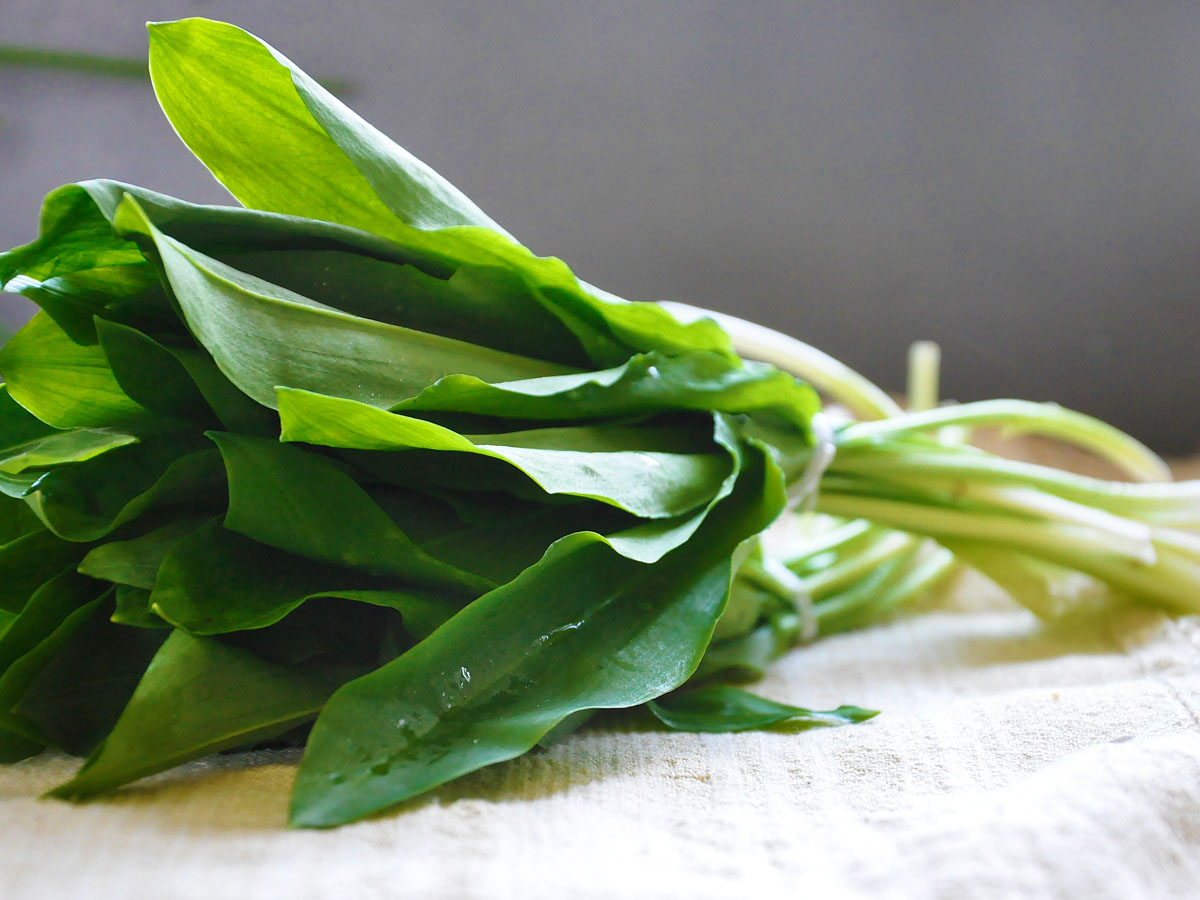
Wild garlic (ramps, leurda) — A classic spring green that appears at the same time as watercress in Romania and across Eastern Europe. The leaves have a gentle garlic flavor without the intensity of raw garlic cloves. Slice them finely and add directly to the salad. If you cannot find wild garlic, substitute with a very small amount of finely sliced regular garlic or simply leave it out.
Balsamic vinaigrette — The dressing is three ingredients: balsamic vinegar, olive oil, salt. Use a good-quality balsamic — cheap balsamic is thin and harsh; a slightly aged balsamic has a natural sweetness that the dressing relies on. The ratio is roughly 1 part balsamic to 3 parts olive oil. Add a pinch of mustard or a small drizzle of maple syrup if you prefer a rounder, less sharp dressing.
Raw sesame seeds — Scattered over the top just before serving. They add a nutty, slightly crunchy contrast to the soft leaves. Toast them in a dry pan for 2 minutes for a more pronounced flavor, though raw works well in this salad.
Tips
- Dress the salad right before serving. Watercress wilts quickly once it contacts acid — dressed salad that sits for more than 10 minutes loses its crispness.
- Keep the dressing light. Watercress has a strong flavor on its own; a heavy dressing will smother it rather than complement it.
- Taste the watercress before dressing. Young watercress is mildly peppery; older plants are more bitter. If the leaves taste very bitter raw, add a little more olive oil and less balsamic to the dressing to balance it.
- Shake the dressing in a small jar rather than whisking in a bowl. Balsamic vinaigrette emulsifies better when shaken, giving a more consistent coating on the leaves.
Substitutions and Variations
Swap balsamic for lemon juice — A lighter, brighter dressing: 2 tablespoons of lemon juice, 4 tablespoons of olive oil, salt, and a pinch of black pepper. Works especially well if you are adding cheese (vegan feta or shaved Parmesan) to the salad.
Add chickpeas or white beans — Turns this from a side salad into a light main. Drain a can of chickpeas, pat dry, and toss through the salad just before dressing. For a more substantial version, serve alongside green chickpea patties as I do.
Add avocado — Sliced ripe avocado adds creaminess that softens the peppery bite of the watercress. Add it last and toss gently so it does not break up into the dressing.
Replace sesame with toasted pumpkin seeds — More substantial crunch, slightly different nutty flavor. Works well if you are serving this as a main rather than a side.
Storage and Make Ahead
This salad does not keep once dressed. Watercress wilts within minutes of contact with the vinaigrette. If making ahead for a few hours, keep all the components separate: wash and dry the watercress, slice the tomatoes, prepare the dressing in a jar, and combine everything right before serving.
For more spring salad ideas, try this spring spinach salad with tahini dressing or this spring detox salad. For a dip to serve alongside, the spicy Beiruti hummus works well with raw vegetables from the same season.
Spring Watercress Salad with Balsamic Vinaigrette
Ingredients
- 3 cups watercress chopped
- some cherry tomatoes whole or halved
- 1 cup ramps/wild garlic leaves chopped
- ½ cup scallions chopped
- 2 Tbsps raw sesame seeds
- Balsamic Vinaigrette:
- 6 Tbsps cold-pressed hemp oil you can use extra-virgin olive oil if you don’t have hemp oil
- 2 Tbsps balsamic vinegar
- sea salt and ground pepper to taste
- 1 tsp honey optional
Instructions
- Make the balsamic vinaigrette. Add all ingredients together and mix well.
- Rinse well and chop the greens and veggies. Mix them together. Serve with seeds on top.
- Add balsamic vinaigrette only right before serving the watercress salad.
Frequently Asked Questions about Watercress Salad
When is watercress in season?
Watercress is a spring green, at its best between March and mid-April in Romania and across much of Eastern Europe. After that, the plant starts to flower and the leaves become noticeably more bitter and less pleasant to eat raw. Wild-gathered watercress should be harvested before any flowers open. Cultivated watercress, available year-round at some supermarkets and greengrocers, is a good substitute outside of spring season.
What does watercress taste like?
Young watercress has a bright, peppery flavor with a slight bitterness — similar to arugula but cleaner and less mustardy. The pepperiness is the defining quality and is what makes it work so well with acidic dressings like balsamic vinaigrette, which balance its sharpness. Older watercress, especially after it starts to flower, becomes more bitter and is better cooked than eaten raw.
Is watercress safe to eat raw?
Yes, young watercress is safe to eat raw and is commonly used in salads. The key precaution applies to wild-gathered watercress: always wash it thoroughly in cold water, as it grows in or near water where surface bacteria or parasites may be present. Watercress gathered from clean, fast-moving water sources and washed well is safe. If in doubt, blanch briefly in boiling water for 30 seconds before using.
What is balsamic vinaigrette made of?
A basic balsamic vinaigrette is balsamic vinegar, olive oil, and salt — typically a 1:3 ratio of vinegar to oil. Optional additions include Dijon mustard (which helps it emulsify and stay combined), a small amount of maple syrup or honey for sweetness, black pepper, and a small clove of garlic. Shake all ingredients in a sealed jar until combined. The dressing keeps in the fridge for up to a week.
What can I serve with watercress salad?
This salad works well as a side alongside protein-rich mains like chickpea patties, lentil burgers, or falafel. It also pairs well with a soup as a light lunch. If serving as a standalone, add chickpeas, white beans, or toasted seeds to make it more filling. The balsamic dressing also works well with any simple grain bowl that needs a fresh, leafy component on top.



Sooo refreshing! I’m so glad I stumbled upon your blog, Ruxandra! You make a wonderful job here 🙂 Will definitely try some other recipes too.
Glad you liked the recipe, Mary!