
The Perfect Butter Beans Stew
This butter beans stew is a comforting, one-pot Lenten dish made from creamy lima beans simmered with onion, garlic, sweet paprika, and a generous handful of fresh tarragon. It is completely plant-based, naturally rich in protein, and comes together with pantry staples once the beans are properly cooked. If you want a humble, deeply flavorful stew with extra-soft beans and a thick, savory sauce, this is the one to make.
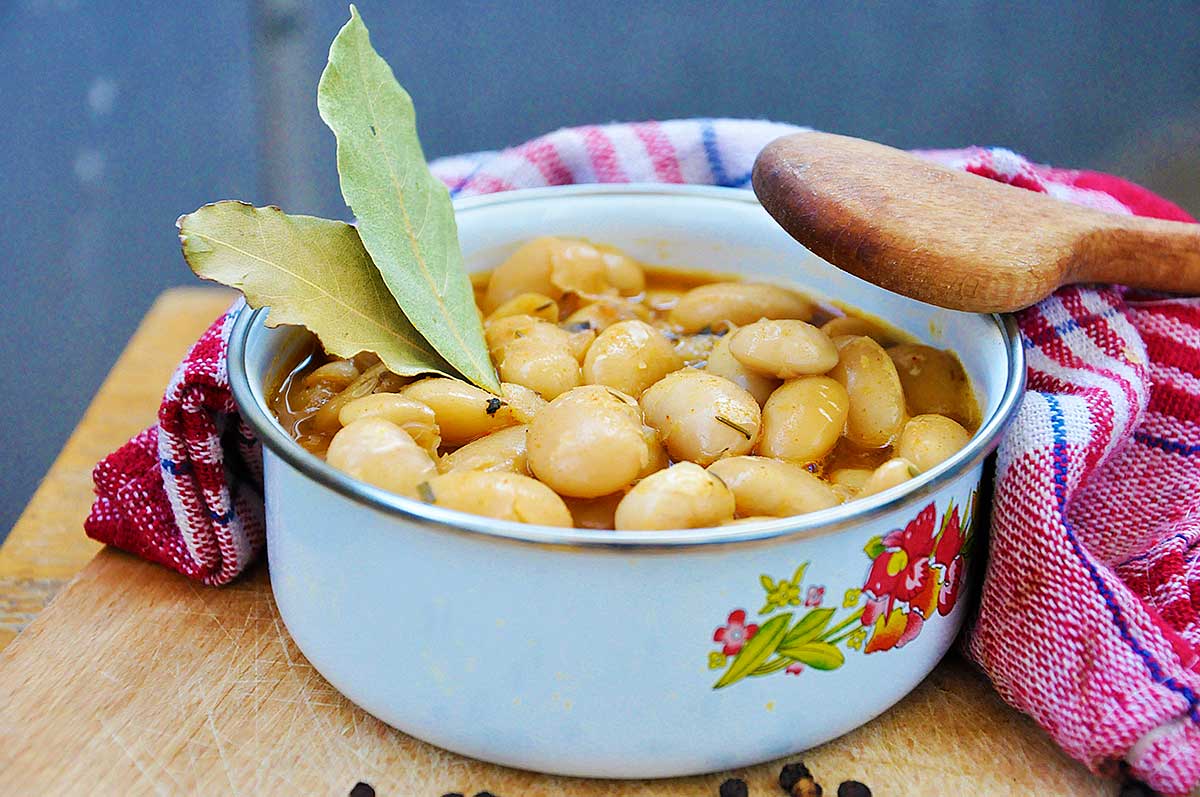
This butter beans stew recipe goes straight to the first place on my favorite recipes list. I learned it from my mother and have continued to prepare it with love over the years. I like butter beans a lot and I have tried different recipes with them, but this one has the ideal combination of flavors and textures. The secret is fresh tarragon, which I always add to my beans recipes — it lifts the whole pot.
What you will need
The ingredient list is short and forgiving, so the quality of a few key items really shows. Here is what each one brings to the pot:
- Lima beans (butter beans): the star of the dish. They cook up soft and buttery, and their starch is what thickens the sauce. Dried beans soaked overnight give the best texture.
- Onion and garlic: the savory base. Two onions and four garlic cloves build depth without overpowering the beans.
- Fresh tarragon: the signature flavor here. Its gentle anise note is what sets this stew apart from a plain bean pot. Use it fresh if you possibly can.
- Sweet paprika: adds warmth, color, and a mild sweetness that rounds out the savory base.
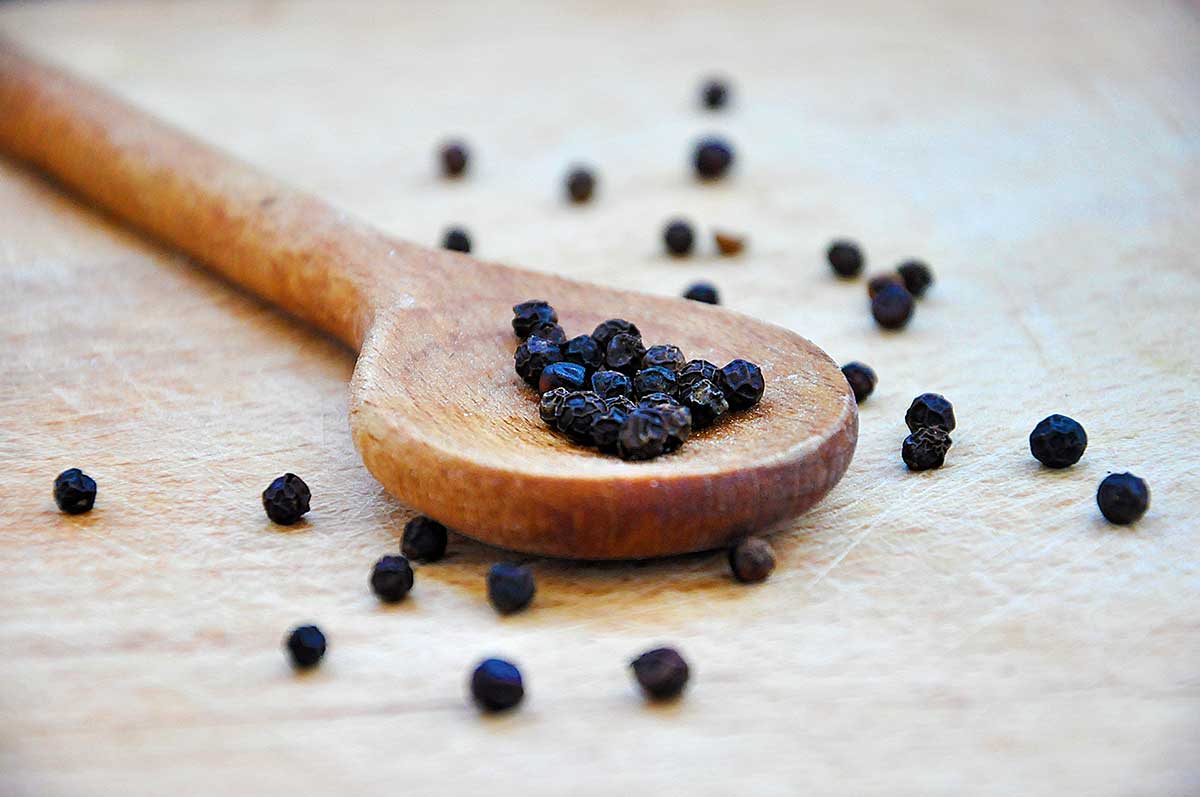
- Bay leaves and ground pepper: quiet background aromatics that make the broth taste finished.
- Oil and salt: just one tablespoon of oil to sauté, and salt to taste at the end.
Why cooking the beans properly matters
Cooking beans the right way really makes the difference. Soaking dried lima beans overnight and then changing the boiling water a couple of times does two things: it draws out the compounds that make beans hard to digest and cause bloating, and it sets you up for that signature soft, buttery interior. As the beans simmer, the starch they release thickens the cooking liquid into a proper sauce rather than thin broth, so you do not need any added thickener. Salting at the end, once the beans are already tender, keeps the skins from toughening during the long cook.
Tips for getting it right
- Do not skip the soak and the water change. Boil the beans for about two hours (half that if soaked overnight) and change the water at least twice.
- Add only enough water to just cover the beans before the final simmer. Too much and the sauce stays thin.
- Stir in the fresh tarragon, garlic, and paprika together near the end so their aromas stay bright.
- Taste before serving and adjust the salt. Beans soak up a lot of seasoning, so they often need more than you expect.
- Want a thicker, scoopable texture? Mash a ladleful of the cooked beans against the side of the pot and stir it back in.
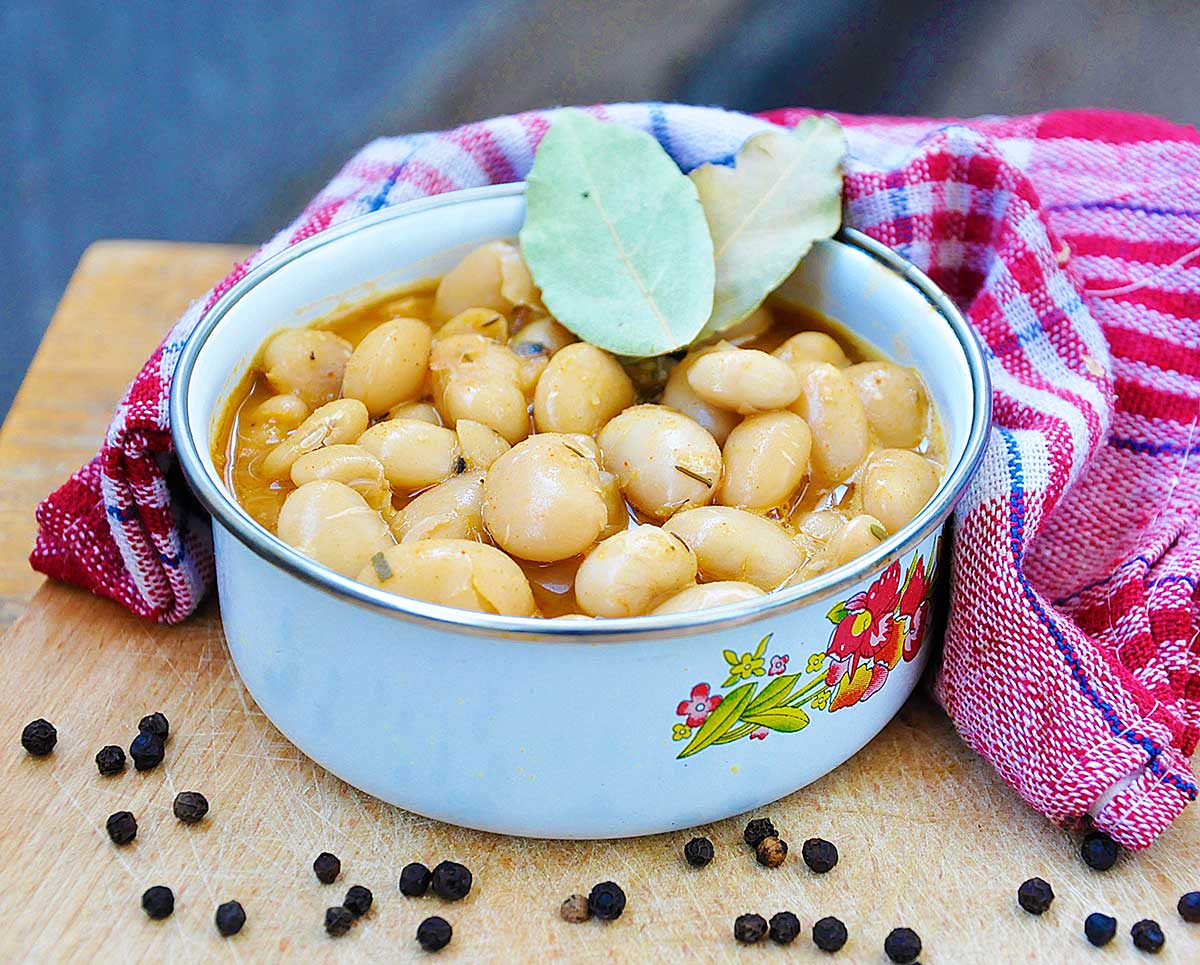
What to serve with butter beans stew
This stew is hearty enough to stand on its own with crusty bread, but it also plays well in a bigger spread. Serve it over a bowl of plain vegan rice to soak up the sauce, or set it alongside other cozy plant-based mains if you are feeding a crowd. If you love this style of cooking, it sits naturally next to my smoky beans stew or a comforting potato and carrot stew on the same table. Beans are also one of the best plant-based protein sources, which you can read more about in this guide to proteins in the vegan diet.
Storage and make-ahead
Like most bean dishes, this stew tastes even better the next day once the flavors have had time to settle. Keep leftovers in an airtight container in the fridge for up to four days, and reheat gently on the stovetop with a splash of water to loosen the sauce. It also freezes well: cool it completely, portion it into containers, and freeze for up to three months, then thaw overnight in the fridge before warming through. If you enjoy this one, browse more of my vegan stews and chilis for your next batch-cooking session, or turn leftover beans into a creamy butter beans spread.
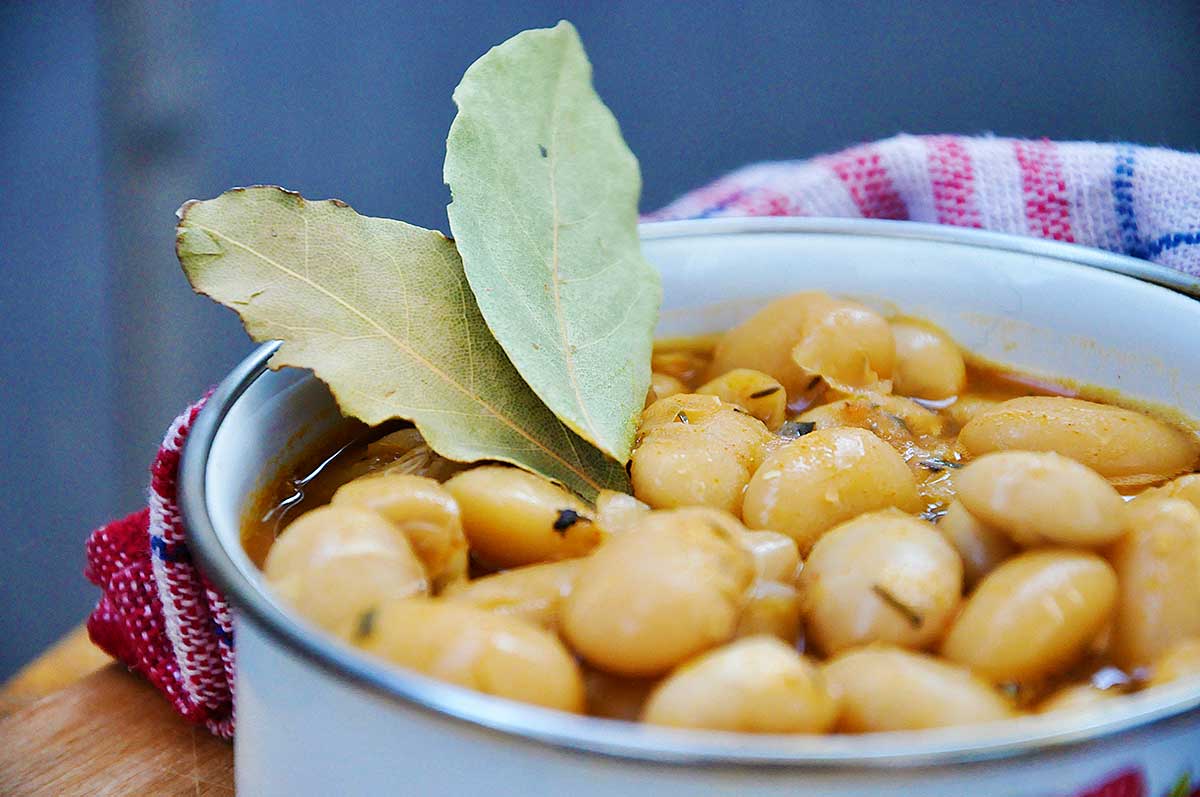
If you make this butter beans stew, I would love to know how it turned out for you. Leave a star rating and drop a comment below telling me whether you stuck with the fresh tarragon or gave it your own twist — your notes help other readers and they always make my day.
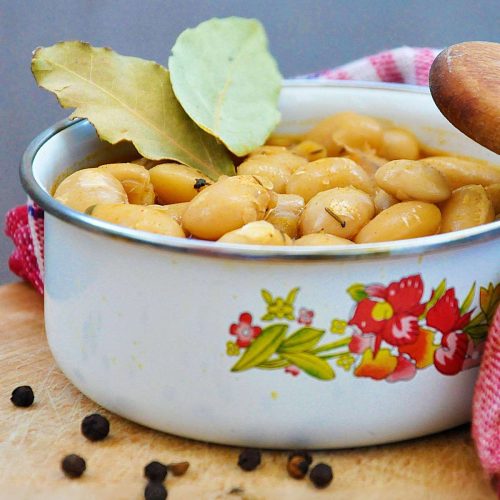
The Perfect Butter Beans Stew
Ingredients
- 500 g lima beans soaked overnight
- 2 onions diced
- 4 garlic cloves chopped
- 4 tbsp fresh tarragon chopped
- 2 tbsp sweet paprika
- 3 bay leaves
- 1 tbsp oil
- ⅓ tsp ground pepper
- salt to taste
Instructions
- Boil the beans for 2 hours (halve this time if you soaked them beforehand). Change the water at least twice. Don’t skip this step! Beans are hard to digest, and if you didn’t soak them overnight they release compounds into the boiling water that can cause bloating.
- Heat the oil in a large pot.
- Saute the onion for 2-3 minutes.
- Add the drained beans.
- Add just enough water to cover the beans.
- Add the bay leaves, pepper, salt, fresh tarragon, chopped garlic and paprika.
- Cook for half an hour.
- Serve and enjoy this flavorful dish!
Notes
Frequently Asked Questions
Yes. Butter beans and lima beans are two names for the same legume. Larger, paler varieties are often sold as butter beans, while smaller ones are usually labeled lima beans, but they are interchangeable in this stew.
Soaking is strongly recommended. It softens the beans for that buttery texture and helps remove the compounds that make beans hard to digest and cause bloating. If you soak overnight you can roughly halve the boiling time; if you forget, boil longer and change the water at least twice.
You can, to save time. Skip the soaking and long boil, drain and rinse the canned beans well, and add them after sauteing the onion. Simmer just long enough to absorb the flavors, around 15 to 20 minutes, since they are already cooked.
Fresh tarragon gives this stew its signature flavor, so use it if you can. If unavailable, you can use a smaller amount of dried tarragon, or substitute fresh dill or parsley for a different but still fresh, herbal finish.
The sauce thickens from the starch the beans release, so add only enough water to just cover them before the final simmer. For a thicker result, mash a ladleful of the cooked beans against the side of the pot and stir it back in.
Yes. Every ingredient is plant-based: lima beans, onion, garlic, fresh tarragon, paprika, bay leaves, oil, pepper, and salt. It contains no dairy, eggs, or other animal products, which also makes it suitable for Lenten and fasting menus.







I plan to prepare this without oil, with a water or veggie broth sauté for a fat-free version. I imagine it will still be a very tasty dish.
Caryle
It should be tasty oil-free as well. 😉
Hello, Ruxandra,
I have just made this recipe for dinner tonight and my family loved it! I must say that the tarragon really made a difference. Such a good idea!
Thank you! Glad you liked the recipe! 🙂
I’ve had a few cans of butter beans sitting in my kitchen cupboard for a while and this recipe has given me an idea.
Thank you for sharing.
Sabah || http://www.womanishaffairs.org
You’re welcome!
Love lima beans, but have never used herbs in the preparation. I’m going to try these tomorrow.
I usually use the soaking water to water my plants … they love it.
Great gardening tip! I usually throw it away, but now I’ll save it for my herbs. 😀
Oh wow, I love butter beans! They look delicious, I believe I could eat them everyday!
I recently posted my recipe for butter beans, check it out
Michael
michaelswoodcraft.wordpress.com/2014/03/02/southern-butter-beans
Of course, you can use almost any oil you like as long as it doesn't have a very strong taste. So avoid corn, sesame or nuts oil because these oils have very unique tastes and they may change the overall flavor.
You can use canola oil or grape seed oil for example. Also unrefined, cold-pressed oils are healthier, so if you can use them instead of refined ones.
Can I substitute a different oil for sunflower oil? If so, which works best?