
Vegan Yorkshire Pudding
Vegan Yorkshire pudding is a plant-based version of the classic English side, made with a light flour-and-soy-milk batter that puffs up dramatically in a screaming-hot oiled tin. Instead of eggs, this recipe uses whipped aquafaba (the liquid from a can of chickpeas) for lift, plus a pinch of black salt for that eggy savoury note. It is easy to make, needs just a handful of pantry ingredients, and gives you tall, crisp-edged puddings that go perfectly alongside a Sunday roast.
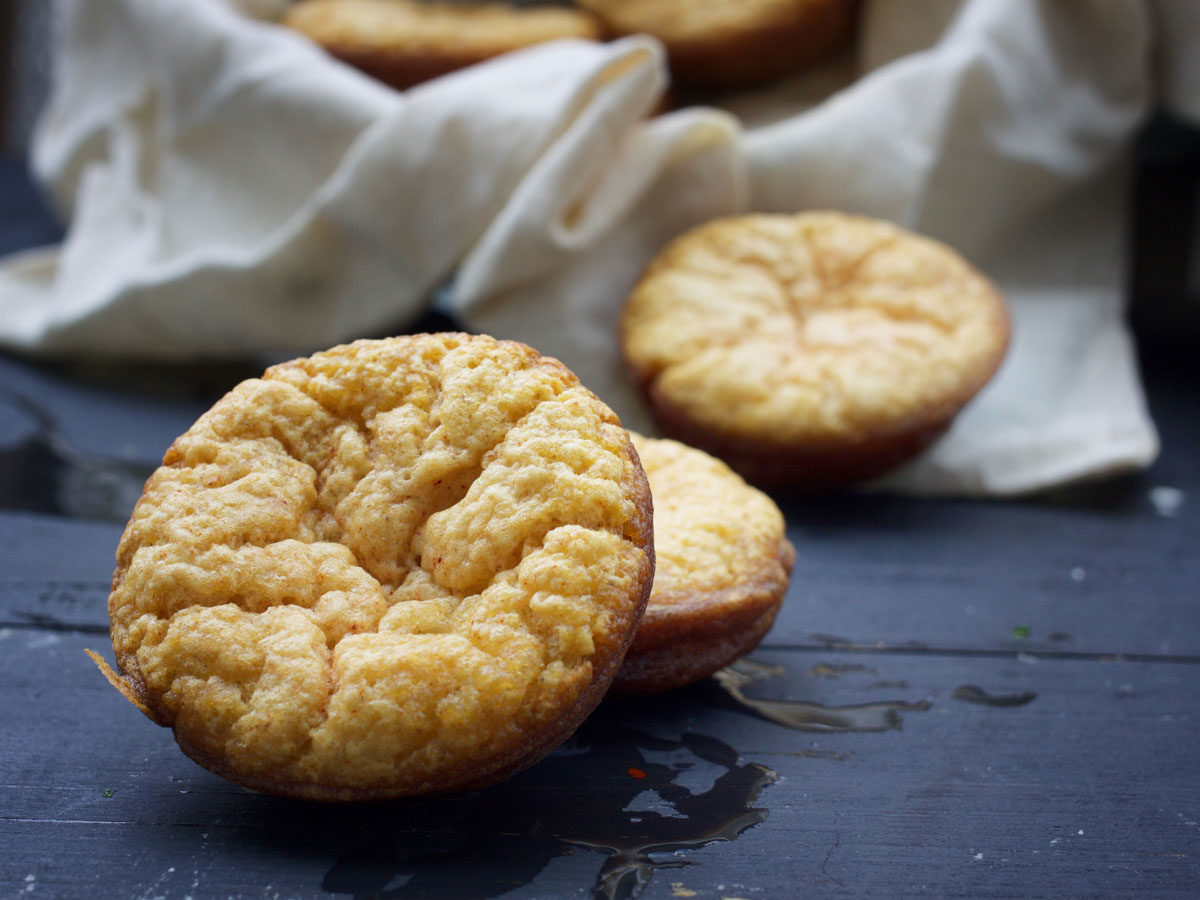
Yorkshire pudding is an iconic English dish, loved so much by the Brits that it even has its own National Day on the first Sunday in February. Traditionally it was baked in one large, shallow roasting tin, but today a tartlet or muffin tin is the most popular choice, and it is my choice for this recipe too. Today I will teach you how to create the softest, healthiest and most delicious vegan Yorkshire pudding you will ever taste, and the whole thing is easier than you would expect.
What goes into these puddings
The ingredient list is short, and each one earns its place. All-purpose flour builds the structure and gives the batter enough gluten to trap steam and rise. Soy milk stands in for the dairy milk in a classic batter; its protein content helps browning, so reach for soy rather than a thinner nut milk here if you can. If you want to make your own plant milk, my nut milk recipes are a good starting point, though soy remains the best performer for this batter.
Aquafaba, the liquid from a can of chickpeas, is the star. Whipped until creamy and fluffy, it replaces the eggs and carries air into the batter. A little baking powder gives an extra push, while a pinch of black salt (kala namak) adds the sulphurous, eggy flavour that makes people do a double take. Olive oil in the tin does double duty: it crisps the edges and, more importantly, it needs to be smoking hot so the batter sizzles the moment it hits.
Why the hot tin matters so much
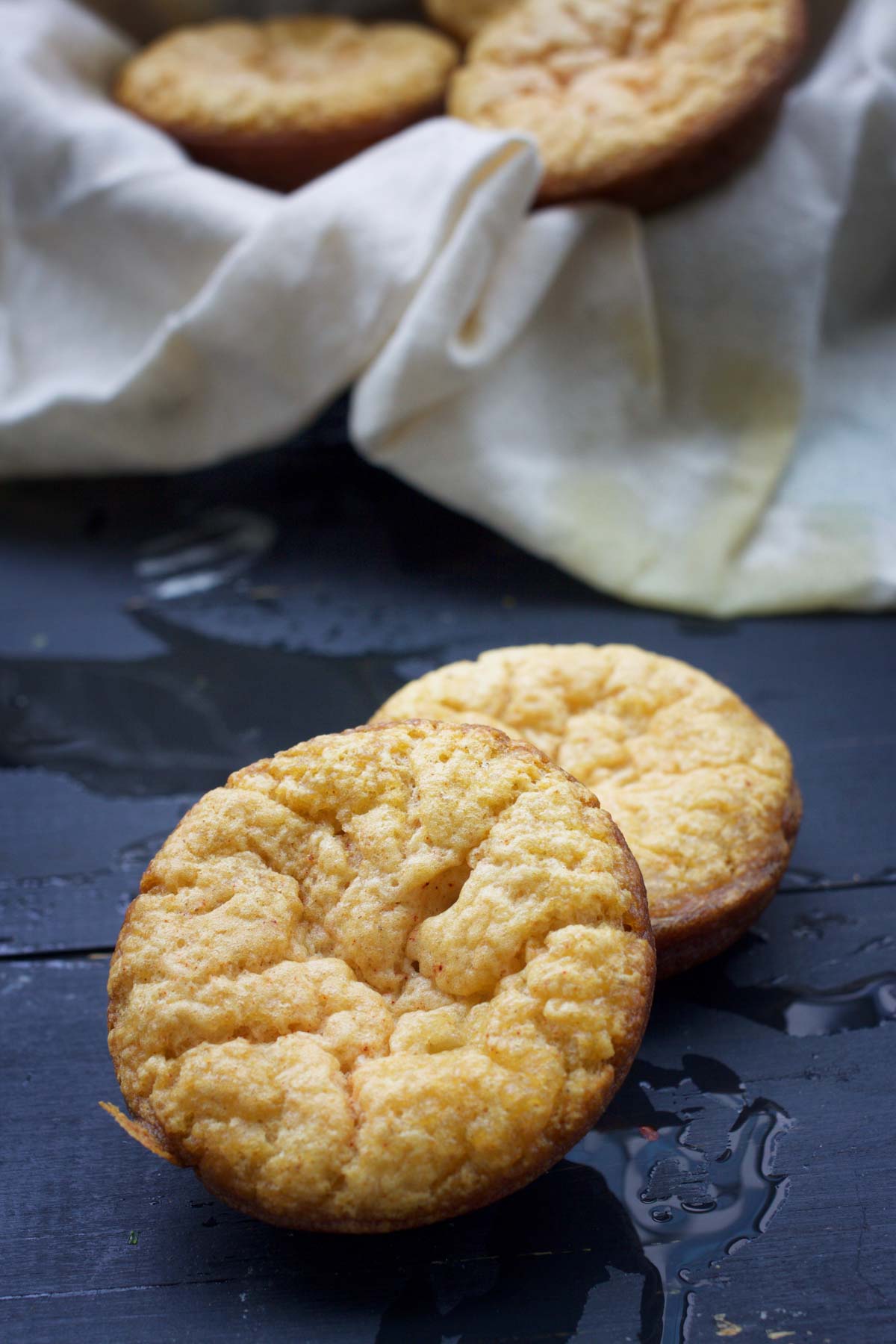
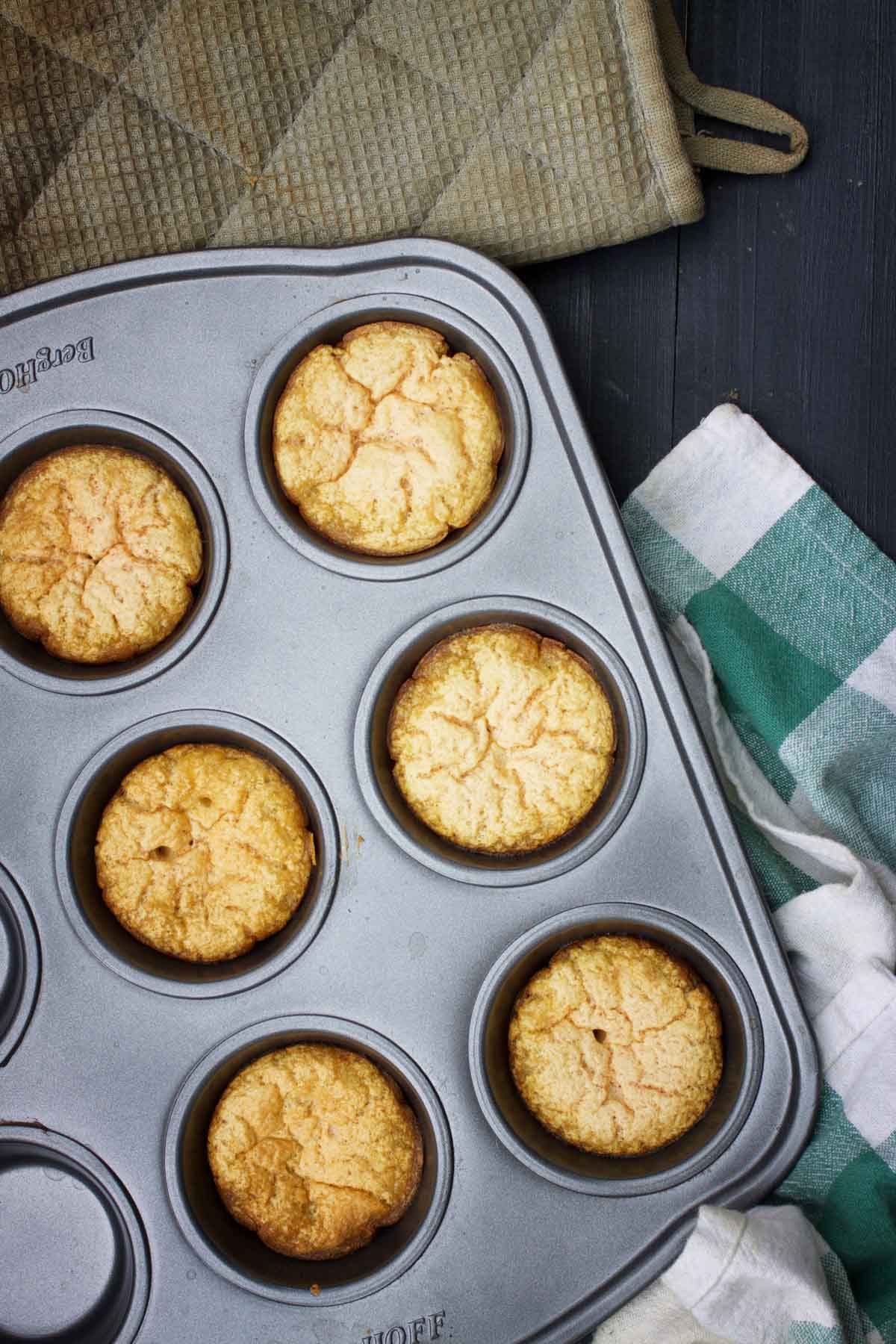
The secret of a perfect Yorkshire pudding lies in how well it rises, and the rise comes down to heat. You put the oiled tin in the oven first and let the oil get properly hot, around 10 minutes, before adding any batter. When the cool batter hits that hot oil, the water in it turns to steam almost instantly. The steam is trapped by the gluten and inflates the pudding upward, while the fierce heat sets the outside into a crisp shell before it can collapse. Pour fast so the tin never cools down, and resist opening the oven door while they bake, because a drop in temperature is exactly what makes them sink.
Tips for the tallest, crispiest results
- Whip the aquafaba until it is thick, creamy and holds soft peaks; flat, watery aquafaba will not give you height.
- Let your batter rest for a few minutes while the tin heats, so the flour hydrates fully.
- Fill each compartment right to the top, working quickly so the tin stays screaming hot.
- Do not open the oven during baking. Watch through the glass instead.
- Serve them straight from the oven while they are at their most dramatic; they deflate a little as they cool, which is completely normal.
What to serve with vegan Yorkshire pudding
Yorkshire puddings are built for a roast dinner, so pour plenty of vegan gravy over them and let it pool in the crisp centres. They sit beautifully next to a rich main like vegan beef bourguignon, and rounded out with roast vegetables and a simple salad you have a full Sunday spread. They also make a lovely warm base for a saucy stew, catching every last bit of the sauce.
Storing and making them ahead
Yorkshire puddings are always best eaten fresh and hot, when they are at their crispest. If you have leftovers, cool them completely and keep them in an airtight container in the fridge for up to two days. To bring them back to life, reheat in a hot oven for a few minutes rather than the microwave, which turns them soft. They freeze well too: freeze in a single layer, then reheat straight from frozen in a hot oven until crisp again. This make-ahead trick is handy when you are cooking a big meal, and if you are planning meat-free menus more often, my vegetarian diet plan guide has plenty of ideas to build around dishes like this one.
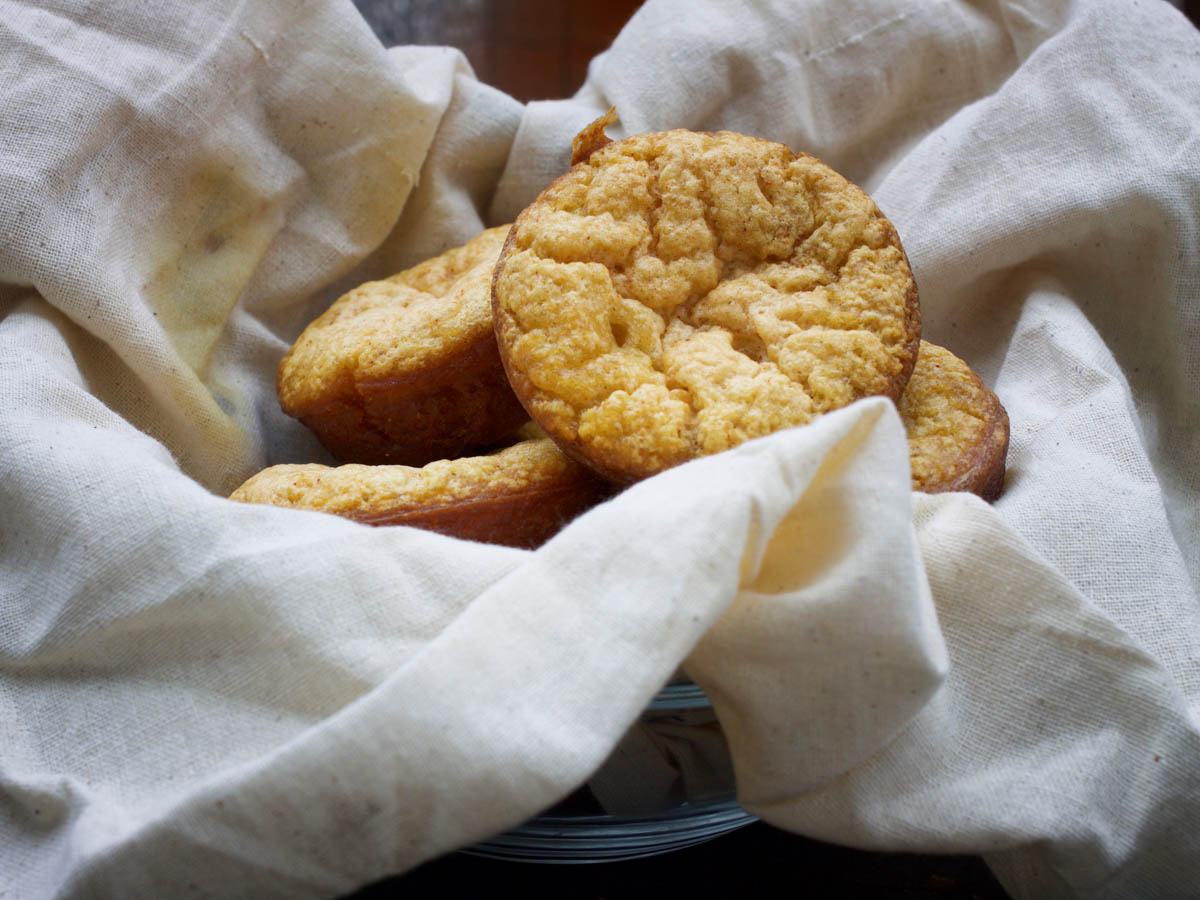
If you try these, I would love to know how tall your puddings puffed up. Rate the recipe below and leave a comment telling me whether you nailed the hot-tin trick on the first go or which gravy you spooned over them.
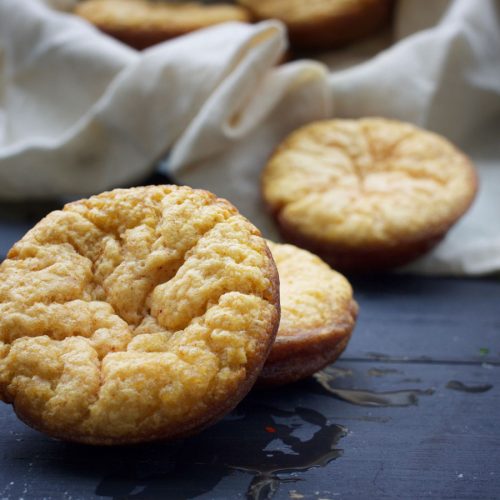
Vegan Yorkshire Pudding
Ingredients
- 1 cup all-purpose flour
- 9 tsp olive oil for the tin
- 1 cup soy milk
- ½ tsp baking powder
- ¾ cup aquafaba the liquid from a can of chickpeas, whipped until creamy
- 1 pinch black salt for an eggy flavour
- 1 pinch black pepper
Instructions
- Preheat the oven to 200C.
- Put 1 tsp olive oil into each compartment of the bun tray, then place the tray in the oven to heat up.
- In a large bowl, add the flour, baking powder, soy milk, black salt and pepper.
- Mix until well incorporated and smooth.
- Fold the whipped aquafaba into the flour mixture.
- Once the tray is hot, after about 10 minutes in the oven, pour the batter into each compartment, filling them to the top.
- Work as quickly as possible so the tray stays hot.
- Bake for 15-20 minutes, until risen and golden.
Notes
Frequently Asked Questions
This vegan version replaces the eggs with whipped aquafaba, the liquid from a can of chickpeas, beaten until creamy and fluffy. The aquafaba carries air into the batter and, together with a little baking powder, gives the puddings their rise. A pinch of black salt (kala namak) adds the eggy, savoury flavour you would normally get from real eggs.
The most common reason is that the tin and oil were not hot enough when the batter went in. The oil needs about 10 minutes in a 200C oven so the batter sizzles on contact and the steam can inflate it. Opening the oven door mid-bake or under-whipping the aquafaba will also stop them from rising properly.
Aquafaba is simply the starchy liquid found in a can of chickpeas. Drain the can and reserve the liquid, then whip it until it turns creamy and holds soft peaks. It behaves a lot like egg white and is what gives these puddings their lift and structure.
Black salt, also called kala namak, is a sulphurous mineral salt that tastes remarkably like eggs, which is why it works so well in vegan baking. It gives the puddings that classic savoury, eggy note. You can leave it out if you do not have any, but the flavour will be milder and less like a traditional Yorkshire pudding.
Yes. They are best fresh, but you can bake them ahead, cool them completely, and store them in an airtight container in the fridge for up to two days or freeze them in a single layer. Reheat in a hot oven, straight from frozen if needed, until they crisp up again. Avoid the microwave, which makes them soft.
They are made for a roast dinner, so serve them with plenty of vegan gravy, roast vegetables and a rich main such as vegan beef bourguignon. They also work as a warm base for a saucy stew, soaking up every last bit of the sauce.


I’ve used this recipe several times and it’s a hit every time I make it! Love making it alongside stews and soups. So good.
So happy to hear this!
Vegan sounds good but what if I can’t get the aquafaba liquid what is the alternative also please give non vegan recipe
You can look for a traditional Yorkshire pudding recipe on the web. Egg whites are used instead of aquafaba.