
Cauliflower pizza crust – without dairy!
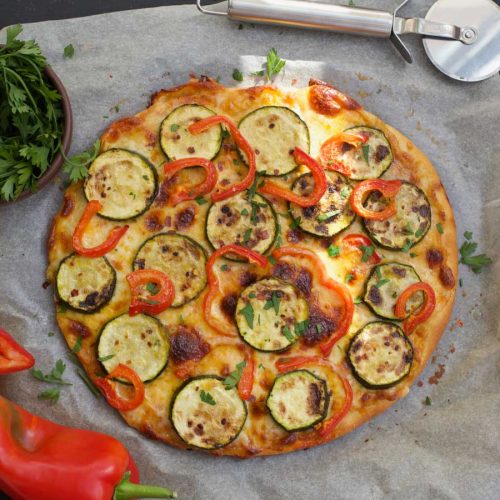
This cauliflower pizza crust is a low-carb, gluten-free base made from cauliflower florets bound with psyllium husk, flour, and cornstarch, then baked until golden and topped like any classic pizza. It bakes up sturdy enough to hold sauce and toppings, it is fully plant-based, and it comes together in one food processor. If you have been curious about swapping a floury crust for something lighter and veggie-packed, this is the recipe to start with.
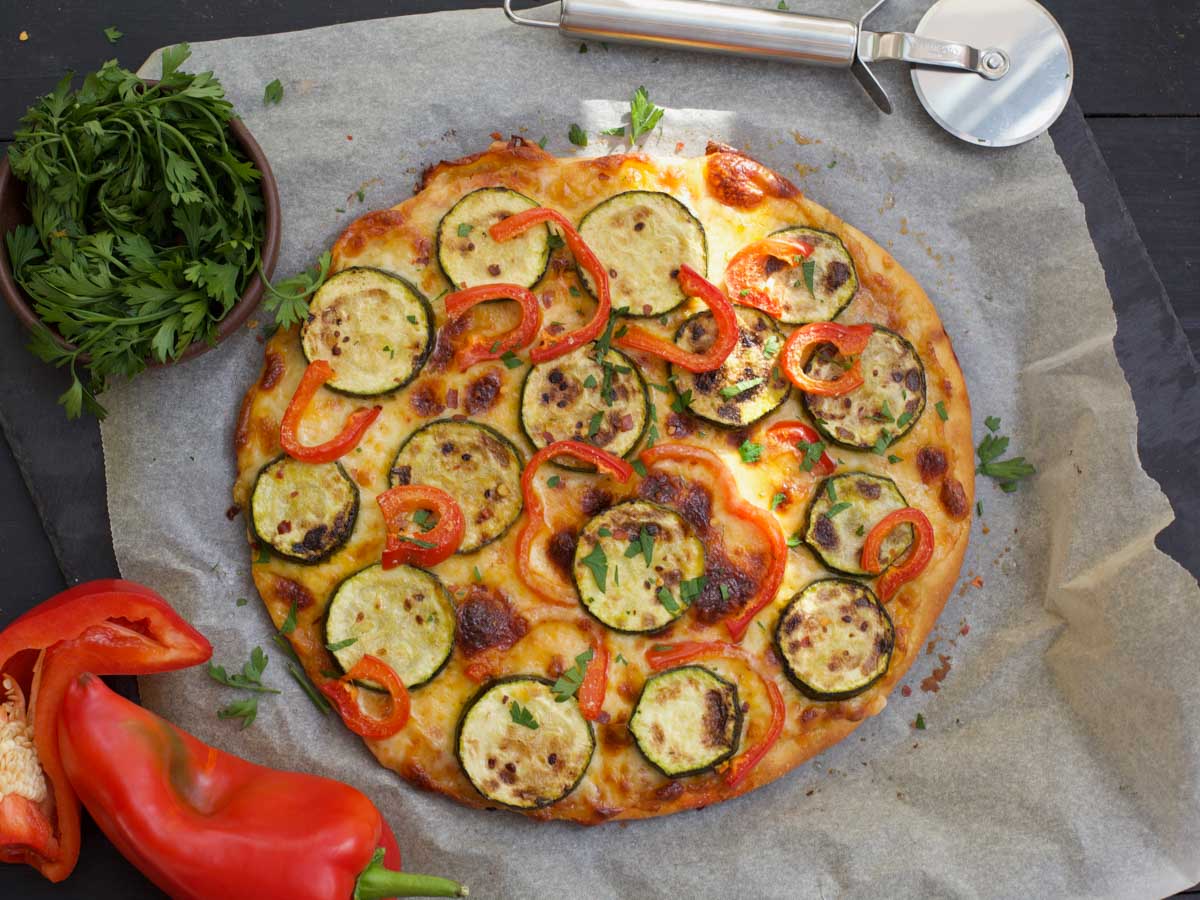
Whenever I think about perfect food, pizza automatically comes into my mind. The perfect balance of flavors, the mixture of ingredients, even the shape and colors — I simply love everything about pizza! I can’t imagine a movie night with friends without a pizza by my side. But the problem is, whenever I find myself craving a slice, I remember that pizza is not really on the “healthy eating” list. Now, what if I told you there is a guilt-free way of indulging in a pizza? Before you decide against it, let me tell you it may be a very big surprise for you!
When you say pizza you think about sunny Italy, a romantic dinner in Rome, delicious tomato sauce, maybe some fresh herbs and… cauliflower? Not really, right? Well, maybe I can help you change your mind about that! The crust here uses cauliflower as the main body, so you get a lighter, lower-carb slice that still tastes like the pizza you crave.
What goes into this cauliflower crust
The crust leans on a handful of ingredients that each do a specific job. Here is what to reach for and why it matters:
- Cauliflower florets — half a head, separated into florets so the food processor breaks them down evenly. This is the bulk of your crust and where the low-carb magic comes from.
- Psyllium husks — two tablespoons. This is the binder that holds everything together and gives the dough its stretch. Do not skip it, because without a binder cauliflower crust falls apart.
- Flour and cornstarch — one cup flour plus two tablespoons cornstarch. Together they firm up the dough so you can roll it and give the baked crust structure.
- Olive oil — two tablespoons in the dough, plus a little to brush the paper. It keeps the crust from drying out and helps it crisp.
- Vegan cheese — a third of a cup worked into the dough for flavor and bind, plus a half cup of vegan cheese mix on top.
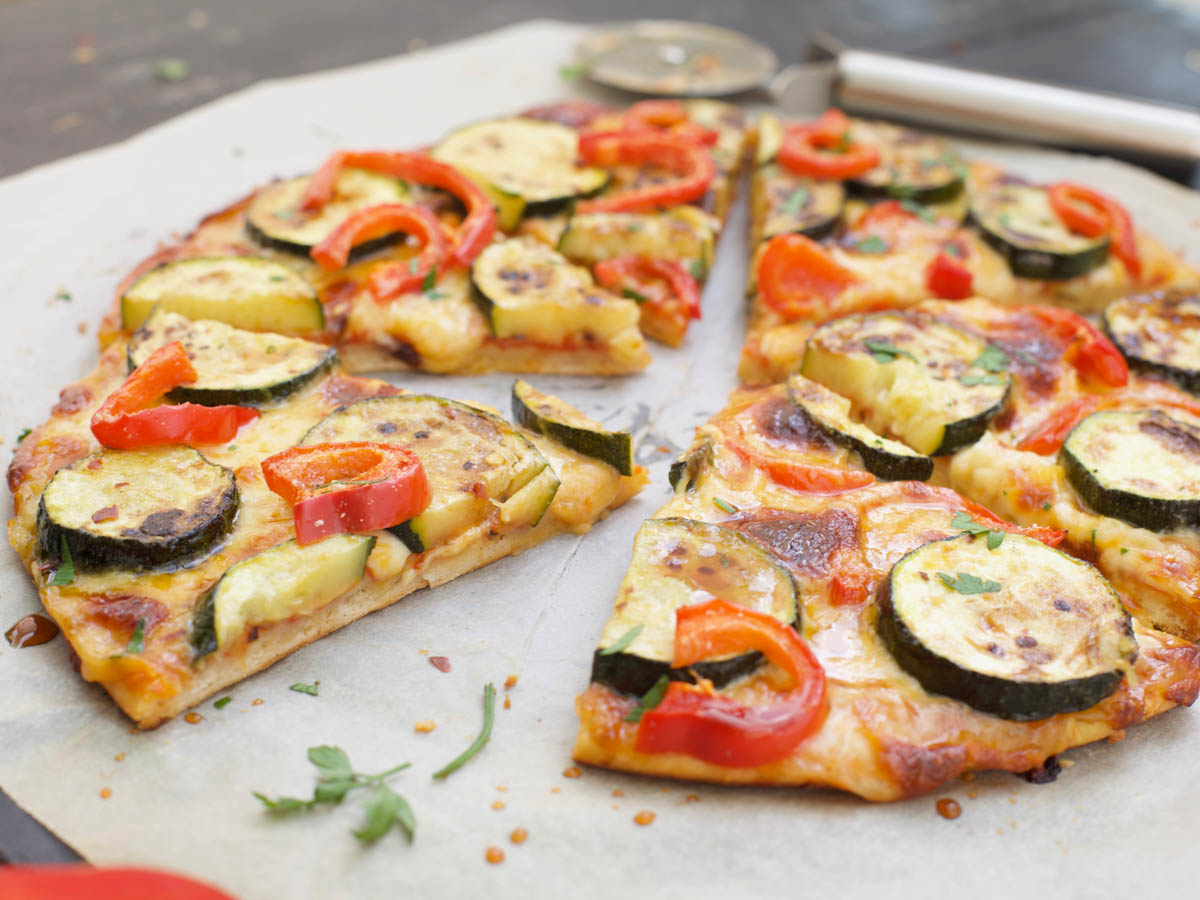
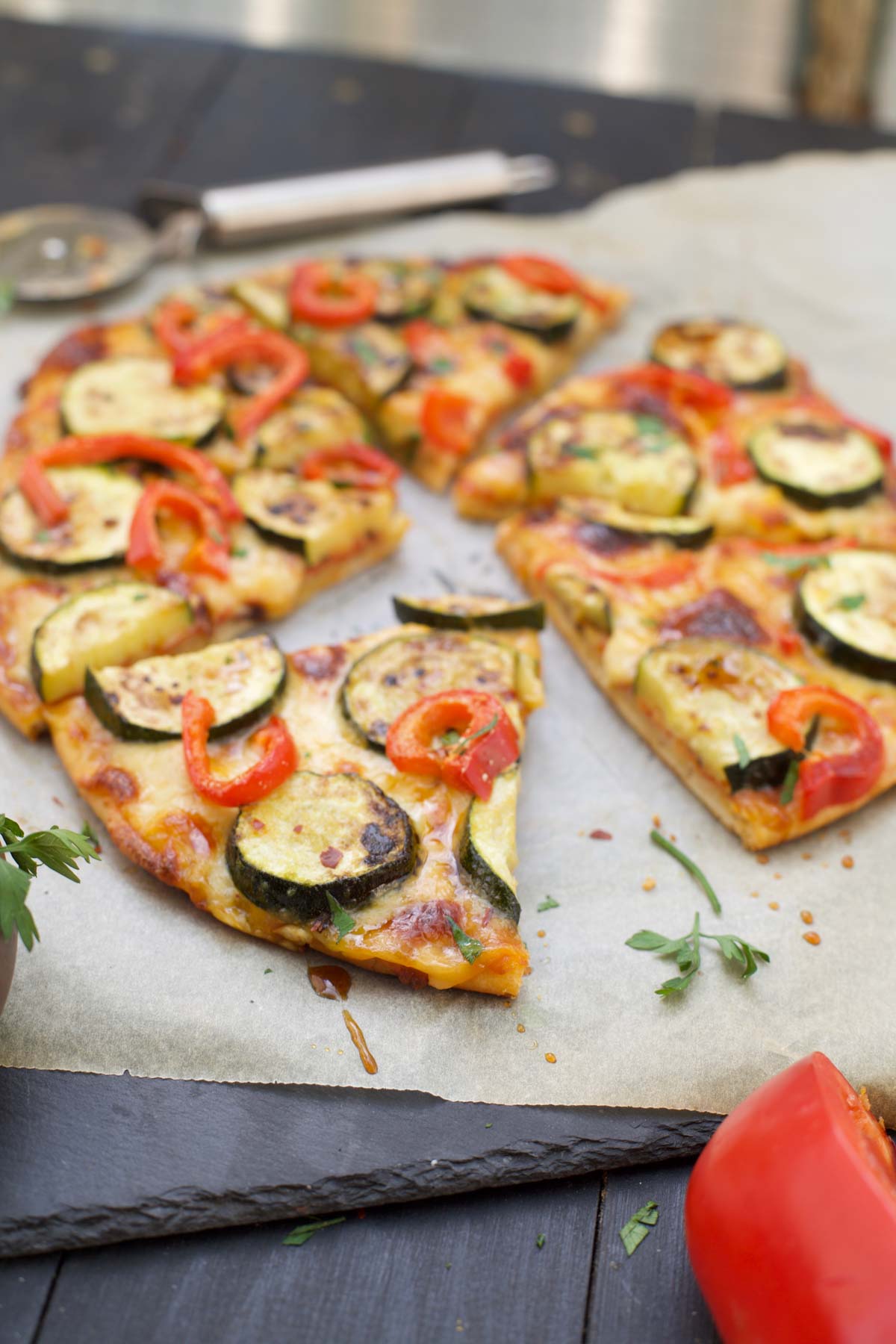
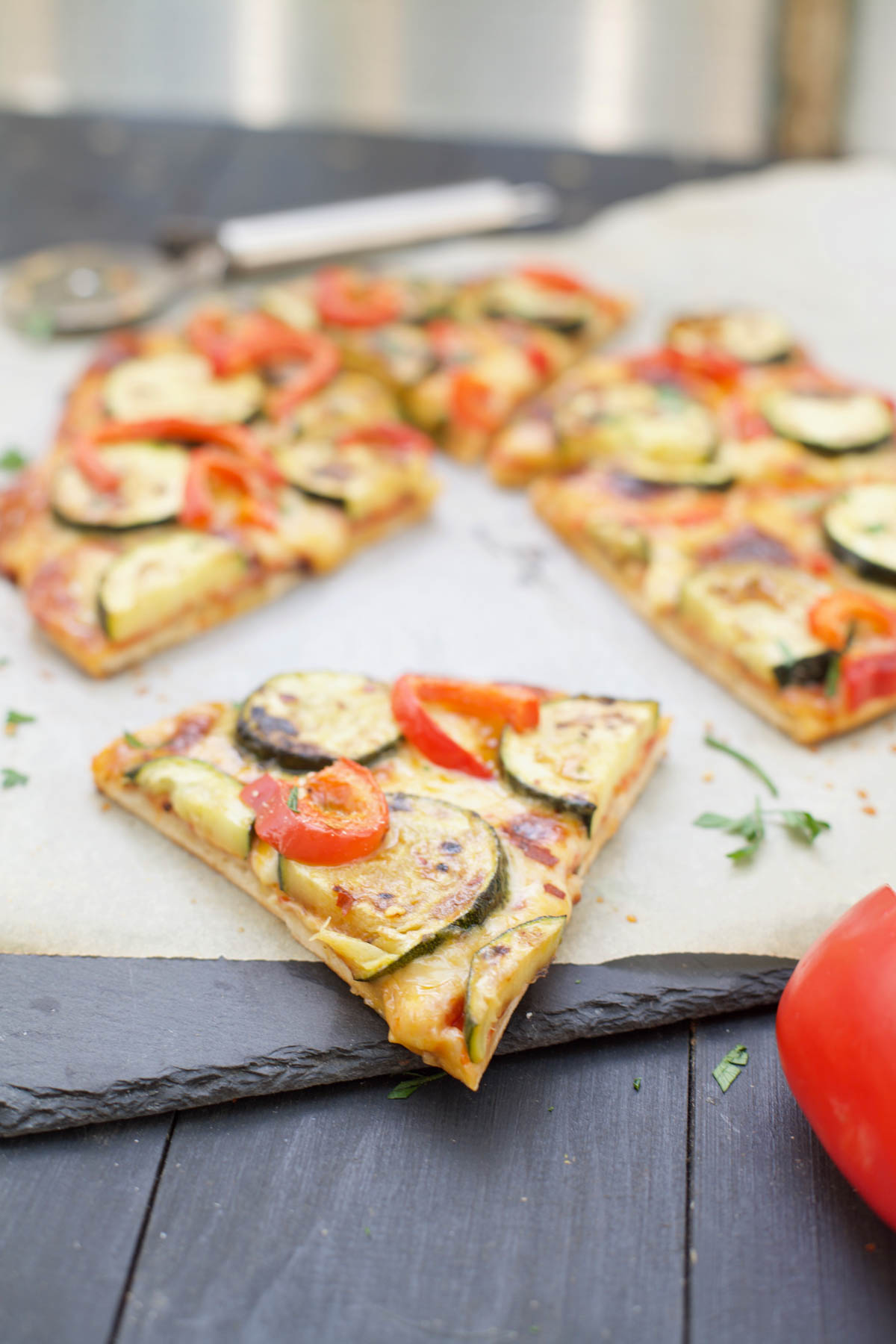
- Marinara, grilled zucchini, bell pepper, and greens — the toppings. Fully customizable, that’s how I like my food!
Why this crust actually holds together
Cauliflower is mostly water, which is exactly why so many cauliflower crusts turn out soggy or crumbly. The psyllium husk is what fixes that here: it absorbs moisture and forms a gel that binds the puree into a workable, sticky dough. The cornstarch and flour add the starch structure that lets the crust firm up in the oven instead of staying wet. And the two-stage bake matters too. You bake the bare crust first so it sets and lightly browns, then add sauce and toppings and finish it. That order keeps the base from going soft under the marinara.
How to make it, step by step
Start by preheating the oven to 200 C and lining a tray with baking paper. Add the cauliflower florets, psyllium husks, olive oil, and salt to a food processor and process on high speed until you have a homogeneous, sticky puree. Add the cornstarch and flour and process again until it comes together into a dough, then add the vegan cheese and pulse just until combined.
Brush the baking paper with a little oil, form the dough into a ball, and roll it out into a pizza circle. Transfer it to the tray and bake for about 7 minutes, until lightly golden. Take it out, spread on the marinara sauce, scatter over the vegan cheese mix, grilled zucchini, and sliced bell pepper, and season with salt and pepper. Return it to the oven for about 7 more minutes, then top with chopped greens and serve.
Tips for getting the crust right
- Process until truly sticky. The puree should be homogeneous and tacky before you add the starch. If it still looks grainy, keep going — that texture is what lets the dough roll out cleanly.
- Roll evenly, not too thin. An even thickness bakes uniformly. Very thin edges will over-brown before the center sets.
- Do not skip the first bake. Baking the bare crust first is what gives you a base that stays sturdy under the toppings instead of going soggy.
- Watch for lightly golden. That color is your doneness cue for the first bake. Golden edges mean the starch has set and the crust will hold.
- Grill the zucchini first. The card grills the zucchini before it goes on, which drives off water so your finished pizza is not watery.
Make it your own
Fully customizable, that’s how I like my food! The zucchini and bell pepper here are a starting point, not a rule. Swap in mushrooms, olives, red onion, or any veggie you love — just cook off wetter vegetables first so they do not release liquid onto the crust. For the cheese, if you want that gooey, melty pull on top, try making your own stretchy vegan mozzarella instead of a store-bought mix. And if you are cooking for a crowd, this crust plays nicely alongside my other vegan pizza recipes.
What to serve with cauliflower pizza
Pizza night rarely stops at one thing on the table. A crisp creamy cauliflower salad keeps the veggie theme going on the side, and a slice of warm vegan cornbread rounds out the meal for hungrier guests. If you would rather build a whole spread of different bases, my gluten-free vegan pizzas give you plenty of variety to mix and match.
How to store and reheat leftovers
Cauliflower crust is at its best fresh from the oven, when the base is still crisp. If you have leftovers, let them cool completely, then store slices in an airtight container in the fridge for up to two or three days. To bring back the crispness, reheat in a hot oven or a dry skillet rather than the microwave, which tends to leave the crust soft. You can also bake the bare crust ahead, cool it, and keep it ready to top and finish when you want pizza fast. If you love this veggie-forward approach, you will find more ideas in my vegan cauliflower recipes.
I hope I have convinced you by now of how amazing this recipe is. The results won’t disappoint you, so gather the ingredients and start right away — then come back and give the recipe a star rating and tell me in the comments how your crust held up and which toppings you piled on. I love hearing which veggie combos you land on!
Cauliflower pizza crust – without dairy!
Ingredients
For the crust:
- ½ head cauliflower florets separated
- 1 cup flour
- 2 Tbsp psyllium husks
- 2 Tbsp olive oil
- 1 tsp sea salt
- 2 Tbsp cornstarch
- ⅓ cup vegan cheese
For the topping:
- ½ cup marinara sauce
- ½ cup vegan cheese mix for pizza
- 1 zucchini sliced and grilled
- ½ bell pepper sliced
- greens for topping
Instructions
- Preheat the oven to 200°C.
- Line a tray with baking paper and set aside.
- Add the cauliflower florets, psyllium husks, olive oil, and salt to a food processor.
- Process on high speed until a homogeneous, sticky puree is formed.
- Add the cornstarch and flour and process again to incorporate the ingredients and form a dough.
- Add the cheese and pulse until just combined.
- Brush the prepared baking paper with a little oil.
- Form a dough ball, then roll it into a pizza circle. Transfer to the prepared baking tray.
- Bake for about 7 minutes, until lightly golden.
- Add the marinara sauce, vegan cheese mix, grilled zucchini, sliced bell pepper, and salt and pepper to taste.
- Return to the oven and bake for about 7 more minutes.
- Top with some chopped greens and serve!
Notes
Frequently Asked Questions
Because the base is built mostly from cauliflower florets instead of a full load of flour, this crust is lighter and lower in carbs than a classic pizza dough. It still uses one cup of flour and a little cornstarch for structure, so it is lower-carb rather than zero-carb. You also get a full serving of vegetables baked right into the base, plus veggie toppings on top.
Yes, this recipe is fully vegan — it uses vegan cheese and marinara, with no eggs, dairy, or other animal products. Whether it is gluten-free depends on the flour you choose. The recipe calls for one cup of flour, so use a gluten-free blend if you need it to be gluten-free, since the psyllium husk and cornstarch handle the binding either way.
The psyllium husks are the key binder here — they absorb moisture and gel to hold the dough together, so do not skip them. Process the cauliflower into a truly sticky, homogeneous puree, and always bake the bare crust first until lightly golden before adding sauce. Grilling the zucchini before it goes on also drives off water so the finished pizza is not wet.
This recipe does not call for squeezing out the cauliflower separately. Instead, it relies on the psyllium husks, flour, and cornstarch to absorb and bind the moisture, plus a two-stage bake that sets and lightly browns the bare crust before the toppings go on. Processing the florets into a proper sticky puree and baking the crust until golden are what keep it sturdy.
Psyllium husk is what gives this crust its stretch and structure, so it is the binder the recipe is built around. If you swap it, expect a different, more fragile result, since psyllium’s gel is doing the heavy lifting of holding the wet cauliflower puree together. For the sturdiest crust, keep the psyllium and make sure the flour and cornstarch are fully worked in.
This version uses marinara, a vegan cheese mix, grilled zucchini, sliced bell pepper, and fresh greens, but the crust is fully customizable. Stick with toppings that are not too watery, or cook off wetter vegetables like mushrooms and zucchini first so they do not release liquid onto the base. A stretchy homemade vegan mozzarella on top gives you that melty, pull-apart finish.


Thanks for this awesome recipe. Two questions, 1) I usually use whole wheat grain flour but do want my pizza crust to be fluffier so was thinking about including husk in it. Do you have any ideas on how much I should use per cup of flour? I worry because I’ve had the experience of too much husk and then it turning out gummy. 2) sometimes I mix the wheat with cauliflower to make the crust. Would you have ideas there on how much husk to use? I could also have just been putting way too much husk before, but seems like 1 cup of flour to 1 tablespoon is standard but wanted to check because I know gluten free flour soak up more water than whole wheat. Thanks!
No need to add psyllium husks to whole wheat pizza. If you want it fluffier, simply let it rise more and make a thicker crust. You can also mix it with cauliflower but again, it doesn’t need husks. Gluten is already a binding agent and this was the purpose of psyllium husks in this recipe.
Super quick and healthy, I love it! I’ll definitely try the recipe again soon!
Thank you!
What is ‘Vegan Cheese’? it is a very loose term…
Here’s my homemade version https://gourmandelle.com/vegan-cream-cheese/ You can also use vegan cream cheese that is store-bought. Any brand you like is fine.
Imi plac retetele tale.
Multumesc mult!