What to Eat When You Have No Appetite: Gentle Vegetarian Meals
If you’re wondering what to eat when you have no appetite, the short answer is: a little, often, and as rich as you can manage. Think small portions every two to three hours, soft foods that need little chewing, cool or room-temperature dishes that don’t smell strongly, and easy calories and protein in every bite: a smoothie with peanut butter, a mug of soup, porridge with tahini stirred in, hummus on soft bread, a spoonful of rice pudding.
Over the years I’ve had many messages from readers asking what to cook for a parent, a partner or a friend going through chemotherapy or a long illness, someone who suddenly doesn’t want food at all. I’m a cook, not a doctor or a dietitian, so this guide is about the kitchen side of things: what tends to go down easily, how to pack more into small portions and how families can help without adding pressure. The medical team always has the last word.
Table of Contents
- Why Appetite Disappears During Illness
- When the Diagnosis Is Cancer
- Gentle Rules for Eating With No Appetite
- High-Calorie, High-Protein Vegetarian Foods
- 12 Gentle Vegetarian Meals for Low-Appetite Days
- How Families Can Help: Cooking for Someone in Treatment
- When to Call the Medical Team
- Eating With No Appetite: Questions
Why Appetite Disappears During Illness
Loss of appetite is one of the most common side effects of serious illness and its treatment. Chemotherapy, radiation and many medications can cause nausea, change how food tastes (often bland, bitter or metallic), dry out the mouth or leave sores that make chewing painful. Add fatigue, pain, constipation and plain worry, and it’s no surprise that a full plate can feel overwhelming.
The goal on these days isn’t a perfect diet. It’s simply getting enough calories, protein and fluids to keep up strength, in whatever form the person can actually manage. That might mean breakfast foods at dinner, the same three dishes on repeat or a milkshake instead of a meal, and that’s fine.
When the Diagnosis Is Cancer
A cancer diagnosis changes a family’s kitchen almost overnight. When someone close to you is diagnosed with lung cancer, the first evenings often go to reading: what the type means, what the stage means, what the squamous cell lung cancer survival rate looks like, trying to picture the months ahead. Food can’t change a diagnosis or a prognosis, and no single ingredient treats cancer. What it can do is help the person keep up their strength and weight through treatment, which is why many oncology teams include a dietitian, and it gives the people around them something concrete and useful to do.
The US National Cancer Institute has a practical, free guide called Eating Hints: Before, During, and After Cancer Treatment, organized by side effect, which is worth printing for the fridge door.
Gentle Rules for Eating With No Appetite
These are the habits that make the biggest difference, based on what cancer organizations recommend and on what readers have told me worked for their families.
- Eat small and often. Six small meals or snacks a day are easier than three big ones. Use small plates and bowls so a portion doesn’t look like a mountain.
- Make every bite count. Stir olive oil, nut butter, tahini or full-fat yogurt into soups, porridge and mash. A tablespoon of olive oil adds about 120 calories without making the portion any bigger.
- Drink between meals, not with them. Liquids fill the stomach quickly, so sip soups, smoothies and water in between and keep mealtime for food.
- Serve food cool or at room temperature when nausea hits. Cold dishes smell less than hot ones. Cook in another room or open a window, and don’t linger over strong cooking smells.
- Keep snacks within reach. A bowl of crackers, a banana or a few dates on the bedside table gets eaten far more often than food in the kitchen.
- Go soft and mild for a sore mouth. Smooth soups, mashed potatoes, porridge, rice pudding and smoothies are kinder than crunchy, acidic or spicy food. A straw can help.
- Work around taste changes. If food tastes metallic, plastic cutlery, a squeeze of lemon (if the mouth isn’t sore) or cold dishes can help. If everything tastes bland, fresh herbs and a little more seasoning do the trick.
- Take food safety seriously. Treatment can weaken the immune system, so wash produce well, reheat leftovers until steaming, skip raw sprouts and unpasteurized dairy and ask the care team whether any other foods should be avoided.
High-Calorie, High-Protein Vegetarian Foods
When someone can only manage a few bites, these foods pack the most in. Values are approximate, from the USDA food database, so you can see which ones carry the load.
| Food | Portion | Calories (approx.) | Protein (approx.) |
|---|---|---|---|
| Peanut butter | 2 tbsp (32 g) | 190 | 7 g |
| Firm tofu | ½ cup (125 g) | 180 | 20 g |
| Lentils, cooked | 1 cup (200 g) | 230 | 18 g |
| Greek yogurt, full-fat | ¾ cup (170 g) | 165 | 15 g |
| Whole milk | 1 cup (240 ml) | 150 | 8 g |
| Hummus | ¼ cup (60 g) | 100 | 5 g |
| Egg | 1 large | 72 | 6 g |
| Avocado | ½ fruit | 120 | 1.5 g |
| Olive oil | 1 tbsp | 120 | 0 g |
| Tahini | 1 tbsp (15 g) | 90 | 2.6 g |
| Dates | 3 (24 g) | 70 | 0.6 g |
I lean on tofu, beans and lentils a lot for protein; my guide to proteins in the vegan diet has more easy sources, and if you want to know which tofu to buy for soft, silky dishes, see my guide to the types of tofu.
12 Gentle Vegetarian Meals for Low-Appetite Days
Here are twelve of my recipes that suit days when eating is hard, three for each kind of craving. Serve half portions and keep the rest in the fridge or freezer.
Soups

A clear noodle soup with vegetables, the bowl I'd bring to anyone feeling unwell; easy to sip from a mug.
Get the recipe
Creamy Carrot Soup with Ginger
Smooth, mild and slightly sweet, with a little ginger, which many people find settling.
Get the recipe
Soft rice in a lemony broth; gentle on the stomach and good at room temperature too.
Get the recipeSmoothies and Cold Things
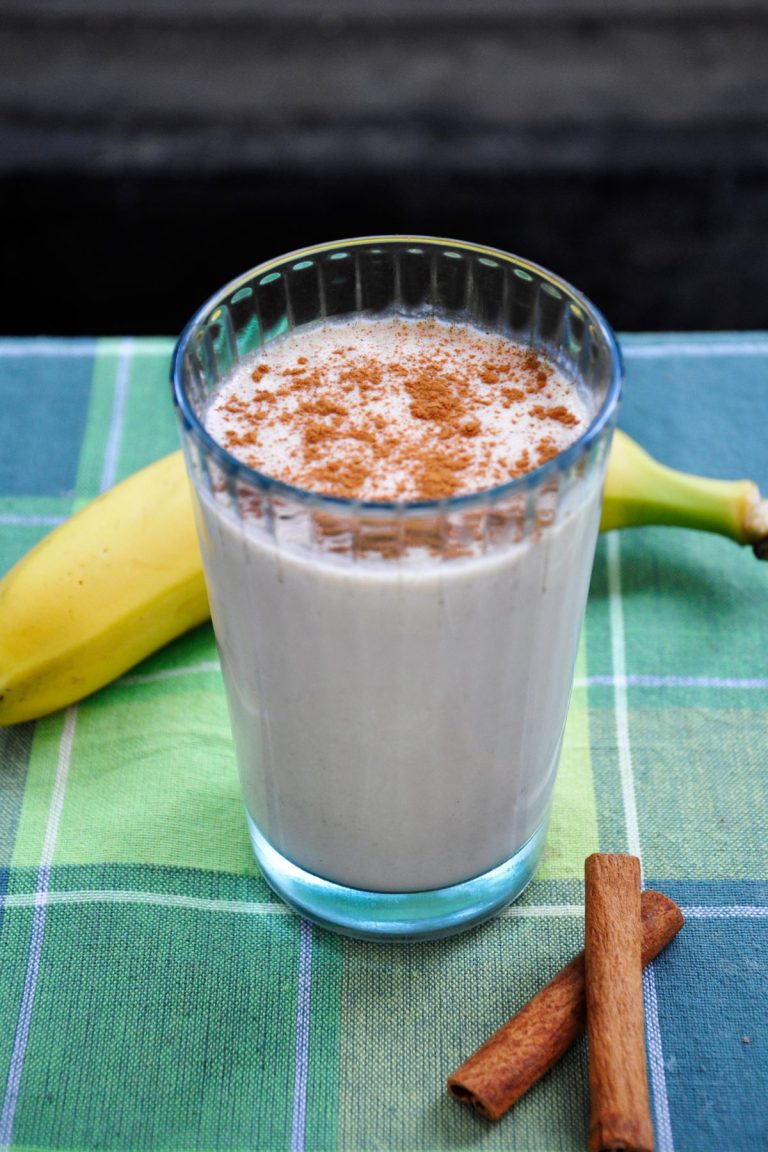
Banana, peanut butter and milk blended into a drink with real calories, for days when chewing feels like work.
Get the recipe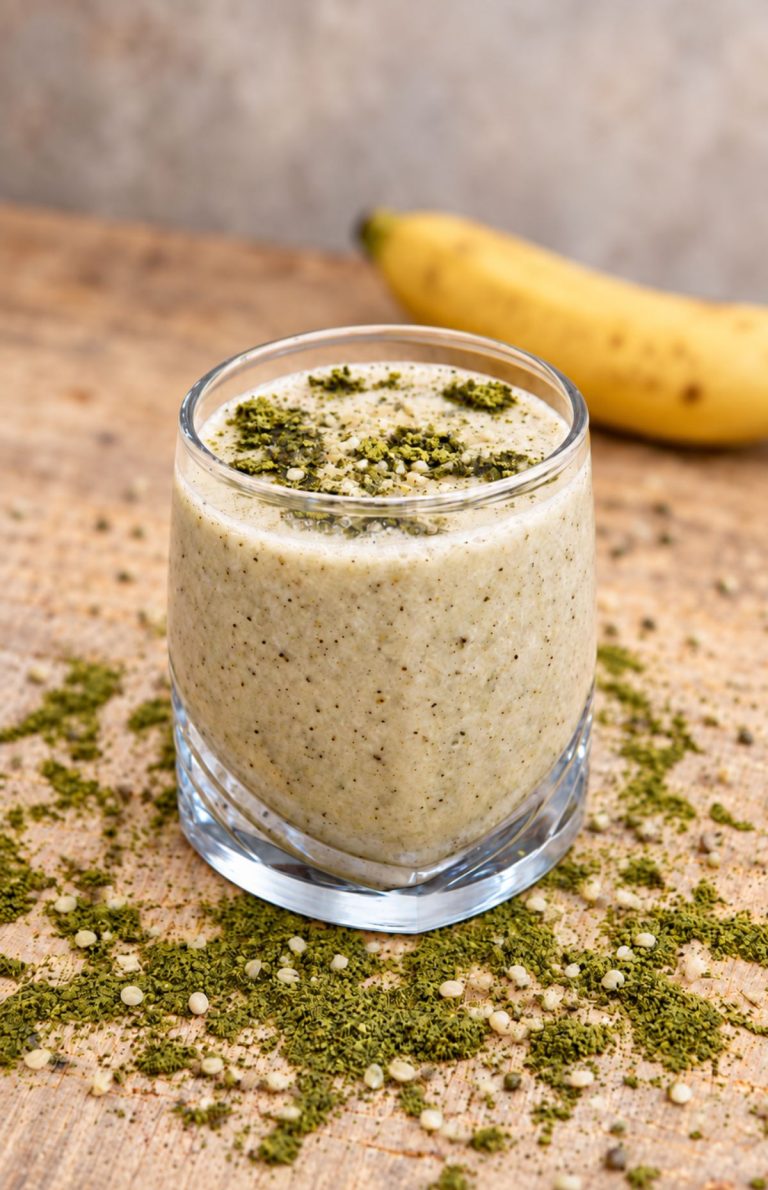
Hemp seeds add protein without powders; blend it thinner and sip it slowly through a straw.
Get the recipe
Three ingredients and five minutes; something cold to hold when nothing else sounds good.
Get the recipeSoft, Small Meals
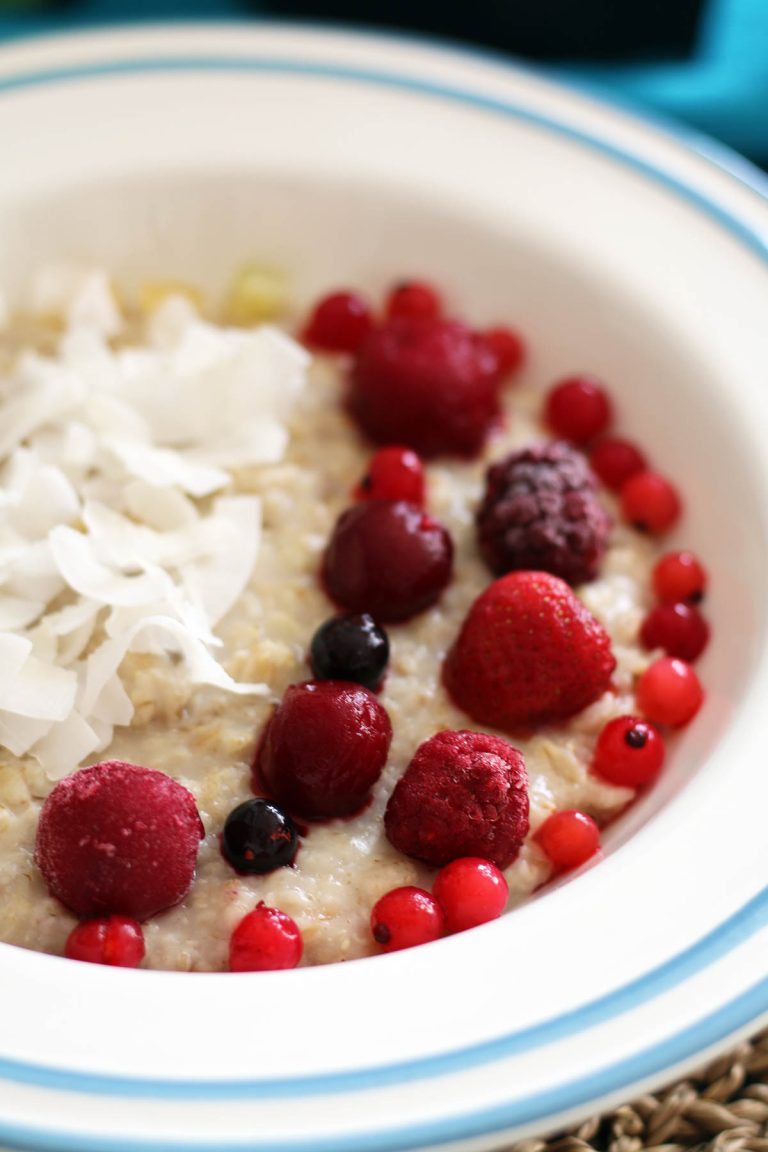
Creamy oats you can make thicker or thinner; stir in nut butter or tahini for extra calories.
Get the recipe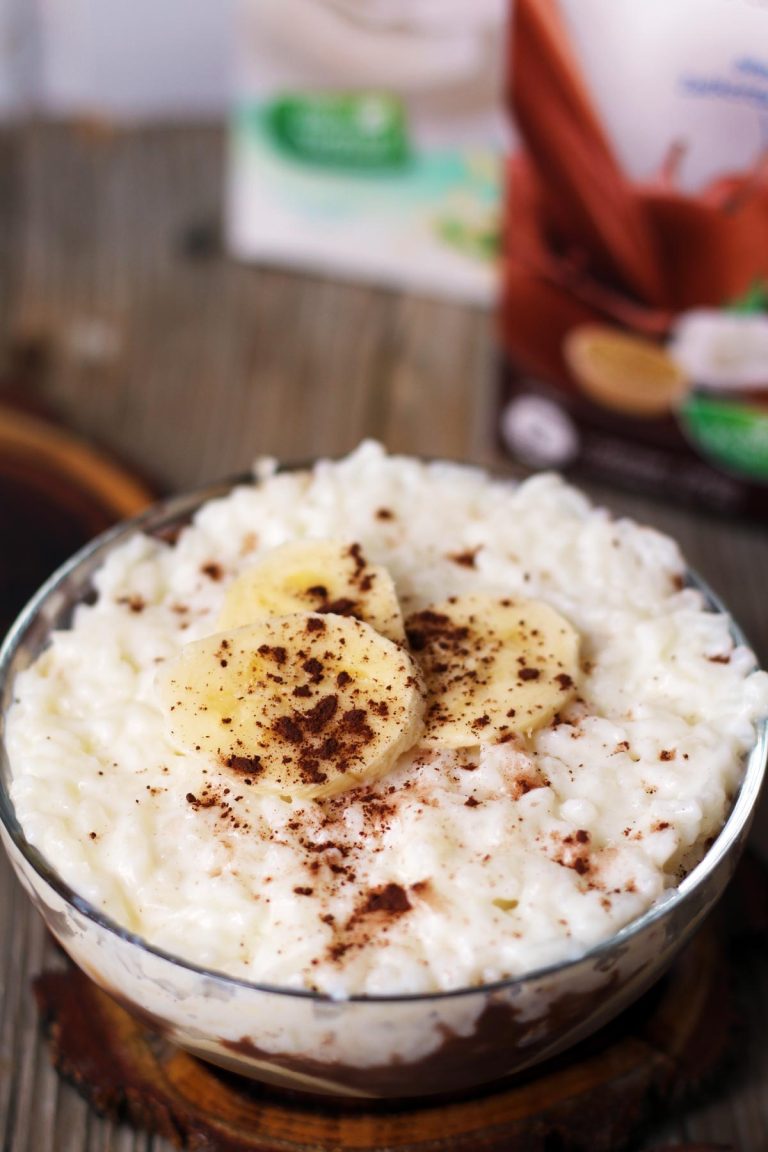

Fluffy mash with gentle toppings; serve a small bowl rather than a full plate.
Get the recipeFreezer Meals

Bake it, cut it into small squares and freeze them one by one for easy single portions.
Get the recipe
Soft muffins that freeze well and thaw on the counter in an hour; good with a cup of tea.
Get the recipe
Oats, hemp seeds and almonds baked into squares that reheat in a minute.
Get the recipeFor more ideas, browse my clear soup recipes, these vegan pudding recipes and my nutrient-dense vegetarian recipes for seniors, which are soft, protein-rich and easy to portion.
How Families Can Help: Cooking for Someone in Treatment
When someone we love is ill, food is often the one thing we feel we can do. A few things make that help easier to receive.
- Ask before you cook. Taste and smell changes are very personal. A quick “what sounds good this week, and what can’t you face?” saves a lot of wasted lasagna.
- Cook small and label everything. Freeze single portions in containers with the name of the dish, the date and reheating instructions. My guide on how to organize a vegetarian meal prep using labels shows how I do it.
- Organize a meal train. One person keeps a shared calendar so meals arrive two or three times a week, not five on Monday and none after. Gentle, freezer-friendly dishes work best: soups, baked oatmeal, muffins, pasta bakes. My dinner meal prep recipes have plenty that freeze well.
- Drop off, don’t stay. Leave food at the door with a short note unless you’ve been invited in. Rest matters as much as food.
- Stock the pantry, not just the fridge. Crackers, broth, oats, nut butter, applesauce, ginger tea, shelf-stable plant milk and frozen fruit for smoothies are all useful on days when nobody can cook.
- Never push. “Just one more bite” turns meals into a battle. Offer, leave it nearby and let it go.
When to Call the Medical Team
Appetite loss is common, but some signs mean it’s time to call the doctor or nurse rather than try another recipe: losing weight without trying, being unable to keep liquids down for a day, signs of dehydration such as dizziness or very dark urine, mouth sores that make eating impossible, or vomiting and diarrhea that don’t settle. Many cancer centers have dietitians who can suggest nutrition drinks or other support, so it’s always worth asking. The American Cancer Society also has a helpful page on managing poor appetite.

Eating With No Appetite: Questions
Small, frequent portions of soft, mild foods that are rich in calories and protein: smoothies, soups, porridge, yogurt, hummus, mashed potatoes, eggs, tofu and nut butters. Cool or room-temperature dishes are often easier because they smell less. Drinks such as smoothies and milk count too.
Add calories without adding volume: stir olive oil, nut butter, tahini or full-fat yogurt into soups, porridge and mash, blend nut butter and banana into smoothies, and keep snacks like dates and crackers within reach. Drinking between meals instead of with them leaves more room for food.
Many people find soft, bland foods easiest: broth-based soups, rice, porridge, toast, bananas, applesauce, yogurt, smoothies and popsicles. What works changes from day to day and from person to person, so the care team and a dietitian are the best guides for specific side effects.
Ask first, then bring small, labeled, freezer-friendly portions such as soup, baked oatmeal, muffins or a pasta bake, plus pantry staples like crackers, broth and ginger tea. Drop it off without expecting a visit, unless you’re invited in.
Call the medical team if someone is losing weight without trying, can’t keep liquids down for a day, shows signs of dehydration, or has mouth sores, vomiting or diarrhea that stop them from eating. These can usually be helped, so it’s worth asking early.
This article is for general information and doesn’t replace advice from a doctor, nurse or registered dietitian. Always follow the guidance of the medical team, especially during cancer treatment.