Miso paste is a fermented soybean seasoning that adds deep, salty umami to soups, glazes, dressings and noodles, all without a scrap of meat. This magical Japanese ingredient is far more versatile than miso soup alone, working in everything from ramen to roasted vegetables and even desserts. Below you will find 21 inspiring ways to cook with miso, mixing Ruxandra’s own tried-and-true recipes with a few favorites from around the web. Whisk it in off the heat and get ready to be amazed.
How to Choose and Cook with Miso Paste
To cook with miso paste, whisk it into warm rather than boiling liquid at the very end so its probiotics and delicate aroma survive. Choose white (shiro) miso for mild, sweet dressings, glazes and creamy soups, and red (aka) miso for bold stews, ramen and marinades; the two are interchangeable if you adjust the amount to taste. Blend miso before adding oil so dressings stay smooth instead of separating. Beyond soup, reach for it in noodle sauces, tofu glazes, miso butter and even caramel, where a single spoonful deepens both savory and sweet dishes at once.
Jump to a category
Miso Soups and Umami Broths
Miso is the ultimate umami booster for soups, so start here with brothy bowls where a single spoonful does the heavy lifting.
Vegan Miso Soup
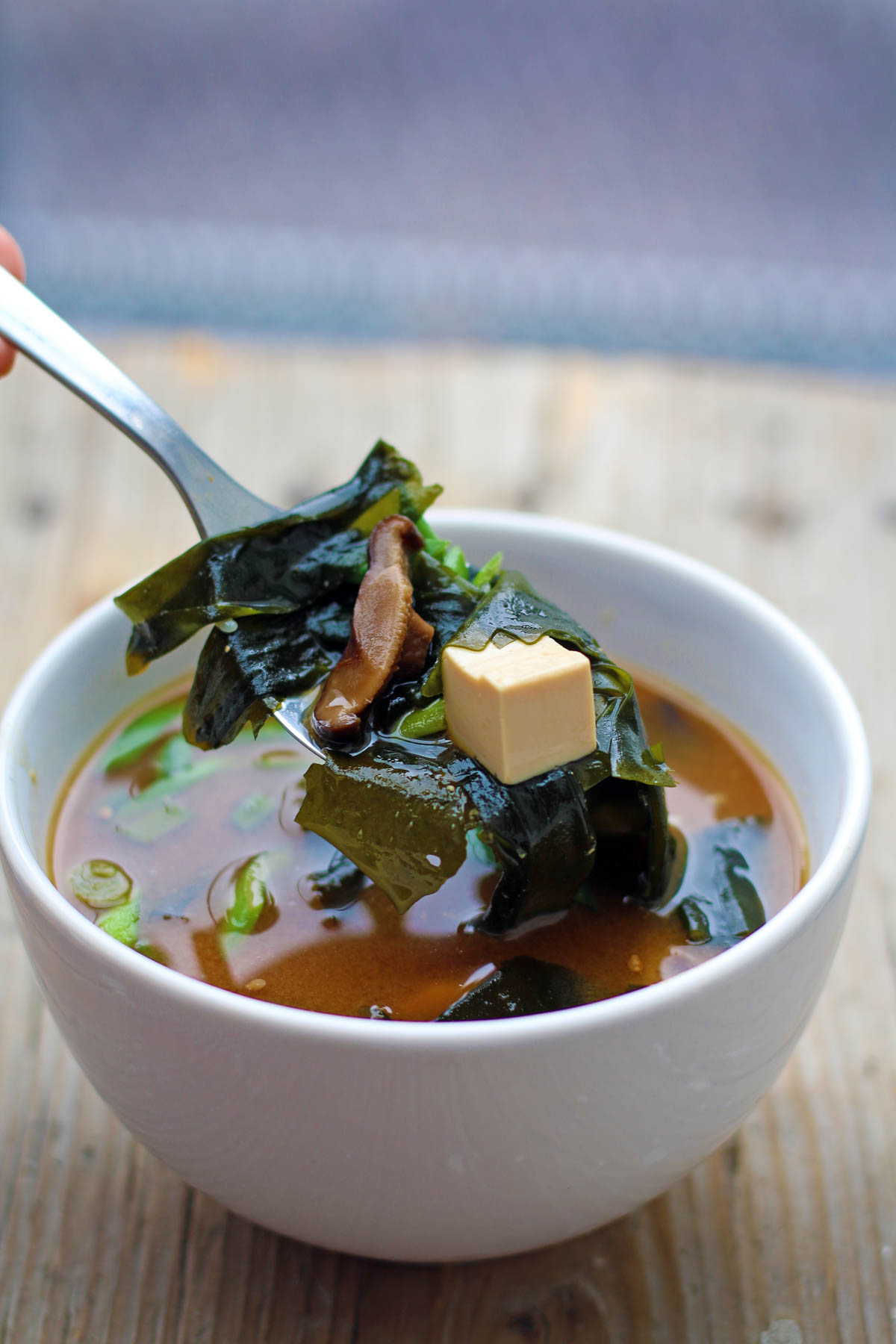
This is the classic that started it all: a clear dashi-style broth swirled with miso, silky tofu cubes and ribbons of wakame seaweed. It comes together in about fifteen minutes and tastes soothing at any time of day. Stir the miso in off the heat so its good bacteria and gentle aroma stay perfectly intact.
Get the recipe
Vegan Udon Soup
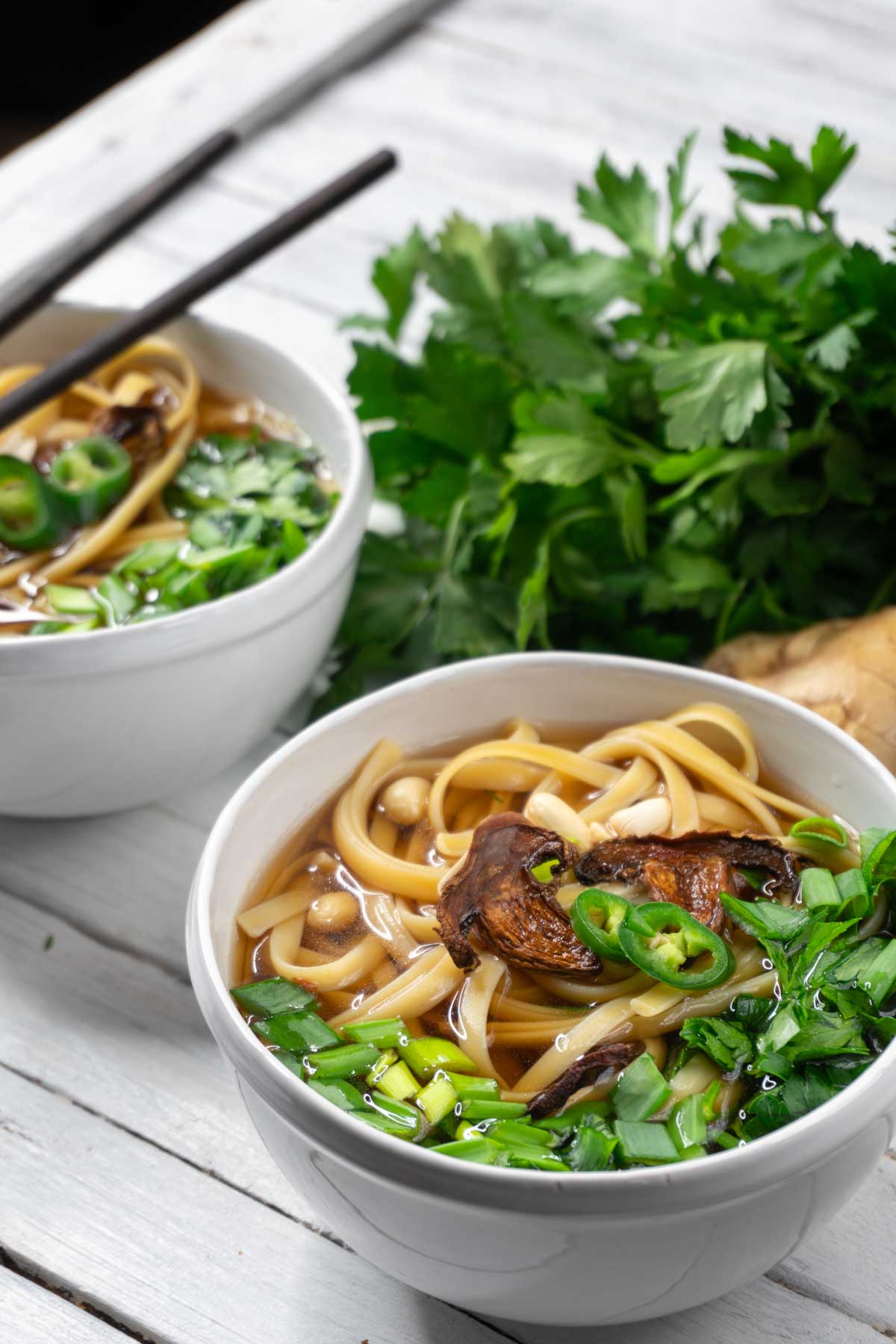
Thick, chewy udon noodles swim in a savory kombu and shiitake broth loaded with greens and tofu. It is pure comfort in a bowl and endlessly customizable with whatever vegetables you have on hand. Whisk a spoon of white miso into the warm broth just before serving for extra depth that never overpowers the noodles.
Get the recipe
Asian Mushroom Soup
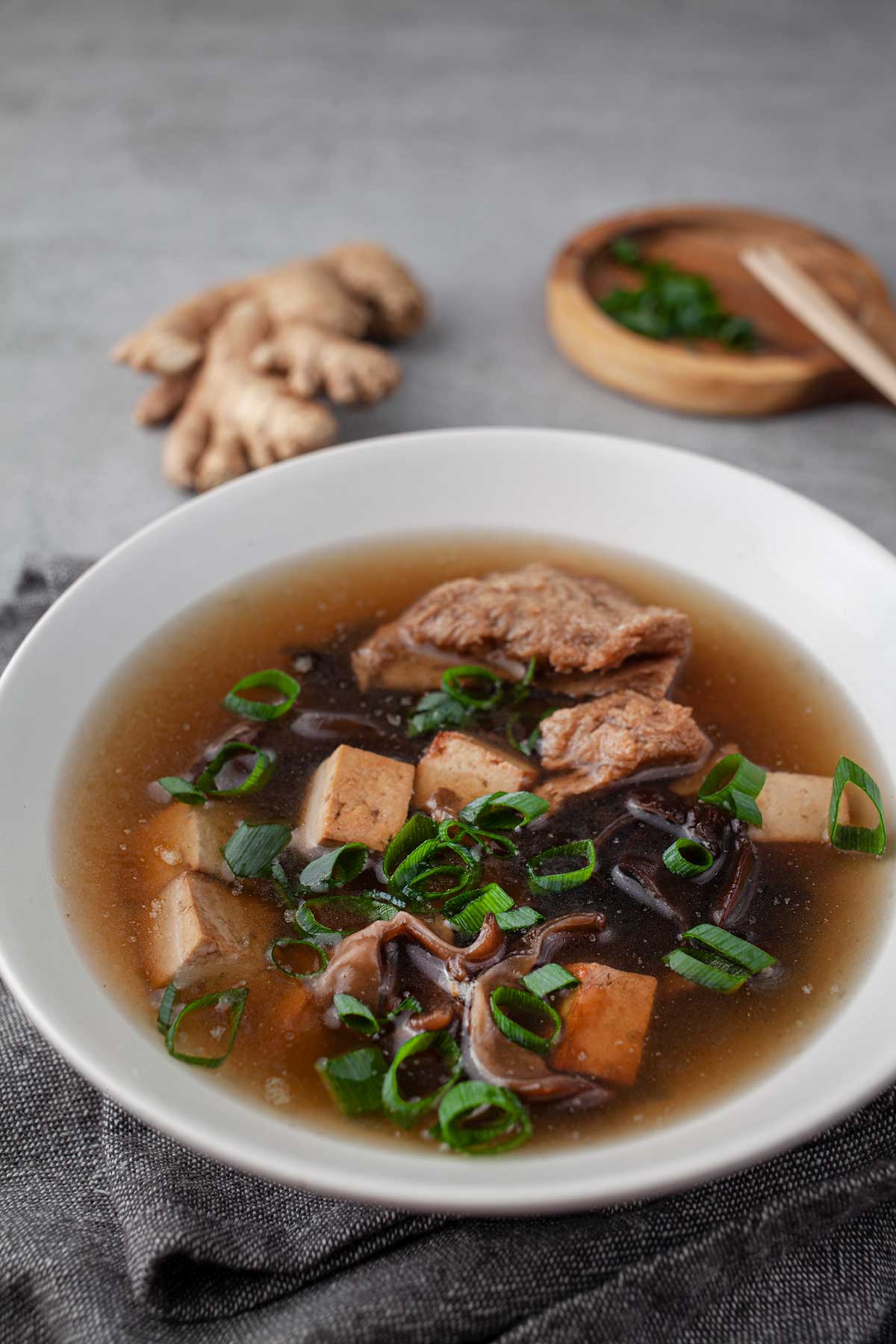
Earthy mushrooms, fresh ginger and a splash of soy build a one-pot broth that tastes like it simmered for hours. It is light yet deeply savory, ideal as a starter or a low-effort weeknight dinner. Finish each bowl with a dab of red miso dissolved in a ladle of warm broth to round out the flavor.
Get the recipe
Vegetarian Hot and Sour Soup
Tangy rice vinegar, warming white pepper and silky tofu make this takeout favorite better than delivery. Shredded mushrooms and bamboo give it satisfying texture in every spoonful. Add a teaspoon of miso alongside the vinegar to deepen the sour-savory balance, and thicken gently with cornstarch for that signature glossy broth.
Get the recipe
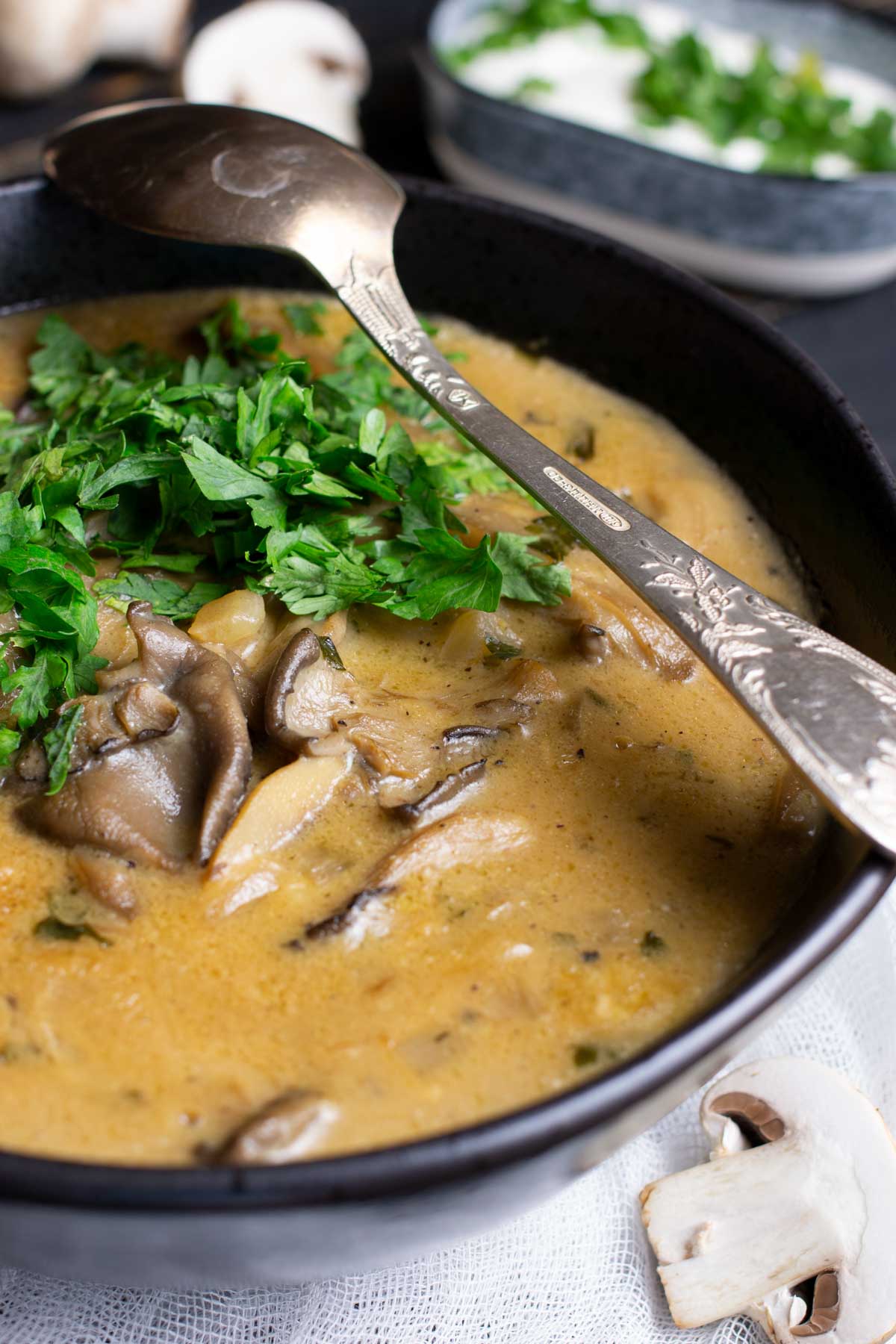
Mixed Mushroom Soup
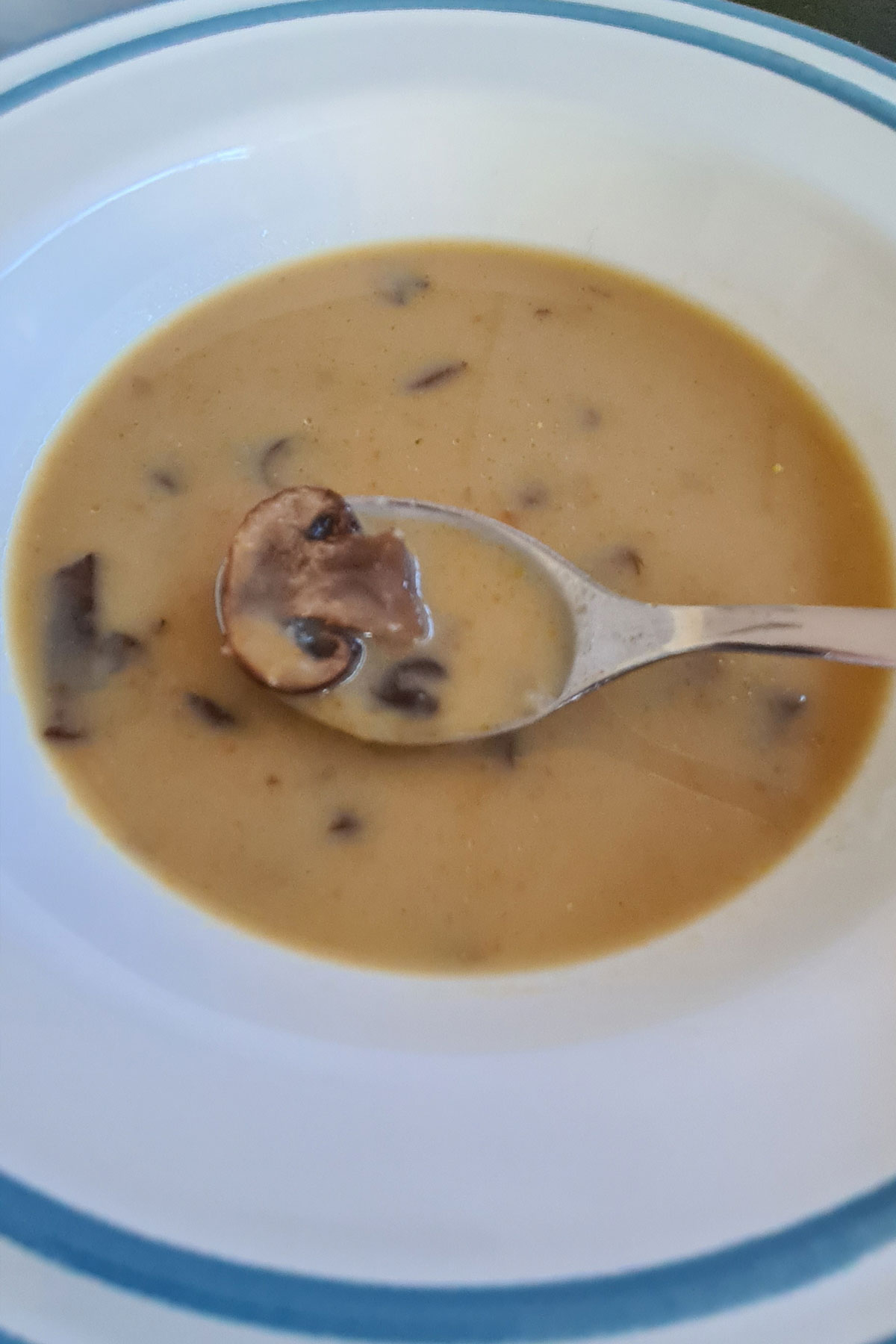
A trio of mushrooms simmered until velvety gives this creamy soup an intense, woodsy flavor with no cream required. It feels restaurant-worthy yet relies on humble pantry staples. Stir in a spoonful of miso at the end for a savory backbone, and reserve a few sauteed mushroom slices to garnish each bowl.
Get the recipe
Sweet Potato Soup with Ginger
Naturally sweet roasted sweet potato meets zippy fresh ginger in a velvety, warming bowl that feels like a hug. It is dairy-free yet luxuriously creamy thanks to a good blend. A spoon of white miso balances the sweetness with gentle salt, so whisk it in after blending while the soup is warm but no longer boiling.
Get the recipe
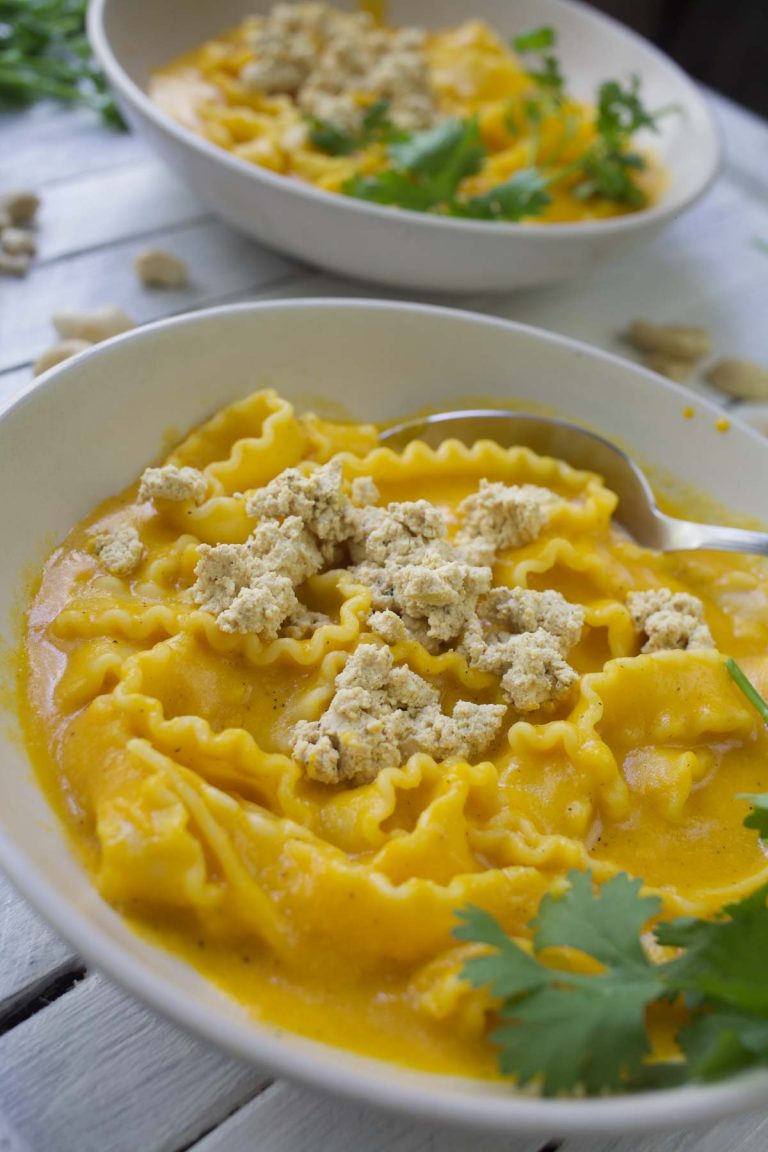
Butternut Squash Soup
Silky roasted butternut squash turns into a golden, subtly sweet soup that screams cozy autumn evenings. Warming spices and a swirl of coconut milk make it feel indulgent. Miso is a natural partner for squash, so stir a spoonful through at the end and top with toasted pumpkin seeds for a little crunch.
Get the recipe
Ramen, Noodles and Miso Pasta
Miso is an instant umami upgrade for anything slurpable, from ramen to soba to a quick weeknight pasta.
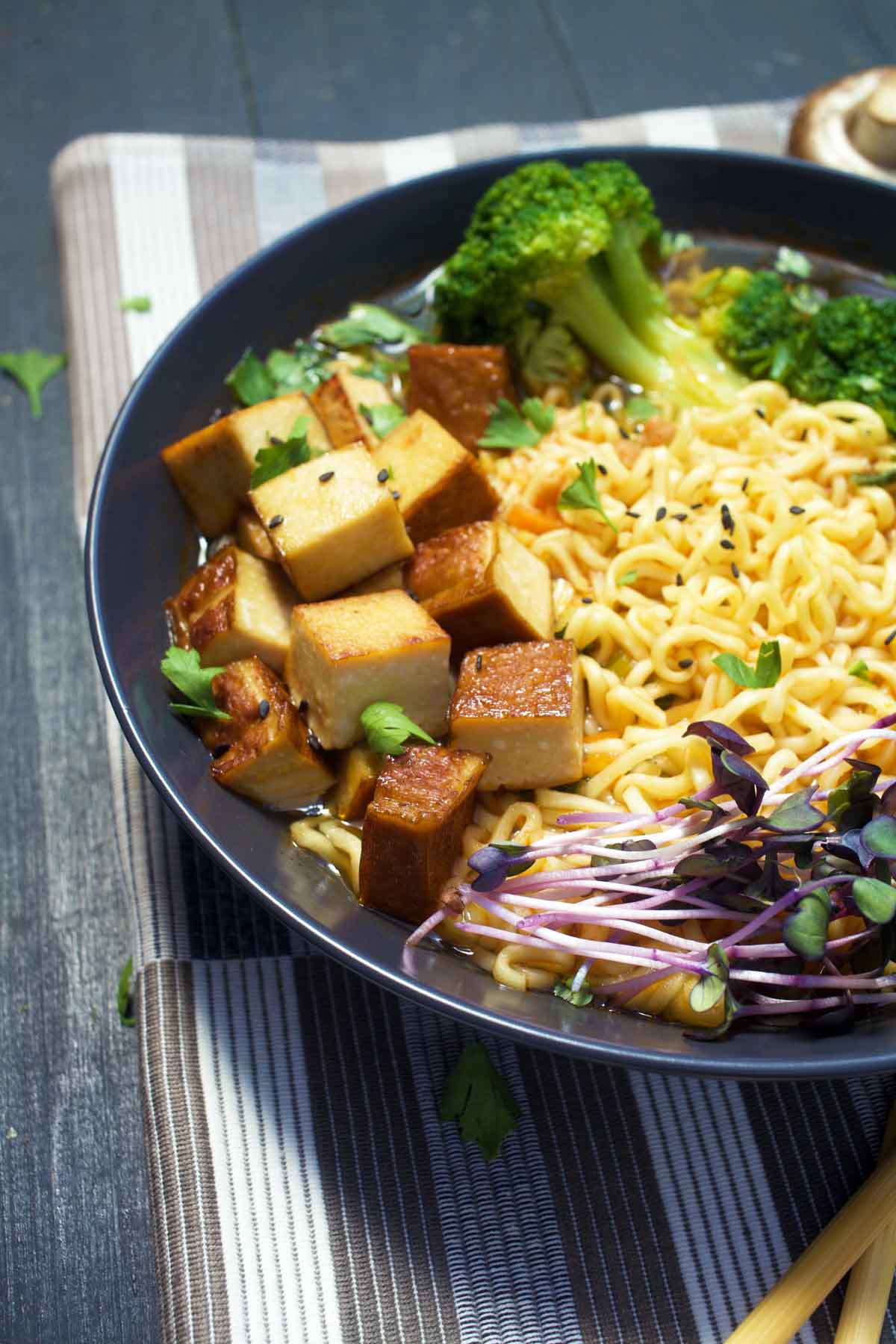
Vegan Ramen
A steaming bowl of springy noodles in a rich, savory broth crowned with tofu, corn and scallions is the ultimate cold-weather meal. This vegan version skips the meat but keeps all the soul-warming depth. Turn it into miso ramen by whisking two tablespoons of red miso into the broth off the heat for that unmistakable nutty base.
Get the recipe
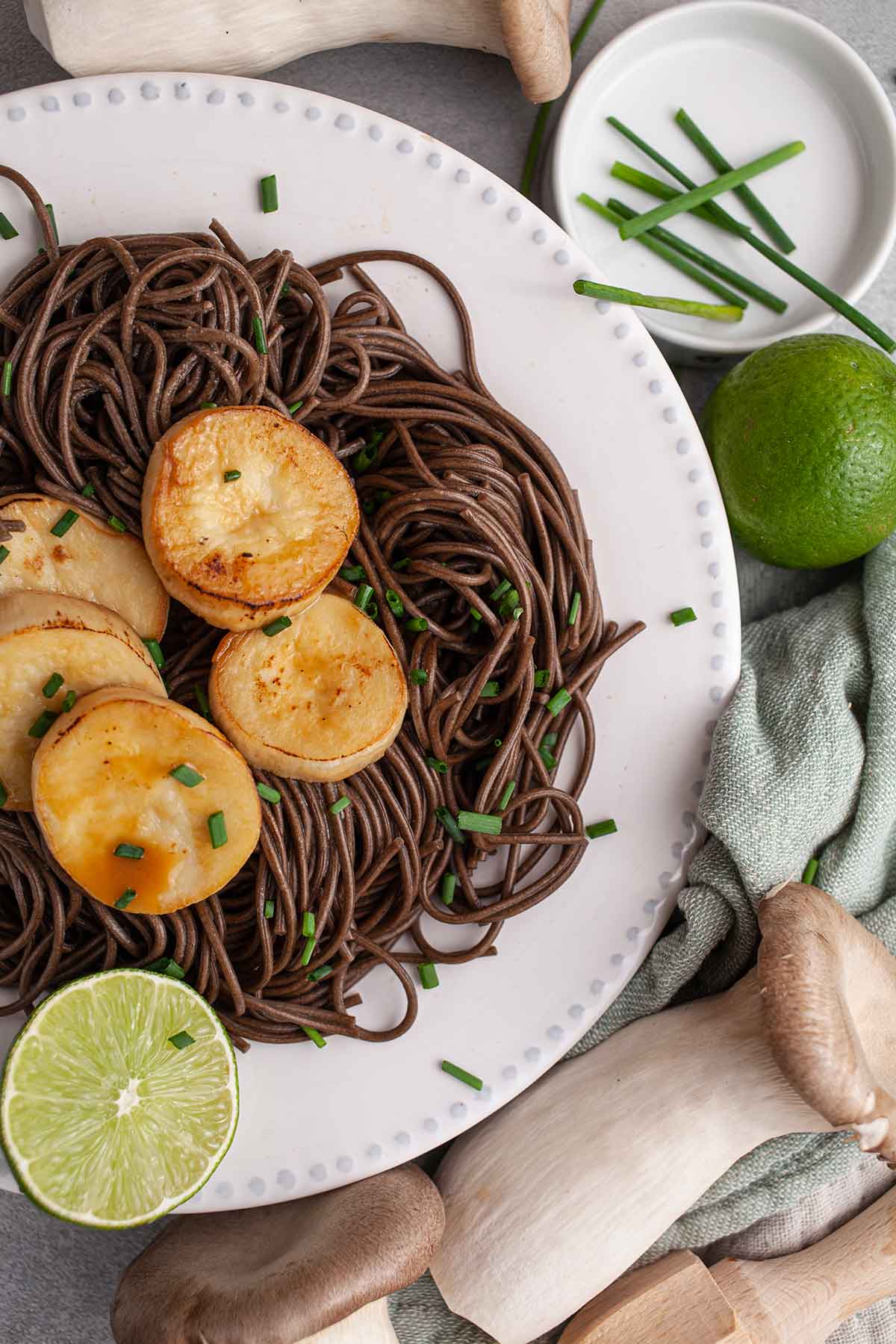
Soba Noodles with Mushrooms and Miso-Lime Sauce
Nutty buckwheat soba noodles get tossed with meaty mushrooms and a bright miso-lime sauce that hits salty, sour and savory all at once. It works warm or chilled, making it a brilliant make-ahead lunch. Cook the soba just until tender, then rinse under cold water so the strands stay separate and springy.
Get the recipe
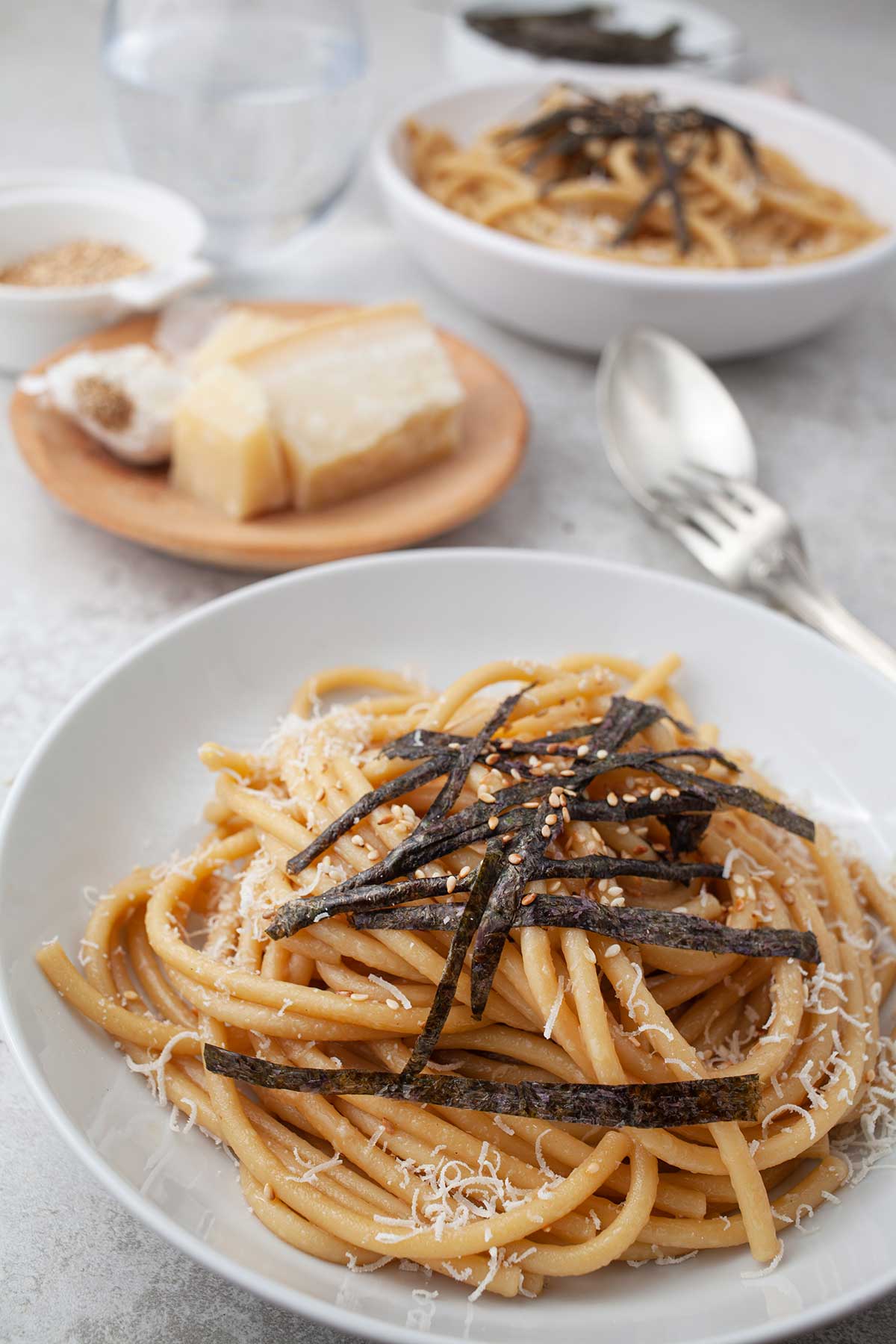
Miso Pasta
Creamy, buttery and deeply savory, this fusion pasta proves miso belongs far beyond Japanese cooking. A glossy miso-butter sauce clings to every strand for a fifteen-minute dinner that feels far more impressive than it is. Reserve a splash of starchy pasta water and emulsify it with the miso off the heat so the sauce turns silky, never grainy.
Get the recipe
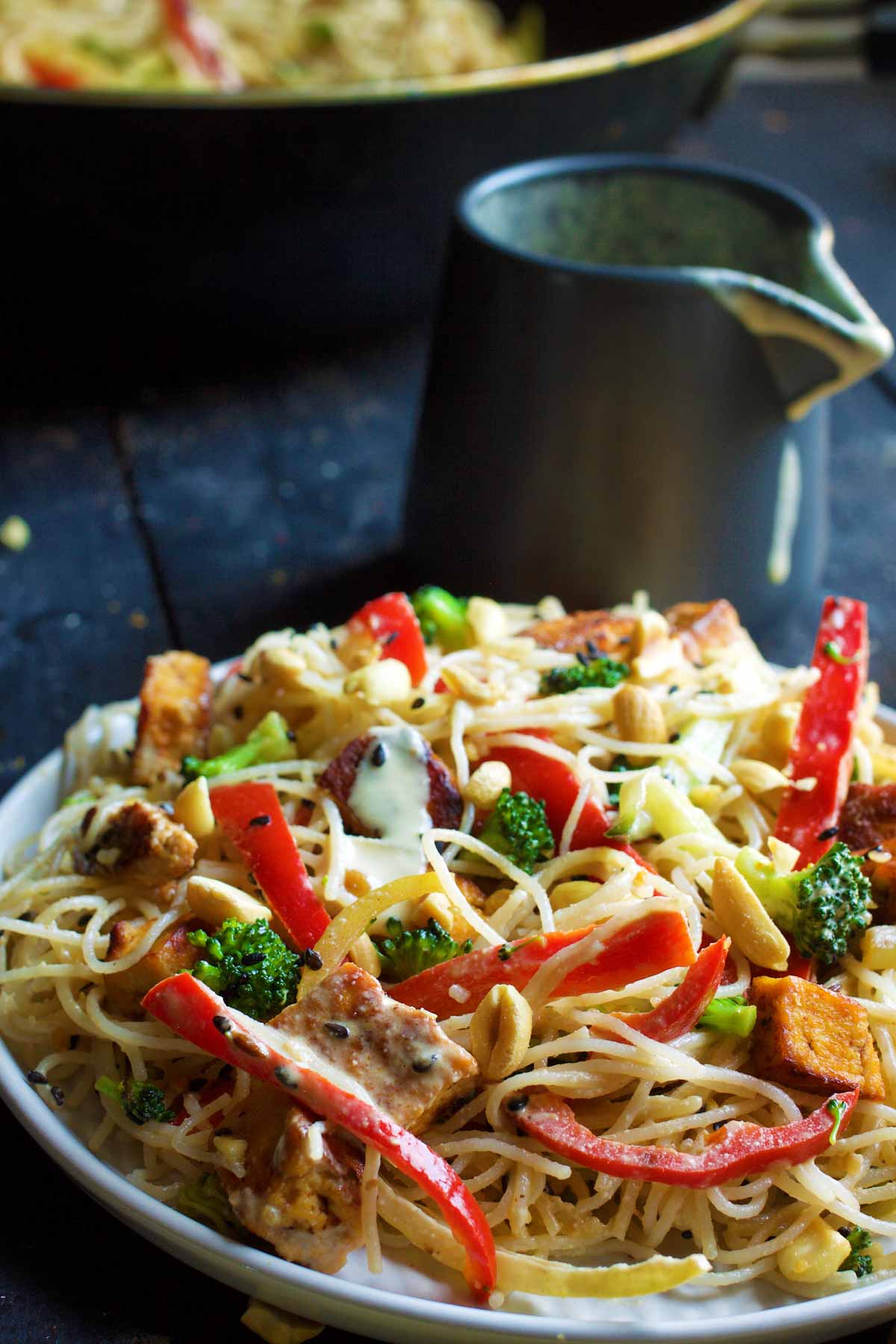
Thai Peanut Noodles
Slurpable noodles coated in a creamy peanut sauce with lime, garlic and a hint of chili heat come together faster than takeout arrives. They are crowd-pleasing and easily made gluten-free. Whisk a teaspoon of miso into the peanut sauce for a savory depth that beautifully balances the natural sweetness of the peanut butter.
Get the recipe
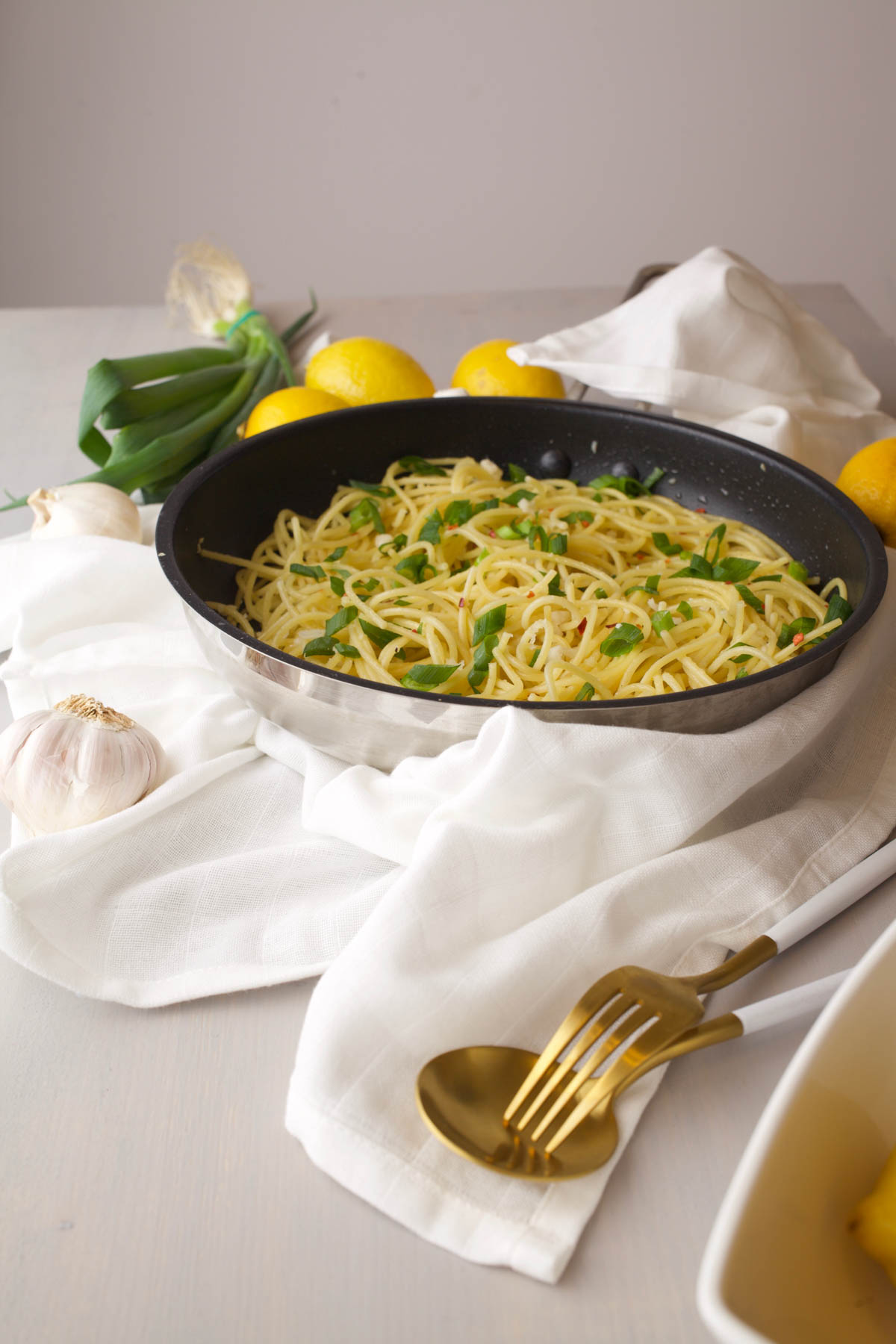
Vegan Garlic Noodles
Garlicky, buttery and glossy, these noodles deliver maximum flavor from a handful of pantry staples in under twenty minutes. They make an addictive side or a fast solo dinner. Add a spoonful of white miso to the garlic butter for an umami hit that makes the whole sauce taste slow-cooked.
Get the recipe
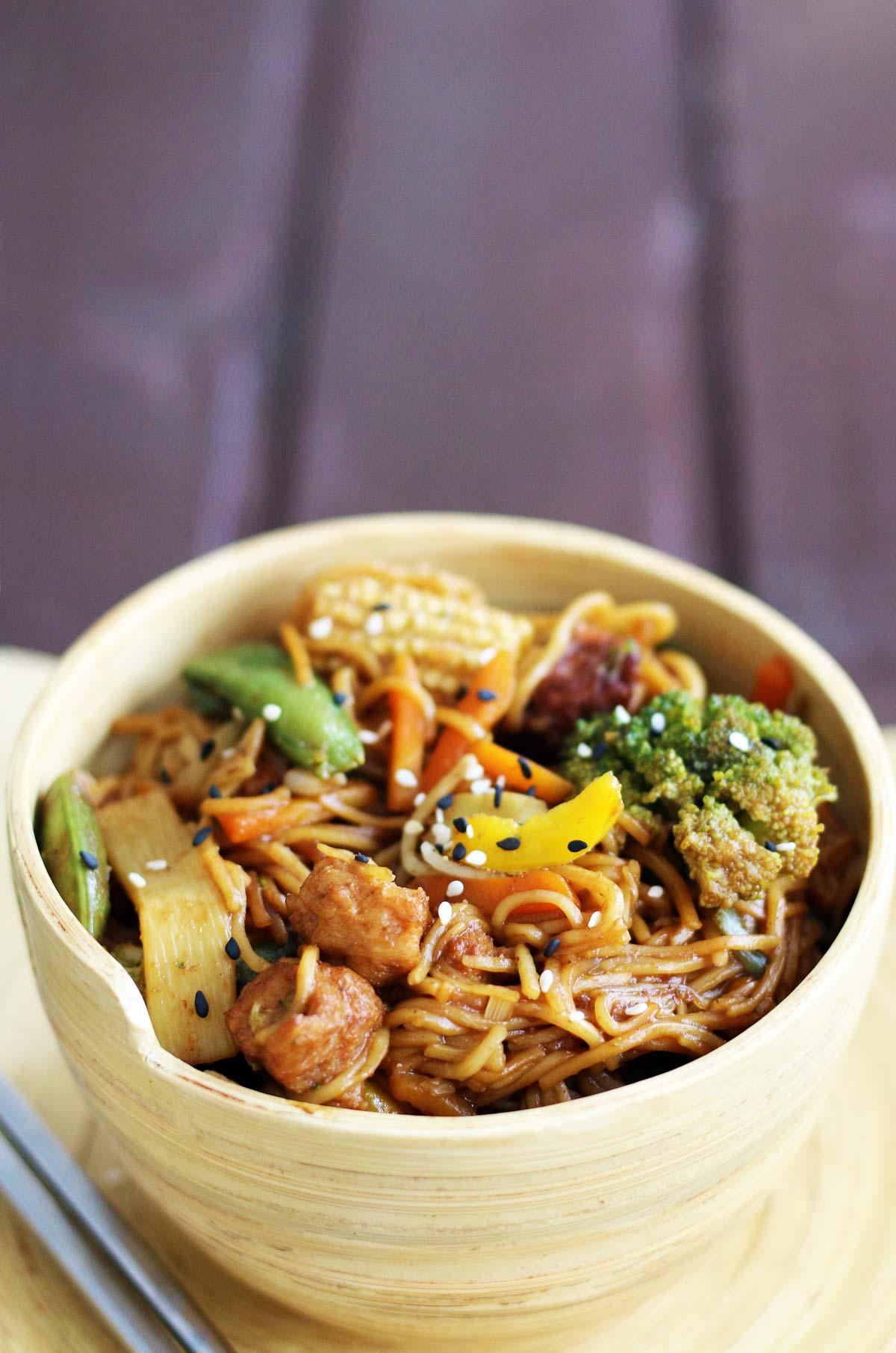
Vegan Stir-Fry with “Chicken” and Noodles
Crispy soy curls, crunchy vegetables and chewy noodles come together in a glossy, savory stir-fry that beats any takeout box. It is fast, filling and endlessly adaptable to whatever produce is in the fridge. Stir a spoonful of miso into the sauce for a deeper savory glaze, and cook over high heat so everything stays crisp.
Get the recipe
Miso Glazes, Stir-Fries and Tofu Mains
From sticky glazes to roasted vegetables, miso caramelizes beautifully and turns tofu and greens into savory stars.
5 Best Easy Stir-Fry Sauces
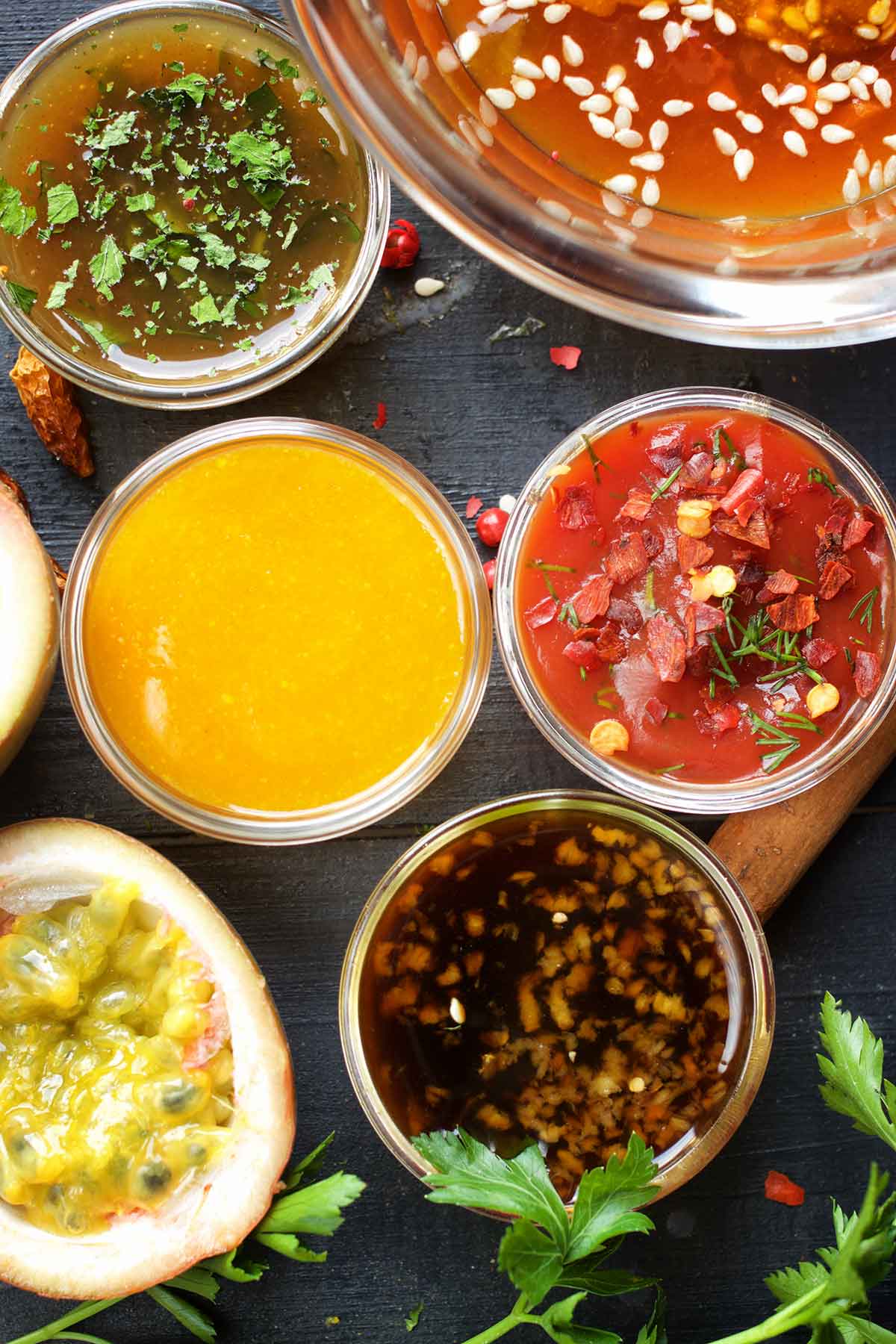
Five make-ahead sauces mean a delicious stir-fry is never more than a whisk away, from garlic-ginger to sweet chili. Each one keeps in the fridge so weeknight dinners practically cook themselves. Add a spoonful of miso to any of them for instant umami depth, and store each sauce in a labeled jar for grab-and-go ease.
Get the recipe
Sticky Asian Garlic Tofu
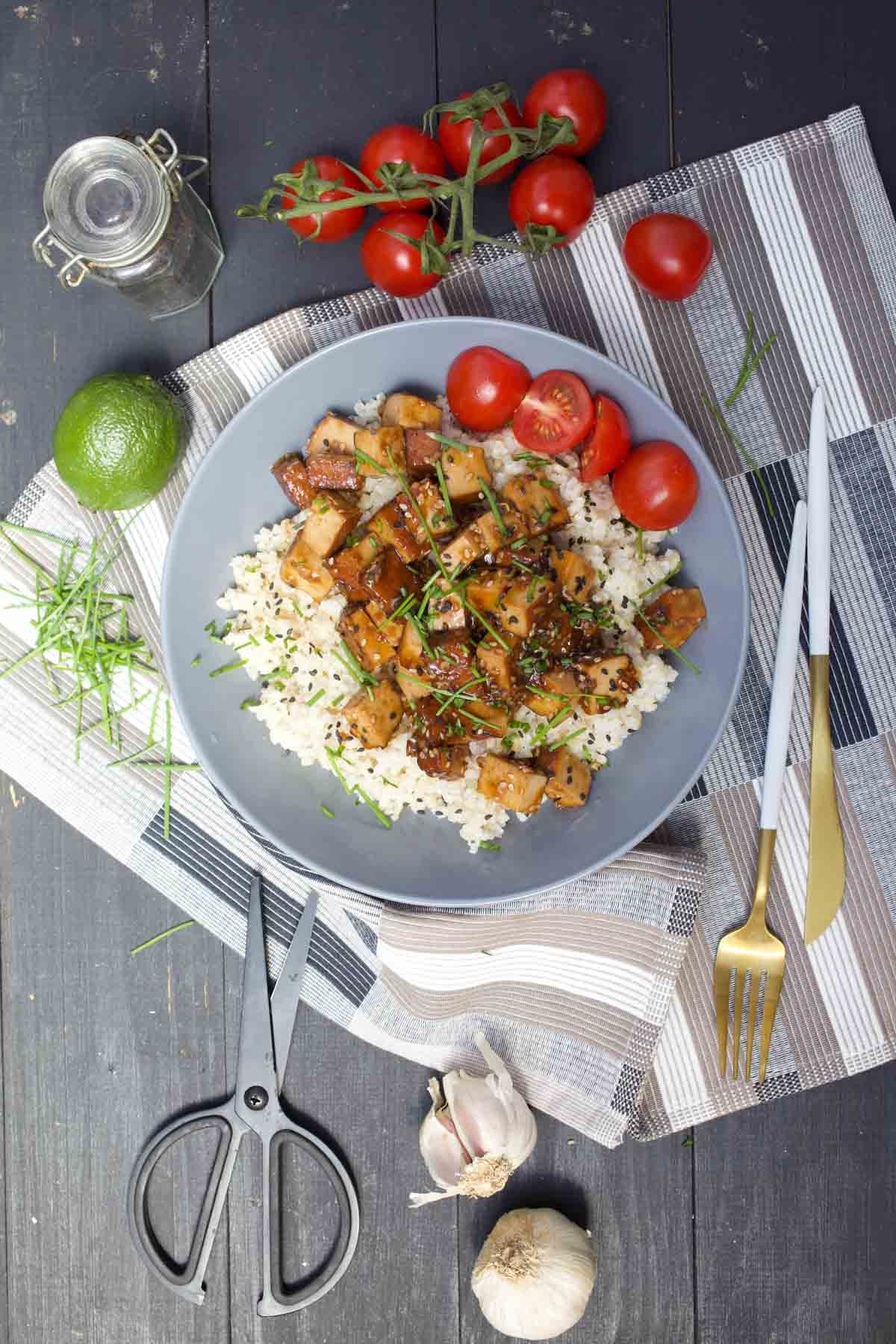
Crispy golden tofu cubes tossed in a glossy, sticky garlic sauce hit every craving for something sweet, salty and savory. Served over rice, it is a weeknight hero the whole table loves. Press the tofu well before frying so it crisps properly, and stir a little miso into the sauce for a richer, rounder glaze.
Get the recipe
Vegan Mapo Tofu
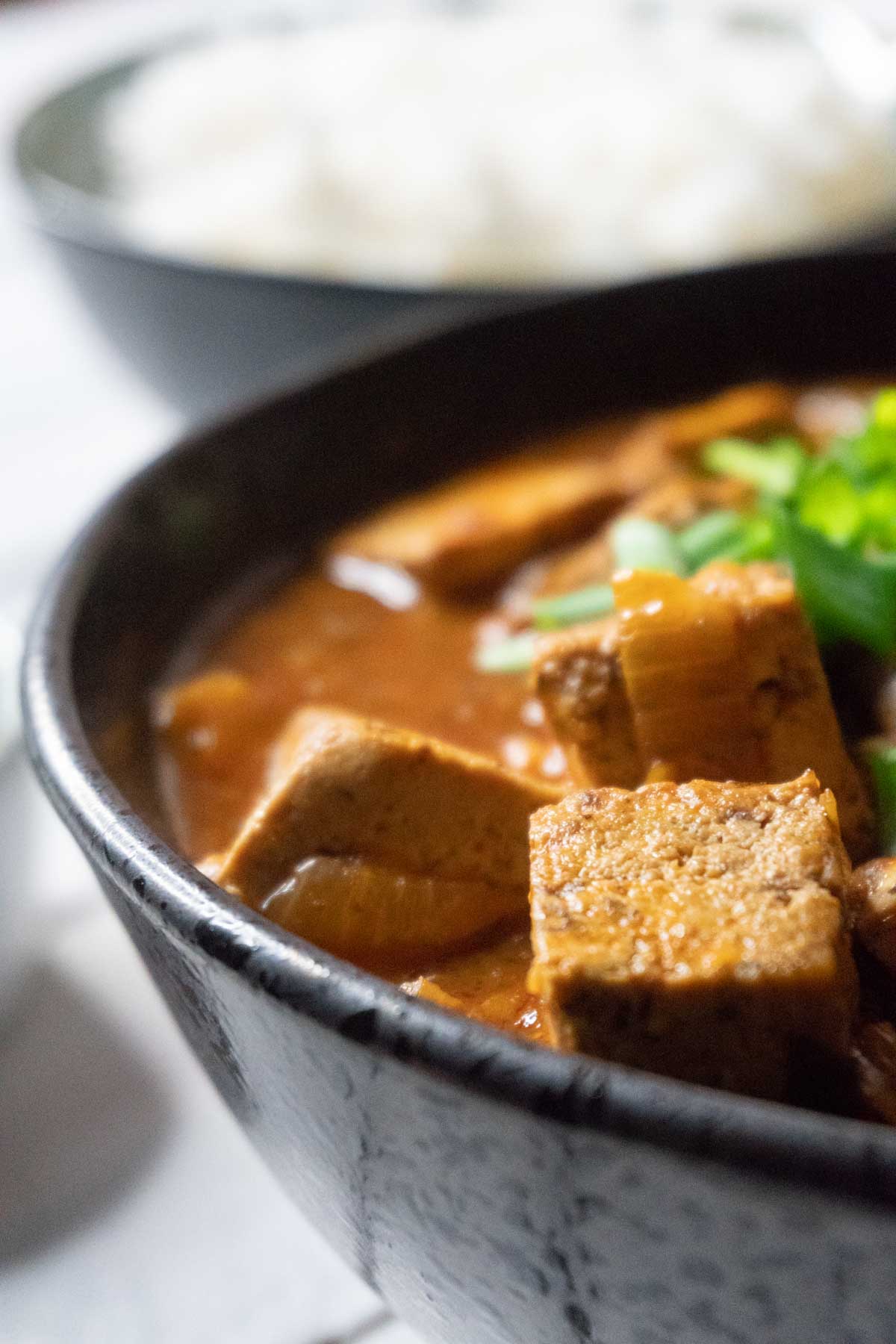
Silken tofu bathed in a spicy, numbing chili-bean sauce is a Sichuan classic that delivers bold flavor in every bite. This plant-based version keeps all the tingle without any meat. If you cannot find doubanjiang, a spoonful of red miso mixed with chili paste makes a convincing, deeply savory substitute for the fermented base.
Get the recipe
Vegan Tofu Bacon
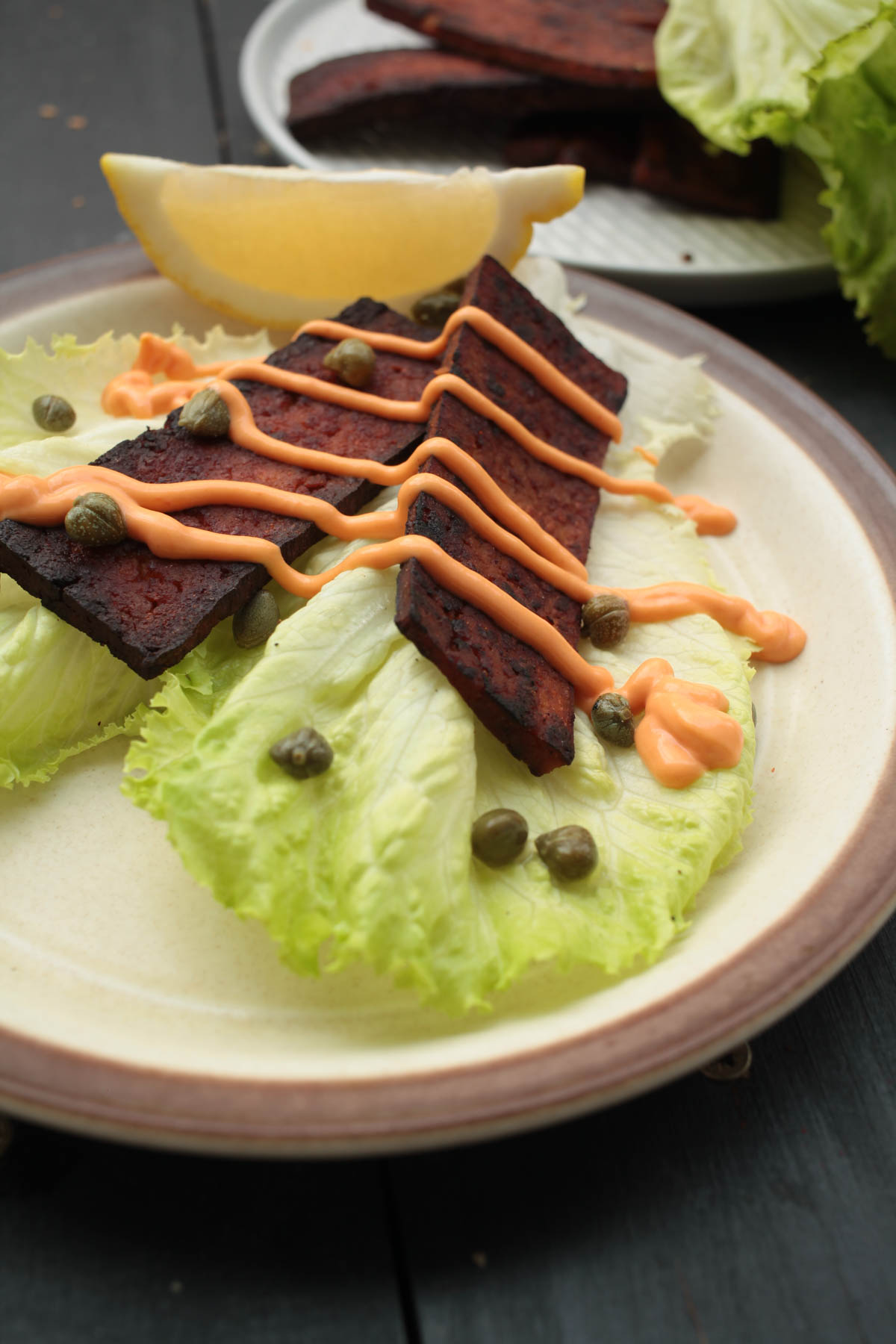
Smoky, salty and satisfyingly chewy, these marinated tofu strips crisp up into a plant-based bacon perfect for sandwiches and breakfast plates. The marinade does all the flavor work while the oven handles the rest. Add a spoonful of miso to the marinade for a savory, fermented depth that mimics that classic bacon umami.
Get the recipe
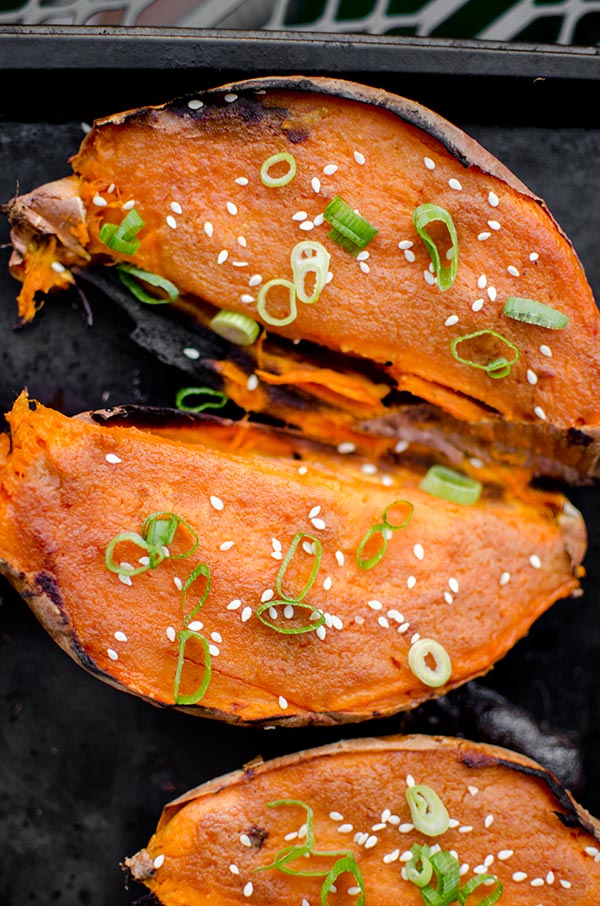
Miso Roasted Sweet Potatoes
Caramelized sweet potato wedges glazed in a sweet-savory miso coating make an irresistible side that quietly steals the show. Quick, simple and packed with flavor, they prove miso and roasted vegetables are a match made in heaven. Roast at high heat and brush on the miso glaze in the last few minutes so it caramelizes without burning.
Get the recipe
Miso Dips, Dressings and Cold Plates
Miso is not just for hot dishes; blend it into dips, dressings and cold plates for a savory, fermented lift.
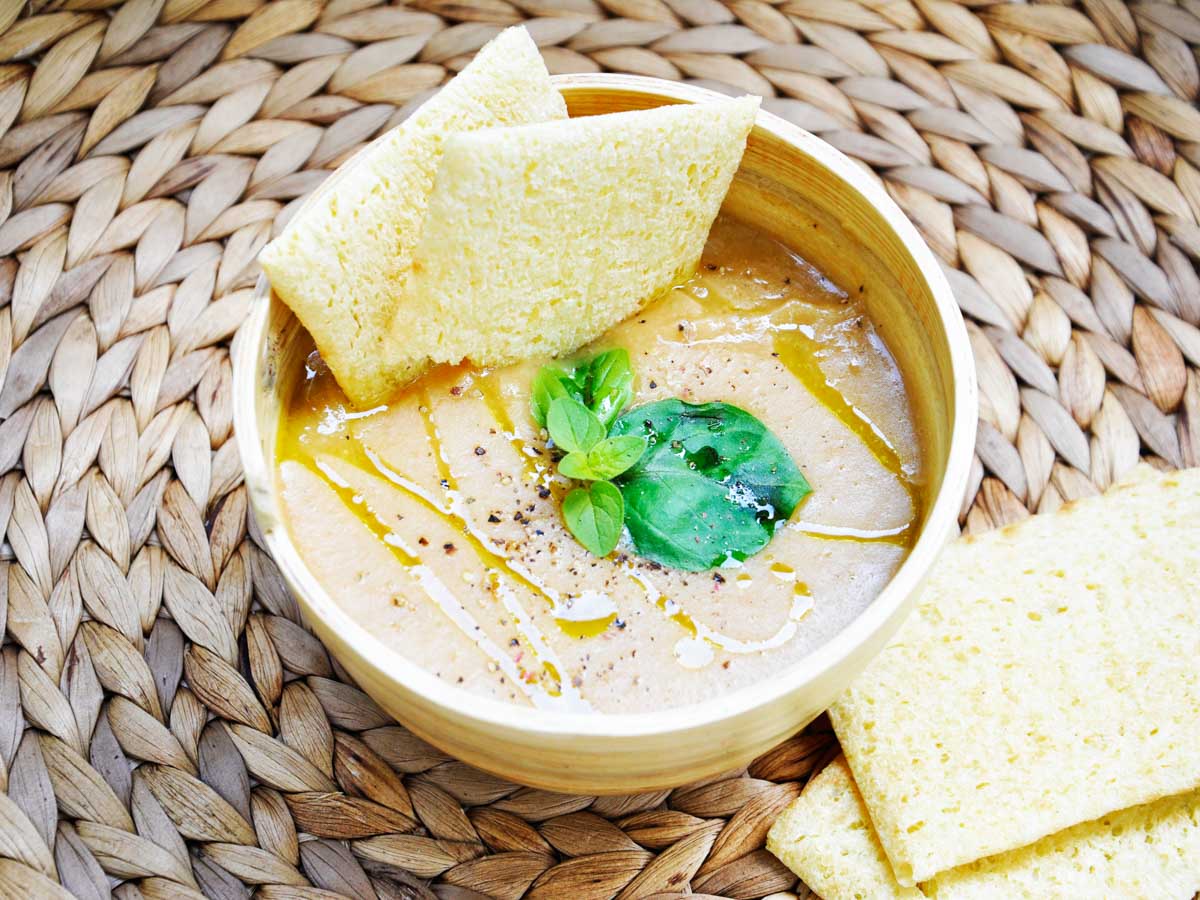
Miso Beetroot Hummus
Vibrant pink beetroot and nutty chickpeas blend into a creamy hummus with an unexpected savory kick from miso. It is as gorgeous on a grazing board as it is delicious on toast. Blend the miso in thoroughly so it disperses evenly, then chill the dip for an hour to let the flavors meld before serving.
Get the recipe
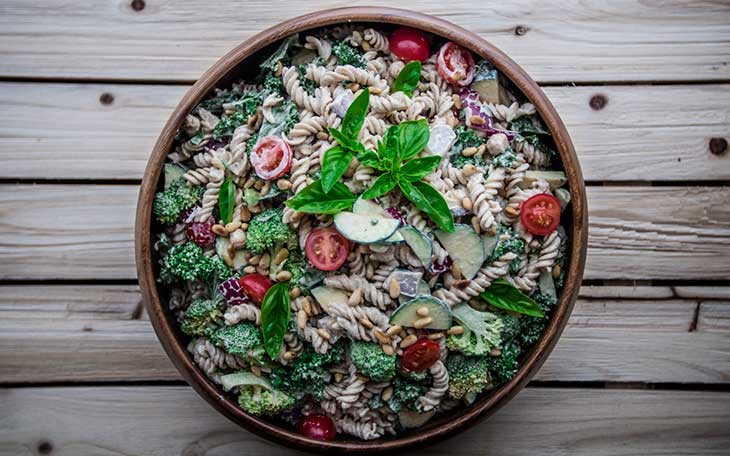
Garden Picnic Pasta Salad
Crisp summer vegetables and fresh herbs meet a bright orange-miso-tahini dressing that turns a simple pasta salad into a picnic showstopper. It travels beautifully and tastes even better after a rest in the fridge. Toss the dressing through while the pasta is still slightly warm so it soaks up more flavor, then chill until serving.
Get the recipe
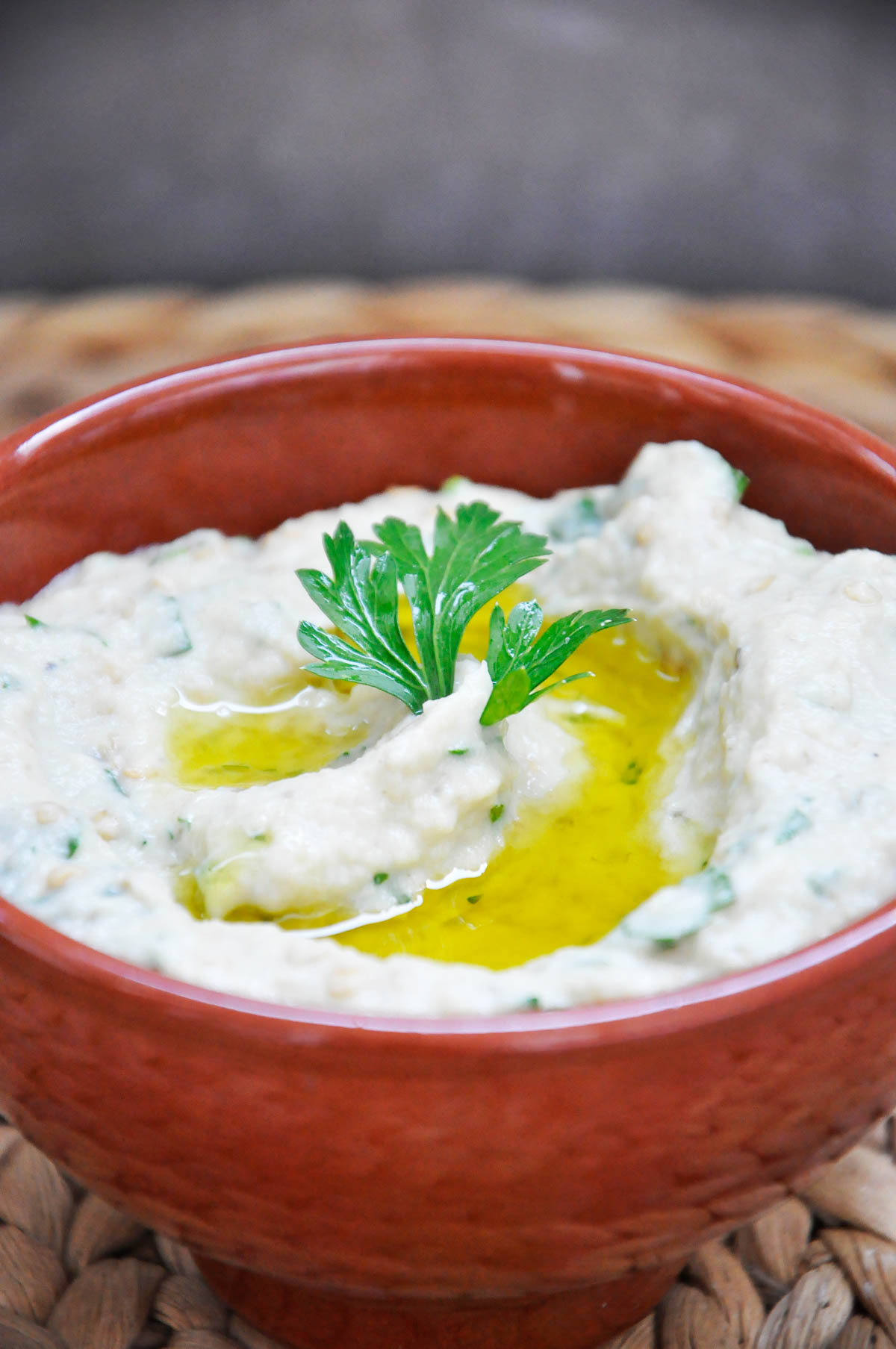
Mutabal | Tahini Eggplant Spread
Smoky roasted eggplant whipped with tahini, garlic and lemon makes a luscious Middle Eastern dip begging for warm bread. It is silky, savory and deeply satisfying as part of any mezze spread. Char the eggplant over an open flame for authentic smokiness, and swirl in a little white miso to amplify the umami-rich backbone.
Get the recipe
Frequently Asked Questions
What is miso paste made of? Miso is a fermented paste made from soybeans, salt and koji, a beneficial mold also used to make soy sauce and sake. Depending on the fermentation time and any added grains like rice or barley, it ranges from mild, pale white miso to deep, bold red miso.
Why should you not boil miso paste? Boiling miso destroys its live probiotics and dulls its delicate aroma, leaving mostly saltiness behind. Instead, take the pot off the heat, let it cool for a minute, then whisk the miso into the warm liquid so its flavor and gut-friendly bacteria stay intact.
What is the difference between white and red miso? White (shiro) miso ferments for a shorter time, so it is mild, slightly sweet and great for dressings, glazes and creamy soups. Red (aka) miso ferments longer for a deeper, saltier, more intense flavor suited to hearty stews, ramen and marinades. They are interchangeable if you adjust the quantity.
Can you eat miso paste raw? Yes, miso is safe to eat straight from the tub and is often used uncooked in dressings, dips and spreads. Using it raw or barely warmed preserves the most flavor and probiotics, which is exactly why it is stirred in at the very end of cooking.
What can you use miso paste for besides soup? Miso shines in noodle and pasta sauces, salad dressings, tofu glazes, marinades, miso butter and even sweet treats like caramel. A small spoonful boosts umami in almost any savory dish, and it can even replace some of the salt in your everyday cooking.
How long does miso paste last once opened? Stored in the fridge in a sealed container, miso keeps its quality for around a year thanks to its high salt content and fermentation. The color may darken slightly over time, but it stays perfectly usable, so it is worth keeping a tub on hand for quick flavor.