What Is Nutritional Yeast? Benefits, Taste and How to Use It
Nutritional yeast is a yeast grown on molasses, deactivated with heat and dried into yellow flakes or powder. It’s the same species as baker’s yeast (Saccharomyces cerevisiae), but it’s no longer alive, so it can’t make bread rise. You use it for flavor: it tastes savory, nutty and cheesy, which is why vegans sprinkle it where others use parmesan. One tablespoon has about 18 calories and 2.5 g of protein. Below you’ll find how it differs from brewer’s yeast, the nutrition facts, the truth about vitamin B12, who should be careful with it, how to store it and how to cook with it.
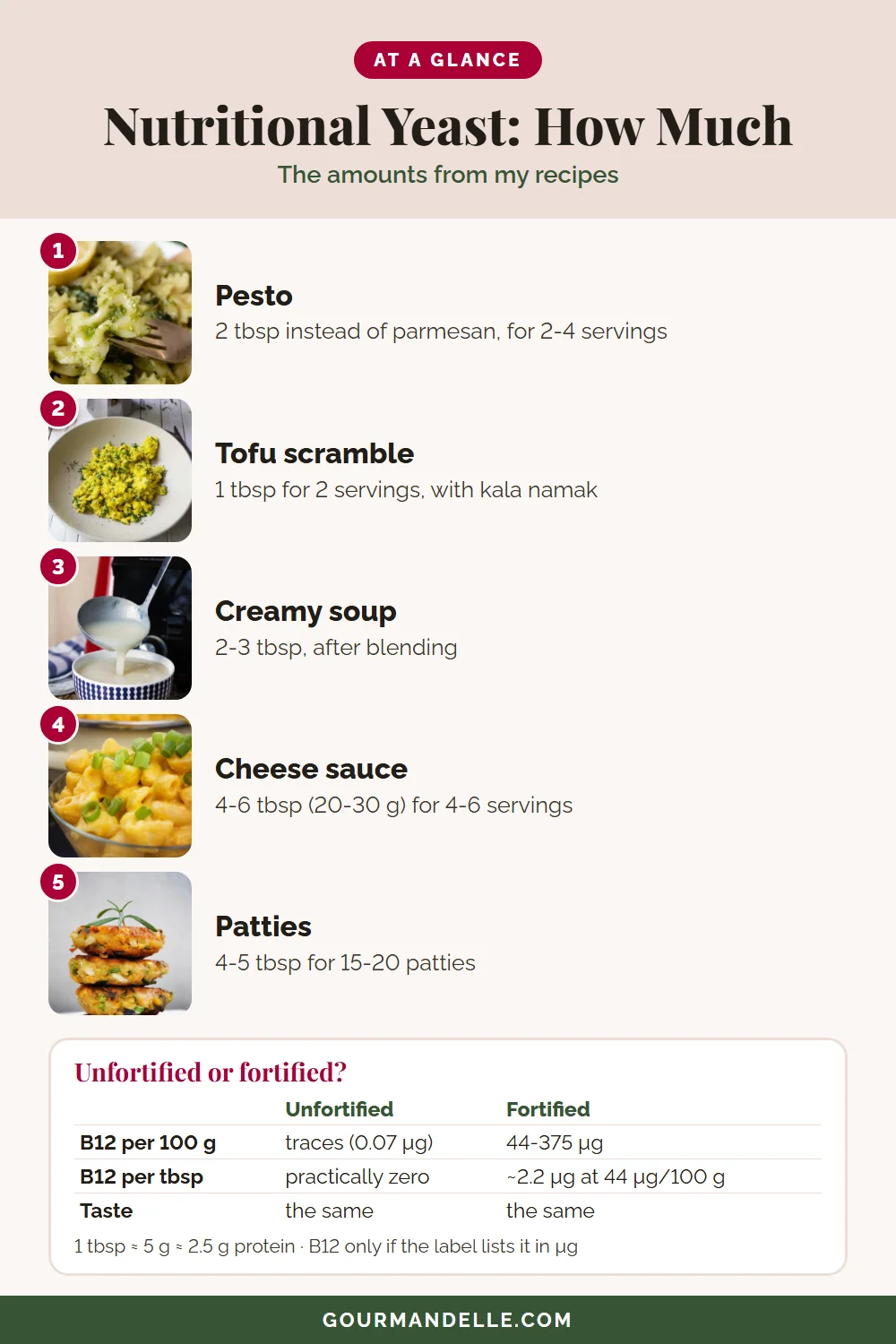
Nutritional yeast shows up in more than 80 recipes on this blog: in cheesy sauces, in parmesan-free pesto, in tofu scramble, in creamy soups and in many of my veggie patties. Most of the time I use 1-2 tablespoons for a dish that serves 2-4, and 4-6 tablespoons in a vegan cheese sauce like my nacho cheese sauce. At home I usually have Solaris flakes, a Romanian brand whose label doesn’t list vitamin B12. I wrote this guide to answer the two questions that come with that yellow tub: what it actually is, and whether it covers your vitamin B12. The short answer to the second one: only sometimes.
Nutritional yeast at a glance
- What it is: Saccharomyces cerevisiae yeast grown on molasses, heat-deactivated and dried; it doesn’t grow or ferment.
- Nickname: nooch.
- Taste: savory, umami, cheesy and nutty.
- One tablespoon (~5 g): ~18 kcal, ~2.5 g protein, ~1 g fiber, under 1 g net carbs.
- Vitamin B12: only in fortified nutritional yeast. Yeast doesn’t make B12; unfortified flakes contain only traces.
- Gluten: pure nutritional yeast is gluten free, but some organic blends contain wheat or barley malt. Check the label.
- Storage: an airtight, opaque container in a cool, dry cupboard; no fridge needed.
Table of Contents
- What is nutritional yeast (nooch)?
- Nutritional yeast vs brewer’s yeast vs active dry yeast vs yeast extract
- What does nutritional yeast taste like?
- Nutritional yeast nutrition facts (per tablespoon)
- Fortified vs unfortified nutritional yeast (and vitamin B12)
- Is nutritional yeast good for you? Benefits backed by research
- Side effects and who should avoid it
- Is nutritional yeast gluten free?
- How to use nutritional yeast
- Does nutritional yeast go bad? How to store it
- Frequently Asked Questions
- Sources
What is nutritional yeast (nooch)?
Nutritional yeast is grown for several days on cane or beet molasses. Then it’s washed, heated (pasteurized) so the yeast dies, and drum-dried. Finally it’s milled into large flakes, small flakes or powder. Some brands add B vitamins before drying and some don’t. That’s the whole difference between fortified and unfortified nutritional yeast.
On the label you may see “nutritional yeast”, “nutritional yeast flakes”, “inactive dry yeast” or “savory yeast flakes”. In vegan kitchens it goes by “nooch”. Unlike brewer’s yeast, which is left over from making beer, today’s nutritional yeast is grown specifically as a food.
Nutritional yeast vs brewer’s yeast vs active dry yeast vs yeast extract
| Product | What it is | How you use it |
|---|---|---|
| Nutritional yeast | grown on molasses, killed with heat, dried | cheesy seasoning for sauces, soups, popcorn, patties |
| Brewer’s yeast | a by-product of brewing beer; bitter (from hops); may contain gluten from barley | mostly as a supplement, in tablets or powder |
| Active dry yeast / instant yeast | alive | only for dough; never sprinkle it on food |
| Yeast extract (Marmite, Vegemite) | the soluble part of the yeast, very salty (~8 g of salt per 100 g) | a spread, used by the scraping |
You can’t swap them for each other. Nutritional yeast won’t make bread rise, and active yeast sprinkled on pasta doesn’t taste cheesy and isn’t meant to be eaten raw.
What does nutritional yeast taste like?
Nutritional yeast tastes salty without being salt, slightly sweet, with notes of aged cheese and toasted nuts. That savory depth comes from the yeast’s natural glutamate and nucleotides, the same compounds that give flavor to parmesan and dried mushrooms. That doesn’t make it MSG: the glutamate in the flakes is natural and mostly bound in protein.
Straight from the bag it can taste a little dusty. The flavor opens up with fat and heat: in a sauce with plant milk, over potatoes with olive oil, in pesto. Large flakes are best for sprinkling, while the powder melts more easily into sauces.
Nutritional yeast nutrition facts (per tablespoon)
| Unfortified nutritional yeast | Per 100 g | Per tablespoon (~5 g) |
|---|---|---|
| Calories | 335-370 kcal | ~18 kcal |
| Protein | 45-50 g | ~2.5 g |
| Fiber | 17-25 g | ~1 g |
| Net carbs | ~19-25 g | under 1 g |
| Fat | 3-5 g | under 0.3 g |
| Sodium | very low | negligible |
A tablespoon of flakes weighs about 4-5 g, while a tablespoon of powder or fine flakes is closer to 10 g. Labels list very different serving sizes, so check yours before you compare. A few things to know:
- Protein: almost 50 g per 100 g, with all 9 essential amino acids, though it’s lower in methionine. It’s not comparable to egg or dairy protein, and you eat it by the spoonful: 1 tablespoon gives you about 2.5 g, 2 tablespoons about 5 g. A nice extra, not a main source. I go deeper into this in my guide to protein in the vegan diet.
- Fiber: about 1 g per tablespoon, from the yeast cell wall. That’s also where the beta-glucans are (see benefits below).
- B vitamins: even unfortified nutritional yeast has thiamine (B1) and natural folate. Fortified yeast adds B2, B3, B6, folic acid and B12, often in large amounts.
- Organic blends: some organic flakes sold in Europe are blends of yeast with wheat flour or barley malt. You’ll spot them by the lower protein (25-30 g per 100 g) and the grain on the ingredient list.
Fortified vs unfortified nutritional yeast (and vitamin B12)
This is the biggest misunderstanding about nutritional yeast. Yeast doesn’t make vitamin B12. Only some bacteria do. In fortified nutritional yeast, the vitamin (usually cyanocobalamin) is produced separately and added. Unfortified flakes have only traces: USDA lists 0.07 µg per 100 g for dried yeast.
| Unfortified | Fortified | |
|---|---|---|
| Ingredients | “dried yeast” only | yeast + B vitamins (thiamine, riboflavin, niacin, B6, folic acid, cyanocobalamin), sometimes zinc |
| B12 per 100 g | ~0.07 µg (traces) | 44 µg (Engevita) to 375 µg (Red Star) |
| B12 per tablespoon (5 g) | practically zero | 2.2 µg at 44 µg/100 g; Bragg’s 2-tbsp serving (10 g) gives 15 µg |
| Taste | the same | the same |
| Best for | flavor, cooking | vegans who want some B12 from food; go easy for small children |
What this means in practice:
- Read the label. Look for “vitamin B12” or “cyanocobalamin” with an amount in µg. Most US brands (Bragg, Bob’s Red Mill, Red Star, NOW, store brands) are fortified, but unfortified versions exist too, sometimes under the same brand name.
- Fortified yeast helps, but it doesn’t replace a supplement. In a study of 49 vegans, fortified nutritional yeast improved a marker of B12 deficiency, but tablets worked better. The adequate intake EFSA set for adults is 4 µg a day. If you eat vegan, a B12 supplement your doctor recommends is still the base. I wrote about this in my raw vegan diet guide too.
- More isn’t better. Heavily fortified brands pack a lot of B6, niacin and folic acid. A label serving of Red Star (16 g) has 13.6 mg of vitamin B6, above the 12 mg daily upper limit EFSA set for adults, and ¼ cup of Bob’s Red Mill (15 g) has about 1,076 µg of folic acid, above the 1,000 µg limit. A tablespoon or two a day is fine for adults. Just don’t eat it by the cupful every day.
Is nutritional yeast good for you? Benefits backed by research
What the research shows, without the hype:
- Protein and fiber: per 100 g, nutritional yeast qualifies as high in protein and high in fiber under EU rules. Per tablespoon, that’s ~2.5 g of protein and ~1 g of fiber.
- Vitamin B12, only if fortified: a product that’s a source of B12 may say that B12 contributes to normal energy-yielding metabolism, to the normal function of the nervous system and to the reduction of tiredness and fatigue. None of that applies to unfortified flakes.
- Beta-glucans and immunity: the studies use isolated yeast beta-glucan in capsules. In one trial with 162 people who caught colds often, 900 mg a day for 16 weeks cut colds by 25%. But the European Food Safety Authority (EFSA) reviewed the evidence and rejected the immunity claim twice. There’s no authorized health claim in the EU for yeast beta-glucans, so I can’t tell you nutritional yeast “boosts immunity”.
- Cholesterol: the only study used 15 g of yeast beta-glucan a day in 15 men, without a control group, and LDL didn’t drop significantly. A tablespoon of flakes has at most ~1 g of beta-glucans. The authorized cholesterol claim exists only for beta-glucan from oats and barley.
In short: nutritional yeast is a great seasoning with protein and fiber that adds flavor to plant-based food without a lot of salt. It’s not a superfood and it doesn’t detox anything.
Side effects and who should avoid it
- Crohn’s disease: 50-60% of people with Crohn’s have antibodies against this yeast (ASCA). In a small study of 19 patients, the disease was slightly more active during the month with yeast. If you have Crohn’s, ask your gastroenterologist first.
- Gout or high uric acid: yeast is high in purines. Brewer’s yeast supplements have 1,200-3,000 mg per 100 g, and nutritional yeast flakes haven’t been measured separately. Use it rarely and in small amounts, and follow your doctor’s advice.
- Sulfite sensitivity: some flakes grown on molasses list sulfites on the label.
- MAOI antidepressants: yeast extracts (Marmite) are on the lists of foods to avoid. Nutritional yeast flakes haven’t been tested, so ask your doctor.
- Bloating: in large amounts, the fiber can cause gas. Start with a teaspoon.
- Heavily fortified brands in large amounts: see the B6 and folic acid numbers above.
Is nutritional yeast gluten free?
- Gluten: pure nutritional yeast grown on molasses is gluten free. The trap is organic blends with grain: some European organic flakes contain wheat flour or barley malt, and brewer’s yeast can contain gluten from barley too. If you have celiac disease, buy flakes labeled gluten free.
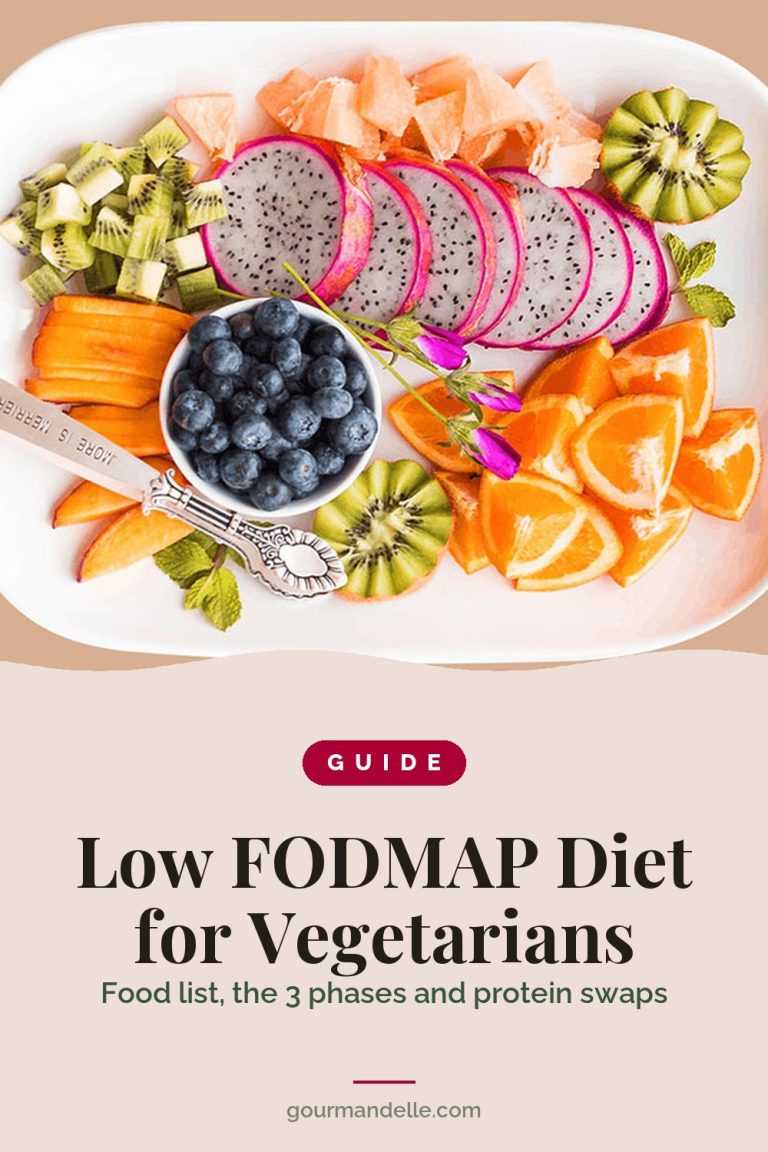
- Low FODMAP: Monash University rates nutritional yeast low FODMAP at a 1-tablespoon serving. More in my guide to the low FODMAP diet.
- Keto: under 1 g of net carbs per tablespoon.
- Vegan: yes, nutritional yeast is vegan.
How to use nutritional yeast
Here’s how much I use in my recipes, as a starting point:
- For flavor, in a dish that serves 2-4: 1 teaspoon to 1 tablespoon, at the end. Over pasta, potatoes, roasted vegetables, popcorn or soup.
- In pesto, instead of parmesan: 2 tablespoons per batch of pesto for 2-4 servings.
- In eggless breakfasts: 1 tablespoon for 2 servings of tofu scramble, 2 tablespoons in a chickpea flour quiche.
- In creamy soups: 2-3 tablespoons, after blending.
- In cheesy sauces: 4-6 tablespoons (20-30 g) for a sauce that serves 4-6, with cashews, potato or vegetables.
- In patties and loaves: 4-5 tablespoons for 15-20 patties. It adds flavor and helps the mixture hold together.
Does it need to be cooked? No, you can eat it straight from the tub. If you care about the vitamins, add it toward the end or at the table rather than simmering it for a long time. For flavor, any time works. Here are some recipes, grouped by how the yeast is used.
Cheesy sauces
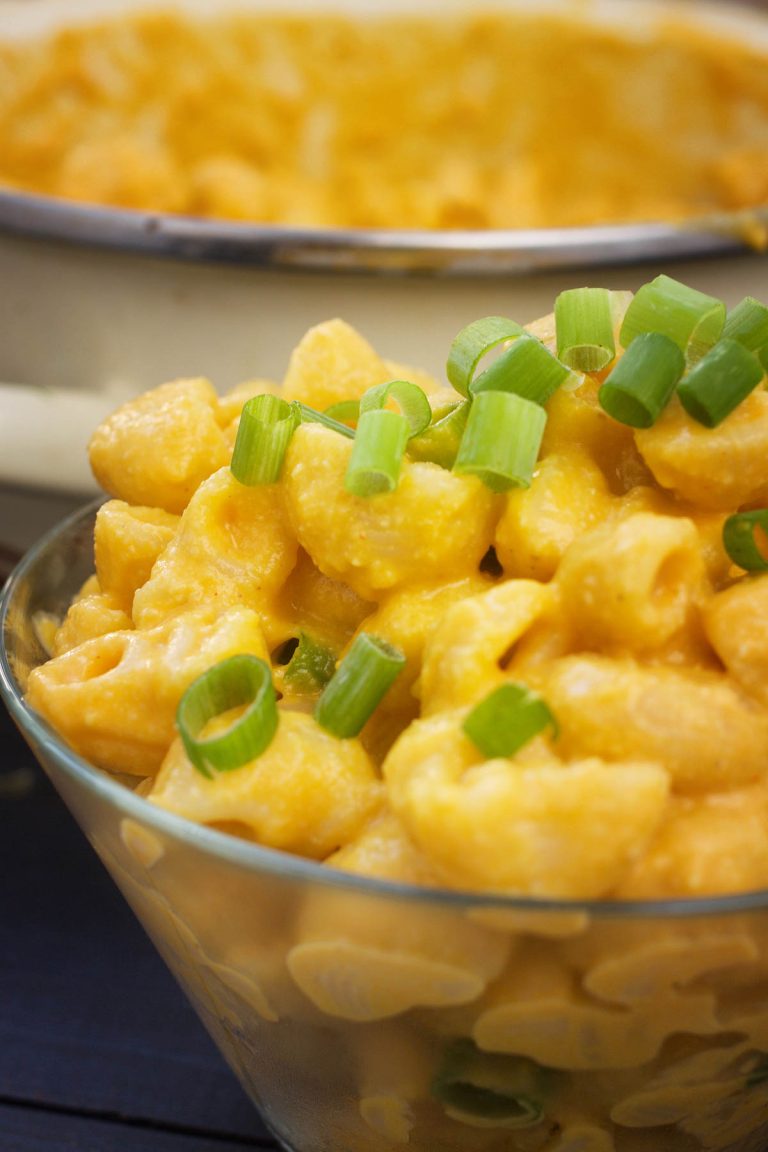
A cashew and vegetable cheese sauce with ⅓ cup (20 g) of nutritional yeast for 6 servings.
Get the recipe
Two versions of a stretchy, melty vegan mozzarella, each with 4 tablespoons of nutritional yeast.
Get the recipe
4 tablespoons of nutritional yeast for 2 servings give the sauce its salty, cheesy depth.
Get the recipePesto and “parmesan”
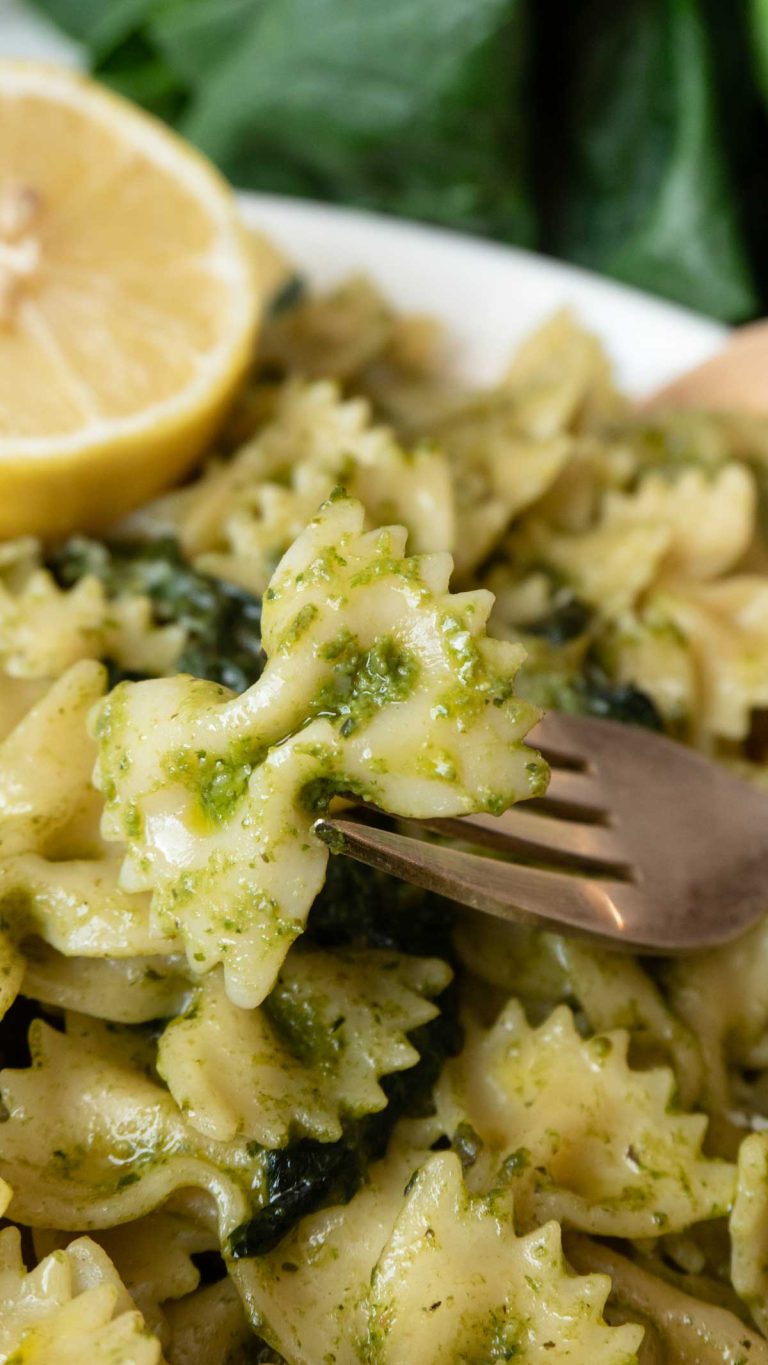
2 tablespoons of nutritional yeast stand in for the parmesan in the pesto.
Get the recipe
Hummus blended with basil pesto and a generous ⅓ cup of nutritional yeast.
Get the recipe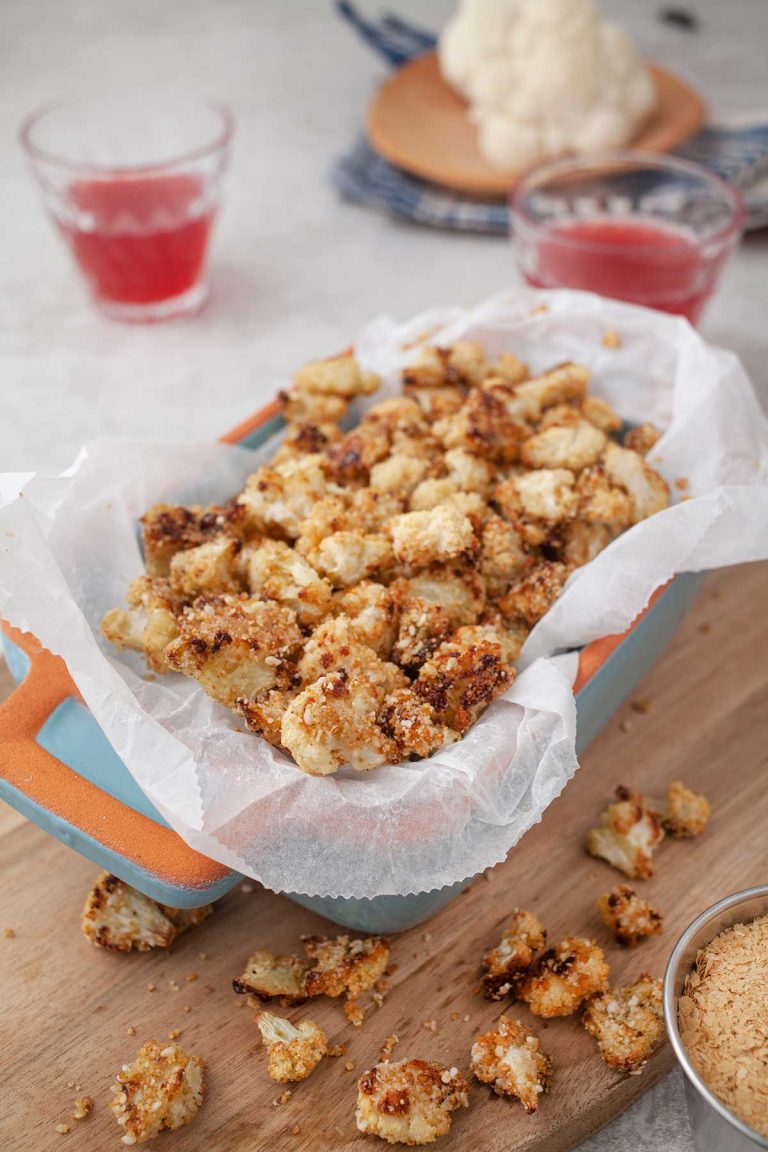
Roasted cauliflower bites coated with 2 tablespoons of nutritional yeast, parmesan and sesame.
Get the recipeEggless breakfasts
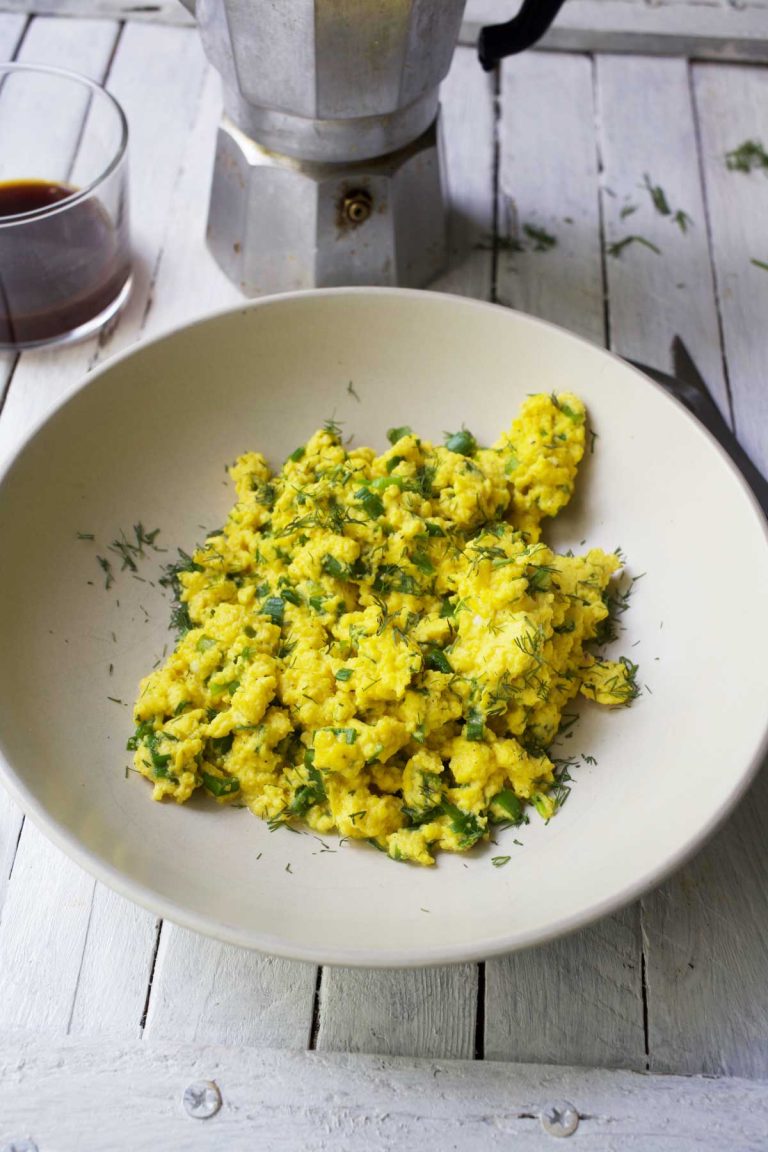
Tofu scramble with 1 tablespoon of nutritional yeast and kala namak for 2 servings.
Get the recipe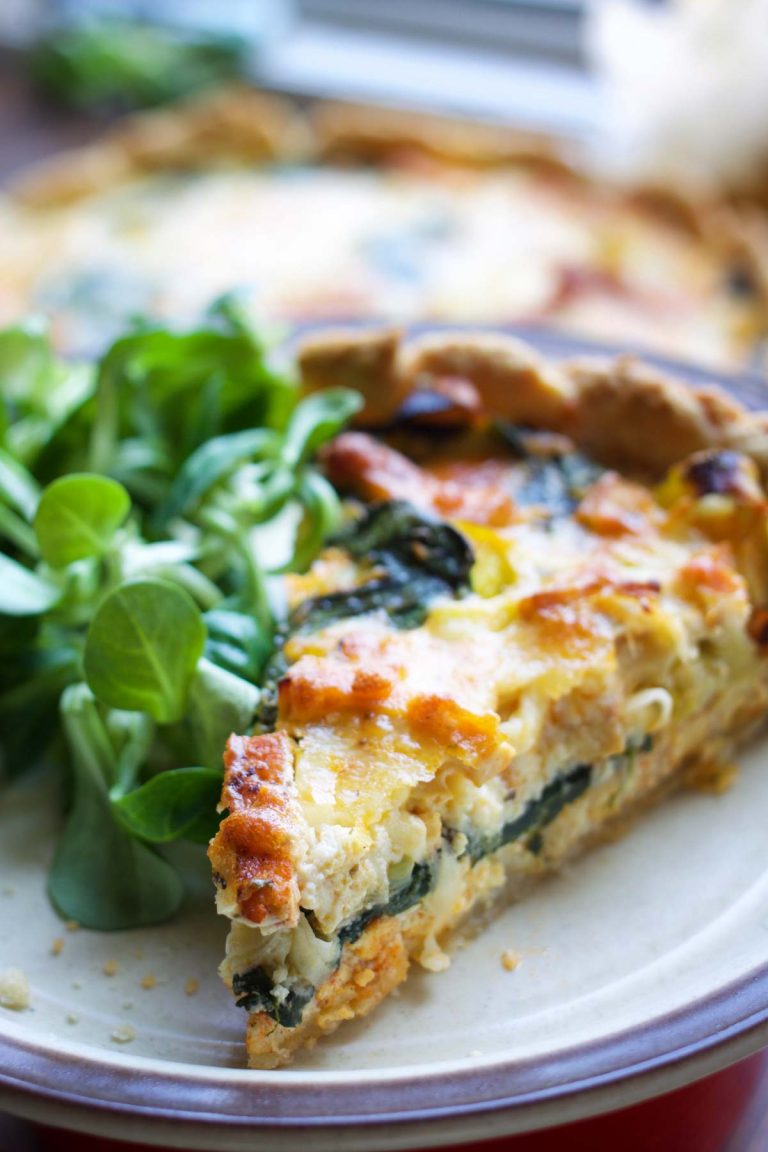
2 tablespoons of nutritional yeast in the chickpea flour filling.
Get the recipe
Veggie-Packed Breakfast Muffins
Savory muffins with 4 tablespoons of nutritional yeast for 12 pieces.
Get the recipeSoups and patties

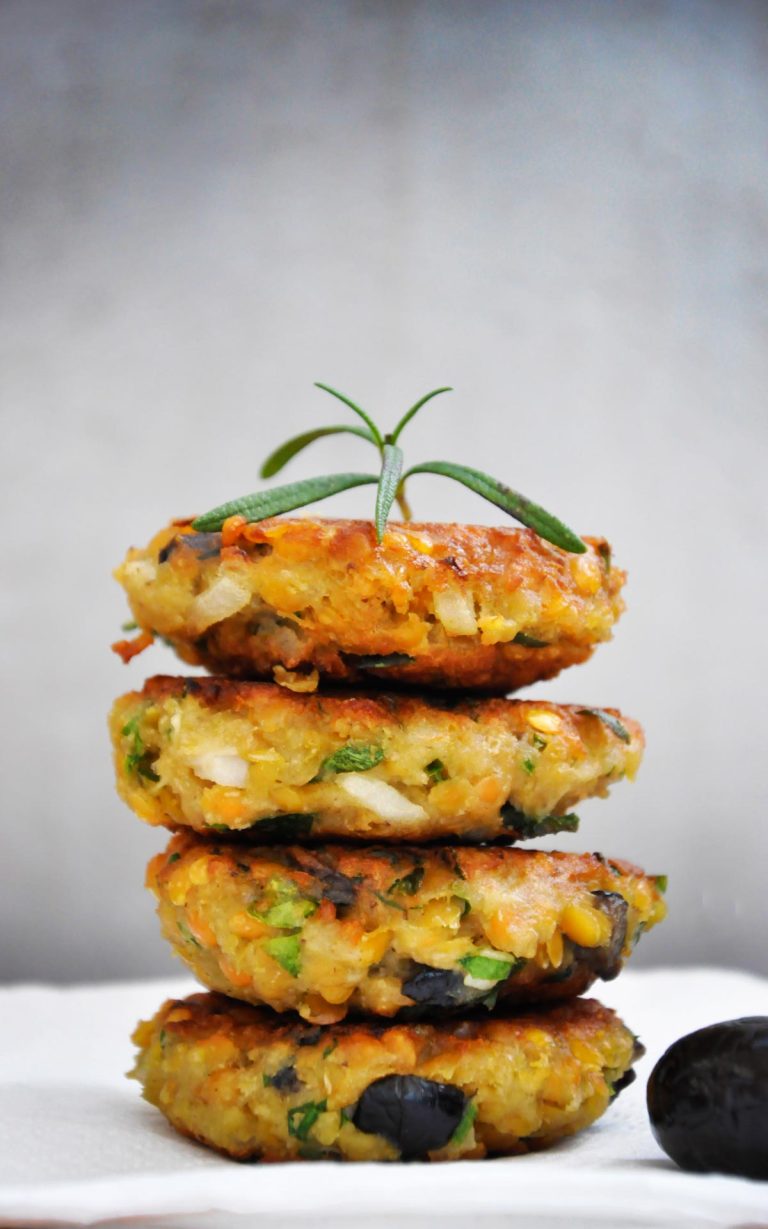
Lentil Patties with Olives and Herbs
4 tablespoons of nutritional yeast for 15 patties, for flavor and to bind.
Get the recipe
2 tablespoons of nutritional yeast add the savory note to a chickpea loaf.
Get the recipeFor more ideas, by category, see all my nutritional yeast recipes.
Does nutritional yeast go bad? How to store it
- Where: in an airtight, opaque container in a cool, dry cupboard. Manufacturers give a shelf life of up to 2 years.
- Fridge: not necessary. It only helps if your kitchen is very hot or humid.
- Moisture is the main enemy: use a dry spoon and keep the bag away from the stove.
- Light breaks down B vitamins, especially riboflavin, so an opaque jar is better than a clear bag.
- When to toss it: if it smells off, has darkened, has damp clumps or mold.
Frequently Asked Questions
Nutritional yeast is Saccharomyces cerevisiae yeast grown on molasses, deactivated with heat and dried into flakes or powder. It doesn’t grow and can’t make dough rise. You use it as a savory, cheesy seasoning in sauces, soups, pesto and patties.
No. Brewer’s yeast is left over from making beer, tastes bitter and may contain gluten, while nutritional yeast is grown specifically as a food and tastes cheesy. You can’t use them interchangeably in recipes.
Only if it’s fortified. Yeast doesn’t make B12, and unfortified flakes have only traces. Check the label for “vitamin B12” or “cyanocobalamin” with an amount in µg. Even fortified, it doesn’t replace a B12 supplement for vegans.
A pinch of plain nutritional yeast won’t hurt a healthy dog, but it has no proven benefits for them. Avoid blends with garlic or salt, and never give dogs raw dough with active yeast. Ask your vet first, especially if your dog has a yeast allergy, kidney disease or takes medication.
There’s no official recommendation. Plant-based weaning guides usually introduce it after 6 months, in small amounts: a pinch stirred into a purée. Choose plain, unsalted, gluten-free flakes. With fortified brands, a whole tablespoon goes beyond what a small child needs (folic acid, B6). B12 for a vegan child should come from a supplement recommended by the pediatrician.
No. Nutritional yeast contains natural glutamate, mostly bound in protein, which gives it its umami flavor. MSG (monosodium glutamate) is an isolated salt of glutamic acid.
No. It keeps up to 2 years in an airtight, opaque container in a cool, dry cupboard. Moisture spoils it, and light breaks down its vitamins.
Sources
- USDA FoodData Central (dried yeast, FDC 175043; yeast extract spread, FDC 167717; fortified nutritional yeast brands): fdc.nal.usda.gov
- Donaldson M.S., 2000, Annals of Nutrition and Metabolism 44:229 (vitamin B12 in vegans, fortified nutritional yeast): Europe PMC
- Auinger A. et al., 2013, European Journal of Nutrition (yeast beta-glucan and the common cold): Europe PMC
- Nicolosi R. et al., 1999, American Journal of Clinical Nutrition 70:208 (yeast beta-glucan and cholesterol): Europe PMC
- Barclay G.R. et al., 1992, Scandinavian Journal of Gastroenterology (baker’s yeast and Crohn’s disease): Europe PMC
- Kaneko K. et al., 2014, Biological and Pharmaceutical Bulletin 37:709 (purine content of foods and supplements): PubMed
- EFSA, 2023, tolerable upper intake levels for vitamin B6 (EFSA Journal 21(5):8006) and folate (EFSA Journal 21(11):e8353): efsa.europa.eu
- EU Regulation 432/2012 (authorized health claims): eur-lex.europa.eu
- Monash University, Low FODMAP Diet app (nutritional yeast): monashfodmap.com