Eastern European vegan and vegetarian recipes prove that the region’s most beloved comfort food, from Polish pierogi to Romanian sarmale and Hungarian goulash, translates beautifully to a plant-based table. This collection gathers 21 classic dishes from Poland, Romania, Russia, Hungary, and Ukraine, each reworked without meat or dairy. Expect hearty soups, slow-cooked stews, stuffed cabbage rolls, and nostalgic sweets. Every recipe is simple, budget-friendly, and packed with the warm, paprika-scented flavors the region is famous for.
How to Cook Eastern European Food Plant-Based
The easiest way to veganize Eastern European classics is to swap the meat for hearty mushrooms, beans, lentils, or rice and to lean on the region’s naturally plant-forward pantry. Sweet and smoked paprika, dill, tarragon, caraway, garlic, and onions carry most of these dishes, so you rarely miss the meat. Replace sour cream with a cashew or soy version, and use oil or vegan butter in place of lard. Many staples, like cabbage, potatoes, beetroot, and cornmeal, are already vegan, which makes this cuisine surprisingly friendly to plant-based cooking.
Jump to a category
Hearty Soups to Start
Warm up with these paprika-scented soups that range from ruby borscht to a spoon-standing goulash.
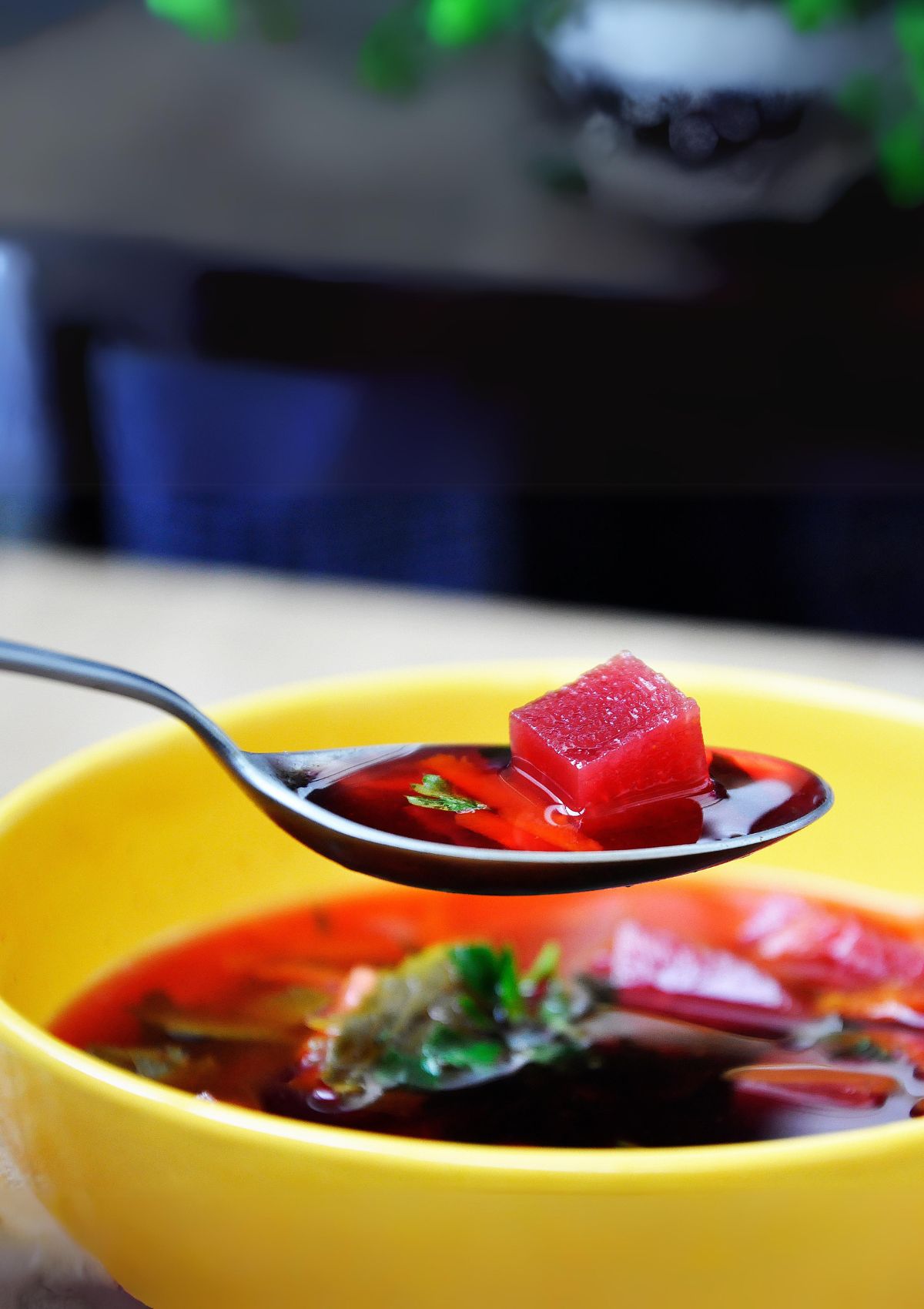
Vegan Beetroot Borscht
This ruby-red Ukrainian classic simmers beetroot, cabbage, and potatoes into a deeply savory bowl that only gets better as it sits. A finishing splash of vinegar or lemon keeps the color vivid and balances the earthy sweetness. Make it a day ahead and let it rest overnight, since the flavors deepen beautifully in the fridge.
Get the recipe
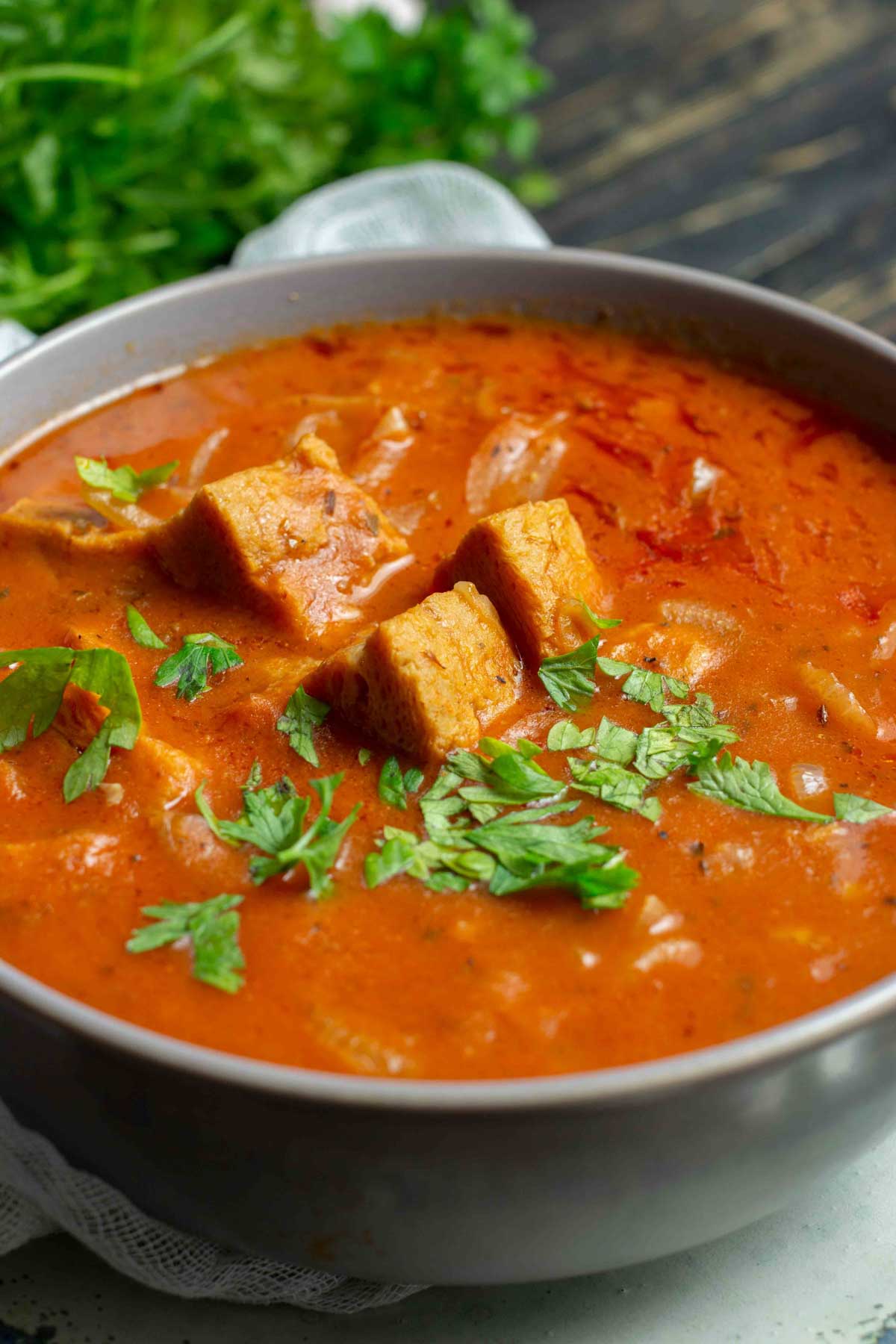
Vegan Goulash Soup
Smoky sweet paprika does the heavy lifting in this Hungarian goulash soup, loaded with tender potatoes, peppers, and hearty chunks of vegetables. It walks the line between a brothy soup and a spoon-standing stew, so you can thin or thicken it to taste. Toast the paprika in oil for a few seconds before adding liquid to unlock its full depth.
Get the recipe
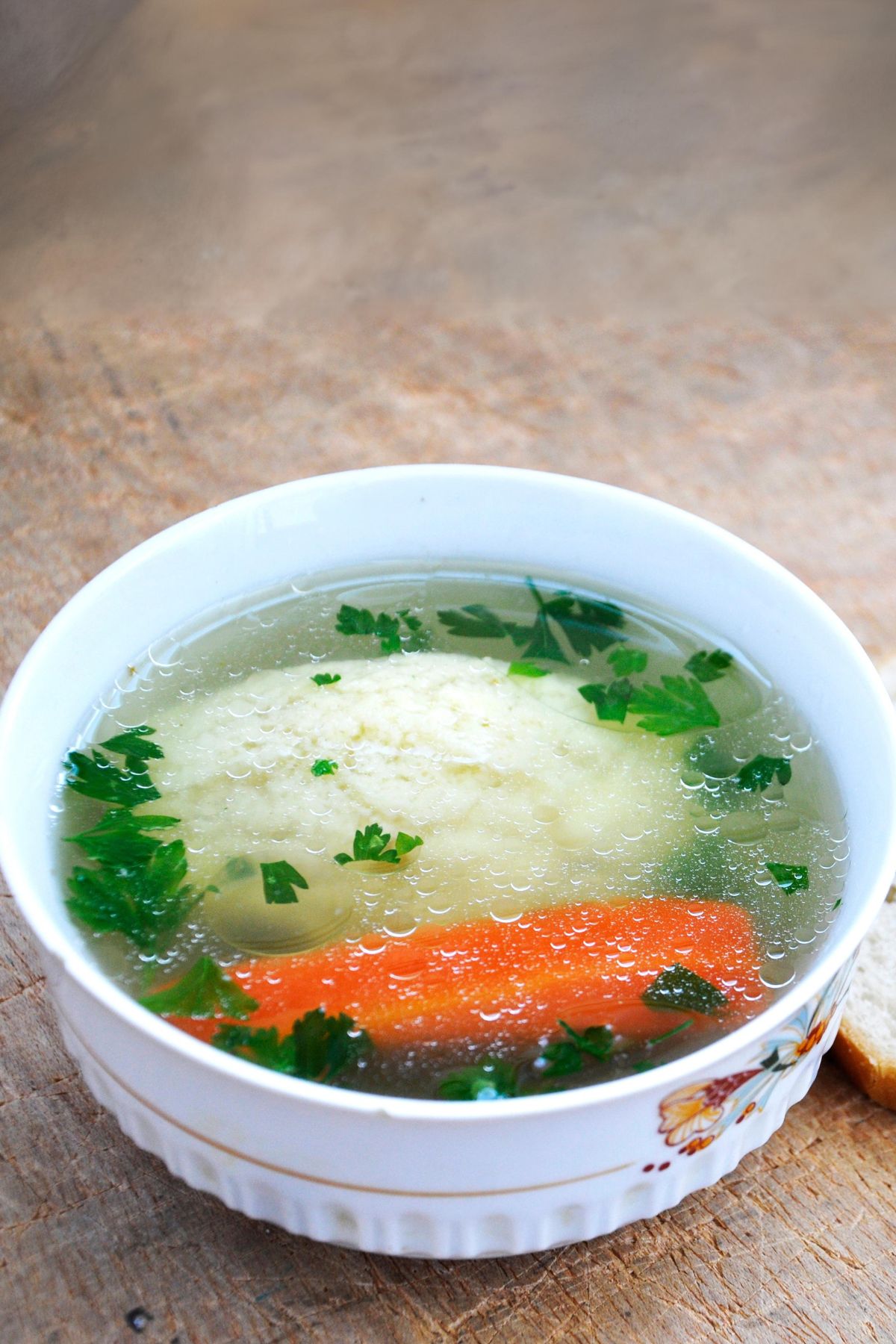
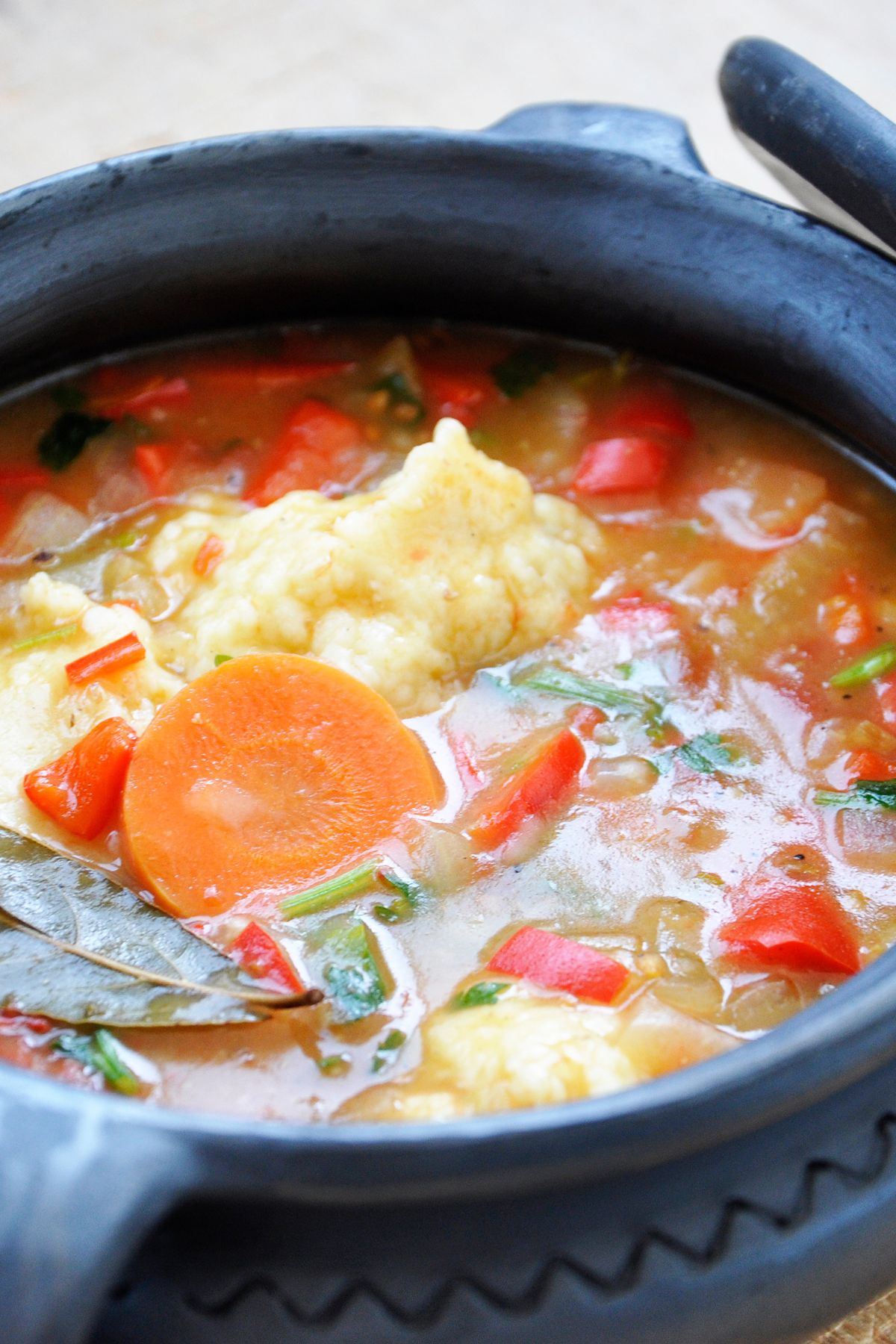
Clear Veggie Soup with Semolina Dumplings
Light, golden, and endlessly comforting, this clear vegetable soup is crowned with pillowy semolina dumplings that soak up the fragrant broth. It is the kind of gentle, restorative bowl that turns up at every Romanian family table. Let the dumpling batter rest for ten minutes before simmering so the semolina hydrates and the dumplings hold together.
Get the recipe
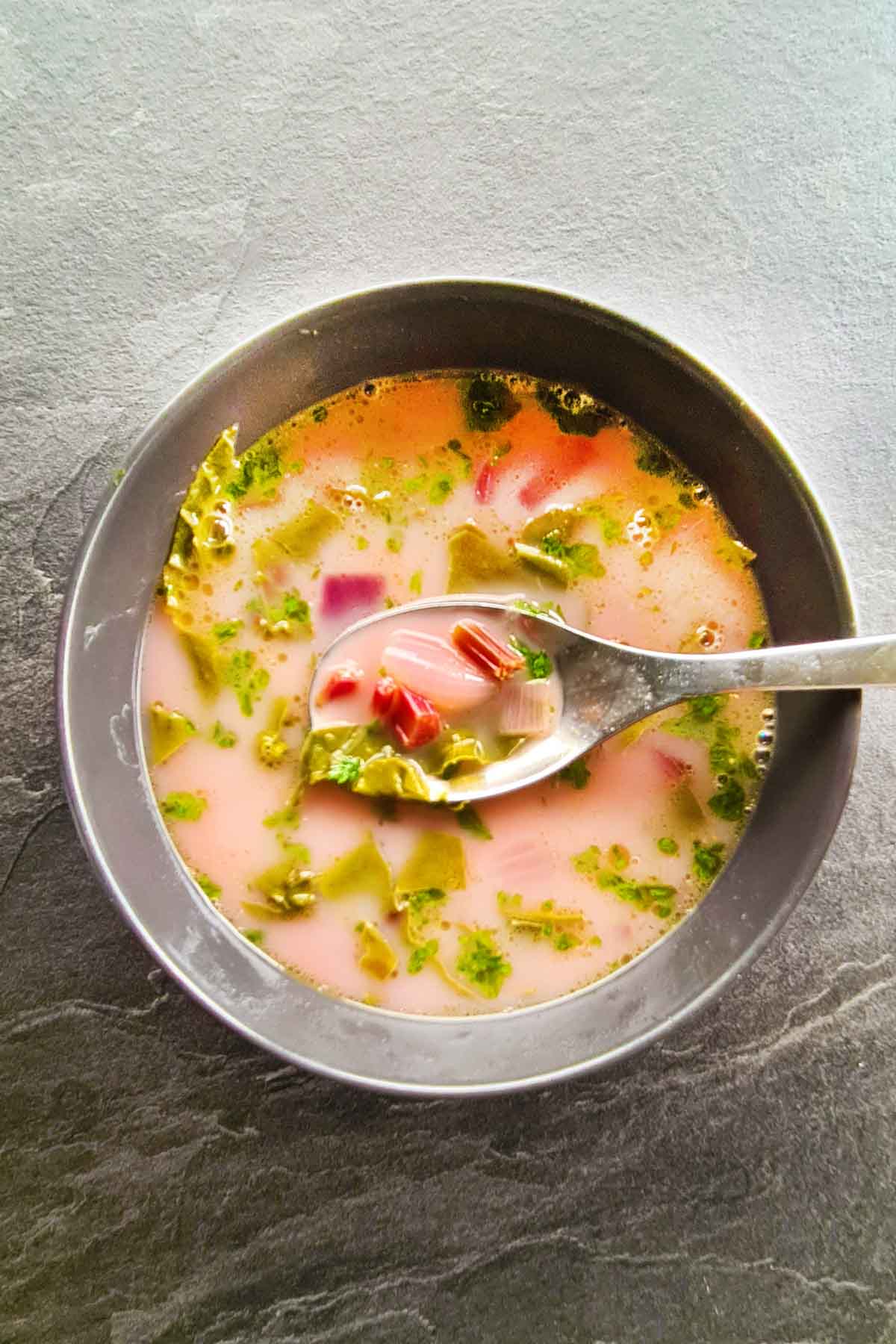
Beet Greens Soup
Do not toss those leafy beet tops, because they turn into a tangy, spring-fresh soup much like the Polish botwinka. Young beet greens, a handful of diced beetroot, and a squeeze of lemon give it a lovely sour lift. Use the youngest, most tender greens you can find, as older leaves can turn bitter when cooked.
Get the recipe
Comforting Stews and Skillet Mains
Slow-cooked and deeply savory, these plant-based stews are the definition of Eastern European comfort food.
Hungarian Vegetarian Paprikash
Creamy, paprika-stained, and studded with soft dumplings, this vegetable paprikash is Hungarian comfort food at its finest. A generous pour of plant cream softens the sauce into something rich enough to blanket every forkful. Stir the cream in off the heat to keep it from splitting, then warm the pot gently before serving.
Get the recipe
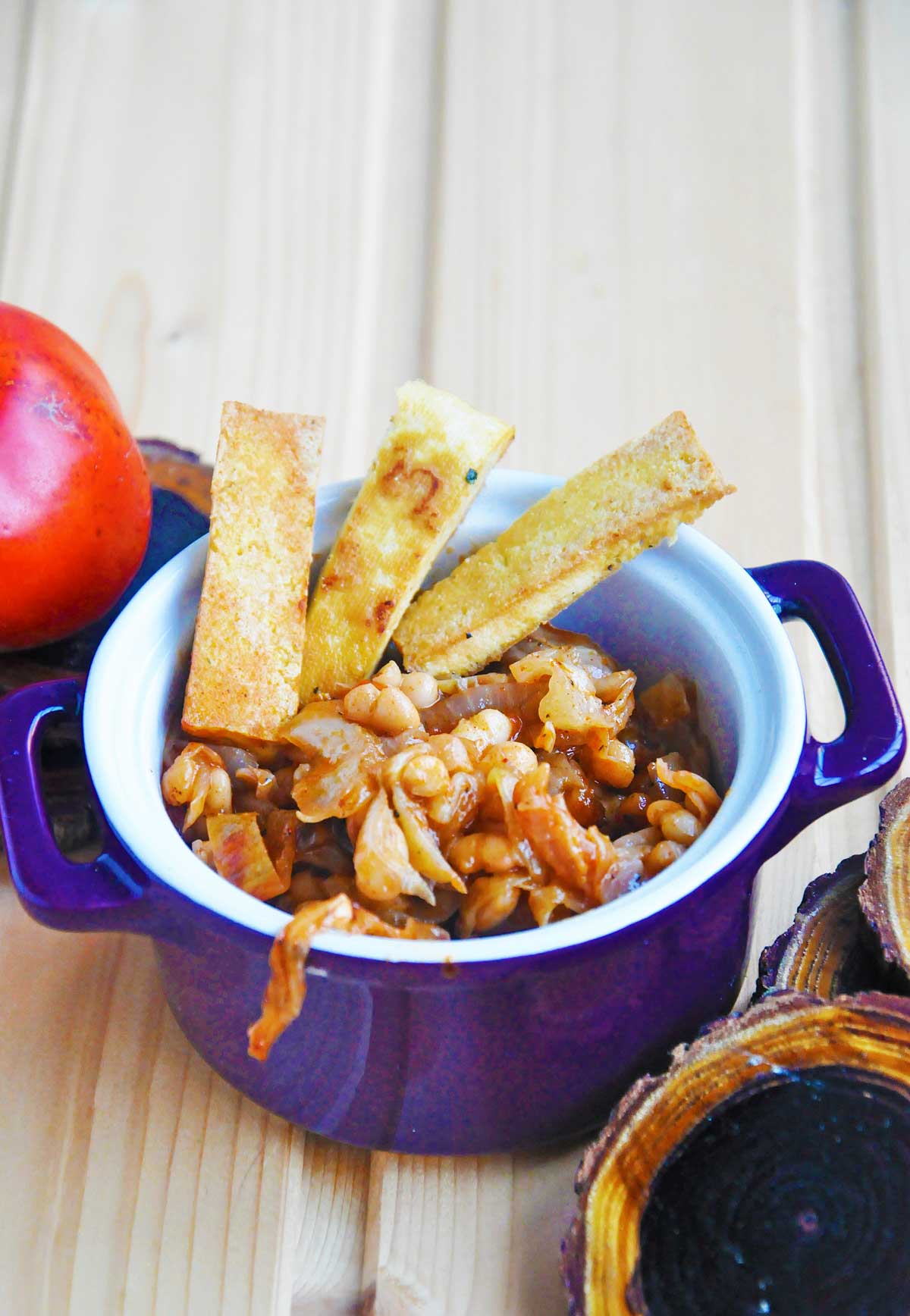
Smoky Cabbage Stew
Slow-cooked cabbage takes on a jammy, caramelized sweetness in this smoky stew, deepened with paprika and a whisper of liquid smoke. It is humble, budget-friendly, and every bit as satisfying as its meaty inspiration. Cook it low and slow, stirring now and then, so the cabbage collapses into silky ribbons rather than staying crunchy.
Get the recipe
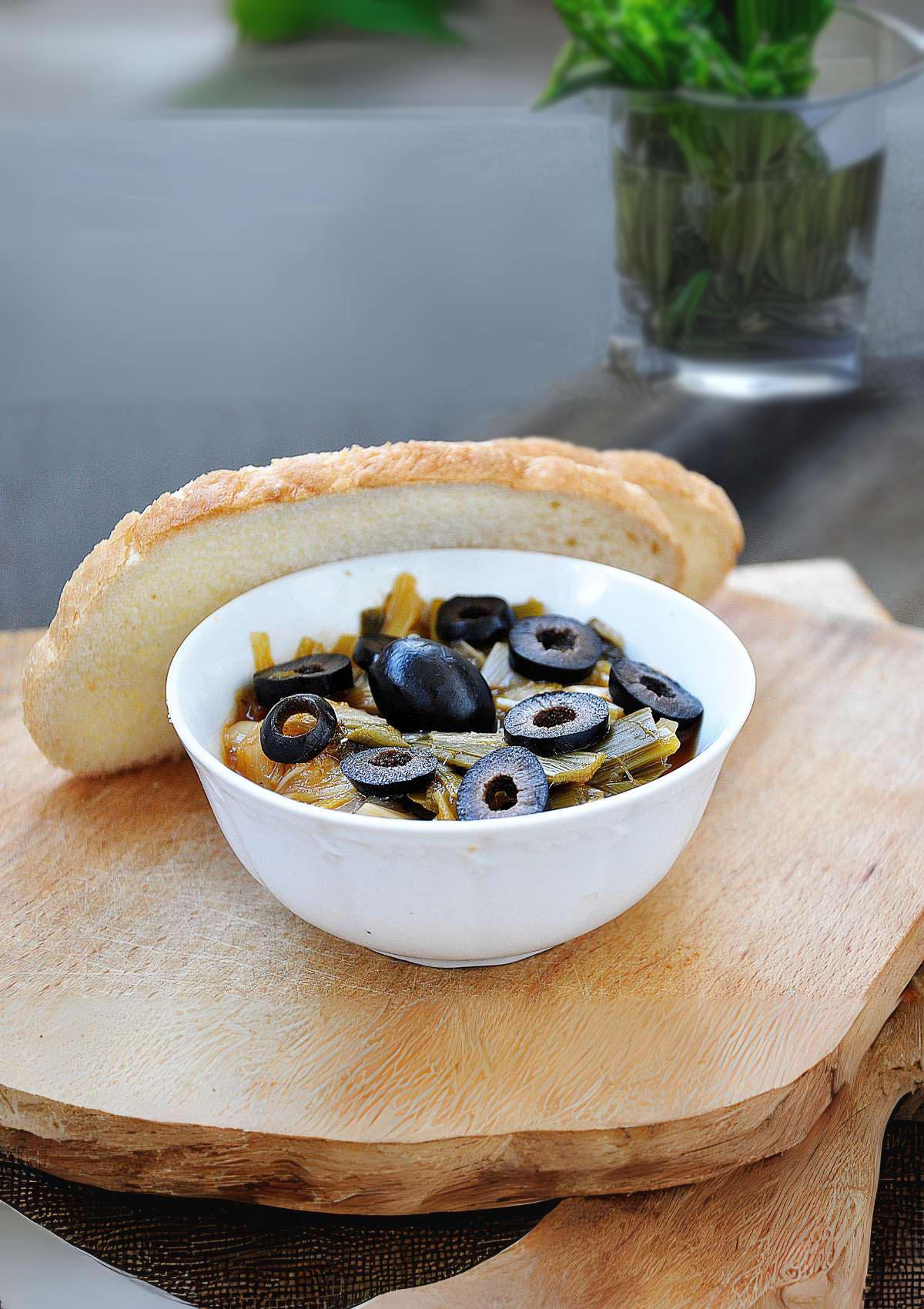
Leek Stew with Black Olives and Wine
This elegant Romanian leek stew braises sweet, softened leeks in white wine with briny black olives for a grown-up plate of comfort. The olives add a salty punch that plays beautifully against the mellow alliums. Slice the leeks thickly and rinse them well between the layers, where grit loves to hide.
Get the recipe
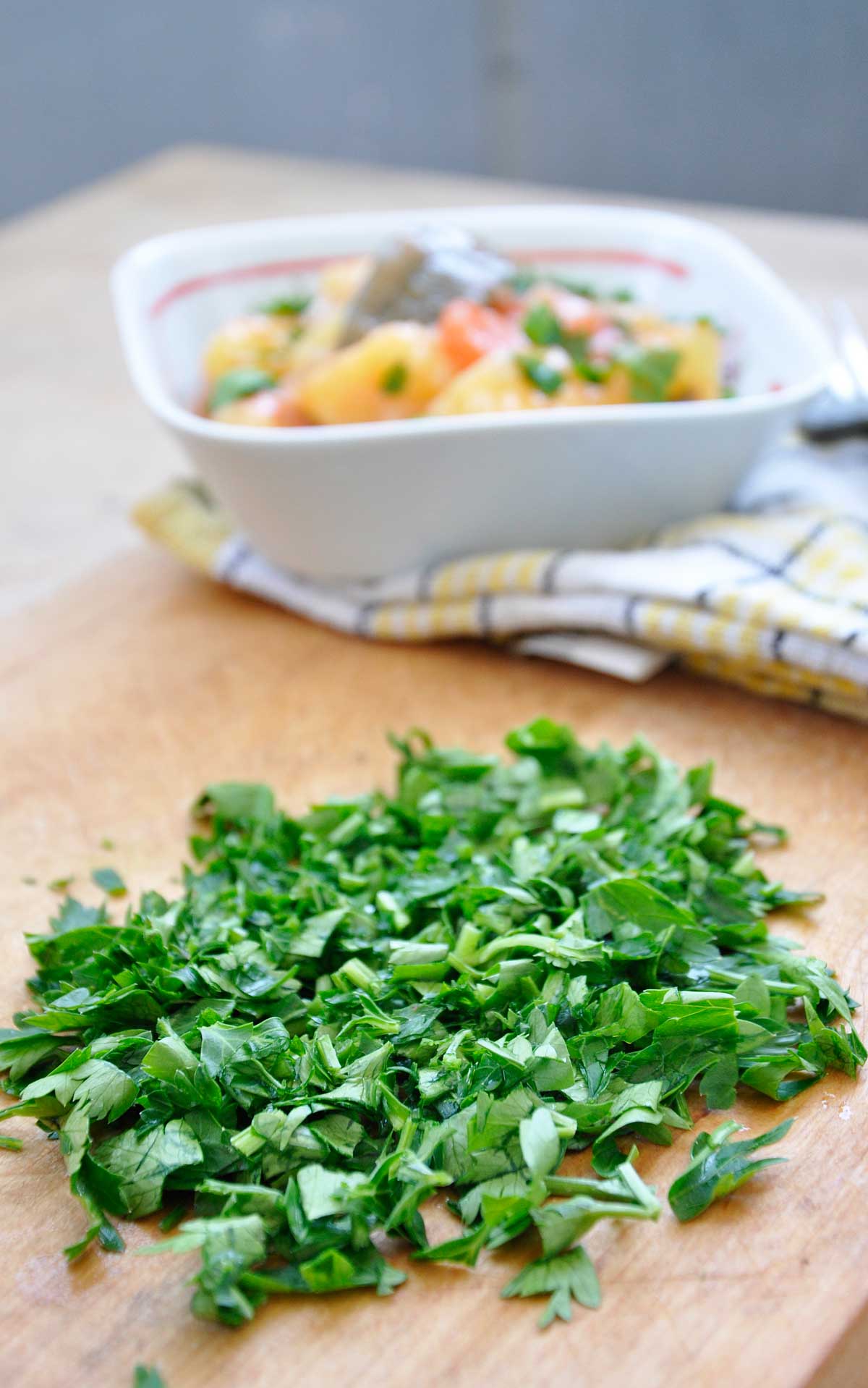
Potato and Carrot Stew with Tarragon
Fragrant tarragon lifts this rustic potato and carrot stew into something special, a beloved everyday dish across Romanian kitchens. The herb brings a subtle anise note that keeps the humble root vegetables tasting bright and lively. Add half the tarragon early for depth and stir in the rest at the end for a fresh, aromatic finish.
Get the recipe
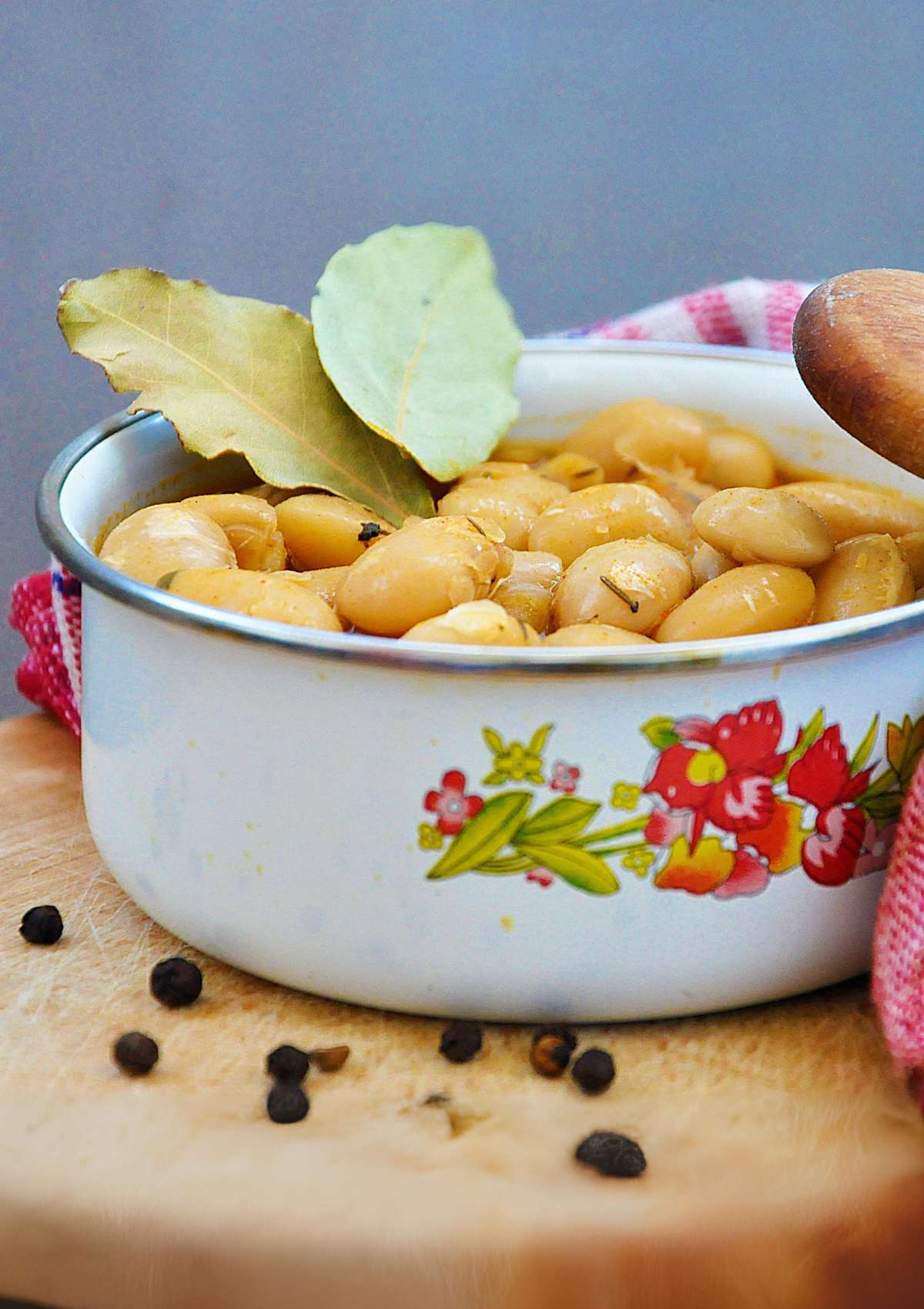
The Perfect Butter Beans Stew
Creamy butter beans simmer with tomatoes, onions, and sweet paprika in this soul-warming take on Romanian iahnie de fasole. The beans turn meltingly tender and thicken the sauce into a rich, scoopable stew. If you use dried beans, soak them overnight and cook until truly soft, since firm beans never reach that signature velvety texture.
Get the recipe
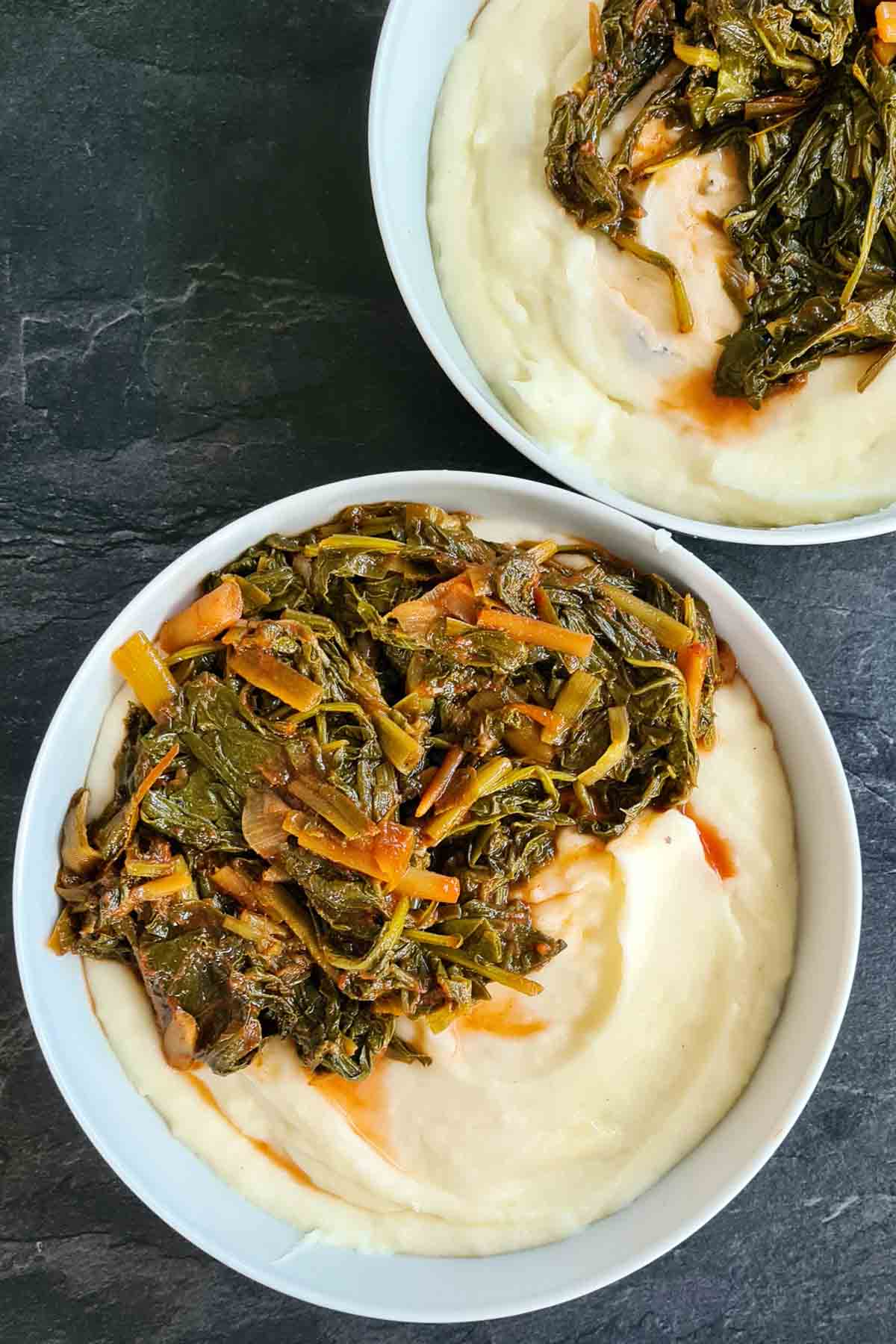
Collard Greens Stew (Romanian-Style)
This Romanian-style stew braises hearty collard greens with onions, garlic, and tomatoes until silky and deeply savory. It is a smart, plant-based riff on the sour greens dishes found across the region. Blanch the collards briefly before stewing to tame any bitterness and lock in their vivid green color.
Get the recipe
Stuffed and Rolled Classics
Roll up your sleeves for these iconic stuffed and filled dishes, from sarmale to pierogi and draniki.
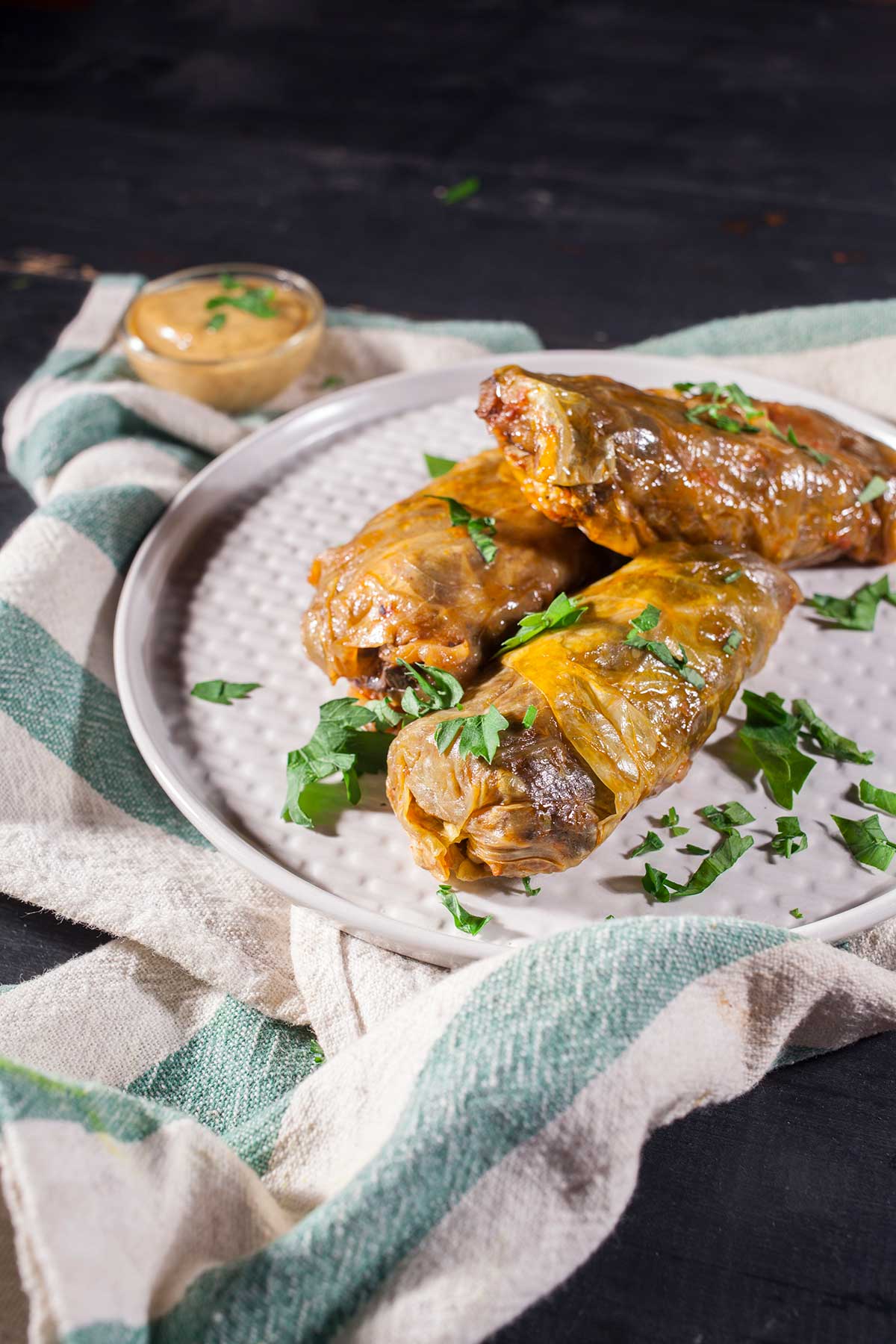
Vegan Cabbage Rolls (Romanian Sarmale)
No Eastern European feast is complete without sarmale, and this vegan version wraps tender cabbage leaves around a savory mushroom and rice filling. Slow-baked in a tangy tomato broth, they emerge fragrant and irresistibly tender. Line the pot with extra cabbage leaves to protect the rolls from scorching, and freeze any leftovers, since they reheat perfectly.
Get the recipe
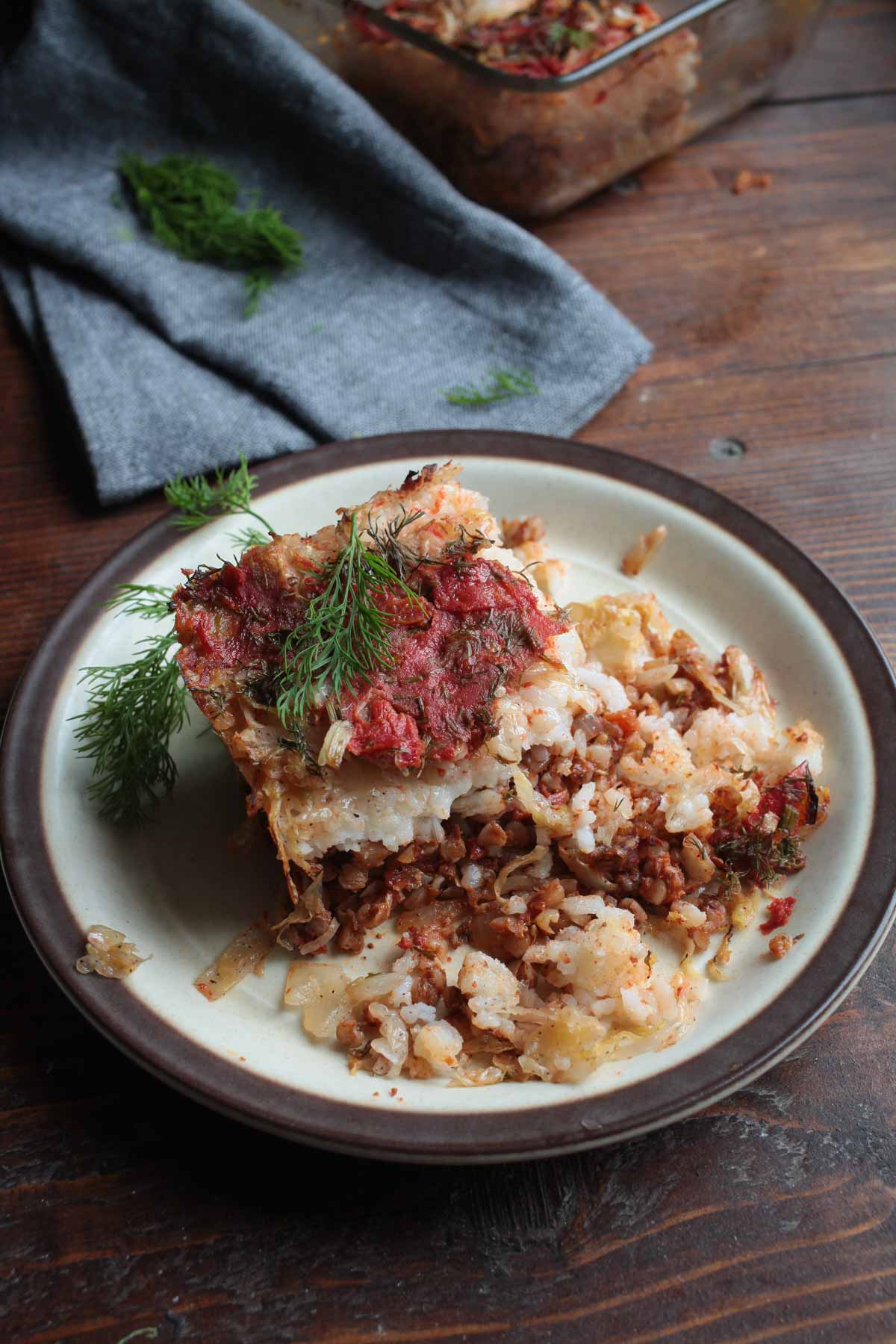
Cabbage Casserole with Rice
This cozy baked cabbage and rice casserole delivers all the flavor of sarmale without the fuss of rolling a single leaf. Softened cabbage, plump rice, and sweet paprika bake together into a comforting, one-dish meal. Bake it covered first so the rice steams through, then uncover at the end to crisp up the golden top.
Get the recipe
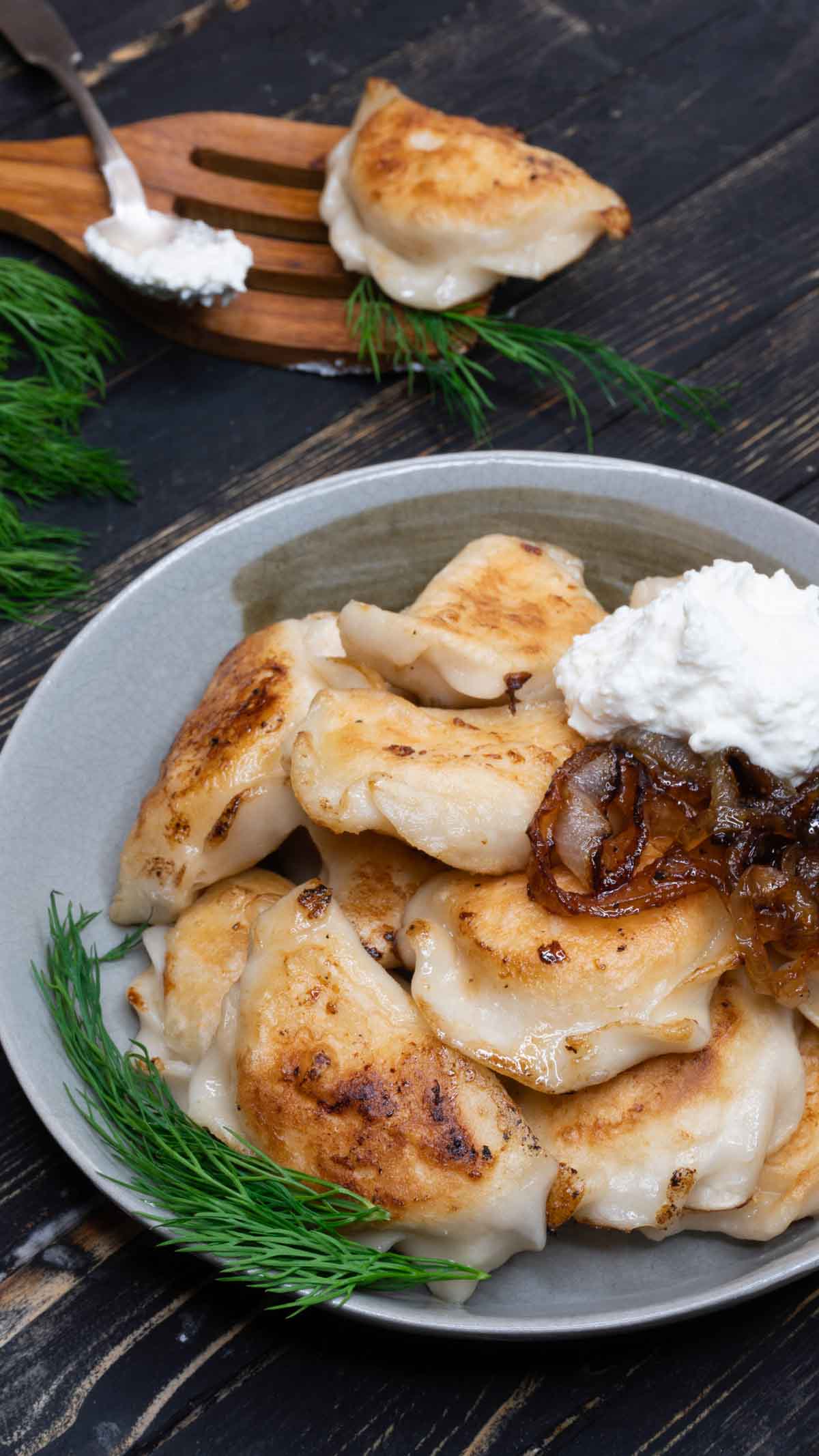
Vegan Pierogi
These plush Polish dumplings pleat a tender dough around a creamy potato and onion filling, then get boiled and pan-fried until golden. They are pure hand-made comfort, ideal for a slow weekend in the kitchen. Make a double batch and freeze the shaped pierogi on a tray before bagging, so they cook straight from frozen.
Get the recipe
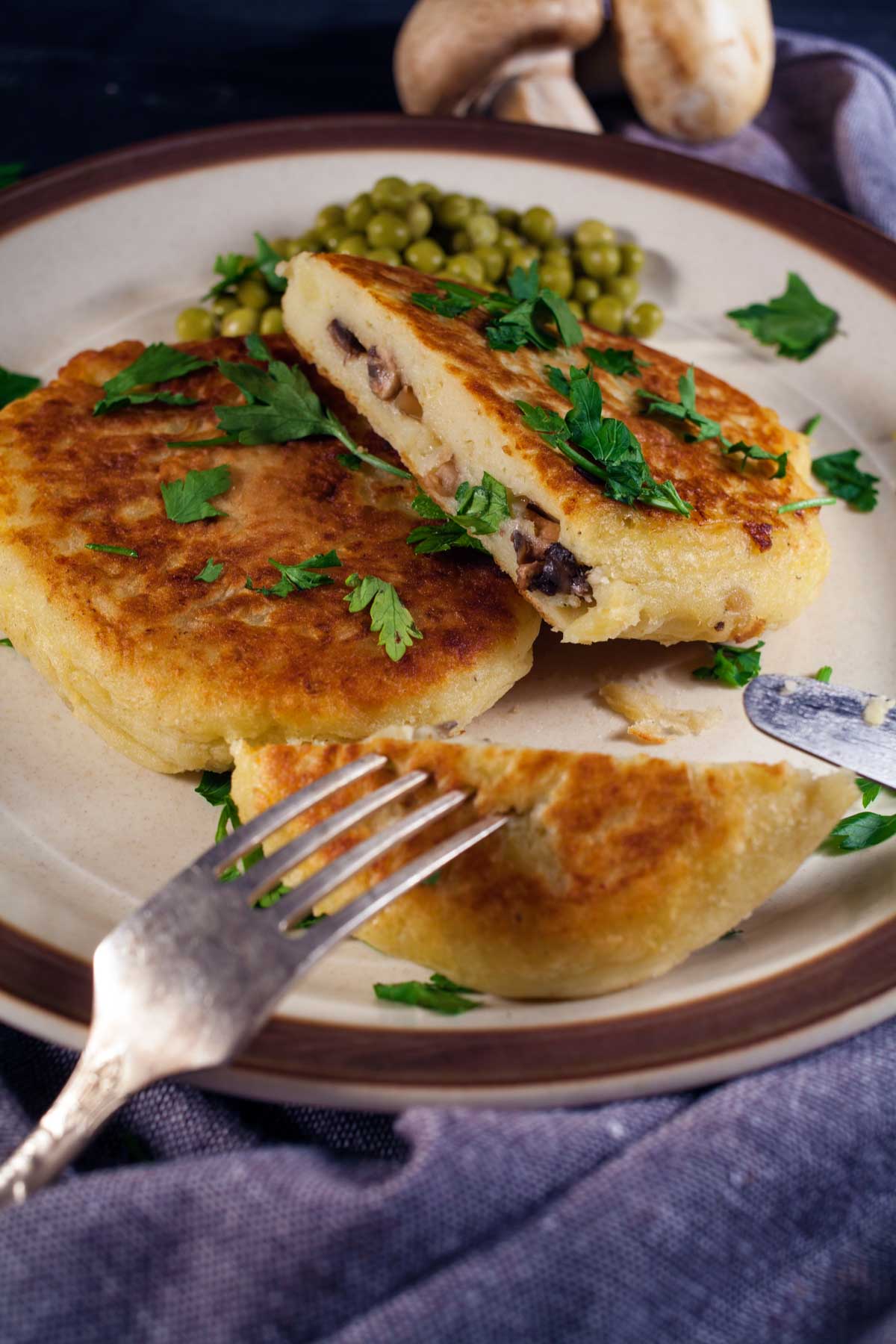
Potato Cutlets with Mushroom Stuffing (Draniki)
Crispy on the outside and soft within, these draniki-style potato cutlets hide a savory mushroom filling in every bite. Golden and pan-fried, they are a beloved staple across Belarus, Ukraine, and Russia. Squeeze the grated potato firmly in a clean towel to remove excess moisture, which is the secret to cutlets that crisp instead of steam.
Get the recipe
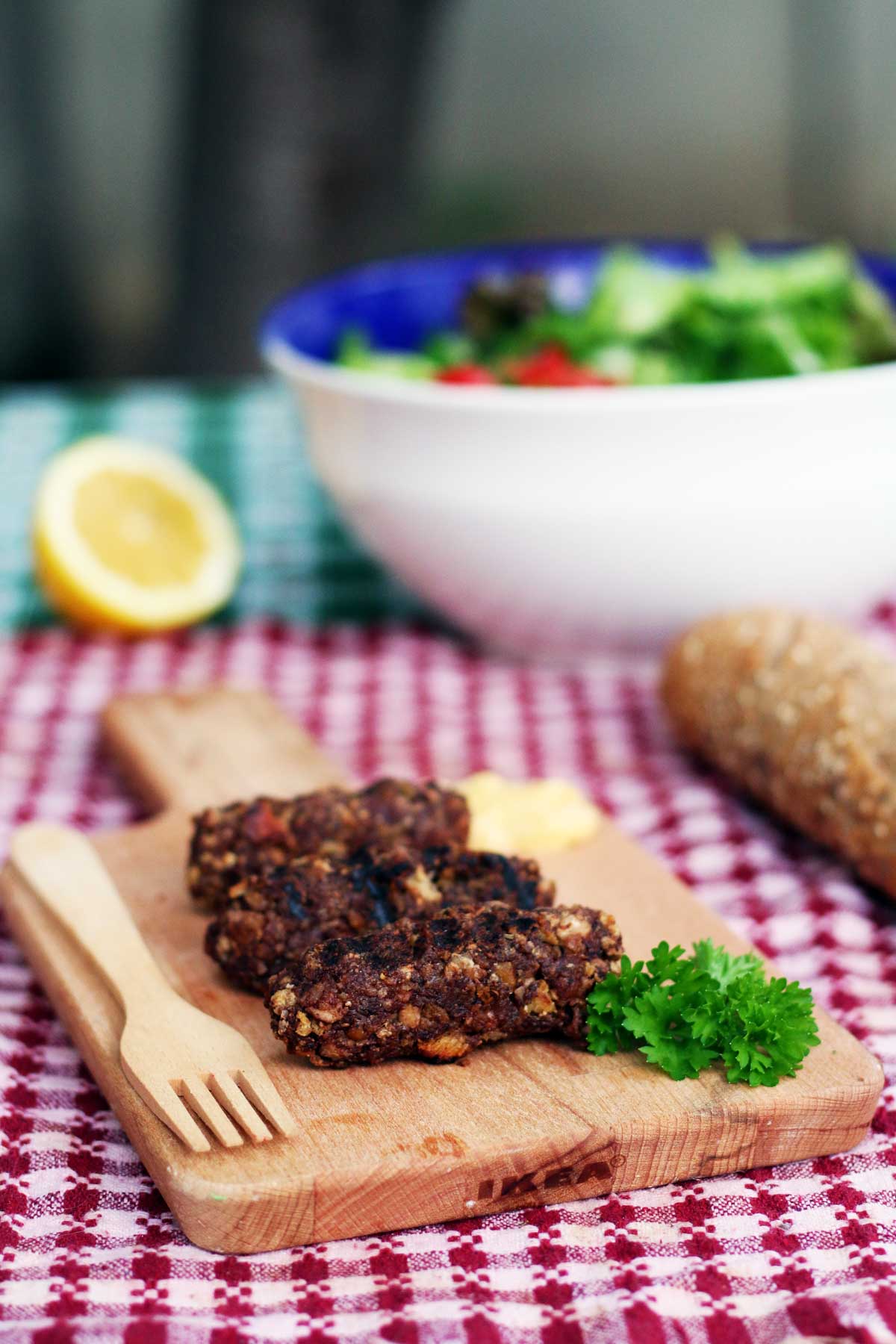
Vegan Minced Meat Rolls (Romanian Mititei)
These plant-based mititei capture the smoky, garlicky, spiced flavor of Romania’s beloved grilled mici without any meat. Firm and juicy, they hold their shape beautifully on the grill or in a hot pan. Chill the shaped rolls for thirty minutes before cooking so they firm up and stay intact over the heat.
Get the recipe
Appetizers and Everyday Staples
Start the meal right with smoky spreads, salads, and the golden polenta that anchors so many regional plates.
Romanian Eggplant Salad (Eggplant Caviar)
Smoky roasted eggplant is whipped with oil and onion into this creamy Romanian salata de vinete, a summer table essential. Its silky, spreadable texture and deep charred flavor make it endlessly moreish on fresh bread. Roast the eggplant directly over a flame or under the broiler until the skin blackens for that unmistakable smoky depth.
Get the recipe
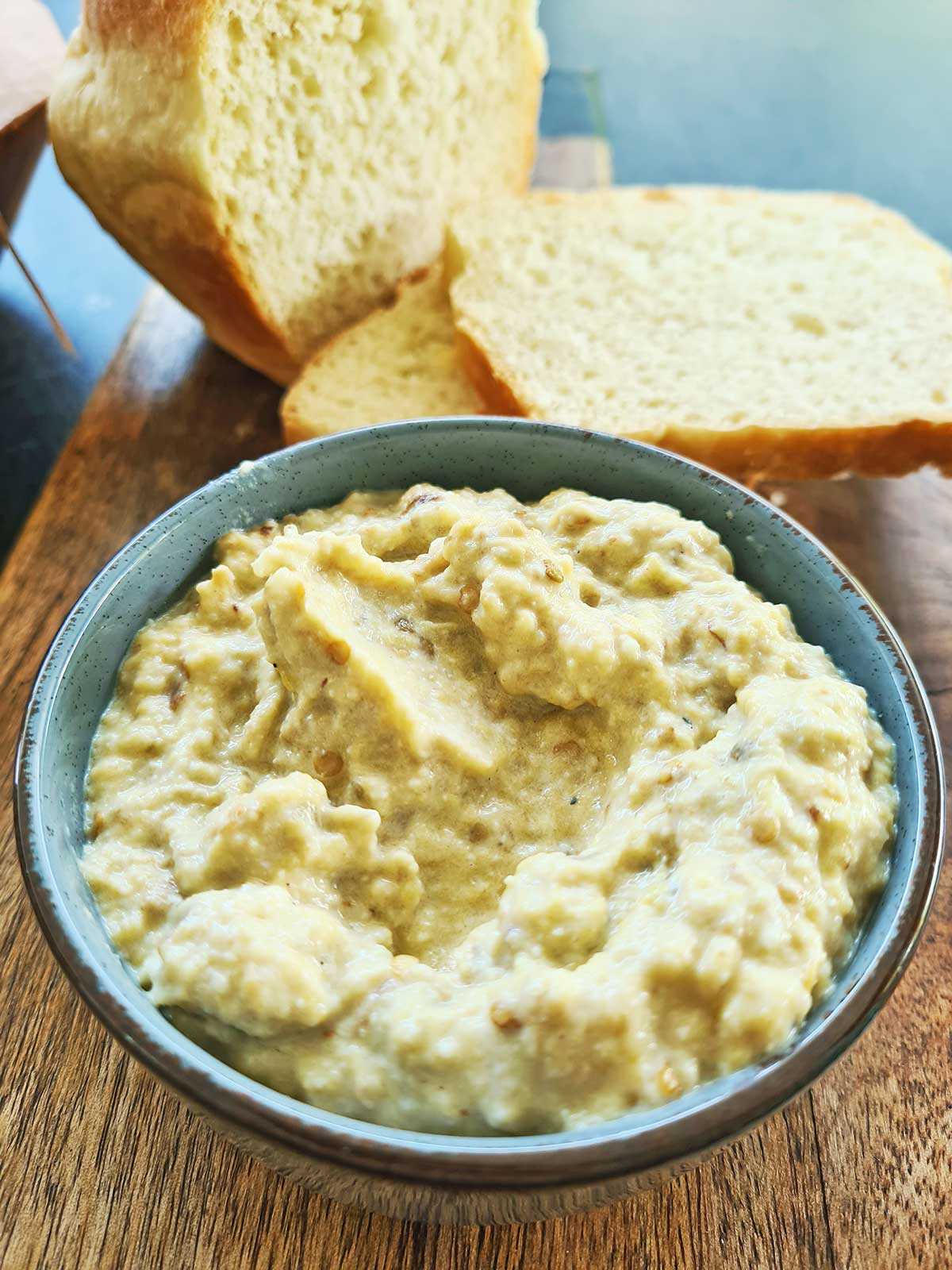
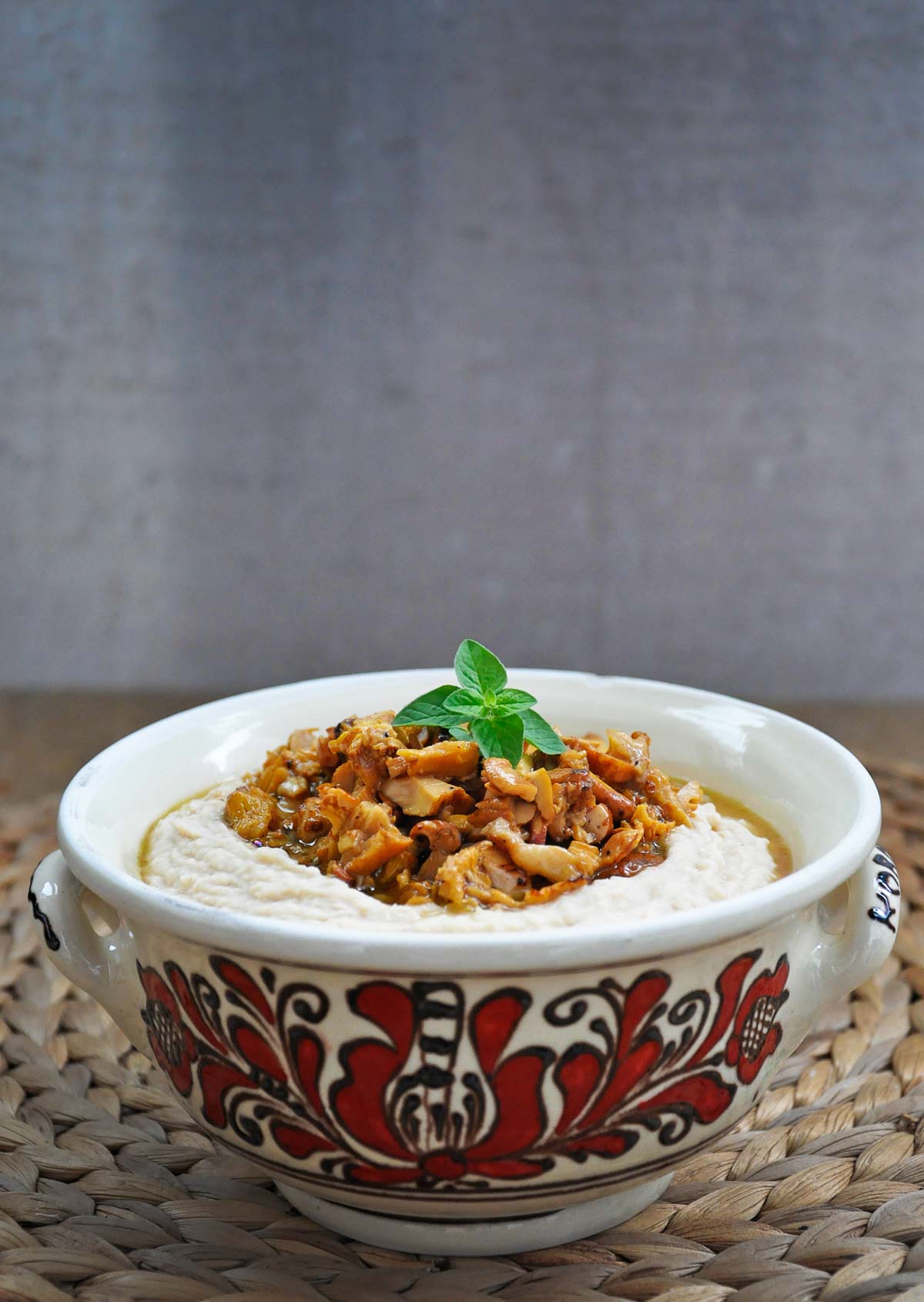
Butter Beans Spread with Chanterelle Mushrooms and Wine
This luxurious butter bean spread blends creamy beans with wine-braised chanterelles into a rustic, elegant appetizer. It riffs on the traditional Romanian mashed bean spread but dresses it up for guests. Save a few whole sauteed mushrooms to spoon over the top, adding texture and a restaurant-worthy finish to the smooth base.
Get the recipe
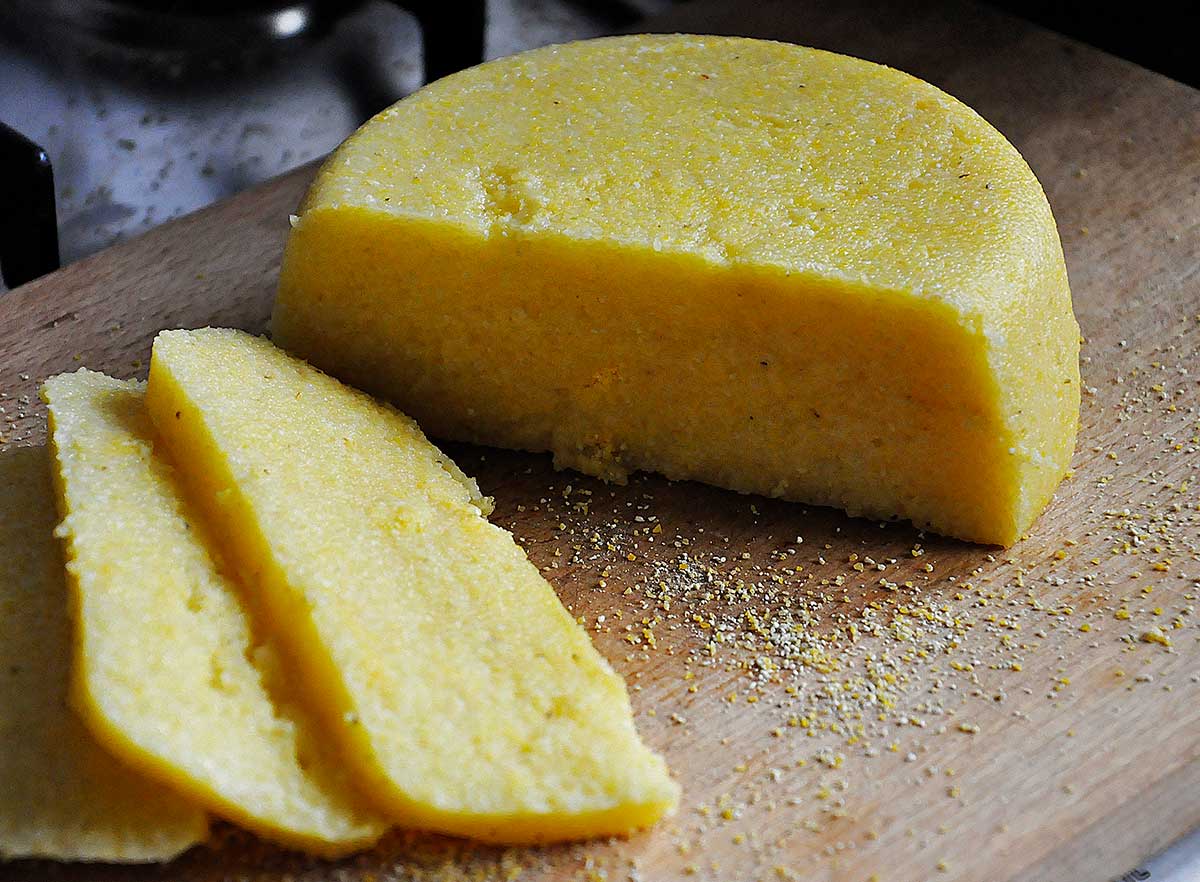
Traditional Romanian Polenta (Mamaliga)
Golden mamaliga is the cornerstone of Romanian cooking, a simple cornmeal porridge that pairs with nearly everything on this list. Cooked until thick and smooth, it can be served soft like a puree or set firm and sliced. Whisk the cornmeal into the water in a steady stream while stirring constantly to avoid any lumps forming.
Get the recipe
Sweet Finishes
End on a nostalgic note with cheese pancakes, plum dumplings, and gently spiced stewed fruit.
Syrniki (Russian Cheese Pancakes)
These tender Russian syrniki are little cheese pancakes with golden, lightly crisp edges and a soft, custardy center. Naturally sweet and quick to make, they are a weekend breakfast or dessert loved across the region. Keep the batter thick and dust the patties lightly with flour so they hold their round shape while frying.
Get the recipe
Hungarian Plum Dumplings (Szilvas Gomboc)
A whole sweet plum hides inside each of these pillowy Hungarian potato-dough dumplings, rolled in buttery toasted breadcrumbs. Warm, comforting, and gently sweet, szilvas gomboc is late-summer nostalgia on a plate. Use firm, slightly underripe plums so they hold together during boiling instead of turning to mush inside the dough.
Get the recipe
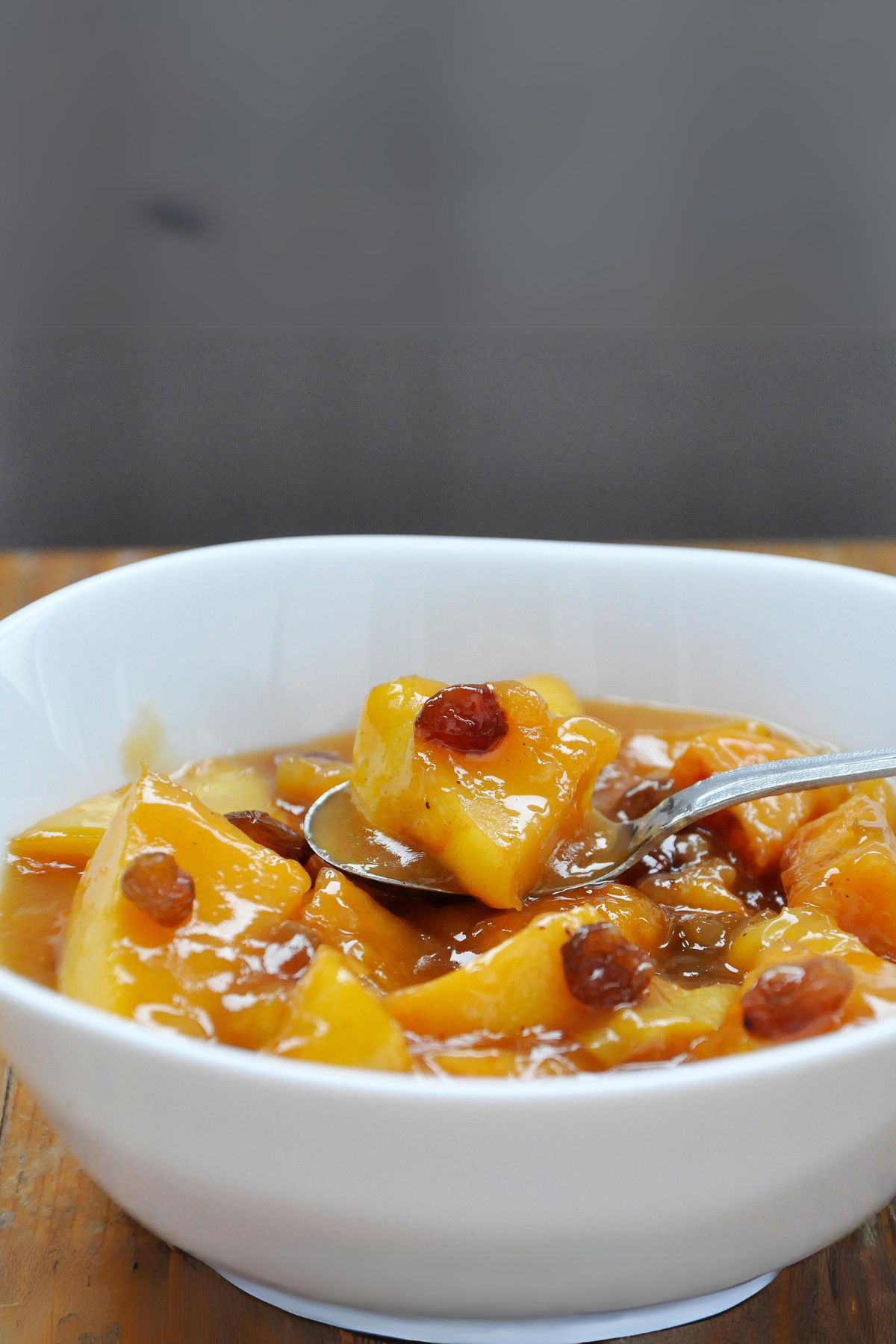
Stewed Quince Dessert (Romanian Autumn Recipe)
Fragrant quinces are gently stewed with sugar and spice until tender, jammy, and glowing amber in this old-fashioned Romanian autumn dessert. Their floral perfume fills the kitchen and turns a humble fruit into something special. Simmer low and slow, since quince needs patient cooking to soften fully and develop its signature rosy hue.
Get the recipe
Frequently Asked Questions
What are the most popular Eastern European vegetarian dishes? Some of the best-known meat-free classics include stuffed cabbage rolls (sarmale), Polish pierogi, Hungarian paprikash, beetroot borscht, potato pancakes, and cornmeal polenta (mamaliga). Many traditional soups, bean stews, and cabbage dishes are also naturally vegetarian or easy to adapt.
Is Eastern European food easy to make vegan? Yes. Much of the cuisine is built on vegetables, beans, potatoes, cabbage, and grains, so it adapts easily. Swap meat for mushrooms or beans, use plant cream instead of sour cream, and cook with oil or vegan butter rather than lard.
What can I use instead of sour cream in borscht and paprikash? A spoonful of cashew cream, unsweetened soy yogurt, or store-bought vegan sour cream works beautifully. Stir it in off the heat to keep it smooth, and add a squeeze of lemon if you want that signature tangy finish.
Which Eastern European recipes are naturally gluten-free? Dishes like beetroot borscht, mamaliga (cornmeal polenta), eggplant salad, and most bean and cabbage stews are naturally gluten-free or easy to make so. Just check that any added stock or seasoning blends are certified gluten-free.
Can I make these dishes ahead of time? Absolutely. Soups, stews, sarmale, and cabbage casseroles all taste even better the next day as the flavors deepen. Most freeze well too, so cook a big batch and reheat portions gently on the stovetop whenever you need a quick meal.
What is a good vegan meat substitute for these recipes? Mushrooms, cooked rice, lentils, and mashed or whole beans are the most authentic swaps, since they echo the texture of traditional fillings. For grilled items like mititei, a firm mix of beans and vegetables holds together well over heat.